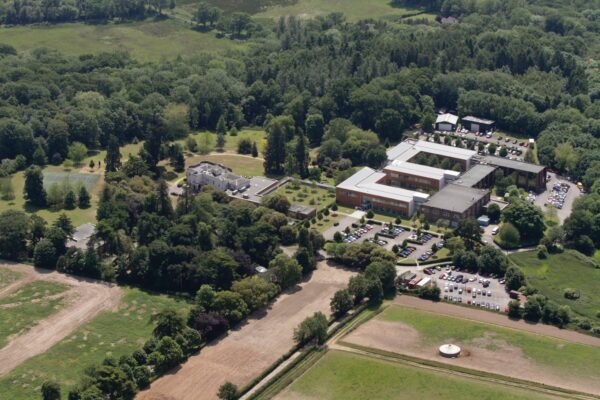


UK regional airports could become launchpads for drones and advanced air mobility


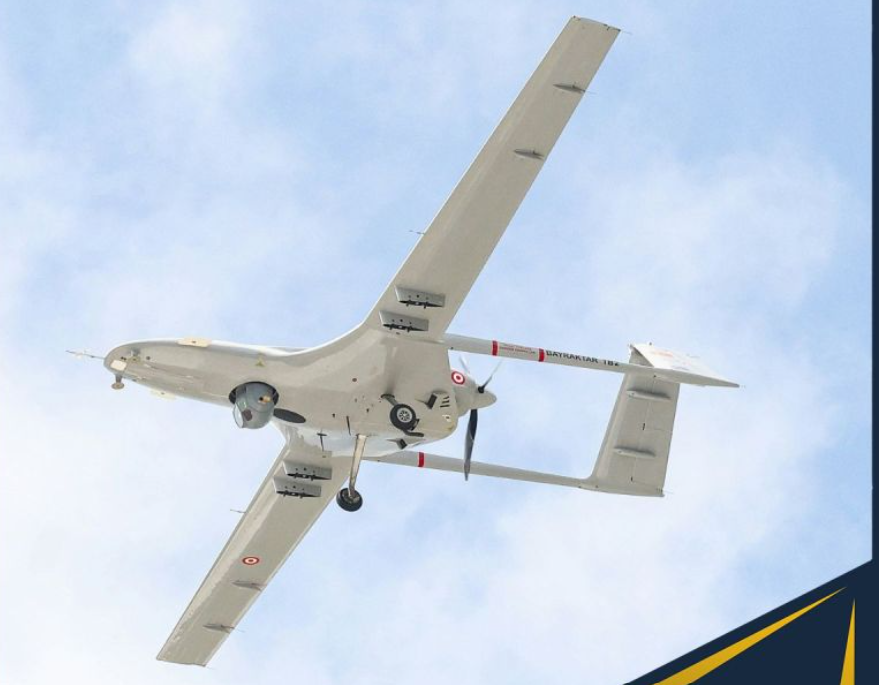
The UK’s under-used regional airports could be turned into a network of testing and operating hubs for drones and advanced air mobility if the government moves faster to make suitable airspace available for new aviation technologies, according to a new study launched in Parliament.
The report from the Good Growth Foundation was unveiled on 8 September at a parliamentary event hosted by Tony Vaughan MP, bringing together policymakers and aviation industry representatives.
The independent UK think tank argues that regional airports could provide much of the infrastructure needed to move emerging aircraft from trials into routine operations.
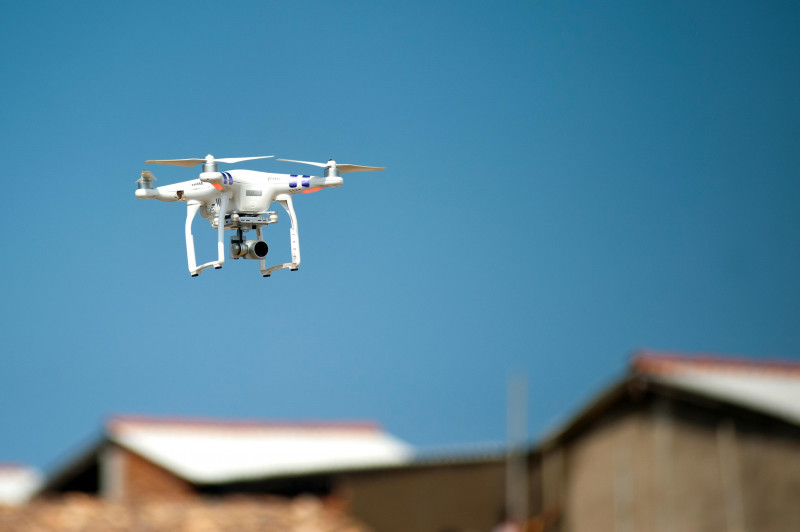
The foundation has no regulatory authority over UK aviation. Its study, A Golden Ticket for Government, is making the case for government action, with changes to airspace policy at the heart of it.
Lydd Airport in Kent is the report’s principal case study. The more interesting proposition, however, extends well beyond one airport: use existing runways, air traffic services, hangars and engineering infrastructure around the country to create places where uncrewed aircraft, autonomous systems and advanced air mobility (AAM) vehicles can be tested repeatedly and eventually put into commercial service.
The problem is increasingly about where new aircraft can fly
UK has no shortage of companies developing drones and new aircraft. The harder problem is creating somewhere they can operate frequently enough to prove not only that the technology works, but that it can coexist safely with conventional aviation.
The foundation sees Special Use Airspace (SUA) around selected regional airports as one answer.
Such airspace could provide a controlled environment for beyond-visual-line-of-sight drone operations, autonomous aircraft and AAM testing while new operating procedures and air traffic management systems are developed.
Crucially, the report does not envisage simply carving out permanently segregated areas for drones. The longer-term objective is integration with other airspace users.
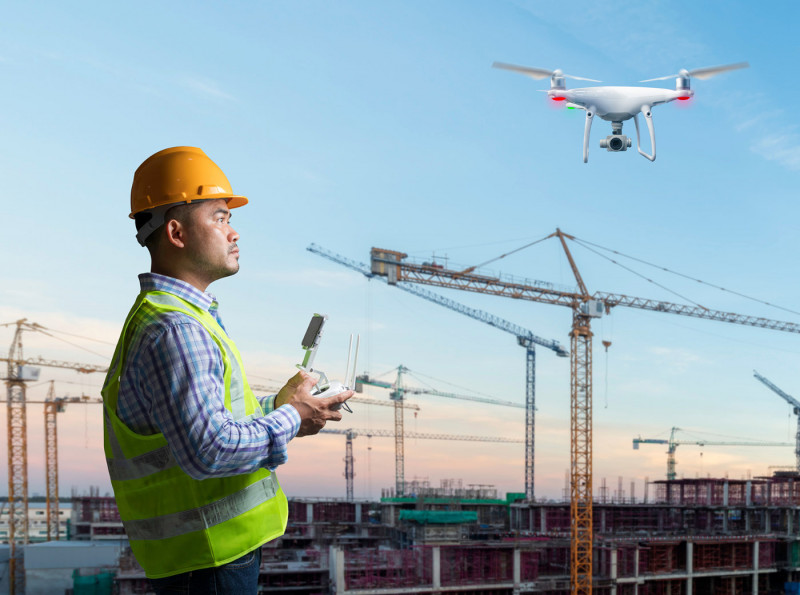
That distinction was also made at the parliamentary launch.
“This is not a solution searching for a problem. The technology is already here,” said Alex Kasperczyk, chief commercial officer at drone training and services company Eagle Eye Innovations. “The challenge is moving it from demonstration to safe, repeatable and scalable operation.”
The foundation argues that the existing airspace-change system is too slow for technologies developing in a highly competitive international market. It wants the government to use existing Air Navigation Direction powers to give strategically important airspace changes greater priority.
The point is not simply to make regulation easier. A successful demonstration flight is a long way from a drone logistics network, regular infrastructure inspection or a passenger-carrying AAM service. Those applications require aircraft to fly predictably and repeatedly, with regulators satisfied that the systems can operate safely alongside other users.
“Assurance is not a brake on innovation. It is what allows innovation to scale,” Kasperczyk told the launch.
Regional airports could become a distributed future-flight network
The study’s choice of regional airports is deliberate. Many already possess expensive aviation infrastructure but have capacity that is not being fully exploited. Rather than building new flight-test sites, the foundation argues that the UK could adapt assets it already has.
It also sees different airports developing different specialisms.
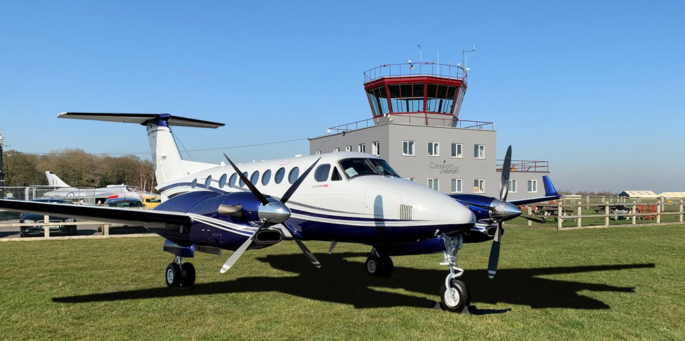
Cotswold Airport at Kemble, already used for flight testing by Vertical Aerospace, is identified as a possible location for AAM and certification activity. Humberside could lend itself to drone inspection and logistics, while Doncaster Sheffield’s freight infrastructure could support autonomous cargo operations. Cornwall Airport Newquay is another candidate.
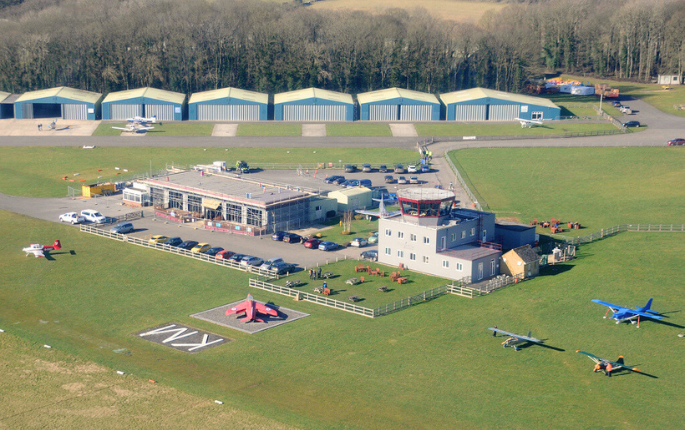
Lydd is intended as the first blueprint. Its proposed Centre for Future Flight Innovation would bring together UAS and BVLOS operations, advanced air mobility, autonomous systems, future air traffic services and other aviation technologies.
Eagle Eye Innovations argues that the concept could eventually become national.
“We believe facilities such as Lydd Airport can form part of a UK network that supports innovation while retaining skills, intellectual property and operational capability in this country,” Kasperczyk said.
That adds an industrial and, potentially, defence dimension to what might otherwise appear to be an airspace-regulation issue. Eagle Eye says demand for places to test and assure new systems is coming not only from commercial aviation but from defence, government and critical national infrastructure.
The economic argument reaches beyond activity at the airport
The Good Growth Foundation also makes a regional growth case for the model.
Its economic analysis for Kent estimates £33.9 million in direct gross value added from innovation activity at Lydd. Including supply-chain and induced effects takes that figure to £75.5 million. The study arrives at £73.7 million as what it describes as a more conservative, regionally adjusted estimate. These remain projections made for the report rather than established economic outcomes.
The theory is that aviation activity would draw other businesses towards an airport: engineering companies, software developers, training providers, maintenance specialists and firms working on propulsion, autonomy and air traffic systems.
Kasperczyk told the parliamentary gathering that the benefits could therefore extend beyond aviation into “skilled jobs, inward investment, stronger supply chains, public-service capability and UK leadership” in future-flight technologies.
Sign up for our newsletter and get our latest content in your inbox.
Similar Reads


Sign up for our newsletter. Select all sectors relevant to you.
Related