UK’s first uncrewed fighter aircraft gets £30m boost
Above:
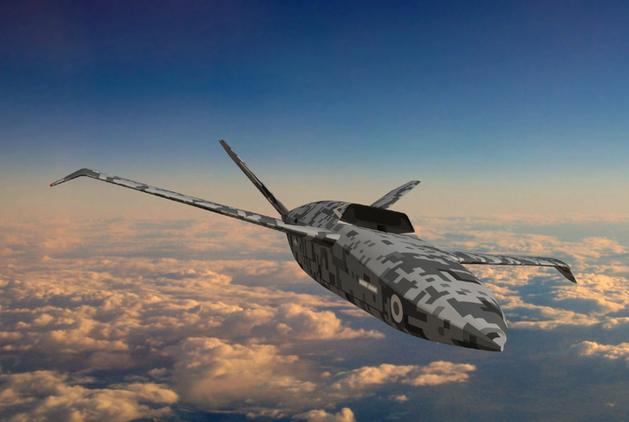
Computer generated image of the uncrewed combat aircraft.
Courtesy MoD
The uncrewed combat aircraft will be designed to fly at high-speed alongside fighter jets, armed with missiles, surveillance and electronic warfare technology to provide a battle-winning advantage over hostile forces. Known as a ‘loyal wingman’, these aircraft will be the UK’s first uncrewed platforms able to target and shoot down enemy aircraft and survive against surface to air missiles.

In a boost for Northern Ireland’s defence industry, Spirit AeroSystems, Belfast, have been selected to lead Team MOSQUITO in the next phase of the Project. Utilising ground-breaking engineering techniques, the team will further develop the RAF’s Lightweight Affordable Novel Combat Aircraft (LANCA) concept, with a full-scale vehicle flight-testprogramme expected by the end of 2023.
Northern Ireland Secretary, Brandon Lewis said: "This is fantastic news and underlines the distinct strengths in Northern Ireland'seconomy, through its advanced engineering and manufacturing capabilities.
"This ground-breaking project will involve significant investment which will not only support local employment but also reinforce Northern Ireland's contribution to the security of our nation.
"Team MOSQUITO, which also includes Northrop Grumman UK, will mature the designs and manufacture a technology demonstrator to generate evidence for a follow-on LANCA programme. If successful, Project Mosquito’s findings could lead to this revolutionary capability being deployed alongside the Typhoon and F-35 Lightning jets by the end of the decade.
Defence Minister, Jeremy Quin said: “This is a great win for the Northern Ireland defence industry and will showcase some of the most pioneering engineering work currently being undertaken in the UK.
“The £30 million project will accelerate the development of the UK’s future air power by delivering cutting-edge uncrewed aircraft, maintaining our position as a world leader in emerging technologies.”
Working with innovative partners from across the UK, Project Mosquito is transforming traditional approaches to combat air to enable the rapid development of technology. By utilising the latest software development techniques and civilian aerospace engineering and manufacturing expertise, the project will deliver dramatic reductions in costs and development timelines, so their innovations can reach the front-line quicker than ever before. This game changing research and development project will ensure the final aircraft design will be capable of being easily and affordably updated with the latest technology so we remain one step ahead of our adversaries. The aircraft’s flexibility will provide the optimum protection, survivability and information as it flies alongside Typhoon, F-35 Lightning and later, Tempest as part of our future combat air system.
Air Chief Marshal Mike Wigston, Chief of the Air Staff said: “We’re taking a revolutionary approach, looking at a game-changing mix of swarming drones and uncrewed fighter aircraft like Mosquito, alongside piloted fighters like Tempest, that will transform the combat battlespace in a way not seen since the advent of the jet age.”
Director Future Combat Air, Richard Berthon said: “Project Mosquito is a vital element of our approach to Future Combat Air, rapidly bringing to life design, build and test skills for next generation combat air capabilities.Autonomous ‘loyal wingman’ aircraft create the opportunity to expand, diversify and rapidly upgrade Combat Air Forces in a cost-effective way, now and in the future. As announced by the Prime Minister in November 2020, the UK’s Future Combat Air System (FCAS) programme is set to benefit from a portion of the extra £1.5 billion investment into military research and development, which will help ensure our Armed Forces are prepared to meet the threats of tomorrow.