UK space innovation programme launched

Image copyright Shutterstock
This is a first step towards helping the UK compete more effectively on the world stage with other countries which have dedicated national funding for space on top of their commitments to the European Space Agency (ESA).
The UK has previously supported national space innovations on a case-by-case basis, such as funding for UK spaceports and launch operators. The new innovation programme will ensure a more coordinated approach to national funding, supporting the development of a comprehensive UK space strategy, as part of a Government commitment to increasing the UK’s space ambitions.

The UK space sector is a huge economic success story, growing by over 60% since 2010. The industry already supports £300 billion of UK economic activity through the use of satellite services, and employs more than 40,000 people. This is expected to grow further, with the space sector estimating there could be a £60 billion market in the future in new Earth observation and communication technologies.
The UK Space Agency is inviting proposals for high-risk, high-reward projects to develop new technologies, products or services with the potential to grow the UK space sector, create high-skilled jobs and tackle global issues.
The first £10 million of this funding will support projects focusing on either:
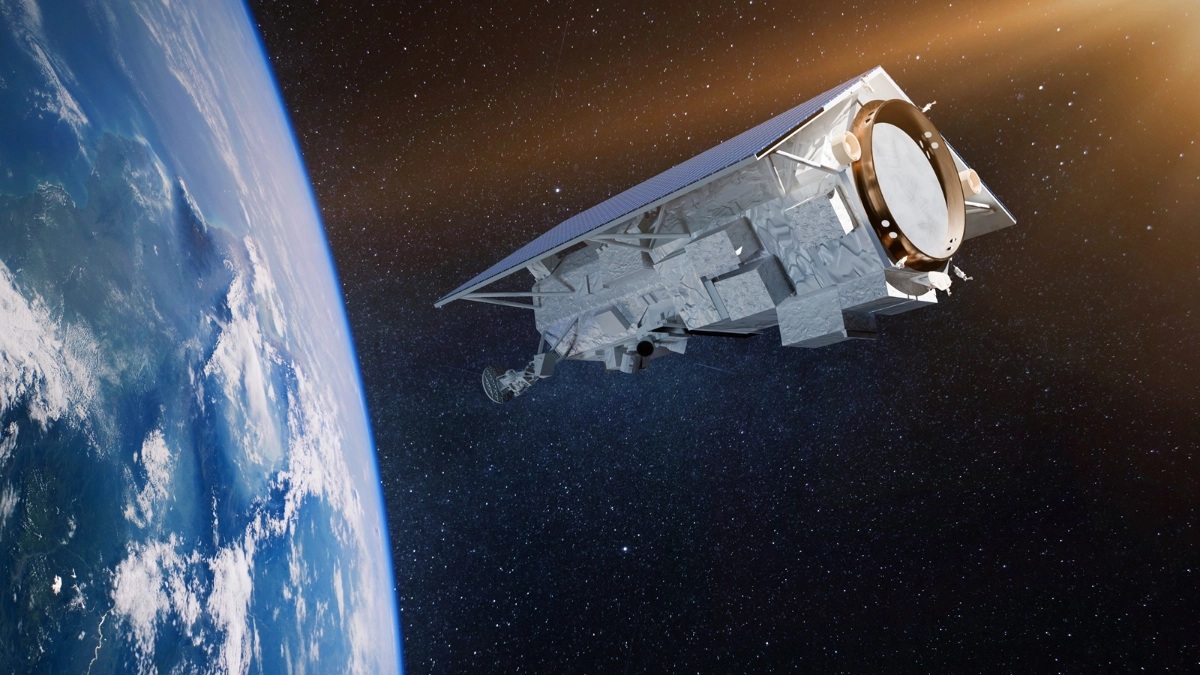
- Earth observation technologies – half of the measurements needed to monitor climate change rely on satellites, so the development of more advanced instruments and data analysis techniques will support climate science and inform strategies to reduce emissions or protect local areas from impacts such as flooding, by identifying changes to the environment
- Communications projects – new technologies such as autonomous vehicles, AI and robotics rely on fast, reliable connectivity, and need to operate in remote areas that may be difficult or expensive to reach using ground-based signals or fibre. Satellite communications can fill in the gaps, and new projects could be funded to enhance how space and ground-based systems complement one another to ensure 100% coverage, support new technologies and increase resilience.
The remaining £5 million of this initial funding has been set aside for investing in international projects, which in turn will support closer working relationships with key space faring nations such as the US, Australia and Japan.
Stronger international relationships and the ability to fund new projects, will also help boost UK space exports, which are already worth £5.5 billion each year, in areas such as satellite platforms, sensing systems and advanced software.
Science Minister Amanda Solloway said: "The UK has a thriving space sector, and as well as being a science superpower, we want to lead the world in space technology.
"The National Space Innovation Programme will ensure that our best and brightest talent have the backing they need to turn their world class ideas into goods and services, creating jobs and opportunities dedicated to tackling the most pressing global challenges we face."
UK Businesses, universities and research organisations can bid for funding to match their own investment in projects that will help the space sector create new high-skilled jobs, while developing new capabilities and technologies. Each project will be able to bid for a grant between £200,000 and £2 million, out of the £15 million funding.
Dr Graham Turnock Chief Executive of the UK Space Agency said: "The National Space Innovation Programme will enable the UK to develop products, services and technologies while creating high-skilled jobs and boosting our economy.
"The UK Space Agency is leading work across Government to develop the UK’s space capabilities. Our closest international competitors have well-developed national programmes alongside their European Space Agency commitments. Now is time for the UK to do the same as we increase our space ambitions."
The deadline for applications is noon BST on 2nd September 2020.
Click here to apply.