Virgin Galactic unveils Mach 3 aircraft design and signs MoU with Rolls-Royce
Virgin Galactic announced today the first stage design scope for the build of its high speed aircraft design and the signing of a non-binding Memorandum of Understanding (MoU) with Rolls-Royce to collaborate in designing and developing engine propulsion technology for high speed commercial aircraft.
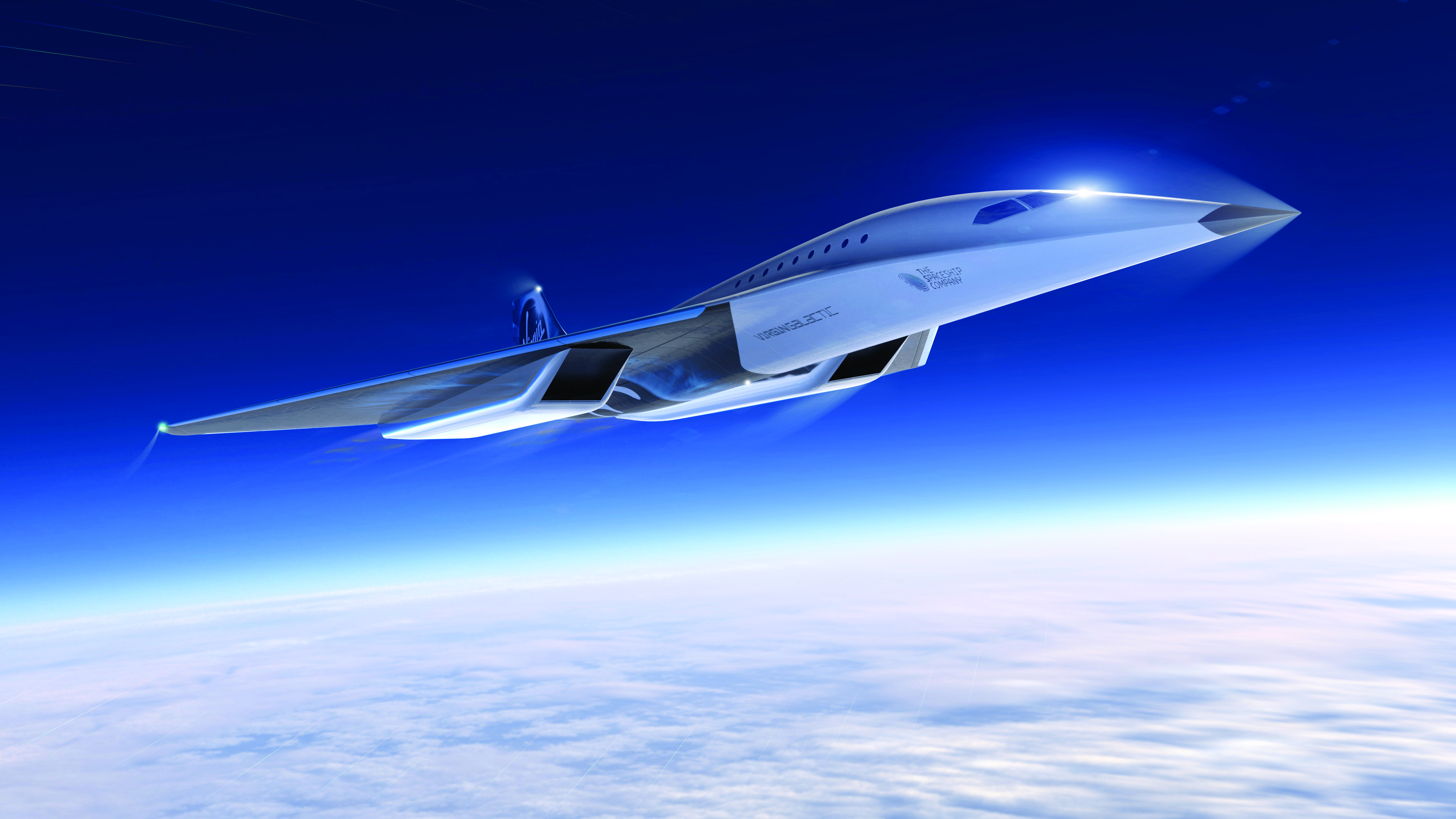
© Virgin Galactic 2020
This follows the successful completion of its Mission Concept Review (MCR) programme milestone and authorization from the Federal Aviation Administration’s (FAA) Center for Emerging Concepts and Innovation to work with Virgin Galactic to outline a certification framework. This marks an exciting step forward in Virgin Galactic’s development of a new generation of high speed aircraft, in partnership with industry and government leaders, with a focus on customer experience and environmental sustainability.

Rolls-Royce has a proven record of delivering high Mach propulsion, powering the only civil-certified commercial aircraft capable of supersonic flight, Concorde.
George Whitesides, Chief Space Officer, Virgin Galactic said: “We are excited to complete the Mission Concept Review and unveil this initial design concept of a high speed aircraft, which we envision as blending safe and reliable commercial travel with an unrivalled customer experience. We are pleased to collaborate with the innovative team at Rolls-Royce as we strive to develop sustainable, cutting-edge propulsion systems for the aircraft, and we are pleased to be working with the FAA to ensure our designs can make a practical impact from the start. We have made great progress so far, and we look forward to opening up a new frontier in high speed travel.”
“We are excited to partner with Virgin Galactic and TSC to explore the future of sustainable high speed flight,” said Rolls-Royce North America Chairman & CEO Tom Bell. “Rolls-Royce brings a unique history in high speed propulsion, going back to the Concorde and offers world-class technical capabilities to develop and field the advanced propulsion systems needed to power commercially available high-Mach travel.”
The Mission Concept Review, which included representatives from NASA, is an important program milestone at which the Virgin Galactic high speed team confirmed that, based on the research and analysis work completed, its design concept can meet the high-level requirements and objectives of the mission. Previously, NASA signed a Space Act Agreement with Virgin Galactic to collaborate on high speed technologies.
The basic parameters of the initial high speed aircraft design include a targeted Mach 3 certified delta-wing aircraft that would have capacity for 9 to 19 people at an altitude above 60,000 feet and would also be able to incorporate custom cabin layouts to address customer needs, including Business or First Class seating arrangements. The aircraft design also aims to help lead the way toward use of state-of-the-art sustainable aviation fuel. Baselining sustainable technologies and techniques into the aircraft design early on is expected to also act as a catalyst to adoption in the rest of the aviation community.
The MCR concluded that the team can progress to the next phase of design, consisting of defining specific system architectures and configurations, and determining which materials to use in the design and manufacturing of the aircraft. The team will also work to address key challenges in thermal management, maintenance, noise, emissions, and economics that routine high speed commercial flights would entail.
The design philosophy of the aircraft is geared around making high speed travel practical, sustainable, safe, and reliable, while making customer experience a top priority. Virgin Galactic is designing the aircraft for a range of operational scenarios, including service for passengers on long-distance commercial aviation routes. The aircraft would take off and land like any other passenger aircraft and be expected to integrate into existing airport infrastructure and international airspace around the world.
Virgin Galactic is working closely with international regulatory communities to ensure compliance with safety and environmental standards. Last week the FAA’s Center for Emerging Concepts and Innovation reviewed the project direction and authorised FAA resources to work with the Virgin Galactic team to begin to outline a certification framework during the pre-project guidance phase. Virgin Galactic believes that working together with regulators and industry leaders such as Rolls Royce and Boeing will support the mission to broaden and transform global travel technologies, with a focus on customer experience.