Advancing UK Aerospace, Defence, Security & Space Solutions Worldwide
  • Home
  • /
  • Security
  • /
  • Zaun uplifts SR range to latest BRE standard

Security

Zaun uplifts SR range to latest BRE standard
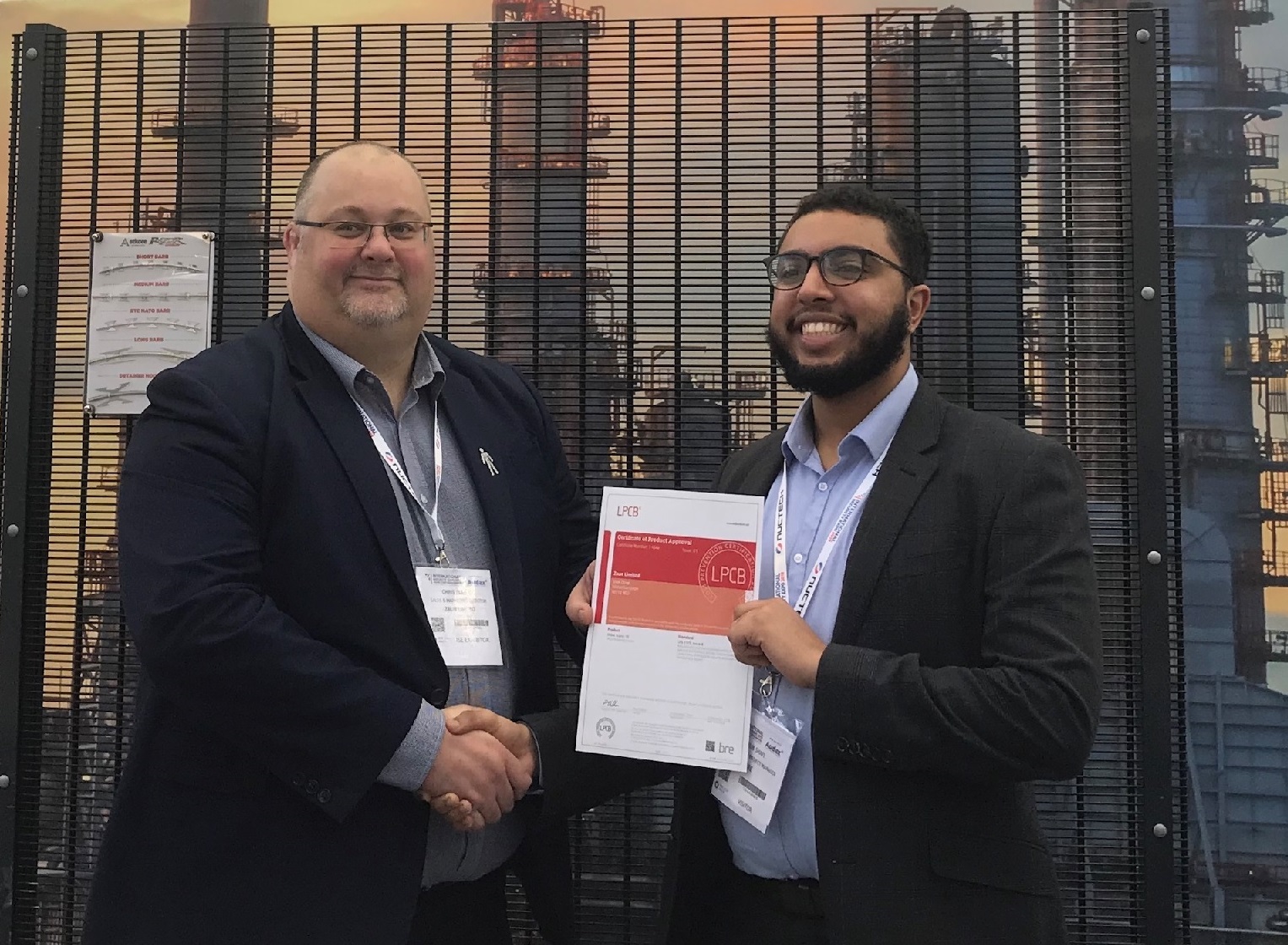
High security perimeter systems manufacturer Zaun has uplifted all of its Security Ratings (SR) range to the latest certifications from the Buildings Research Establishment (BRE), which has revised its SRs to Loss Prevention Standard (LPS) 1175 as certified by the Loss Prevention Certification Board (LPCB) and listed in their Red Book (www.redbooklive.com).


Courtesy Zaun

The latest revision of LPS1175 to issue 8.0 sets out the requirements and testing procedures for the LPCB certification and listing of intruder resistant building components, strongpoints, security enclosures and free-standing barriers following extensive consultation with stakeholders.

Advertisement
ODU RT

Zaun sales and marketing director Chris Plimley said: “It’s really important to keep up to date on any new standards as they reflect developments in the techniques being used by terrorists and other criminals.  Plus, a number of major tenders emerging this year will insist upon issue 8 certifications.”

Zaun received its new certificatations from BRE at the International Security Expo, where its products were submitted to live attack by testers in the LPCB Live Test Lab & Zone.

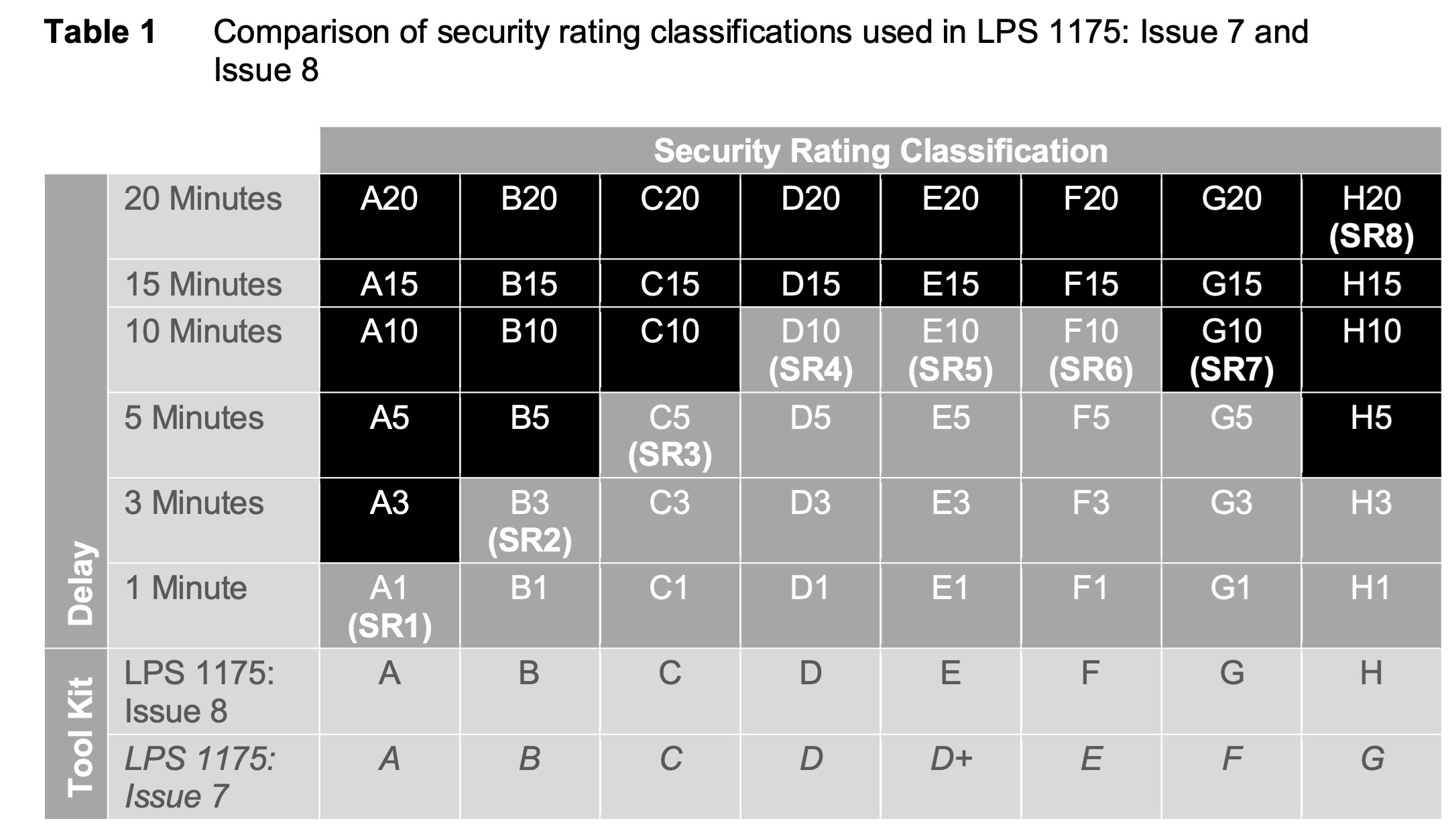
Issue 8.0 has adapted the previous single digit performance classifications (ie SR 1 to SR8) to one formed of two elements that classify performance in terms of:

  • Threat level (first element) – letter (A to H) corresponding with the tool kit used to evaluate the product’s intruder resistance and number of attackers involved.
  • Delay (second element) – numeric value (1, 3, 5, 10, 15 or 20) corresponding with the minimum delay in minutes provided by the product when placed in a locked condition.

The LPCB says that although the new two-part classifications cover 48 combinations of threat and delay, it is considered unlikely that most specifiers, end users and regulators will require individual products to achieve security ratings contained within the black boxes (see Table 1).
Advertisement
Leonardo animated rectangle

Instead, they are more likely to achieve an extended delay by deploying a series of products in a layered approach; a strategy that is supported by the classification system introduced within this standard.
For example, it is considered a 10-minute delay against a level ‘F’ threat is more likely to be achieved by deploying two layers formed of products that achieve an ‘F5’ security rating instead of a single layer formed of products that achieve an ‘F10’ security rating.

Plimley said: “I really like this layered approach to time delays as it better reflects realistic solutions to the real life threats critical national infrastructure faces and it is consistent with the ‘onion skin’ principle of successive rings of security the closer an intruder gets to the most sensitive assets.”

Issue 8.0 products approved by LPCB are rigorously tested for resistance to deliberate attack and play an important role in protecting people and property against physical attack, burglary, vandalism and terrorism.

To maintain accreditation manufacturers must regularly demonstrate to independent auditors that they are producing products consistent with those tested, giving customers the guarantee that they are getting a secure and quality product.


 

Advertisement
General Atomics LB
Smiths Detection and METCO to open manufacturing facility in Saudi Arabia

Security

Smiths Detection and METCO to open manufacturing facility in Saudi Arabia

17 December 2025

METCO and Smiths Detection today announced that the opening of its new assembly and manufacturing facility in Saudi Arabia, designed to assemble, commission and manufacture advanced screening solutions – including Smiths Detection’s X-ray screening products – is scheduled for early next year.

NCSC warns mistaking AI vulnerability could lead to large-scale breaches

Security

NCSC warns mistaking AI vulnerability could lead to large-scale breaches

16 December 2025

The National Cyber Security Centre (NCSC) – a part of GCHQ – has shared critical insights cautioning cyber security professionals against comparing prompt injection and more classical application vulnerabilities classed as SQL injection.

Tyron Runflat set to establish UK centre of excellence

Defence Security

Tyron Runflat set to establish UK centre of excellence

16 December 2025

Tyron Runflat has invested in doubling its facility with the ambition of creating its first UK centre of excellence within the next five years.

Spaceport Cornwall and National Drone Hub launch UAS project

Aerospace Defence Security Space

Spaceport Cornwall and National Drone Hub launch UAS project

15 December 2025

The UK's first licensed spaceport, Spaceport Cornwall, has commenced work on a groundbreaking project with the National Drone Hub to establish a unique testing environment for uncrewed aerial systems (UAS).

Advertisement
Leonardo animated rectangle
Smiths Detection’s SDX 100100 DV HC on TSA ACSTL

Aerospace Security

Smiths Detection’s SDX 100100 DV HC on TSA ACSTL

15 December 2025

Smiths Detection's SDX 100100 DV HC X-ray scanner has been added to the Transportation Security Administration’s Air Cargo Screening Technology List (ACSTL), enabling its use by regulated operators across the US air cargo sector.

JFD Global to enhance Polish Navy

Defence Security

JFD Global to enhance Polish Navy's submarine rescue capability

11 December 2025

James Fisher (JFD Global) has secured a contract with PGZ Stocznia Wojenna, which will see JFD Global integrate a combined, hyperbaric and saturation diving system into the Polish Navy’s new salvage and rescue vessel, Ratownik.

Advertisement
ODU RT
Advertisement
General Atomics LB