

Oxford’s Zero Petroleum makes Jet A-1 fuel from air and water


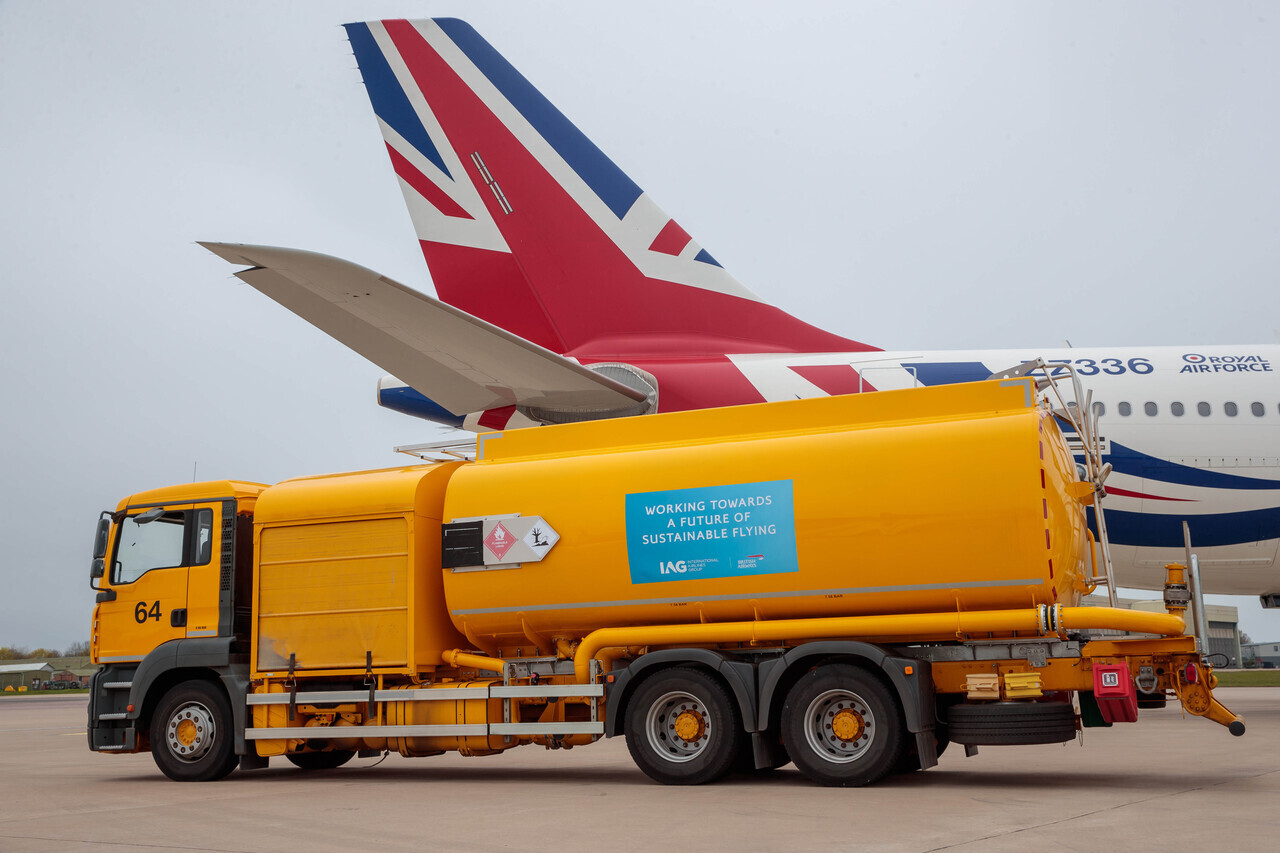
UK synthetic fuel company Zero Petroleum says it has recreated the properties of conventional Jet A-1 using carbon dioxide and green hydrogen—effectively air and water—enabling commercial aircraft to fly on synthetic fuel without requiring a fossil kerosene blend.
The Oxford-based company has developed and validated the chemistry for what it describes as a “100% replica” of Jet A-1 at its Plant Zero.1 research facility.
Zero claims every major measured property of the synthetic fuel falls within the World Survey range of conventional jet fuels already in service. The fuel is produced from captured carbon dioxide and green hydrogen through the company’s proprietary Direct FT process.
However, the fuel still has to complete the aviation industry’s qualification process before it can enter routine commercial use.
What it takes to make a Jet A-1 replica
Many current sustainable aviation fuel (SAF) pathways primarily produce paraffinic fuels, which are typically approved for blending with conventional kerosene and not for unrestricted use as neat fuel.
Zero’s approach is to manufacture synthetic fuel with the same range of properties as petroleum-derived Jet A-1, which can be a like-for-like substitute for the fossil fuel, requiring no blend.
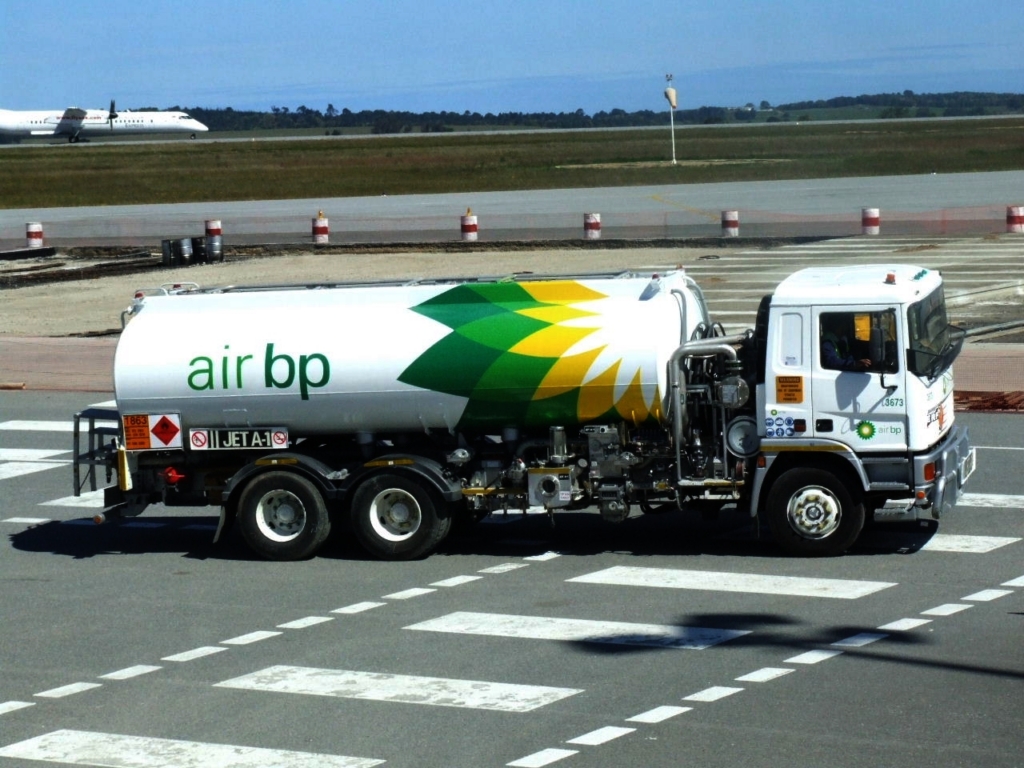
The company says its fuel reproduces hundreds of hydrocarbons contributing to more than 70 chemical and physical properties. These include energy content, density, freezing point, flash point, viscosity, thermal stability, lubricity, electrical conductivity and aromatic content.
Aromatics are an important part of conventional jet fuel because they affect fuel density, electrical characteristics and the behaviour of seals in aircraft fuel systems. Many existing synthetic SAFs contain few or no aromatics, which is one reason they must be blended with conventional kerosene.
“We set out to do the hardest thing first,” said Paddy Lowe, founder and CEO of Zero Petroleum. “Proving we can synthesise a 100% replica, matched property for property, is the moment that changes what is possible for aviation.”
Why the aircraft’s fuel gauge matters
Matching Jet A-1 involves considerably more than making a liquid that performs correctly inside a turbine.
Zero notes that the fuel’s composition also influences aircraft fuel quantity measurement. Large aircraft commonly use capacitance probes in their fuel tanks. The fuel’s electrical characteristics help the system determine how much fuel is on board. Zero says its synthetic Jet A-1 reproduces the dielectric properties of conventional Jet A-1 fuel through its synthetic aromatic compounds.
The company also reports a freezing point below -47°C and a flash point of at least 38°C, alongside appropriate conductivity, density and distillation characteristics.
Testing was carried out at Plant Zero.1, with analysis conducted by testing specialist Intertek. The UK SAF Clearing House supported the programme with funding from the Department for Transport. Zero says independent measurements confirmed that the major properties tested fell within the global range for jet fuel currently in service.
The UK SAF Clearing House independently confirms its support for Zero’s fuel development and qualification work. It has previously said its funding helped Zero accelerate laboratory development, pilot-plant work and fuel testing.
Zero’s Jet A-1 still needs ASTM certification
Matching the properties of Jet A-1 does not by itself mean Zero’s fuel is already approved for unrestricted use in commercial aircraft.
The UK SAF Clearing House has previously stated that there is no existing ASTM fuel standard or annex that covers Zero’s production process. The company therefore needs to establish an appropriate approval route.
The Clearing House explains that any new SAF must undergo a rigorous qualification process to demonstrate compatibility with aircraft, engines and fuel infrastructure before commercial use.

Zero has established partnerships with Airbus, Boeing and Rolls-Royce as it works towards aviation approval.
Rolls-Royce confirmed its partnership with Zero in 2023, saying the companies planned to demonstrate its engines using Zero synthetic fuels and gather engine-test data needed to support international fuel certification.
From Formula 1 to synthetic aviation fuel
Zero Petroleum was founded in 2020 by former Formula 1 engineering executive Paddy Lowe and Professor Nilay Shah of Imperial College London.
Lowe previously served in senior technical roles at Williams, McLaren and Mercedes. Zero combines that engineering background with chemical and process engineering to develop fossil-free synthetic fuels.
In 2021, the company earned a Guinness World Records title after a Royal Air Force-backed flight powered by its synthetic aviation gasoline.
The RAF has completed a pioneering Guinness World Record with the first flight of a fully synthetically fuelled aircraft, opening the way to the potential for zero carbon aviation. #RAFNetZero2040 #OneStepGreener #sustainability #GuinnessWorldRecords #GWRDay @GWR pic.twitter.com/2SpvFV8F02
— Royal Air Force (@RoyalAirForce) November 17, 2021
The new project tackles the considerably more complicated task of recreating Jet A-1.
Zero’s technology begins with carbon dioxide and hydrogen produced using renewable electricity. Its process converts these inputs into hydrocarbons rather than extracting them from crude oil. The company’s product portfolio includes synthetic gasoline, aviation gasoline, diesel and Jet A/Jet A-1.
The next challenge is making enough of it
Having demonstrated the chemistry, Zero now needs to move from research-scale production towards industrial volumes.
The company says Technip Energies has completed a Pre-FEED study for its first commercial-scale plant with support from the UK Advanced Fuels Fund.
The company would then need to scale up production and reduce costs of synthetic aviation fuels to meet the aviation industry’s needs. Producing green hydrogen requires substantial amounts of renewable electricity. Capturing and processing carbon dioxide adds further energy and infrastructure requirements.
Zero nevertheless argues that e-fuels have a long-term advantage because supplies of crops, waste oils or other biological feedstocks do not constrain their fundamental inputs. The company forecasts that its synthetic fuels could reach cost parity with fossil fuels in around ten years.
If Zero can complete qualification and scale the process economically, its approach could address one of SAF’s biggest limitations: creating a fossil-free fuel that behaves throughout an aircraft and its infrastructure just like the Jet A-1 fuel aircraft use today.
Sign up for our newsletter and get our latest content in your inbox.
Similar Reads





Sign up for our newsletter. Select all sectors relevant to you.
Related