ZeroAvia unveils world’s first compressor for aviation fuel cell systems
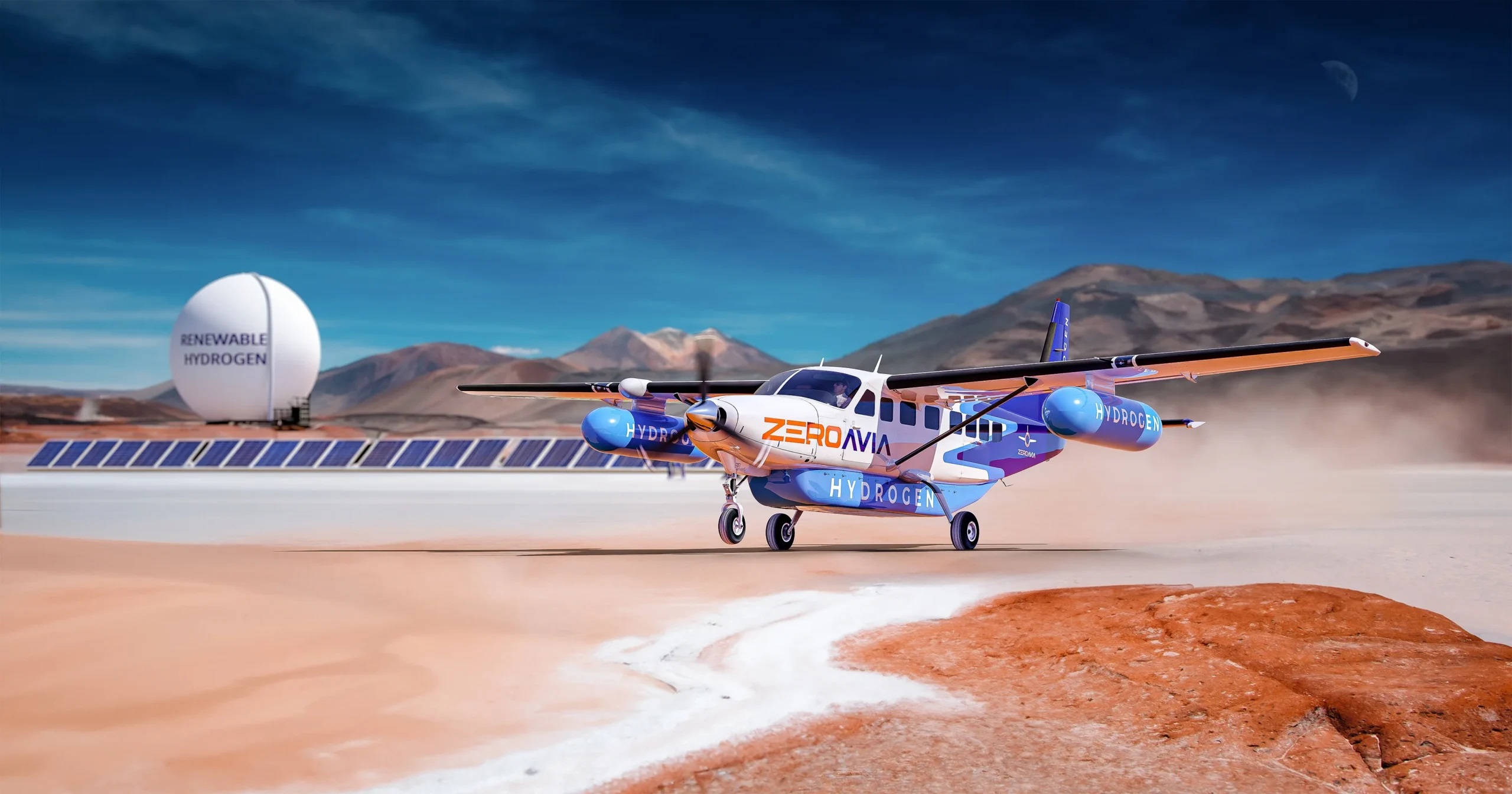
Image courtesy ZeroAvia
Hydrogen fuel cells promise to deliver true zero-emission flight by delivering electrification, but one key challenge is delivering the high flow of oxygen for the chemical reaction in the stacks to provide sufficient quantities of electricity to power the aircraft. At higher altitudes, air compressors need to be powerful and efficient, while not adding undue weight to the propulsion system and thus impacting payload and range.
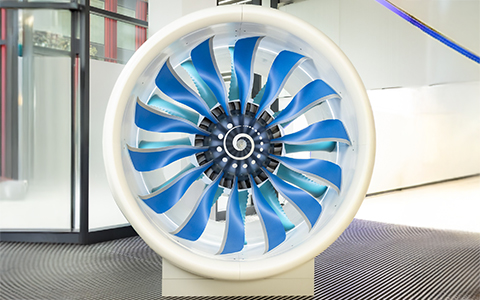
The compressor is a world first, designed and tested specifically to comply with all requirements pertaining to hydrogen fuel cell-powered aviation propulsion systems. ZeroAvia’s breakthrough enables the company to incorporate the technology as a core part of its first two hydrogen-electric engines: the ZA600 for 9-19 seat aircraft targeting entry-in-service by 2025, and the ZA2000 for 40-80 seat aircraft with EIS targeted for 2027.
Initial testing of the ZeroAvia compressor indicates that it offers highly stable performance across a large range of power and operating environment requirements. Supporting up to 900kW fuel cell systems, the compressor is many times more powerful than any existing fuel cell compressors and offers superior power density.

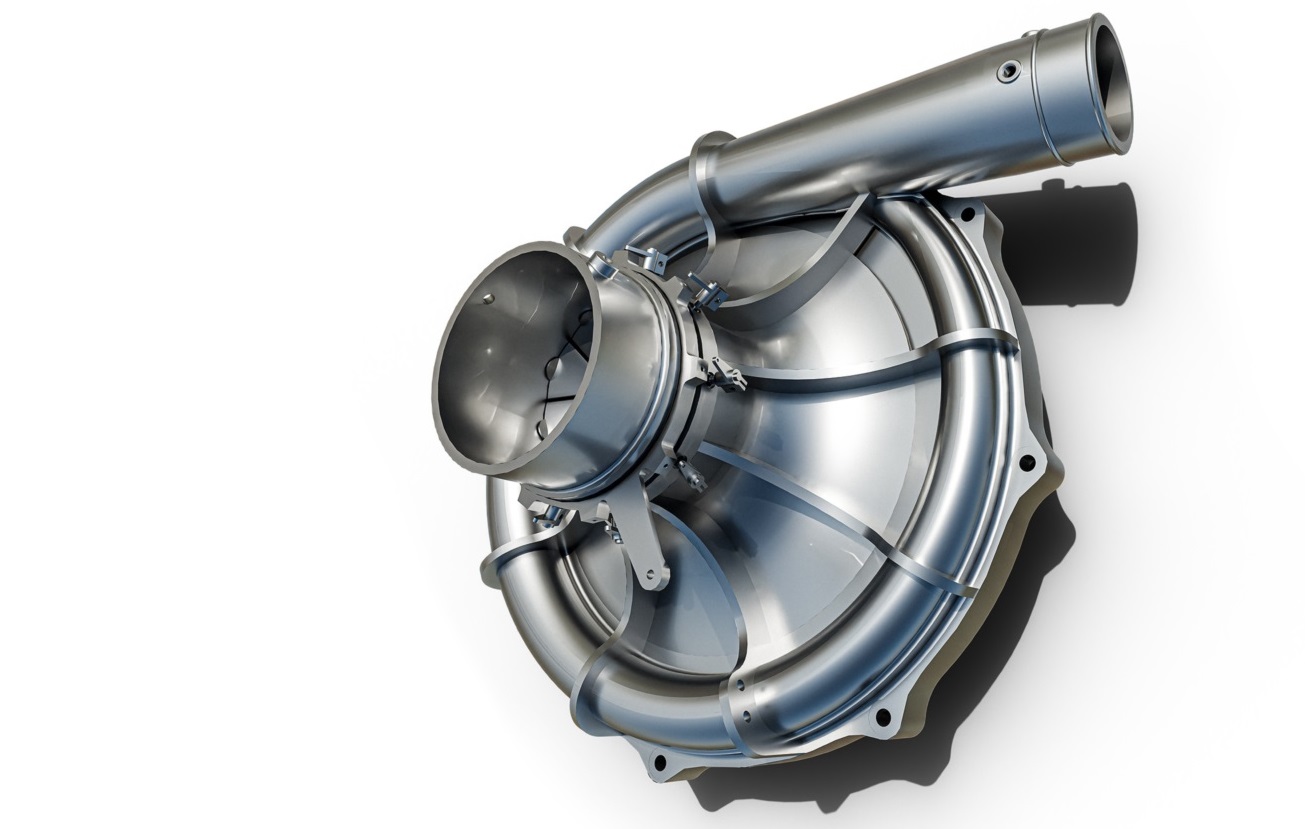
The ZeroAvia compressor has also been designed to operate with zero latency via an innovative flow management approach. The compressor runs on the power provided by the core electric propulsion system, eliminating the additional inverter and electric motor normally required in fuel cell systems. The resulting reduction in complexity will aid certification of ZeroAvia’s powertrains, and fewer components means further reduced weight and greater reliability.
This weight efficient system coupled with stable performance across a wide range of parameters makes ZeroAvia’s compressor technology an attractive solution for high-power and high-altitude transport applications. The compressor has been designed to meet all environmental conditions and aerospace standards and the company plans certification testing to begin over the course of the next year.
The performance to date is validation that ZeroAvia’s overarching powertrain will be capable of delivering large commercial, as well as environmental, benefits to airline operators. The company will also leverage the technology to enable enhanced testing of its HTPEM fuel cell stacks for ZA2000 and larger fixed wing and rotorcraft applications.
Rudolf Coertze, CTO Hydrogen, ZeroAvia, said: “The compressor technology we have designed is critical in delivering optimal performance in the final, certified ZA600 engine technology. Our compressor is an important component of our fuel cell power generation systems, and a world-leading technology advancement for clean aviation in its own right. This really is a major achievement for our turbomachinery engineers and another marquee moment for the company at large.”
ZeroAvia’s hydrogen-electric engines use hydrogen in fuel cells to generate electricity, which is then used to power electric motors to turn the aircraft’s propellers, with only water vapor emissions. The company has already signed pre-order agreements for nearly 2,000 engines with airlines including American, United and Alaska.
ZeroAvia is focused on hydrogen-electric propulsion and initially targeting a 300-mile range in 9–19 seat aircraft by 2025, and up to 700-mile range in 40–80 seat aircraft by 2027. Based in the US and the UK, ZeroAvia has already secured experimental certificates for its three prototype aircraft from the CAA and FAA, passed significant flight test milestones, secured a number of key partnerships with major aircraft OEMs and secured pre-orders for nearly 2,000 engines from a number of the major global airlines, with future revenue potential over $10 billion. ZeroAvia is also part of the UK Government’s Jet Zero Council.
To learn more about ZeroAvia’s first application - the ZA600 powertrain for Cessna Grand Caravan - download the whitepaper here