

How GCAP fits into the UK’s wider Future Combat Air System (FCAS)


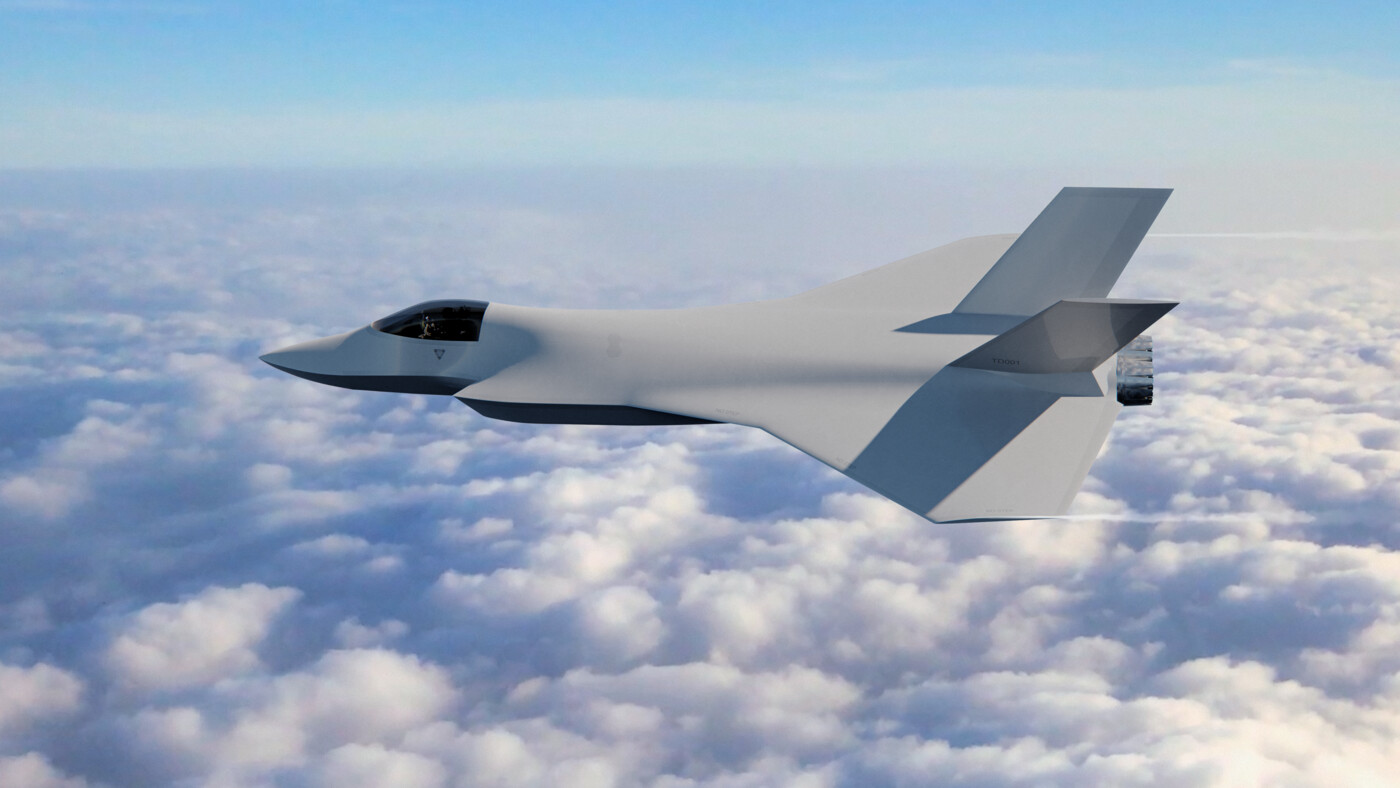
The first fighter demonstrator built in the UK in more than 40 years is underway, and it is set to be a generational leap over the existing Eurofighter Typhoons, while also complementing fleets of F-35 Lightning II stealth fighters.
But there is an important distinction to make between two programmes called FCAS and GCAP.
What is the difference between FCAS and GCAP?
FCAS (Future Combat Air System) is the broader British requirement and programme, while GCAP (Global Combat Air Programme) is the core international programme within the larger FCAS.
BAE Systems states, “The UK’s Future Combat Air System (FCAS) Programme is the nation’s long-term strategy for future air power superiority and maintaining credible control of the air as a deterrent through the introduction of a next-generation sovereign combat air capability.”
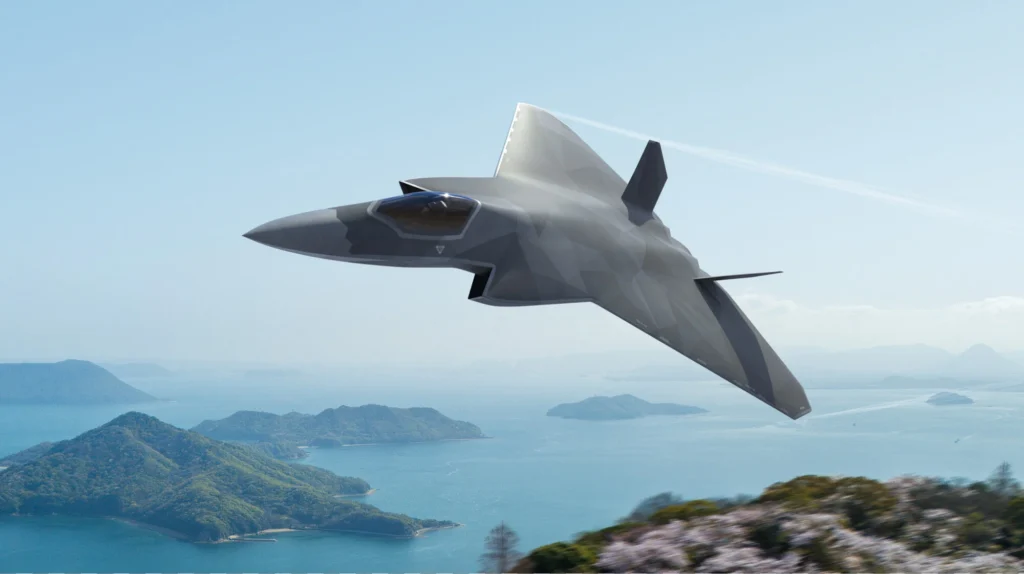
The Defence Investment Plan specifically calls GCAP the heart of FCAS. The aircraft will be known as Tempest in UK service. It is intended to be a larger, high-end next-generation air-superiority fighter
GCAP/Tempest is intended to function as a central node in a much larger, highly networked combat system, connecting crewed and uncrewed aircraft, sensors, weapons and other assets into a distributed kill web.
What is the UK’s Future Combat Air System (FCAS)?
The closest US analogue to the UK’s FCAS is the US Air Force’s NGAD family-of-systems concept that includes the F-47 next-generation fighter jet and the Collaborative Combat Aircraft (CCAs). FCAS includes GCAP, the unmanned collaborative aircraft, weapons, sensors, networks and data, and supporting digital infrastructure.
ADS Advance has recently reported that the upcoming BAE Systems Brontanax is considered a leading British CCA candidate for the programme. Although it appears the aircraft will not have a sovereign British Rolls-Royce engine.
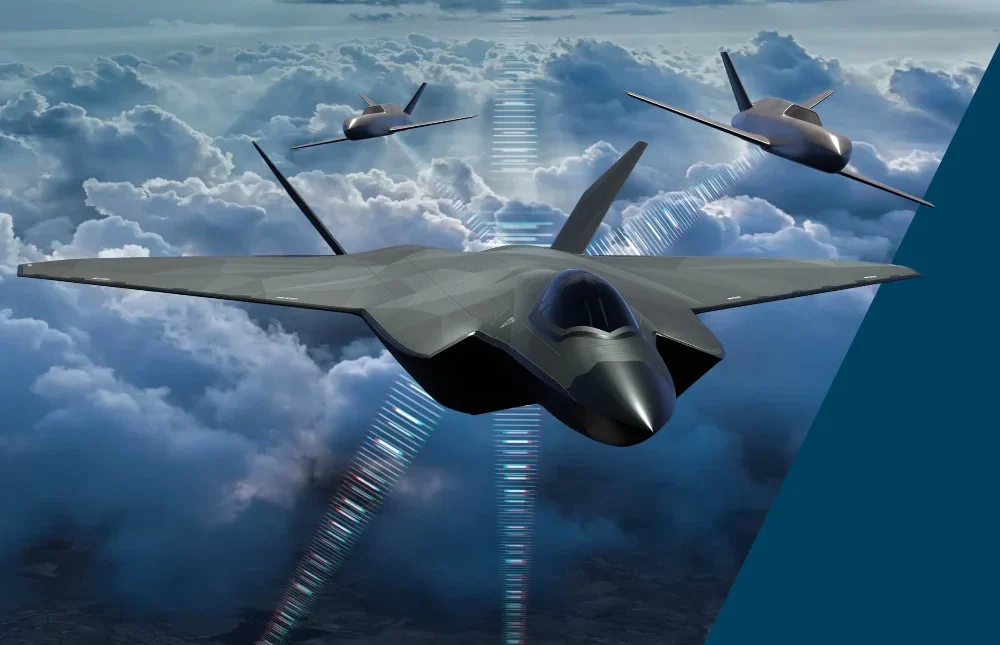
The UK, Italy, and Japan may all be working to develop the GCAP fighter jet, but each country may elect to pair it with different CCAs and other supporting systems. Thus, while GCAP is a multinational programme, the UK’s FCAS is a British national programme built around it
Can the GCAP Tempest fighter enter service before 2035?
The stated targeted date for GCAP to enter service is 2035. However, in July, Leonardo suggested it could come into service a couple of years earlier or around 2033. It is believed to be pushed for by Japan, which considers its need to replace its F-2s (an F-16 derivative) a matter of urgency with the rise of Chinese fighter jets.
By comparison, the UK expects Typhoon and F-35 to remain central to its combat-air capability well into the 2030s, and is generally viewed as facing less urgency than Japan to introduce a next-generation fighter.
Which countries could join GCAP and when is the deadline?
In July, the UK Defence Journal reported that Leonardo CEO Lorenzo Mariani said that if another country were to join the GCAP programme, then that needs to happen by the end of 2026, with mid 2027 being a sort of deadline. Canada has recently joined as an observer.
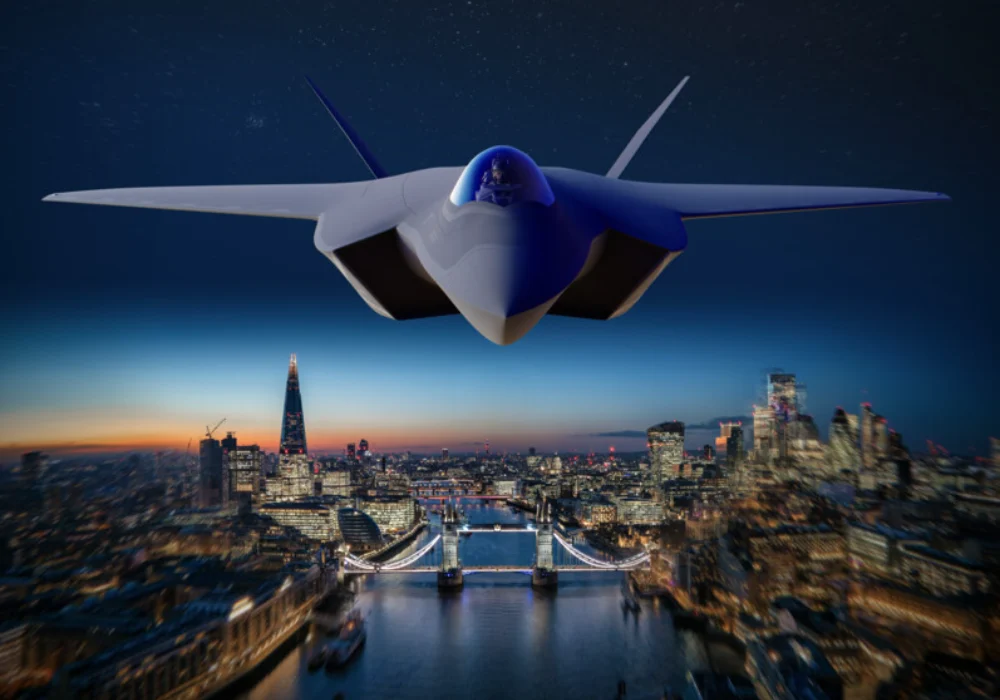
Having terminated its agreement with France to build a next-generation fighter jet (also confusingly called FCAS), Germany is exploring its options. At this point, work sharing with the core GCAP fighter is already substantially complete. Many analysts consider the greatest potential for a large German role to be in the larger eco-system rather than the GCAP core.
Germany may be well positioned to contribute to the CCA program, autonomous mission systems, electronic-warfare drones, ISR/sensor drones, weapons, and more. Germany’s Hensoldt and Airbus are two of Europe’s CCA leaders.
Sign up for our newsletter and get our latest content in your inbox.
Similar Reads


Sign up for our newsletter. Select all sectors relevant to you.
Related