Lockerbie bombmaker’s trial could mark longest wait for justice in commercial aviation history


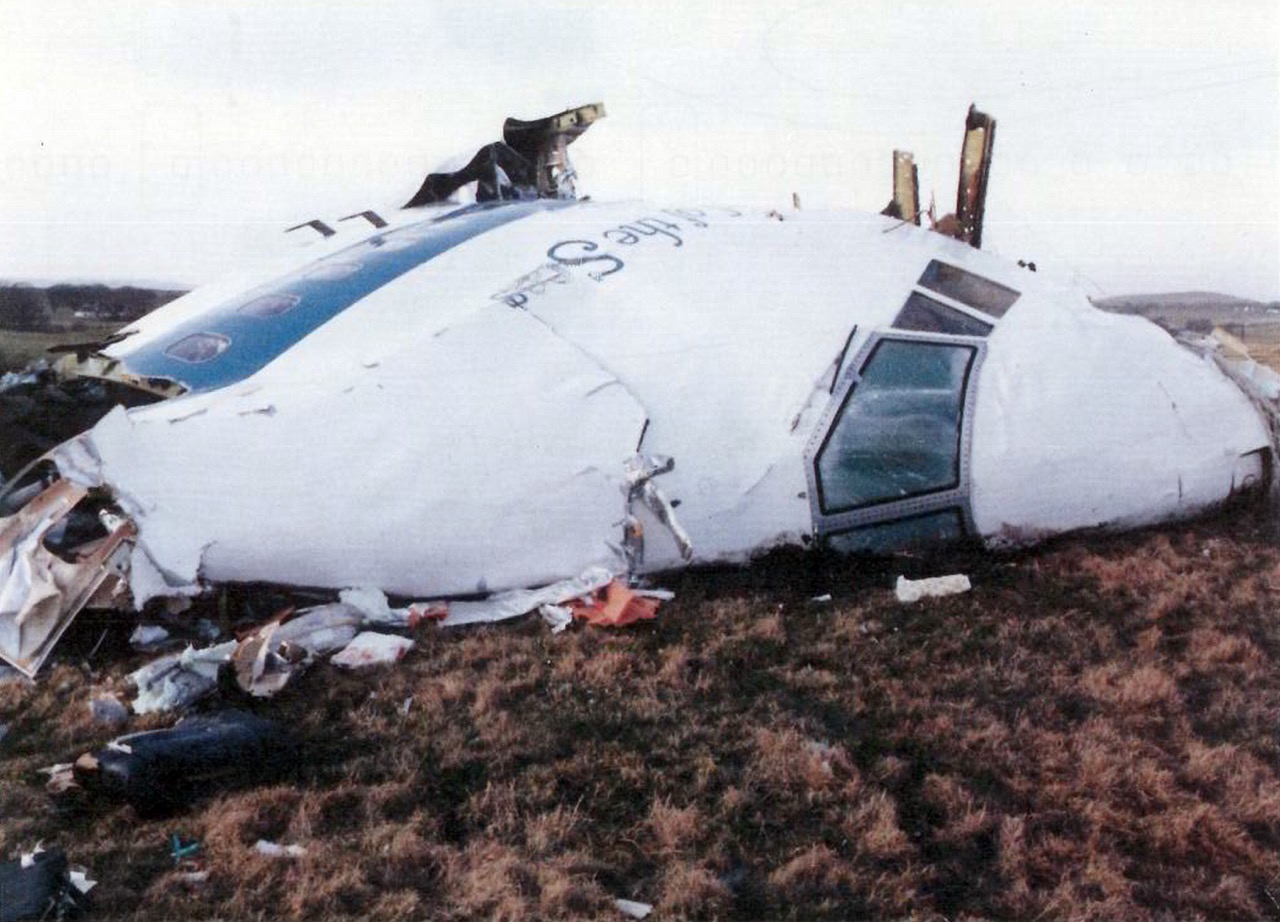
When Abu Agila Mohammad Mas’ud Kheir Al-Marimi eventually goes on trial over the Lockerbie bombing, it could mark perhaps the longest wait between an attack on a commercial aircraft and the trial of someone accused of directly carrying it out.
Nearly 38 years have passed since Pan Am Flight 103 was destroyed over Lockerbie, Scotland, on 21 December 1988.
Mas’ud had been due to go on trial in Washington this week. However, as reported by Reuters, US District Judge Dabney Friedrich postponed proceedings after prosecutors disclosed newly discovered evidence that defence lawyers need time to examine.
No new trial date has yet been set. A hearing is scheduled for 1 September to discuss what happens next.
A review of some of aviation’s most significant terrorism prosecutions suggests that Mas’ud may now have waited longer than any other person alleged to have carried out an attack on a commercial aircraft to face trial.
What is Mas’ud accused of doing?
Mas’ud, a former Libyan intelligence operative who is now in his mid-70s, has pleaded not guilty and the allegations against him remain unproven.
US prosecutors accuse him of being a technical expert in explosives for Libya’s External Security Organisation and of building the bomb used against Pan Am Flight 103.
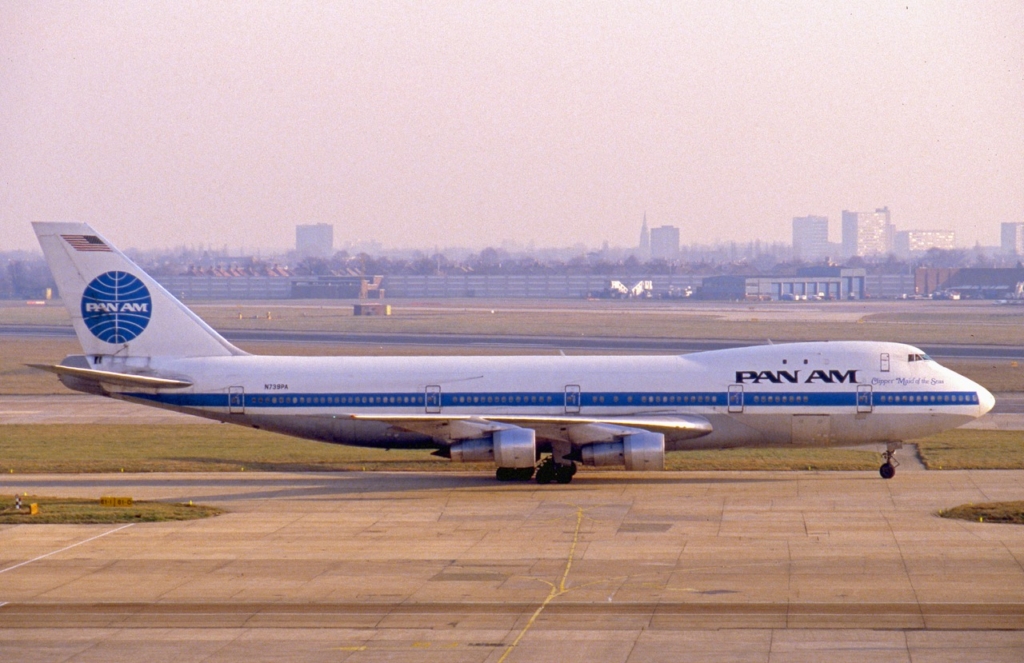
According to the US Department of Justice, Mas’ud was allegedly ordered to travel to Malta with a prepared suitcase containing an explosive device. Prosecutors allege that the bomb was ultimately introduced into the baggage system and transferred onto the Boeing 747 operating Pan Am 103.
The aircraft was flying from London Heathrow to New York when it exploded over Lockerbie. All 259 passengers and crew were killed, along with 11 people on the ground.
Mas’ud was charged by the US in December 2020 and was brought to the United States in 2022. Prosecutors say he previously confessed to involvement in the bombing while imprisoned in Libya, but his defence disputes that evidence and maintains his innocence.
He is not the first person to be tried over Lockerbie. Abdelbaset al-Megrahi and Lamin Khalifah Fhimah went on trial before a Scottish court sitting at Camp Zeist in the Netherlands in May 2000, just over 11 years after the bombing. Megrahi was convicted, and Fhimah acquitted.
Air India Flight 182: nearly 18 years
The bombing of the Boeing 747 operating Air India Flight 182 over the Atlantic on 23 June 1985 killed all 329 people aboard. It marks the deadliest terrorist attack in Canadian history.
Ripudaman Singh Malik and Ajaib Singh Bagri were eventually charged in 2000. Their trial began in British Columbia on 28 April 2003 — almost 18 years after the aircraft was destroyed. Both were ultimately acquitted.
A third defendant, Inderjit Singh Reyat, pleaded guilty in February 2003 to manslaughter for aiding or abetting the construction of the explosive placed aboard Flight 182.
Even this lengthy investigation resulted in trials or guilty pleas in less than half the time after the attack, as Mas’ud has awaited trial for Lockerbie.
Pan Am Flight 830: about 20 years to a US conviction
Another unusually protracted case followed the bombing of Pan Am Flight 830 on 11 August 1982.
A bomb exploded aboard the Boeing 747 as it approached Hawaii on a flight from Tokyo, killing a 16-year-old Japanese passenger and injuring others. The aircraft nevertheless landed safely in Honolulu.
Mohammed Rashed was accused of placing the bomb. He was arrested in Greece in 1988 and, following separate proceedings there, was convicted in 1992 — about nine and a half years after the attack.
Rashed was taken into US custody in 1998 and pleaded guilty in Washington in December 2002, more than 20 years after the bombing. He was sentenced in 2006.
UTA Flight 772: nearly a decade
UTA Flight 772 was destroyed by a bomb over Niger in September 1989, killing all 170 people aboard.
French investigators eventually charged six Libyans with involvement in the attack. The suspects were not extradited to France, meaning the proceedings took place without them present.
They were tried in absentia in Paris in 1999 and convicted, putting the interval between bombing and trial at roughly nine and a half years.
Ustica has waited longer for justice than Lockerbie, but no individual was ever charged
Few aviation disasters have generated legal proceedings lasting as long as the loss of Itavia Flight 870 near Ustica in June 1980.
The cause of the DC-9’s destruction remains one of Italy’s most controversial aviation mysteries, and investigations and litigation continued for decades.
However, the criminal proceedings that emerged from the case largely concerned allegations that military officials withheld information, falsified records or otherwise obstructed investigations.
More than four decades later, there has not been a criminal trial of anyone identified and accused of personally attacking and destroying Flight 870.
Concorde Flight 4590 is a different kind of long case
The Concorde crash outside Paris in July 2000 is sometimes cited as another example of a long delay before an aviation case reached court.
Continental Airlines and several individuals went on trial in France in 2010, almost a decade after Air France Flight 4590 crashed, killing 113 people.
But that prosecution concerned alleged criminal responsibility for an aviation accident, not a deliberate attack.
Lockerbie’s nearly 38-year gap is exceptional
There is no comprehensive international record of aviation criminal trials ranked by the time elapsed since an attack. Still, aside from Ustica, where no individual was ever tried as the attacker, Mas’ud’s case might be the longest so far.
Lockerbie’s original trial of the individuals accused of placing the bomb on the aircraft began a little over 11 years after Pan Am 103 was destroyed.
Mas’ud is accused of personally helping execute the Lockerbie attack by constructing its bomb. If his case ultimately reaches trial after the latest postponement, almost four decades will have elapsed since the Boeing 747 fell from the sky.
That makes Lockerbie potentially the longest wait in commercial aviation history for the trial of an alleged direct participant in an attack.
Sign up for our newsletter and get our latest content in your inbox.
Similar Reads

Sign up for our newsletter. Select all sectors relevant to you.
Related