Can apprenticeships solve the aerospace skills shortage?


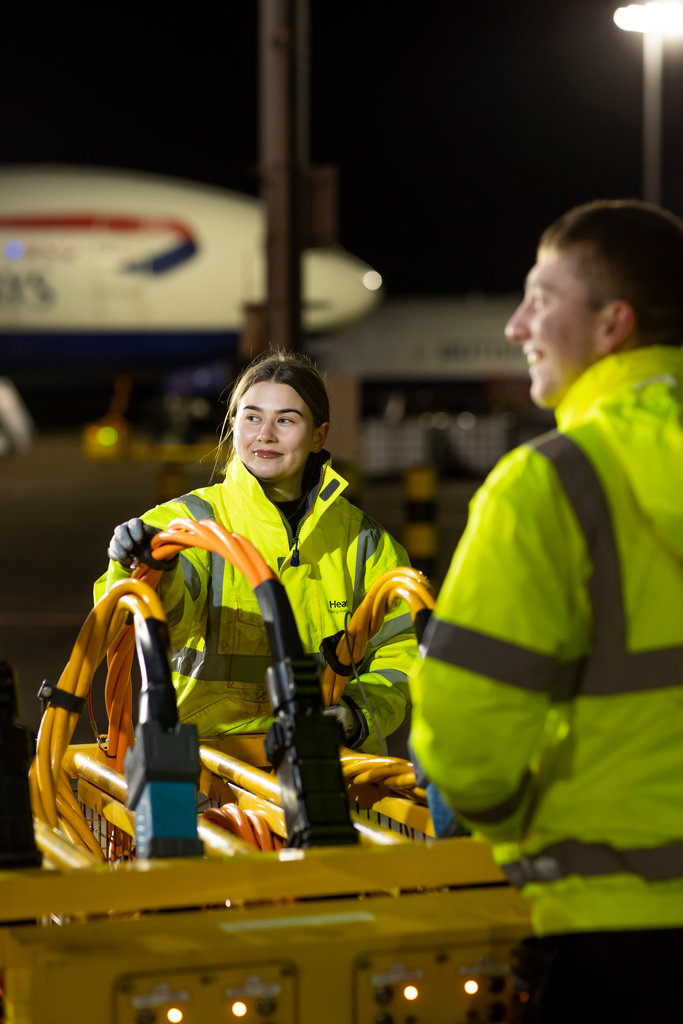
The UK aerospace skills shortage needs more than just extra job adverts. Manufacturing aircraft and their components requires years of specialist knowledge across precision engineering, materials science, maintenance, inspection and digital production.
As experienced workers become harder to find, training new people is vital to the industry’s future.
The scale of the challenge is huge. ADS reported in August 2026 that 66% of aerospace employers faced persistent workforce and skills shortages. Across the four sectors, the UK has an average of 10,000 unfilled technical vacancies each year. Separately, Skills England estimates that advanced manufacturing and defence will need another 6,000 aerospace engineers between 2025 and 2035.
These figures cover different groups, but together they really show the pressure on employers to build their future workforce.
Training takes time and investment
Apprenticeships offer a direct way to develop people with the skills manufacturers actually use. An apprentice can learn alongside experienced colleagues, achieve recognised qualifications and become familiar with the equipment, processes and quality standards required in aerospace. The route also opens technical careers to people who may not choose a conventional university degree.
Yet an apprenticeship is not a quick fix. Employers must pay wages, provide supervision and allow time for training, often while trying to meet demanding production schedules. These commitments can be particularly difficult for smaller suppliers, where losing even one experienced employee’s time can affect daily operations.
Any perception of a gender pay gap in aviation must also urgently be addressed.
Specialist aviation is particularly suffering. When Airbus Helicopters launched its UK training academy at Oxford Airport in July 2026, Richard Atack, managing director of Airbus Helicopters in the UK, highlighted the shortage of qualified personnel and the regulatory challenges facing the sector.
“We are seeing a shortage of technical rotary wing specialists in the UK, further impacted by the added workload to industry and the lack of mutual recognition between CAA and EASA,” Atack said.
He added that the academy formed part of “a long-term vision to ensure critical services to support the UK’s rotary wing fleet” and would help strengthen Britain’s position in specialist helicopter training.
The academy expects more than 400 pilots, engineering technicians and aerospace leaders to pass through each year and offers apprenticeship pathways from Level 3 to Level 6. It is a practical example of an employer investing in the training infrastructure needed to develop specialist expertise. However, not every company has the resources to establish its own academy.
Partnerships between manufacturers, colleges and training providers, alongside shared facilities and accessible funding, could help smaller suppliers offer apprenticeships too. Without that support, businesses under the most pressure to fill vacancies may be the least able to invest in developing new recruits.
Finding the next generation
There is also the question of who applies in the first place. Aerospace competes with other industries for people with engineering, digital and technical skills, while many young people have limited awareness of the range of jobs involved in making and maintaining aircraft.
ADS launched its 2026 There’s Aerospace For You campaign to encourage more young people into the industry. Its research found that 60% of young people would not consider a career in manufacturing, suggesting many may not realise how much technology and advanced engineering the sector now involves.
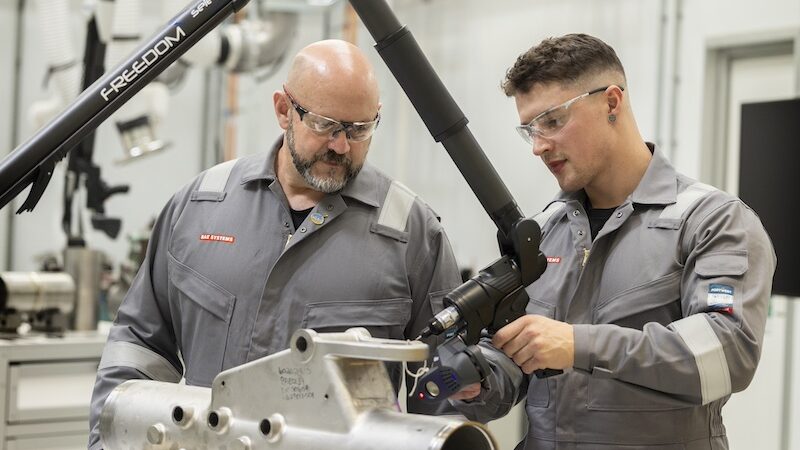
Employers need to reach young people earlier by working with schools and colleges, offering visits and showing them what the jobs involve. They should also explain the qualifications, working conditions and career opportunities available.
Apprenticeships need to be seen as a valuable route into a skilled career in their own right, rather than simply an alternative to university.
What happens after qualification?
Taking on apprentices is only the first step. If qualified workers leave for better pay or career opportunities, employers lose both skilled people and their investment in training.
Apprenticeships alone will not solve the skills shortage. The industry will still need experienced workers and training that keeps pace with new technology, as well as clear routes to promotion to help retain workers.
Success depends on how many apprentices qualify, build careers and stay in aerospace. Employers, colleges and government need to work together over the coming years to make that happen.
Sign up for our newsletter and get our latest content in your inbox.
Similar Reads




Sign up for our newsletter. Select all sectors relevant to you.
Related