CAA backs plan to open UK airspace to stratospheric aircraft


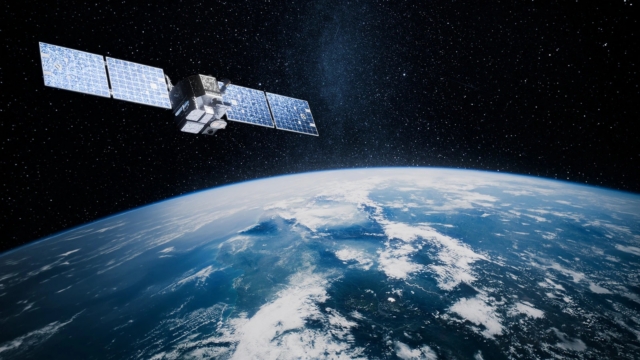
As a new generation of ultra-high-altitude aircraft moves closer to commercial deployment, the UK aviation sector is addressing a key challenge: how to integrate them safely into existing airspace.
A new programme, backed by the Civil Aviation Authority (CAA), aims to create the blueprint for routine stratospheric operations from UK airports.
Cambridge-based World Mobile Stratospheric (WMS), supported by airspace specialists envAero and Trax International, has secured funding from the CAA’s Airspace Modernisation Strategy Support Fund to deliver Project STRATA (Stratospheric Airspace Traffic Architecture) .
The seven-month programme, running from September 2026 to April 2027, will define how high-altitude aircraft can operate routinely and safely alongside today’s air traffic.
UK airspace “needs to be ready”
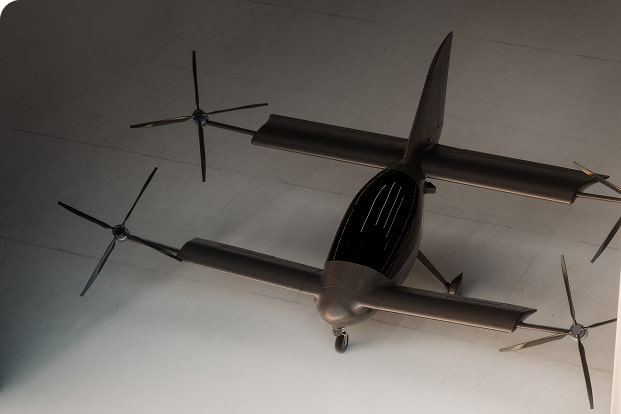
After more than a decade of development, high-altitude platforms like WMS’ Stratomast are approaching routine operation and UK airspace needs to be ready.
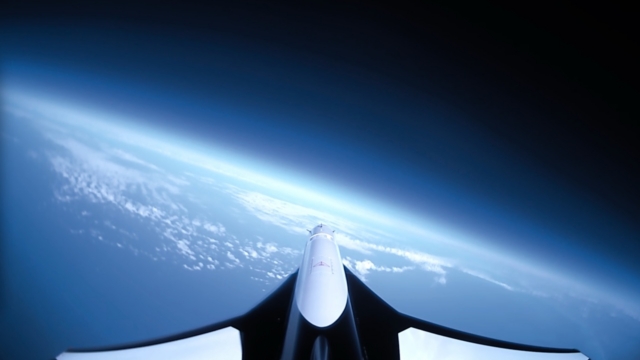
Stratomast is a liquid-hydrogen-powered, remotely piloted high-altitude platform designed for ultra-long-endurance, station-keeping operations at approximately 60,000 ft, above conventional air traffic delivering wide-area direct-to-device 4G and 5G mobile connectivity. Stratomast will also offer earth observation and sensing capabilities.
The programme builds on more than £100 million of development to date and successful demonstrations, including the world’s first 5G calls from the stratosphere.
Setting out a practical blueprint for routine high-altitude operations
At present there is no routine way for such aircraft to reach the stratosphere from UK airports. Project STRATA will produce an Airspace and Air Traffic Management (ATM) Integration Blueprint and Roadmap to set out the procedures, technologies, data services and coordination arrangements needed for routine high-altitude operations in UK airspace.
This project, endorsed by NATS, the UK’s en-route air navigation service provider, will engage regulators, airports, airlines, general aviation and the military. Its outputs will be shared with the CAA, NATS and the wider industry, giving every future UK high-altitude operator a head start. STRATA will also examine whether stratospheric platforms could be used to strengthen the wider aviation sector, by relaying surveillance signals (ADS-B) to improve coverage and safety for all airspace users.
How the project encompasses the wider aims of UK aviation
Project STRATA also strives towards the UK’s wider ambitions for cleaner aviation. Stratomast is powered by liquid hydrogen and WMS is already working with the CAA through its Hydrogen Challenge and Hydrogen Regulatory Sandbox on the certification and operational readiness of hydrogen-powered aircraft. STRATA’s airspace work will run alongside and remain consistent with that programme.
For the wider aviation community, the project is designed to protect what already works: predictable controlled airspace, no disruption to commercial flights and no transfer of costs onto existing airspace users as stratospheric operations begin to scale up.
Richard Deakin, CEO, World Mobile Stratospheric, said: “High-altitude platforms have the potential to transform connectivity, sensing and other critical services. The team at WMS is thrilled to be able to build on our thought leadership work for ICAO, to ensure the UK is ready to support routine stratospheric operations safely and at scale through this work on Project STRATA.”
The delivery team
WMS leads the project, bringing the operator’s perspective and a decade of high-altitude platform expertise, whilst envAero and Trax International will lead airspace, ATM and stakeholder engagement activities, helping ensure the resulting framework is practical, evidence-based and applicable across the wider high-altitude aviation sector.
Sign up for our newsletter and get our latest content in your inbox.
Similar Reads



Sign up for our newsletter. Select all sectors relevant to you.
Related