

UK unveils £7.8bn space strategy as threats in orbit grow


The UK will invest more than £3 billion in military space capabilities and develop an integrated national satellite communications system under a new £7.8 billion strategy aimed at strengthening the nation’s ability to operate and defend its assets in space.
The UK Space Strategy, published on September 8, brings defence, national security, civil space and industrial programmes into a single plan through 2030. It replaces the National Space Strategy published in 2021.
The government has allocated £880 million to space control and intelligence, surveillance and reconnaissance capabilities. These will support the tracking of military activity on Earth as well as potential threats to British and allied satellites.
Another £2.8 billion will support satellite connectivity, including the Connectivity in Low Earth Orbit programme and SKYNET, which provides secure communications for British forces worldwide.
The government also plans to design a resilient, integrated national satellite communications system. It will begin coordinating the way departments buy and develop space technology, starting with satellite communications.
UK builds up its ability to detect activity in orbit
The strategy includes £85 million for the National Space Operations Centre and £149 million for the European Space Agency’s Vigil mission.
The National Space Operations Centre is already responsible for monitoring activity in orbit. In May, the government brought its Borealis space awareness software into operation six months ahead of schedule. The system brings together information from several sources to track satellites, debris and potentially threatening objects.
Britain’s Noctis-1 military telescope also feeds imagery and data into Borealis. The telescope can observe objects in Earth orbit and provide position information on UK satellites, helping operators assess collision risks and other threats.
The additional investment announced under the new strategy is intended to improve warning of satellite collisions, hostile activity and solar storms.
Defence Secretary Wes Streeting said Britain’s increasing reliance on space required the ability to protect access to it.
“This space strategy recognises that our national security depends on our freedom of action in space and, if necessary, the ability to protect UK and allied space assets. As threats in orbit grow more sophisticated, so must our ability to detect and respond to them, ensuring we protect the interests of the UK and allies while fuelling economic growth along the way.
“Backed by the Defence Investment Plan, we’re investing more than £3 billion to ensure our defence capabilities in space keep pace with the threats we face, supporting reindustrialisation and creating opportunities here in the UK.”
SKYNET forms part of a wider communications plan
The new strategy incorporates military programmes that were already in development rather than presenting them as new projects.
The 2021 National Space Strategy committed £5 billion over ten years to military satellite communications and £1.4 billion to other technologies and capabilities.

SKYNET 6 is the Ministry of Defence programme developing the next generation of military satellite communications. It covers satellites as well as the equipment and services needed to monitor, protect and operate them.
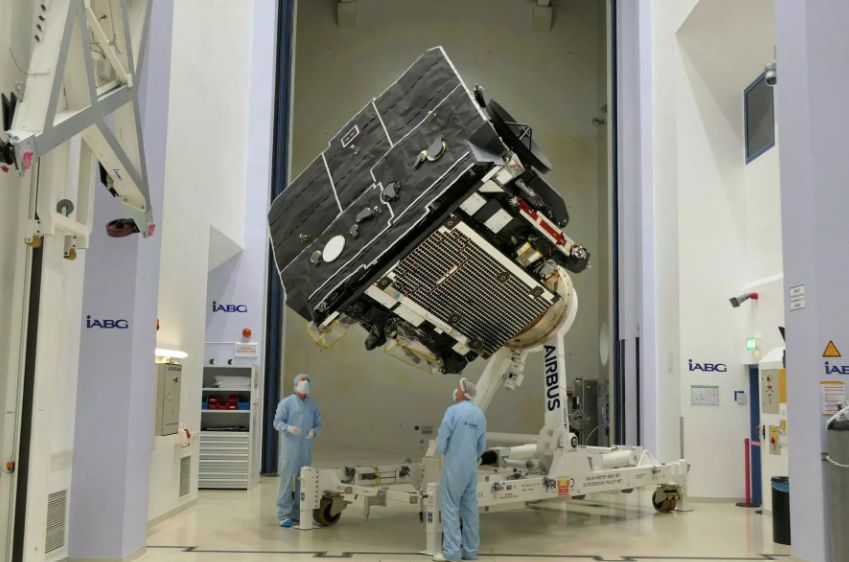
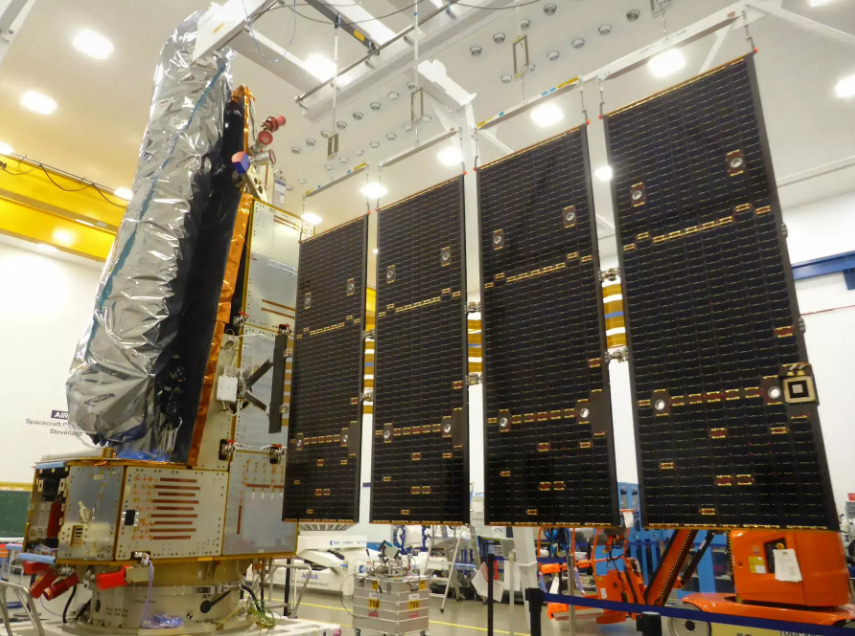
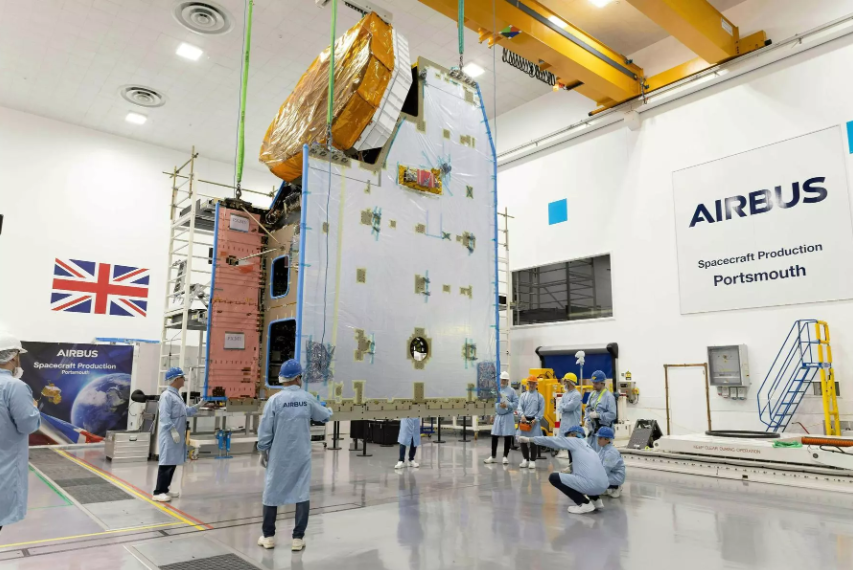
SKYNET 6A, being built by Airbus Defence and Space UK, is scheduled for launch in 2027. The wider programme is intended to combine sovereign military satellites with commercial and allied satellite communications.
Under the September strategy, SKYNET now sits within the £2.8 billion connectivity package alongside civilian programmes.
UK backs launch and in-orbit capabilities
Britain will also put £148 million into European rocket programmes and £30 million into SaxaVord Spaceport in Shetland, as the government seeks greater access to launch capability from Britain and Europe.
A further £40 million will support in-orbit servicing, assembly and manufacturing. The technologies are intended to allow satellites to be maintained or repaired in orbit and support the removal of dangerous debris.
Doug Liddle, Chair of the trade association UKspace, said the new Space Strategy “sets out a constructive path towards a refreshed approach to space in the UK, which we hope will result in a stronger emphasis on open, inclusive cross-sector dialogue. The new, focussed strategy offers a valuable opportunity to create a more streamlined framework, strengthen collaboration and deliver greater impact across the UK space sector.”
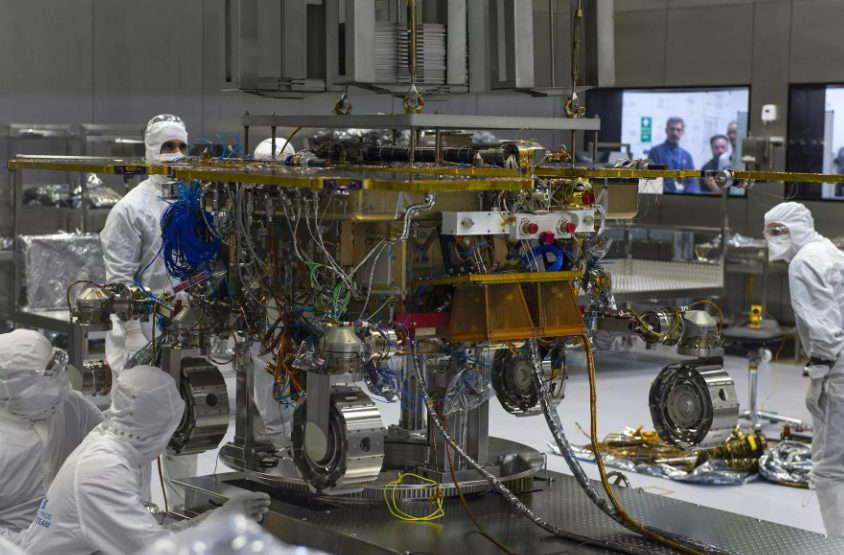
The government has also allocated £163 million to space science and exploration, including delivery of the UK-built Rosalind Franklin Mars rover. UK Research and Innovation will provide £190 million for astronomy and space science research, while the Met Office will receive £9 million for space weather forecasting.
Simon Brown, Met Office Managing Director, said, “Space-based observations are critical for delivering weather forecasts and climate intelligence that people rely on every day to stay safe and grow the economy of the UK. Advancements in space observations are allowing us to improve our weather forecasts and also give us new imagery which helps us show the impacts of other hazards such as wildfires and drought which we have seen this summer.”
The Department for Transport will provide another £57 million to improve rail connectivity using satellite communications.
Alongside the investment, the government plans regulatory changes intended to reduce costs for operators and make it easier to conduct emerging missions including satellite servicing and lunar exploration.
Business, Innovation, Science and Trade Secretary Jonathan Reynolds said: “As space becomes a new frontier of economic and military competition, this plan will help keep Britain secure by strengthening our ability to launch satellites, detect threats and protect the services people rely on every day.”
He added: “At the same time, this plan will enable our excellent UK industry to seize the boundless opportunities of this new age in space, creating skilled jobs, driving growth and improving connectivity for all of us.”
The government says the strategy will provide a single framework for its defence, civil and commercial space programmes through 2030.
Kevin Craven, CEO of the ADS Group, said: “We welcome the publication of the new space strategy, and the sustained effort to bring a cross-government perspective to space capability delivery. It is important that the government maintains an open, transparent and ambitious partnership with industry to realise its national security and growth goals.
“Certainty allows the sector to operate at pace and for its industrial base to make long-term strategic and commercial commitments. It is also a vital signal of intent to our international partners for trade and collaboration. ADS looks forward to supporting the government on the crucial next steps for implementation.”
Sign up for our newsletter and get our latest content in your inbox.
Similar Reads




Sign up for our newsletter. Select all sectors relevant to you.
Related