

From 66 aircraft to £62.9 billion: The extraordinary evolution of Farnborough International Airshow

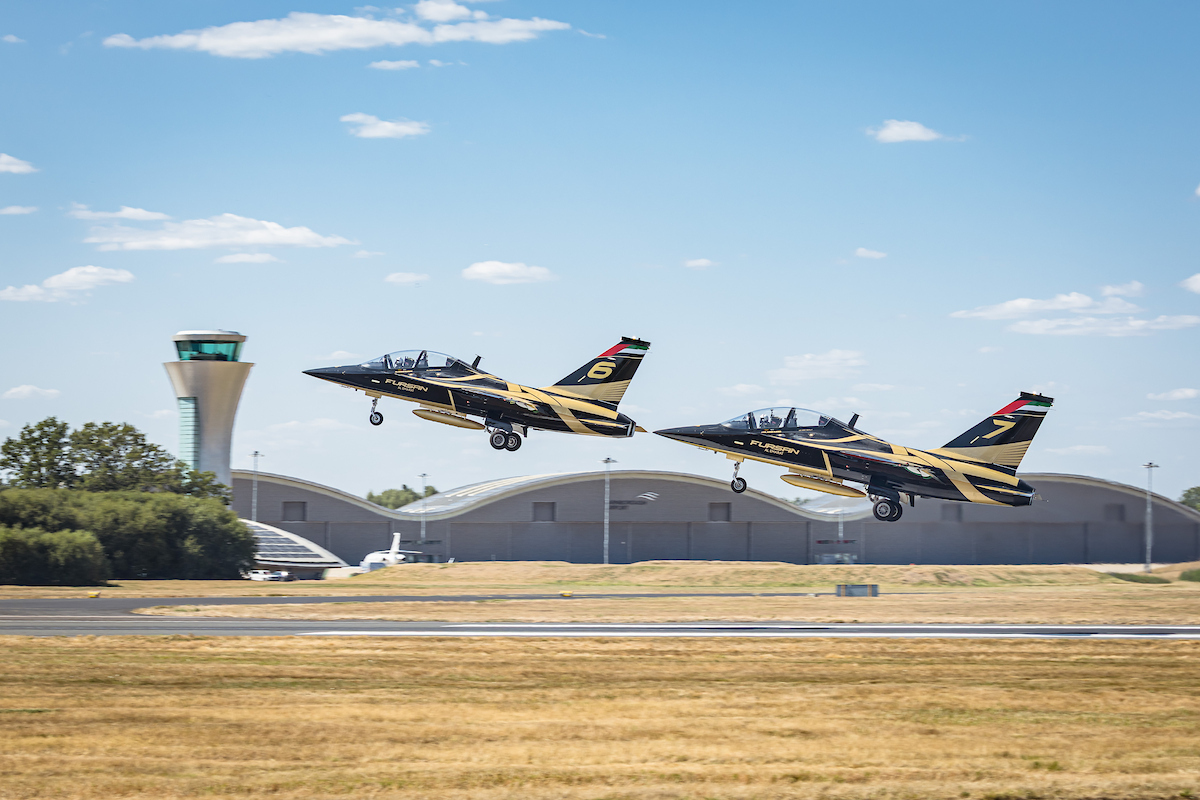
Farnborough has been a fixture of the UK aerospace industry for 78 years, evolving from a showcase for Britain’s post-war aircraft manufacturers into a major international marketplace for aerospace, defence and space.
The show has changed dramatically during that time, but its role as a place where industry meets, deals are done and new technology is put in front of the world has remained consistent.
To mark 78 years since the first Farnborough International Airshow, here’s a closer look at the first Farnborough airshow – and how it laid the foundations for one of aerospace’s most influential industry events.
From UK aircraft showcase to international event
The roots of Farnborough International go back to the Society of British Aircraft Constructors (SBAC), which had staged aviation exhibitions before the Second World War.
After the war, the SBAC shows returned at Radlett in Hertfordshire. Yet the rapidly developing British aircraft industry needed more space, meaning attention turned to Farnborough.
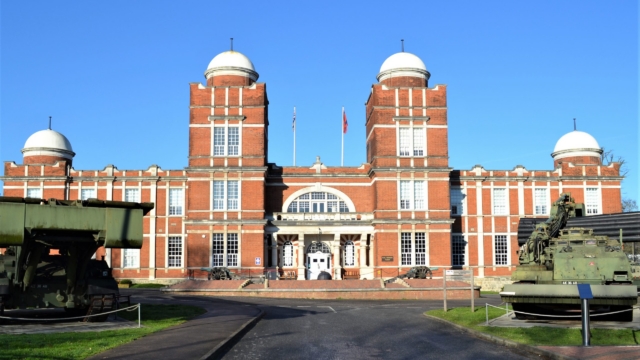
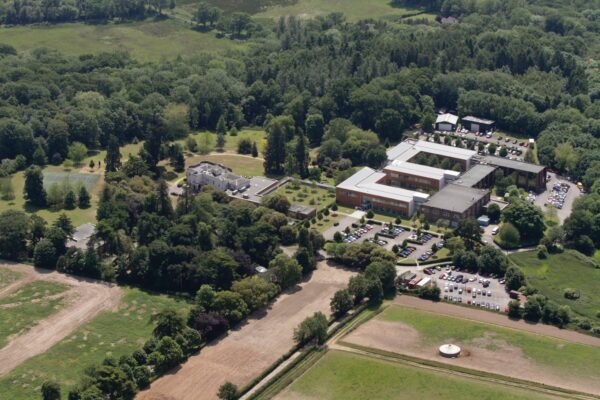
The Hampshire site already had a significant place in aviation history. It was home to the Royal Aircraft Establishment and had been associated with some of Britain’s earliest aviation experiments.
The first Farnborough show ran from 7-12 September 1948, with 66 British aircraft on display. This gave visitors a chance to see the latest developments from an industry that was central to Britain’s post-war industrial ambitions.
Foreign participation increased during the 1960s and, in 1962, the decision was taken to move to a biennial format. Farnborough was increasingly becoming an international aerospace showcase rather than an event focused solely on British manufacturers.
The commercial side of the show continued to develop, too. Farnborough International Limited was established in 1974, providing the organisation behind the event with a more defined commercial footing.
Farnborough International Airshow: Where aircraft history was made
For aerospace enthusiasts, Farnborough’s history is packed with memorable aircraft and demonstrations.
In 1958, the RAF’s Black Arrows flew a record-breaking formation loop involving 22 Hawker Hunters. The display remains one of the most famous moments in the show’s history. And then came Concorde.
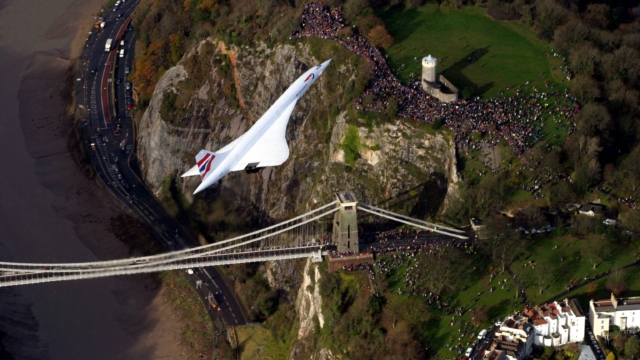
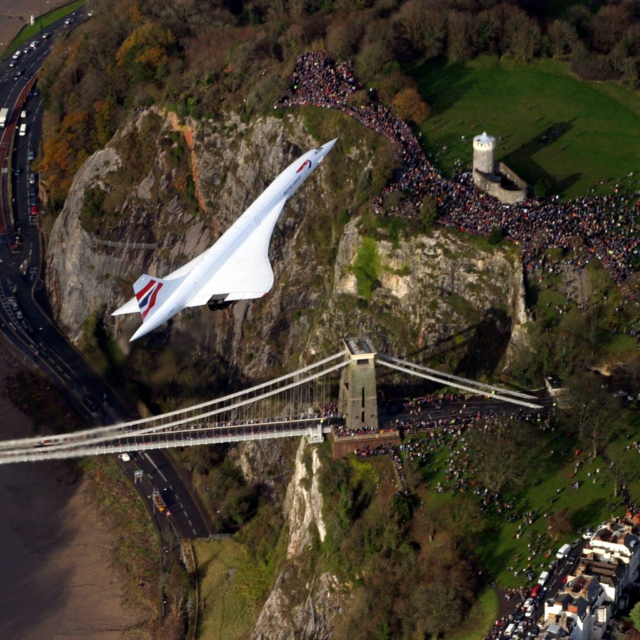
The prototype made its Farnborough debut in 1970, providing a glimpse of what supersonic passenger travel could look like. It was one of many aircraft that used Farnborough as a platform to demonstrate what the industry could achieve.
Over the years, the show has also hosted major appearances from aircraft including the Vickers VC10, Eurofighter Typhoon, F-35 Lightning II and Airbus A380.
But while the aircraft have always attracted attention, the business taking place behind the displays has become increasingly important.
Where business meets innovation
For today’s aerospace and defence sector, the show has become a place for manufacturers, suppliers, governments, armed forces, airlines and investors to meet. Aircraft and engine orders attract the headlines, but the event also provides opportunities for companies across the supply chain to develop relationships and showcase their capabilities.
That is particularly significant for the UK’s aerospace and defence sector.
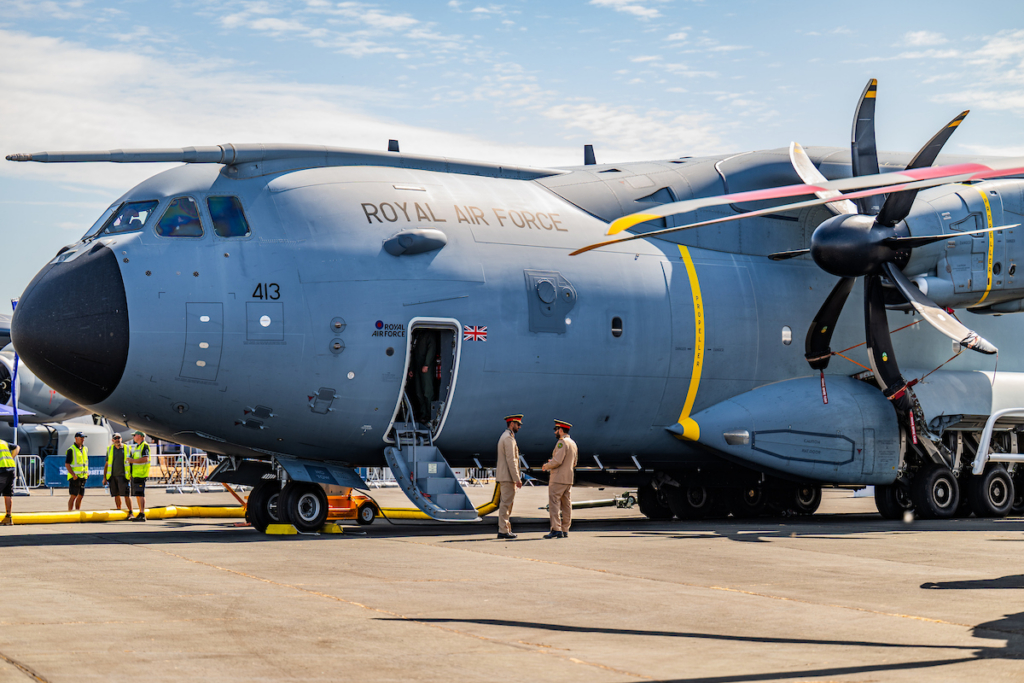
Farnborough provides British businesses – from major primes to specialist SMEs – with an international shop window. For smaller companies, being part of that ecosystem can provide opportunities to meet potential customers, partners and investors from markets that would otherwise be difficult to access.
Farnborough in numbers
The scale of the event today is a long way from those 66 aircraft displayed in 1948.
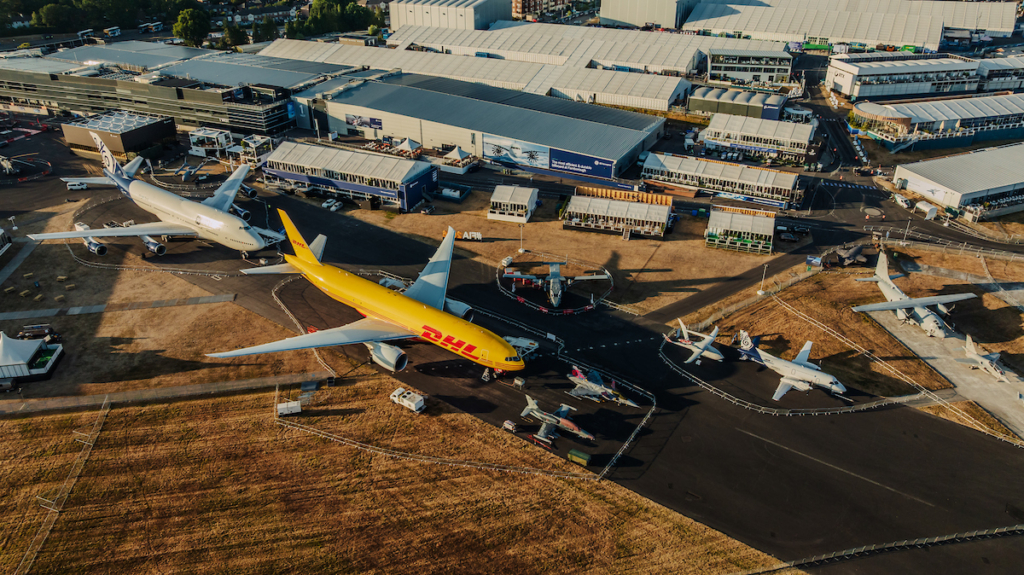
The 2026 Farnborough International Airshow attracted 141,580 trade and public visitors from 136 countries. Across the four trade days, £62.9 billion ($84.9 billion) of deals were announced, including 353 firm aircraft orders and 904 firm engine orders. More than 63% of exhibitors were international.
A sixth exhibition hall was also added for 2026 after exhibition space sold out ahead of the show, making it the largest Farnborough to date.
The changing landscape of Farnborough Airshow
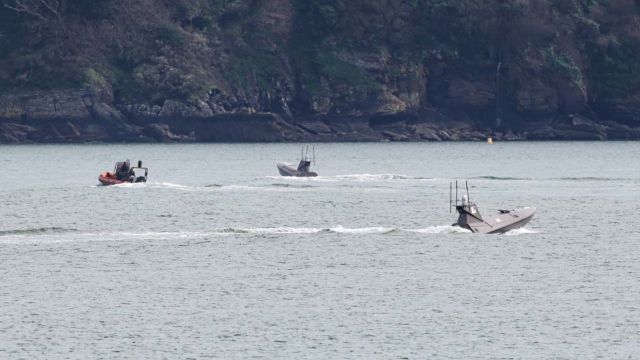
Today’s aerospace and defence industry spans everything from advanced manufacturing and propulsion to autonomous systems, artificial intelligence, space technology and new forms of electric flight.
That changing landscape was visible at the 2026 show.
Vertical Aerospace carried out what Farnborough organisers described as the first public eVTOL flight at the event, bringing a very different type of aircraft into the flying display.

At the same time, defence and space remained central to the show, with major programmes and technologies attracting attention from governments and industry.
For the UK supply chain, that broadening of Farnborough’s remit matters. Companies that might once have considered themselves outside the traditional aerospace sector can increasingly find a place within the wider ecosystem.
What’s next at Farnborough International Airshow?
So what will shape the next 78 years at Farnborough – and beyond?
Decarbonisation, sustainable aviation fuel, hydrogen, hybrid and electric propulsion are likely to shape the future of civil aerospace, while defence investment is driving development in areas such as autonomous systems, uncrewed aircraft, advanced sensors and next-generation combat capabilities. Space is also firmly established within the wider Farnborough story too.
Meanwhile the industry needs to attract and develop the engineers, technicians, designers and other specialists who will build the next generation of aerospace and defence technology. Initiatives such as Pioneers of Tomorrow are part of Farnborough’s role in connecting young people with the sector and showcasing the range of careers available.
The technology has changed beyond recognition, but the basic idea has survived for 78 years: bring the industry together, show what is possible and give businesses a platform to build what comes next.
Sign up for our newsletter and get our latest content in your inbox.
Similar Reads

Sign up for our newsletter. Select all sectors relevant to you.
Related