

UK invests £2.25m in national drone testing centre as BVLOS push gathers pace


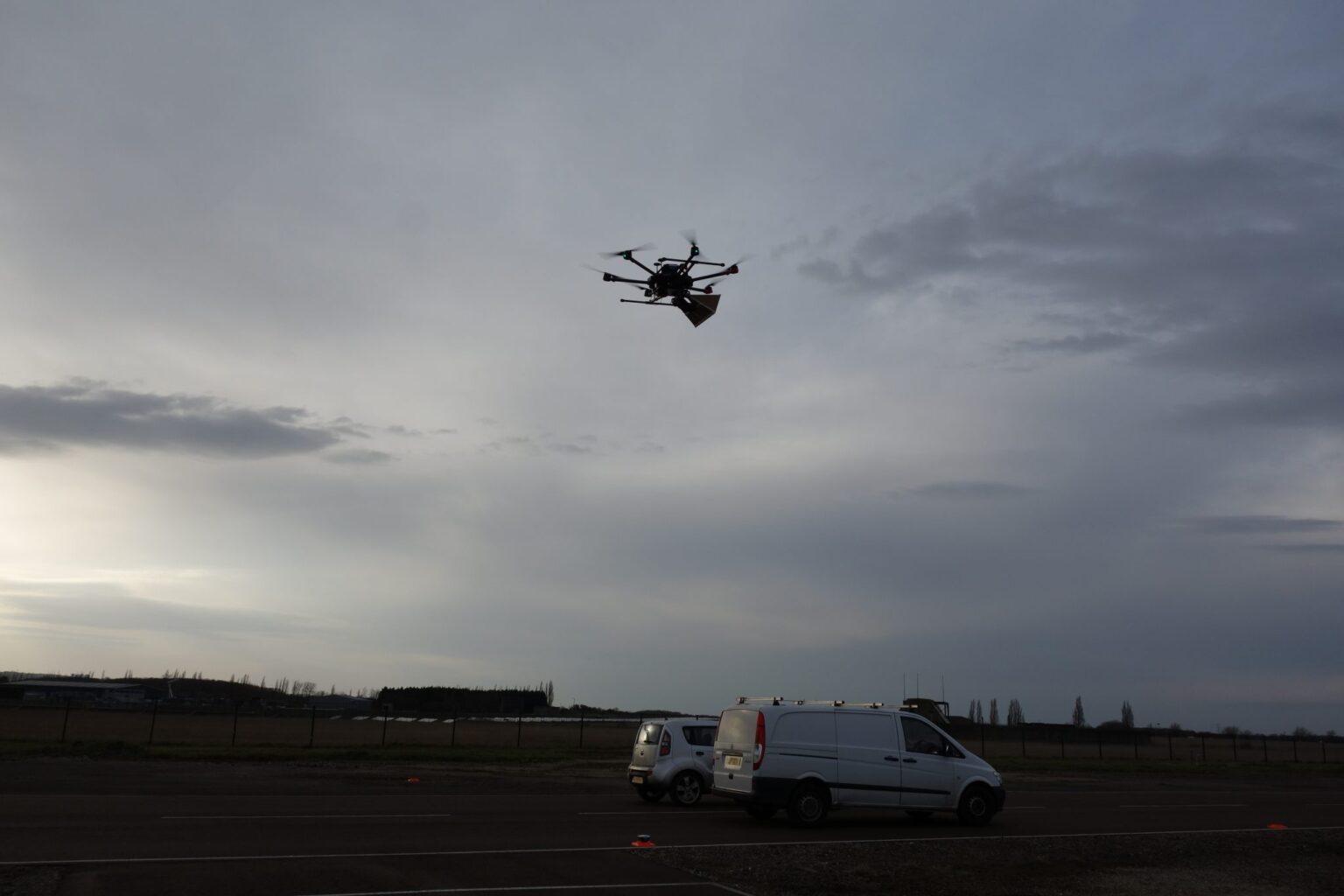
The UK is to establish a new national drone testing centre in Buckinghamshire, backed by £2.25 million of council funding, as the industry looks for more places to prove autonomous aircraft and their critical systems before taking them into operational airspace.
The National Autonomy and Drone Innovation Centre (NADIC) at Westcott Venture Park will give companies controlled facilities to test drones when satellite navigation is disrupted, communications links are degraded or aircraft are exposed to difficult wind and operating conditions.
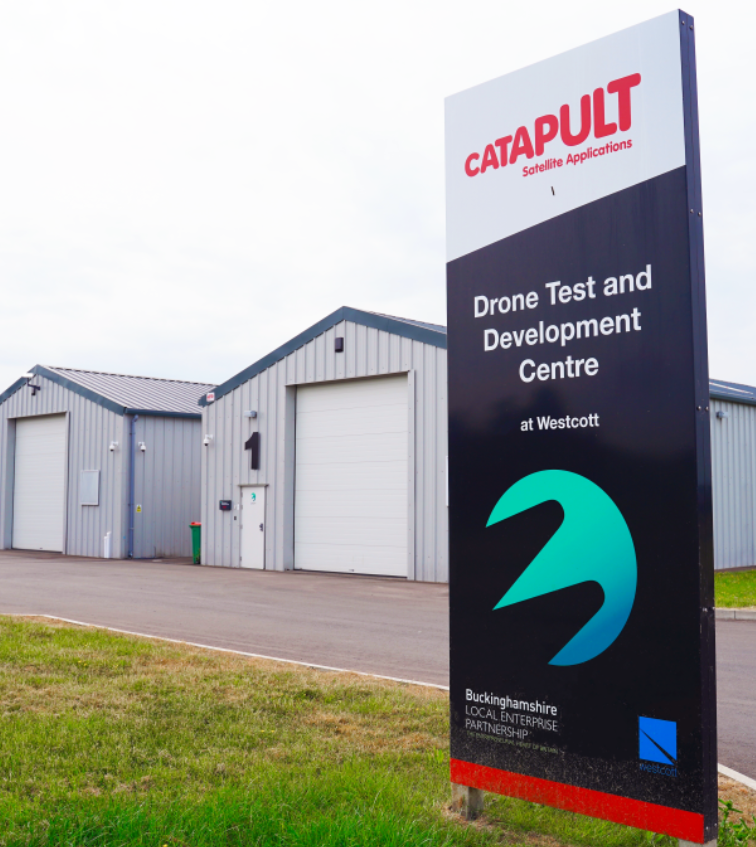
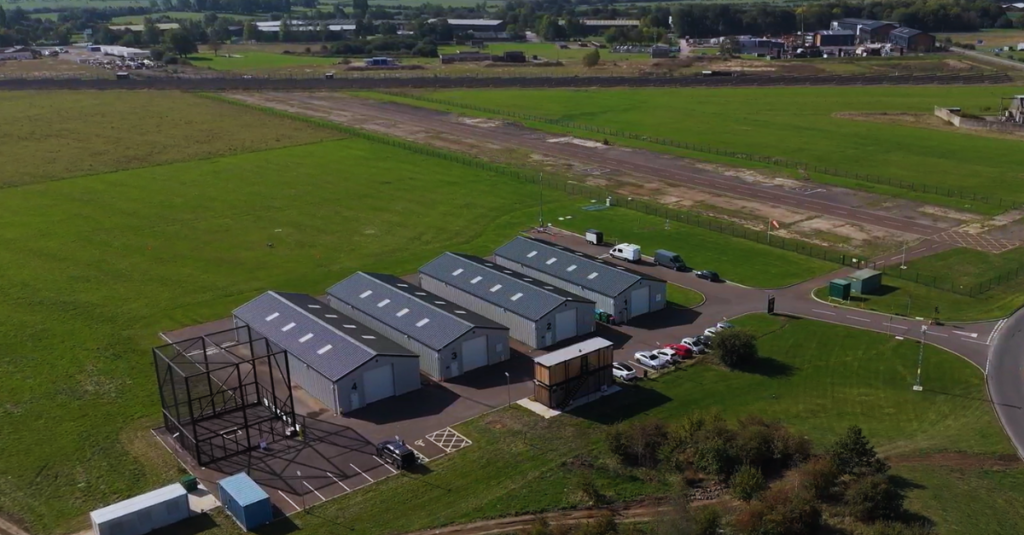
Announced by the Satellite Applications Catapult at the DroneX trade show in London on 29 September, the centre will expand its existing Drone Test and Development Centre at Westcott.
Some of the new equipment is expected to be operational this autumn. The full facility is scheduled to be ready in the second half of 2027.
The investment addresses a problem that is becoming increasingly important as UK pushes towards routine beyond visual line of sight (BVLOS) drone operations: companies need credible, repeatable evidence that their technology will continue to work safely when conditions are less than ideal.
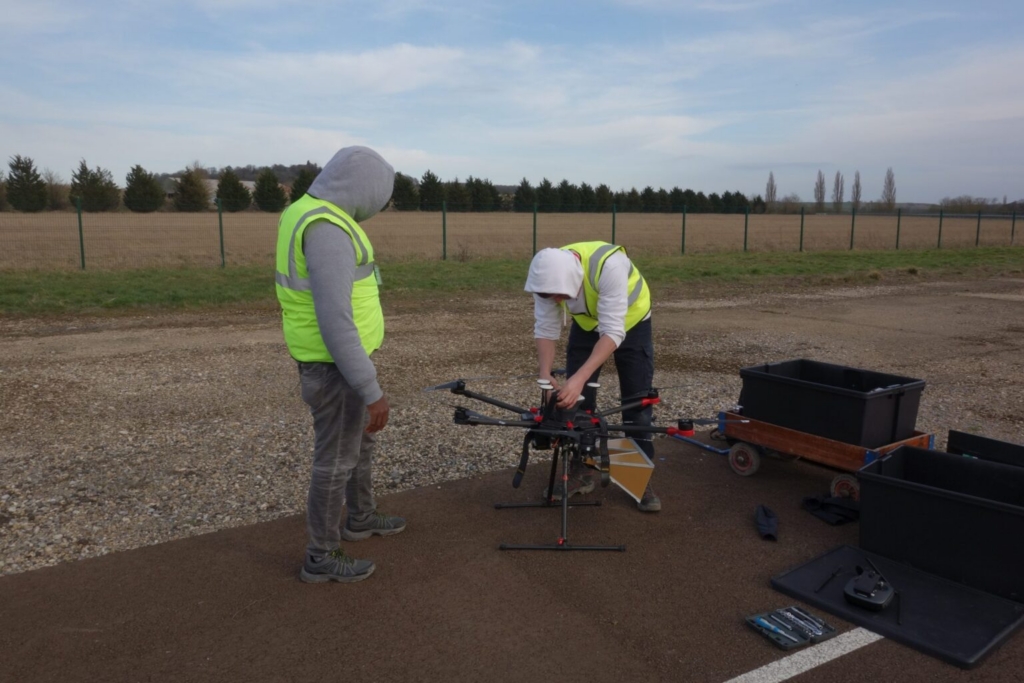
That can be particularly difficult for smaller developers, which may have a working navigation, sensing or communications system but lack access to specialist facilities where its limits can be established under controlled conditions.
Testing drones when GPS and communications are disrupted
One of NADIC’s key capabilities will be position, navigation and timing (PNT) testing.
It will allow companies to assess how their systems behave when satellite navigation signals are unavailable, disrupted or manipulated. The Catapult sees applications across aviation, maritime, defence and logistics, where autonomous systems increasingly need to operate without assuming continuous access to reliable satellite navigation.
A Satellite Communications Integration & Test Lab will allow systems to be tested across satellite, terrestrial and hybrid communications networks.
That is particularly important for BVLOS operations. Once a drone is flying beyond the pilot’s immediate line of sight, maintaining dependable command-and-control links becomes a fundamental part of demonstrating that the operation can be conducted safely.
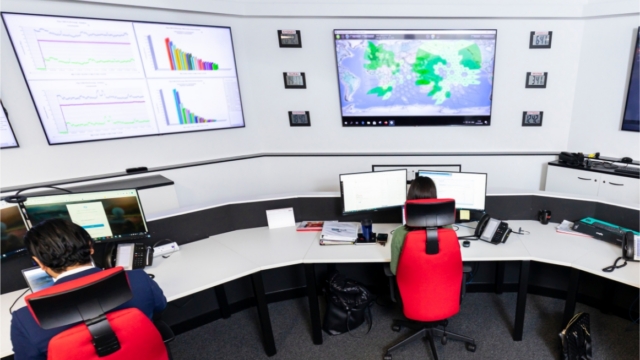
NADIC will also have a Remote Operations Control Centre where operators can train, simulate missions and validate command-and-control procedures.
Other equipment will recreate physical conditions that can be difficult to reproduce consistently outdoors.
A Windshaper system will generate precise and repeatable indoor wind conditions. A robotic arm will automate repetitive drone testing, while a motion platform will recreate operations from moving vessels and vehicles and over uneven terrain. The robotic arm, motion platform and control room are due to become operational this autumn.
Smaller companies face an early evidence hurdle
NADIC is being aimed primarily at small and medium-sized businesses and component manufacturers developing the navigation, sensing, communications and autonomy technology on which larger drone systems depend.
John Abbott, chief executive of the Satellite Applications Catapult, said the missing piece has been shared infrastructure that allows companies to move beyond successful demonstrations.
“Britain is very good at proving that drones can work. What we have never built is the shared infrastructure that turns a promising system into a proven one,” Abbott said. “Companies come to us with technology that works and a gap in their evidence, and there has been nowhere accessible for many of them to close it.”
The intention is to shorten that journey between developing a system and producing evidence that can support its approval.
“A company should be able to arrive with a system, establish its operational limits under controlled conditions, and leave with data that goes straight into a regulatory application,” Abbott said. “This facility offers a serious step forward for the sector.”
UK testing infrastructure comes into focus
The Westcott investment comes as the shortage of suitable drone testing infrastructure is receiving wider attention in the UK.
As ADVANCE recently reported, a Good Growth Foundation study argued that under-used regional airports could be brought into a national network for testing, training and operating drones, autonomous aircraft and other advanced aviation systems.
The study used Lydd Airport as its main case study and examined how existing airport assets, including runways, hangars, engineering facilities and access to airspace, could support BVLOS testing, certification, training and maintenance. It also identified other regional airports that could develop specialist roles within a wider network.
The two approaches tackle different parts of the same problem. Regional airports can provide the real-world aviation environment needed to fly and operate unmanned aircraft. NADIC will allow developers to reproduce specific failures and operating conditions repeatedly before those systems reach operational airspace.
That distinction matters as UK tries to move beyond individual drone demonstrations towards operations that can be repeated at scale.
Phil Coglan, who manages the Satellite Applications Catapult’s Drone Test & Development Centre at Westcott, said: “When a manufacturer wants to demonstrate a car’s emergency braking performance, they take it to a facility like Millbrook, drive it round a track and measure everything. The data makes the safety case – no one has to take anyone’s word for it.
“That’s the model we need for drones. If a company has established its system’s operational wind limits, or defined the rain conditions it can fly in, that data goes directly into a regulatory application as concrete technical evidence. It shifts the conversation from a safety case built on assertions to one built on reproducible test results. That’s better for companies, better for the regulator, and better for the industry.”
BVLOS target raises pressure on regulators and industry
The government has set a target for routine drone flight beyond the pilot’s line of sight by 2027, while forecasts cited by the Satellite Applications Catapult put the potential value of the UK drone economy at up to £45 billion by 2030.
But much of the sector still operates through individual trials and specific approvals rather than a regulatory framework capable of supporting large numbers of routine commercial flights.
The Civil Aviation Authority acknowledged that limitation in its Airspace Architecture Concept of Operations published in July, saying today’s bespoke approvals “are not designed to support the volume of operations needed for widespread commercial use”.
Moving beyond that model will require more than changes to regulation. Developers will need to show how aircraft, communications links, navigation systems and autonomous functions behave when things go wrong, and to produce evidence that can be repeated and assessed.
NADIC is intended to provide one place where that evidence can be generated.
Westcott links drones with UK space expertise
Westcott also gives the project access to expertise already being developed around satellite and terrestrial communications.
NADIC will sit alongside the Satellite Applications Catapult’s Future Networks Development Centre, which works on resilient communications combining satellite and terrestrial networks.
The overlap is particularly relevant to long-range drone operations. BVLOS aircraft operating in remote areas cannot necessarily depend on terrestrial connectivity, making satellite communications and resilient PNT part of the wider system needed to keep them safely connected and controlled.
Steven Broadbent, leader of Buckinghamshire Council, said the £2.25 million investment was intended to support both the technology sector and the local economy.
“This is about investing in Buckinghamshire’s future economy and making sure residents benefit from the skilled jobs, training opportunities and wider prosperity that successful innovation sectors can bring,” he said.
Broadbent said the money was being provided through the Buckinghamshire Growth Fund and was dedicated to economic growth and investment rather than being diverted from day-to-day council services.
For the UK drone sector, Westcott adds another piece of infrastructure at a point when the focus is shifting from whether autonomous aircraft can fly to whether they can operate routinely and safely at scale.
The regional-airport proposals would provide places to put those systems into the air. NADIC is being built to answer an earlier question: whether the technology is ready to go there in the first place.
Sign up for our newsletter and get our latest content in your inbox.
Similar Reads




Sign up for our newsletter. Select all sectors relevant to you.
Related