

RAF roundels explained: Why Royal Air Force aircraft use different markings


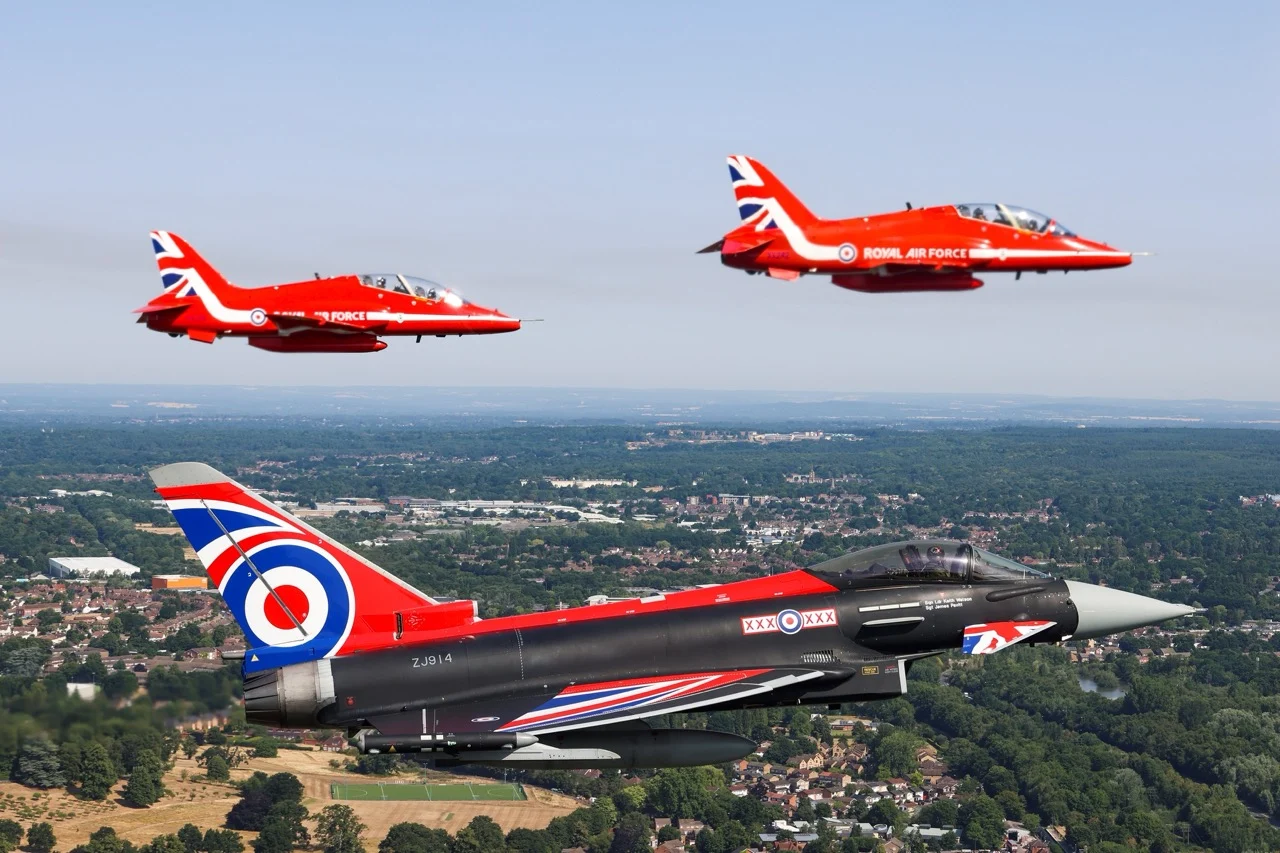
Few military markings are as recognisable as the Royal Air Force roundel. The concentric circles have appeared on British military aircraft for more than a century, from First World War biplanes and Battle of Britain Spitfires to modern Typhoons and transport aircraft.
But not every RAF aircraft carries the familiar bright red, white and blue symbol.
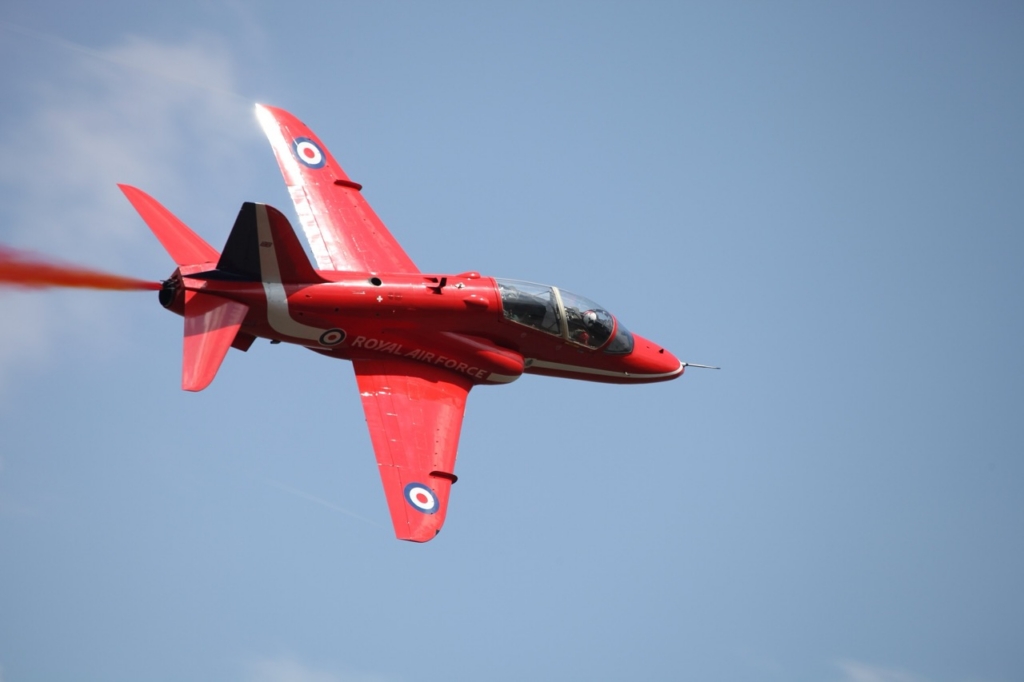
Some have only red and blue markings. Others use deliberately faded colours, while the F-35 Lightning carries a roundel in shades of grey that can be difficult to see.
These differences are deliberate. Over more than 110 years, UK aircraft markings have evolved to balance two requirements: identifying an aircraft as belonging to the UK without making it unnecessarily visible to an enemy.
What is an RAF roundel?
A roundel is a national identification marking carried on military aircraft.
The UK began using one before the RAF itself existed. At the start of the First World War in 1914, Royal Flying Corps aircraft initially carried the Union Flag. That caused a potentially dangerous problem. From a distance, the flag’s crosses could be confused with the black cross used to identify German aircraft.
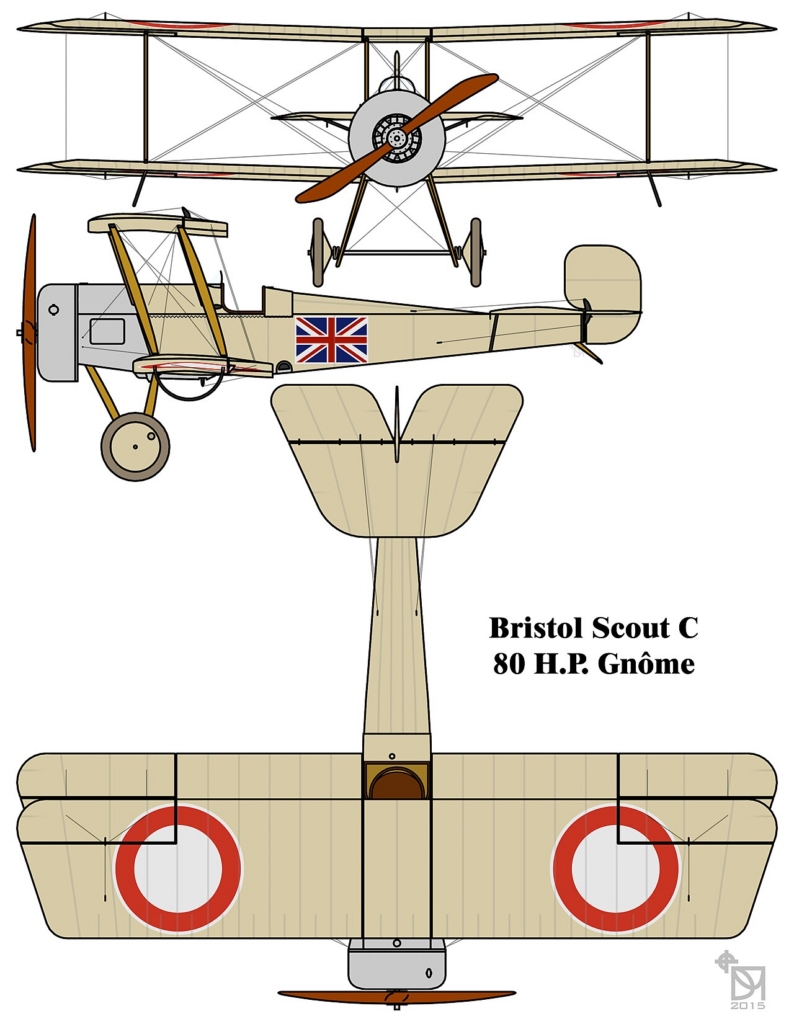
To solve this, the UK followed France’s example. France marked its aircraft with a circular red, white and blue cockade. UK forces reversed the order of the colours, producing a roundel with a blue outer circle, white middle and red centre.
UK aircraft began using the new marking in late 1914. When the Royal Air Force was established on 1 April 1918, it inherited the roundel.
The basic symbol has survived ever since, although its colours, proportions and visibility have changed repeatedly.
Classifications Type A, Type B, Type C and Type D are commonly used to distinguish the major designs.
Which RAF roundel is the most famous?
The best-known RAF roundel is probably the red, white and blue marking associated with Second World War aircraft such as the Spitfire and Hurricane.
However, there was no single “Battle of Britain roundel.” RAF aircraft could carry several types of markings, sometimes on different parts of the same aircraft.
The Type A had a red centre surrounded by broad white and blue rings.

However, the RAF had to solve a problem that continues to this day: markings needed to be visible enough for friendly forces to identify an aircraft without undermining its camouflage.
As camouflage became increasingly important, the RAF also used the Type B, which eliminated the conspicuous white ring and consisted only of red and blue. The simpler marking reduced the contrast between the roundel and a camouflaged aircraft.
Another variation, generally called the Type A.1, added a yellow outer ring. This made the national marking easier to distinguish against a dark camouflage.
Why did RAF roundels change during the Second World War?
The RAF changed the size, position and colours of the roundel as operational requirements demanded
By 1942, the RAF was using what are generally called Type C and C.1 roundels. These retained the traditional colours but changed their proportions. The C.1 also included a narrow yellow outer ring for greater contrast against camouflage.
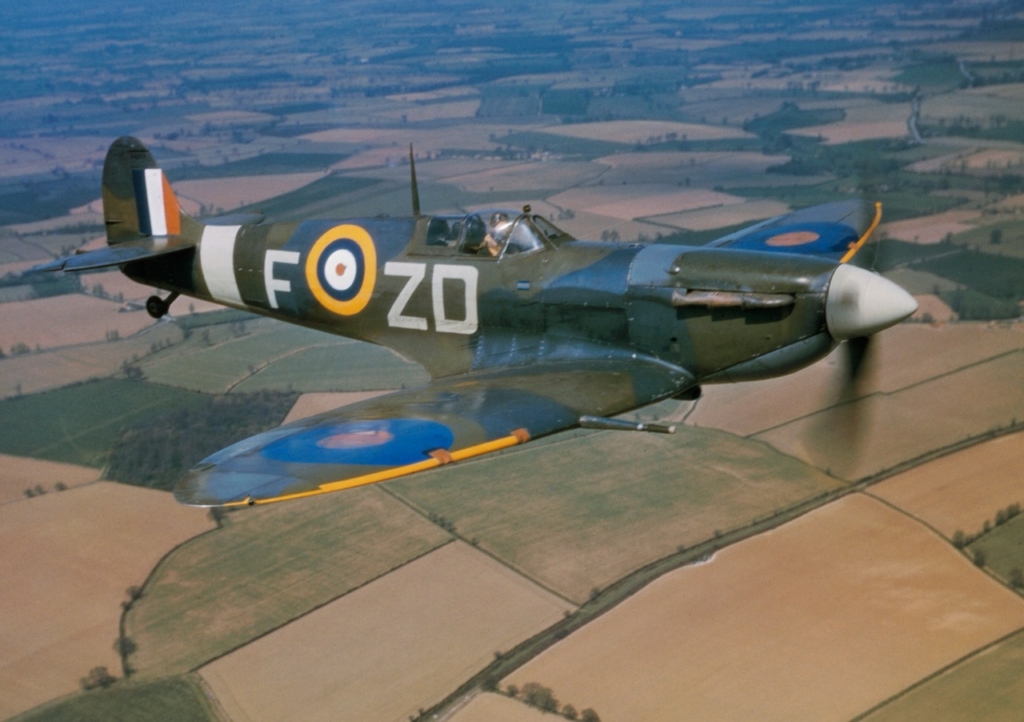
An aircraft could carry different roundels on its wings and fuselage.
Operations against Japan created another identification problem. Japanese aircraft used the red hinomaru, or sun disc, as their national marking.
British and Commonwealth aircraft operating in Asia adopted modified markings that removed the RAF roundel’s red centre. Blue and pale-blue roundels were used to reduce the risk of confusion with Japanese aircraft.
What is the modern RAF red, white and blue roundel?
After the Second World War, the RAF introduced the design generally known as the Type D roundel.
Introduced in 1947, it restored a prominent red, white and blue design but used different proportions from earlier roundels.
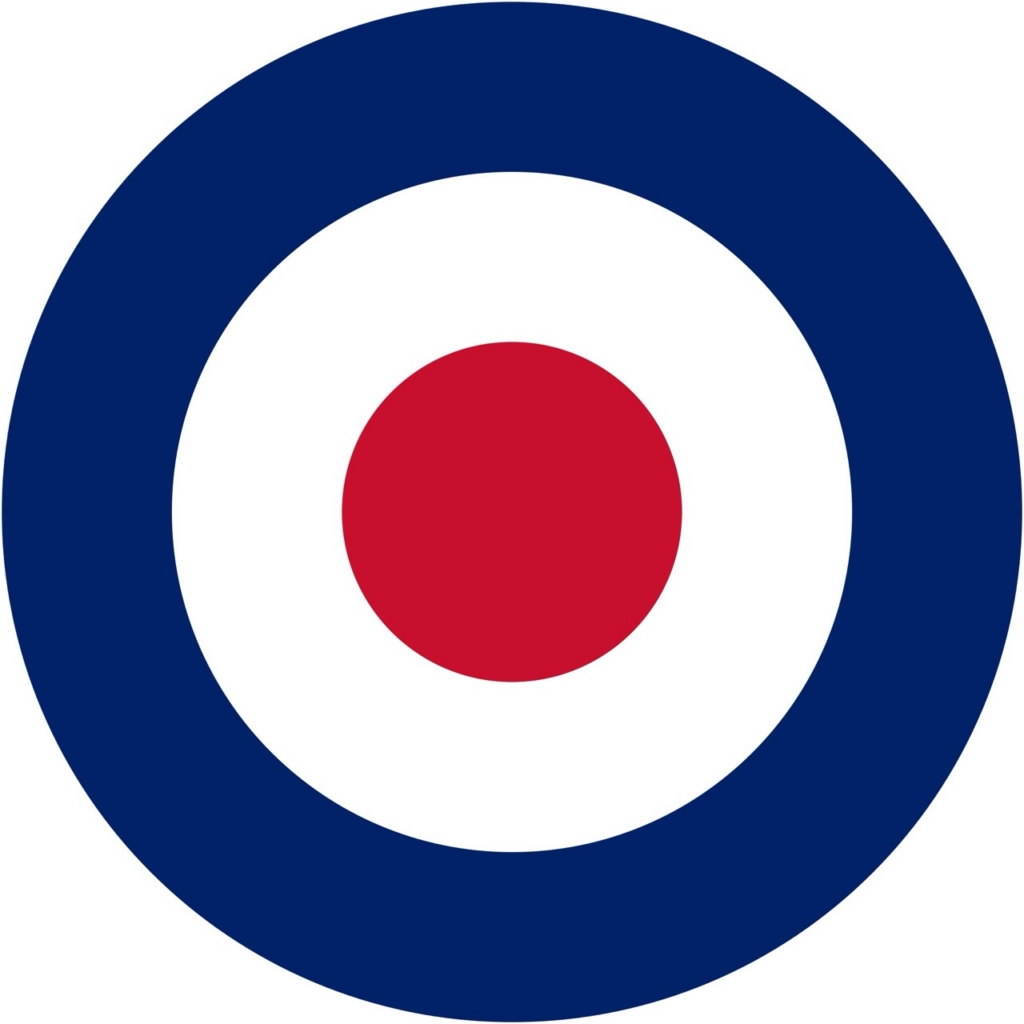
It became the familiar post-war RAF symbol seen on numerous aircraft during the jet age and remains the basis for the full-colour roundel used today.
However, modern combat aircraft do not necessarily carry it in those bright colours.
Why are some RAF roundels only red and blue?
Camouflage is the main reason RAF roundels can look very different.
Bright white, red and blue markings stand out against an otherwise carefully camouflaged aircraft. The RAF adopted low-visibility roundels on operational aircraft.
From the 1970s, subdued markings became increasingly common on camouflaged RAF aircraft. Two-colour roundels derived from the red-and-blue principle of the earlier Type B eliminated the conspicuous white centre.
As grey camouflage became widespread, the colours became less prominent. Some modern RAF roundels use pale shades sometimes described as salmon pink and light blue.
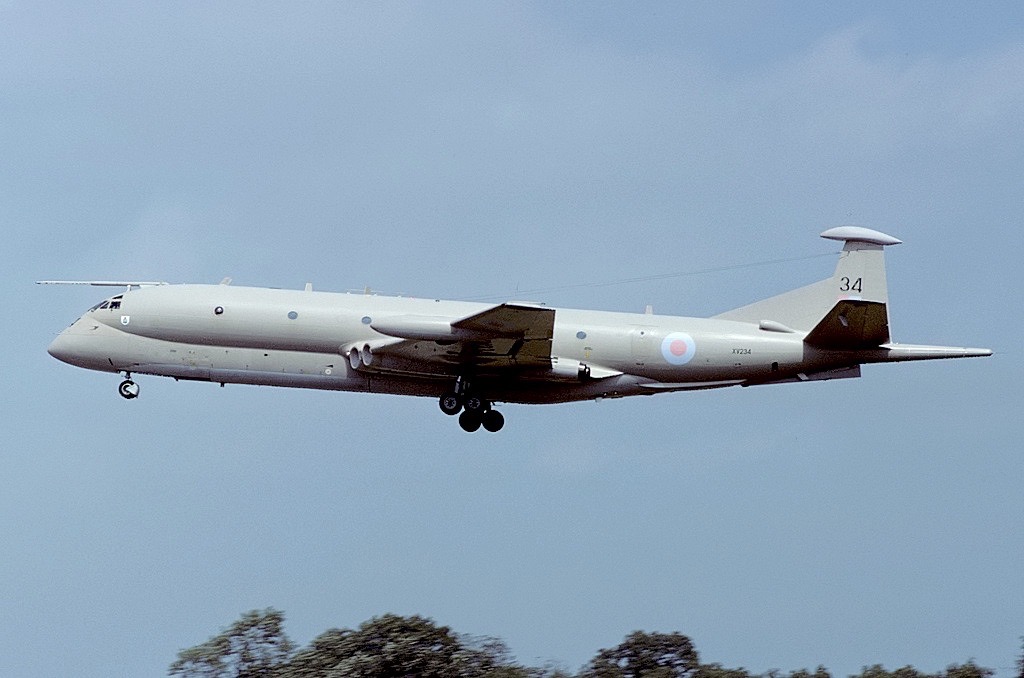
From a distance, they blend into an aircraft’s grey paint much more effectively than the traditional bright insignia.
The aircraft is still marked as UK, but the marking does not compromise its visual camouflage.
Why does the F-35 have a grey RAF roundel?
The RAF’s F-35B Lightning takes the low-visibility approach even further.
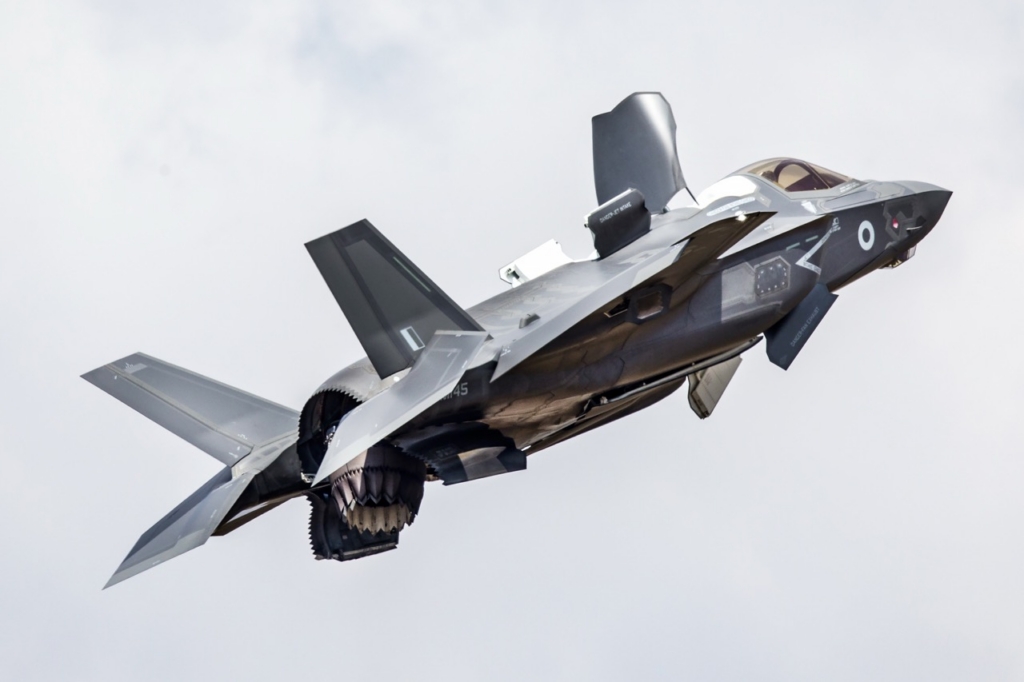
Its UK national markings use contrasting shades of grey rather than the traditional red, white and blue.
The change complements an aircraft designed around low observability. The F-35’s shape, materials and external finish are engineered to reduce its detectability, and brightly coloured markings would create unnecessary visual contrast.
The geometry of the RAF roundel remains recognisable, but its colours have been adapted to suit the aircraft.
Do all RAF aircraft carry the same roundel today?
No. Modern RAF aircraft can carry different versions depending on their paint scheme, role and operational requirements.
Aircraft where high visibility is acceptable can carry the traditional red, white and blue marking. Operational aircraft frequently use subdued two-colour roundels, while the F-35 uses extremely low-contrast grey markings.
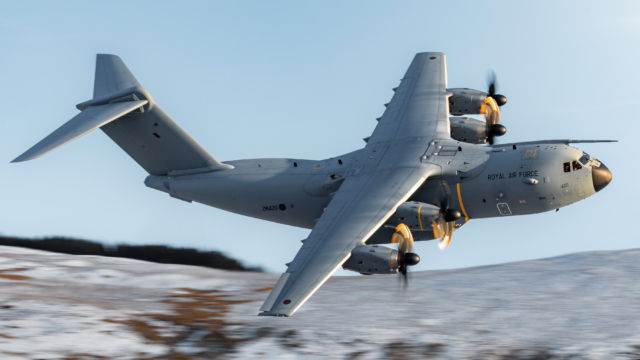
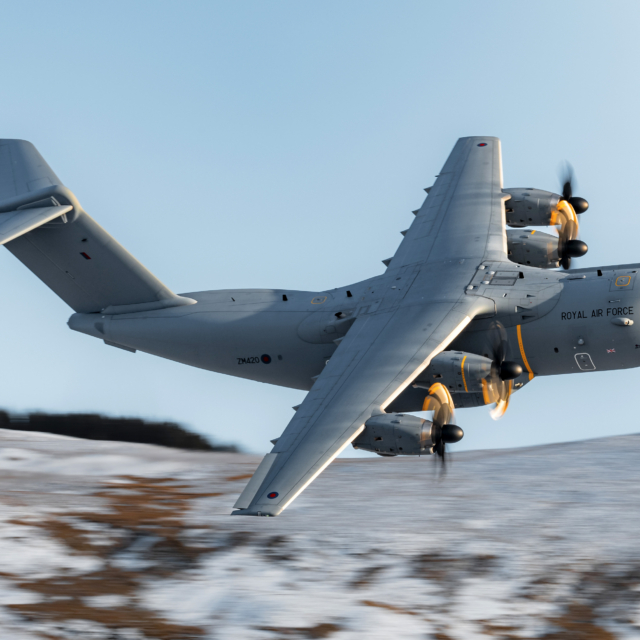
Large support aircraft can also carry subdued roundels, so low-visibility markings are not limited to fast jets.
The roundel’s appearance reflects the aircraft’s role, camouflage and need for visual concealment. That is also why the RAF roundel has changed so often throughout its history.
The original marking was created to make UK aircraft easier to distinguish from enemy aircraft. Wartime versions were modified for camouflage and recognition. Modern low-visibility versions continue the same balancing act.
More than a century after the first roundels appeared, their purpose remains unchanged: to identify a UK military aircraft. What changes is how easily the RAF wants that identification to be seen.
Sign up for our newsletter and get our latest content in your inbox.
Similar Reads


Sign up for our newsletter. Select all sectors relevant to you.
Related