

UK targets 30% rise in RAF A400M availability under £190m Airbus deal


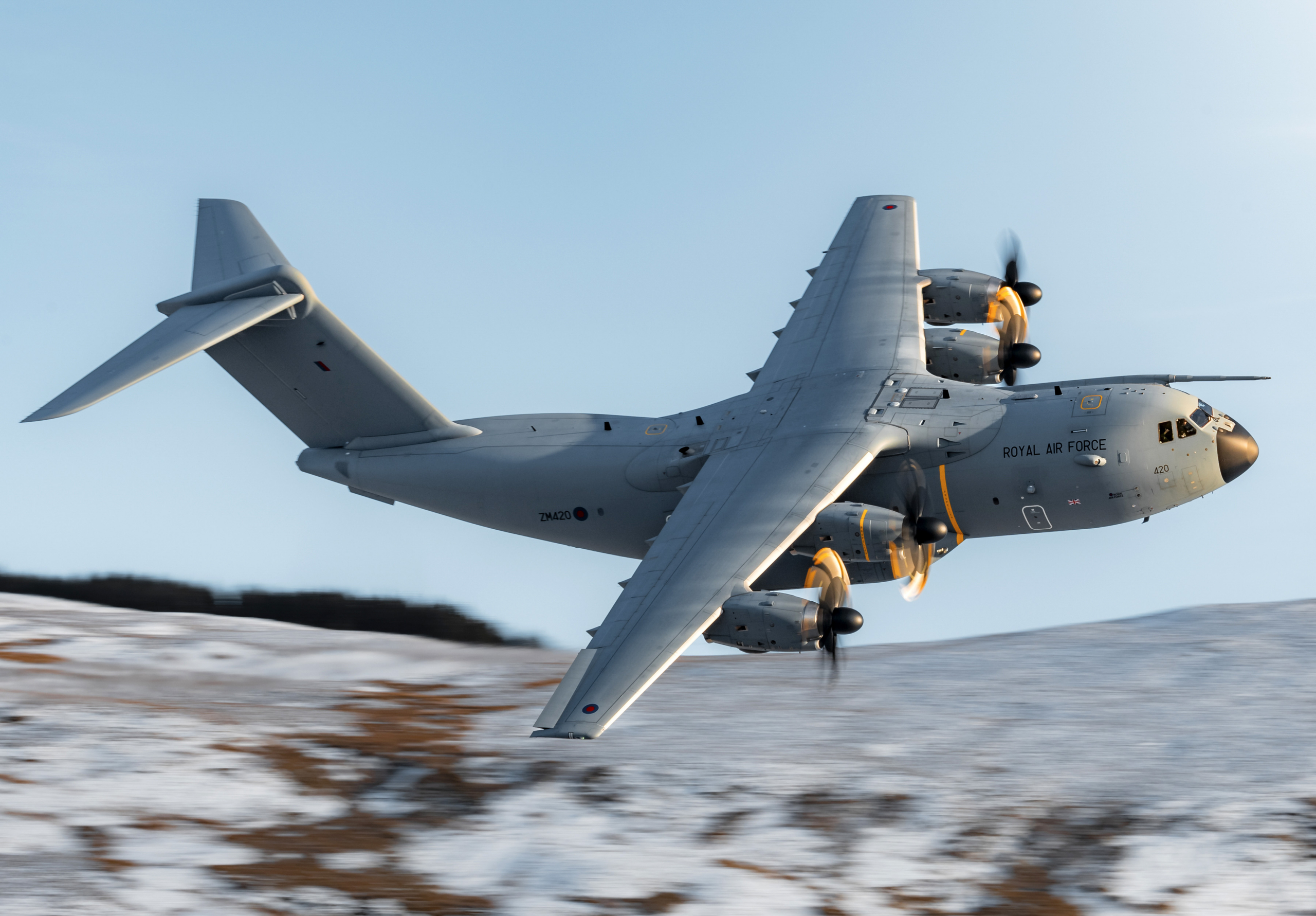
The Royal Air Force plans to have 13 A400M Atlas transport aircraft fully mission-capable each day by the end of 2027, up from 10 now, under a £190 million support contract extension with Airbus.
The 30% increase in daily availability is at the centre of a 31-month extension to the A400M Medium-Term Contract, which would have otherwise ended in September. Now, Airbus will continue maintaining and supporting the RAF fleet from its UK Support Centre at RAF Brize Norton until April 2029. The agreement will sustain more than 350 jobs, including more than 240 Airbus staff and 110 primary subcontractor roles.
The deal is important for the RAF because Atlas now carries much of the UK’s tactical airlift burden following the retirement of the C-130J Hercules in 2023. The RAF operates 22 A400Ms, with the aircraft used for missions ranging from moving troops and heavy equipment to humanitarian operations and support for NATO commitments.
The Ministry of Defence said the new agreement expands the support available to the fleet, rather than simply extending the existing arrangement. The RAF said it includes enhanced services intended to improve supportability, resilience and operational performance.
For the RAF, the practical result is expected to be three more aircraft ready for missions on an average day by the end of next year.
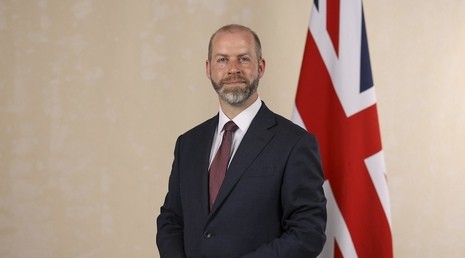
“The A400M Atlas is a cornerstone of the UK’s air mobility capability, supporting operations ranging from humanitarian relief to rapid troop deployment,” said Minister for Defence Readiness and Industry Luke Pollard.
“Continued support at RAF Brize Norton ensures the fleet remains ready to meet these demands without interruption, forming part of the government’s wider commitment to strengthening the UK’s defence industrial base and value for money in defence contracts,” he said.
Atlas carries the UK’s heavy tactical airlift burden
Known as Atlas C.1 in RAF service, the A400M sits between the smaller C-130 class of tactical transports and the RAF’s much larger C-17A Globemaster III strategic airlifters.
The four-engine turboprop was designed to combine characteristics normally associated with those two types of aircraft. It can carry large loads over long distances but can also operate from short or unprepared airstrips closer to where troops and equipment are needed.
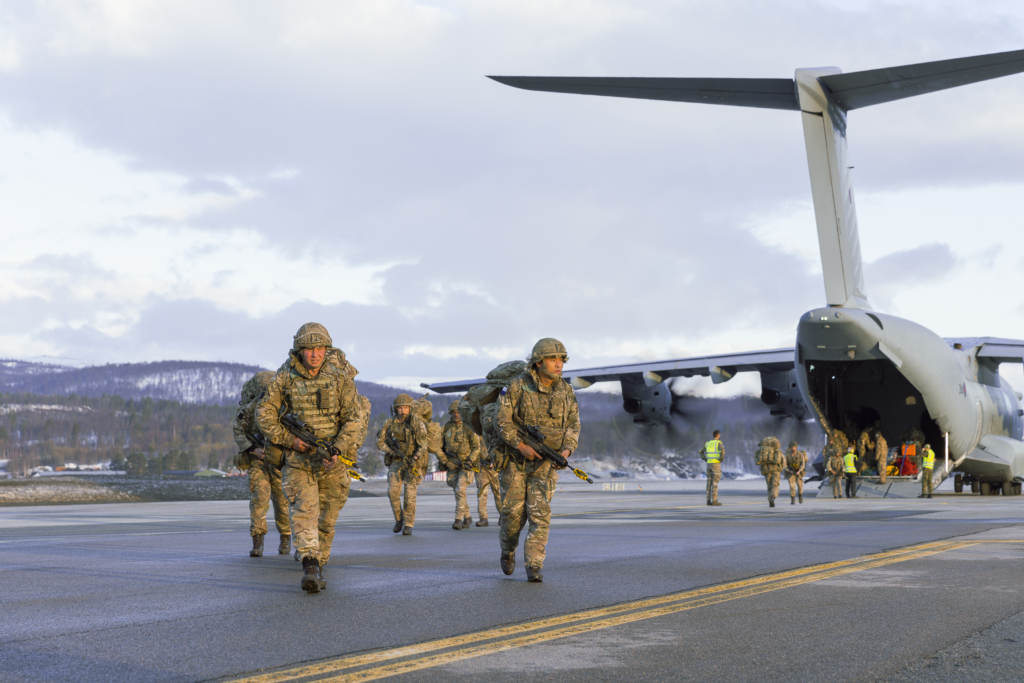
The RAF says Atlas can carry a 30-tonne payload over 2,400 nautical miles and operate from established airfields as well as short, unprepared or semi-prepared strips. Its maximum payload is 37 tonnes.
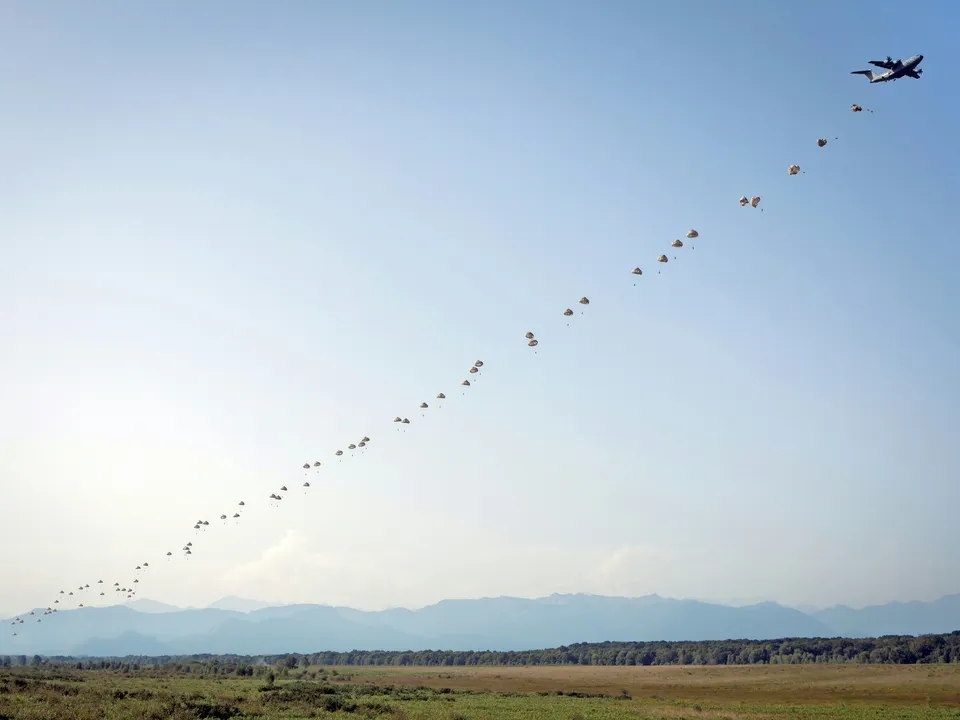
Depending on the mission, it can carry 116 passengers, nine aircraft pallets together with 54 passengers, or 66 stretchers. Cargo can also be delivered by parachute or extracted through the rear ramp.
That combination allows the aircraft to move troops and vehicles between established bases but also deliver them directly into more austere locations. Airbus says the A400M can carry loads including heavy armoured vehicles, helicopters and specialised engineering equipment that are too large for conventional tactical transports.
The aircraft can also perform air-to-air refuelling and aerial delivery missions.
Atlas entered RAF operational service in 2014 and is based at RAF Brize Norton in Oxfordshire, the centre of the UK’s air mobility operations. It is flown by 30 Squadron and LXX Squadron, with XXIV Squadron providing training and 206 Squadron involved in test and evaluation. Atlas C.1
More aircraft available for operations
The latest contract is aimed specifically at increasing the number of those aircraft available to commanders.
The A400M has become increasingly important to the RAF since the Hercules left service. That retirement made Atlas the service’s principal tactical transport aircraft, while the C-17 continues to provide heavy strategic airlift.
The new availability target does not increase the size of the 22-aircraft Atlas fleet. Instead, the aim is to have a larger proportion of the existing fleet ready for operational use at any given time.
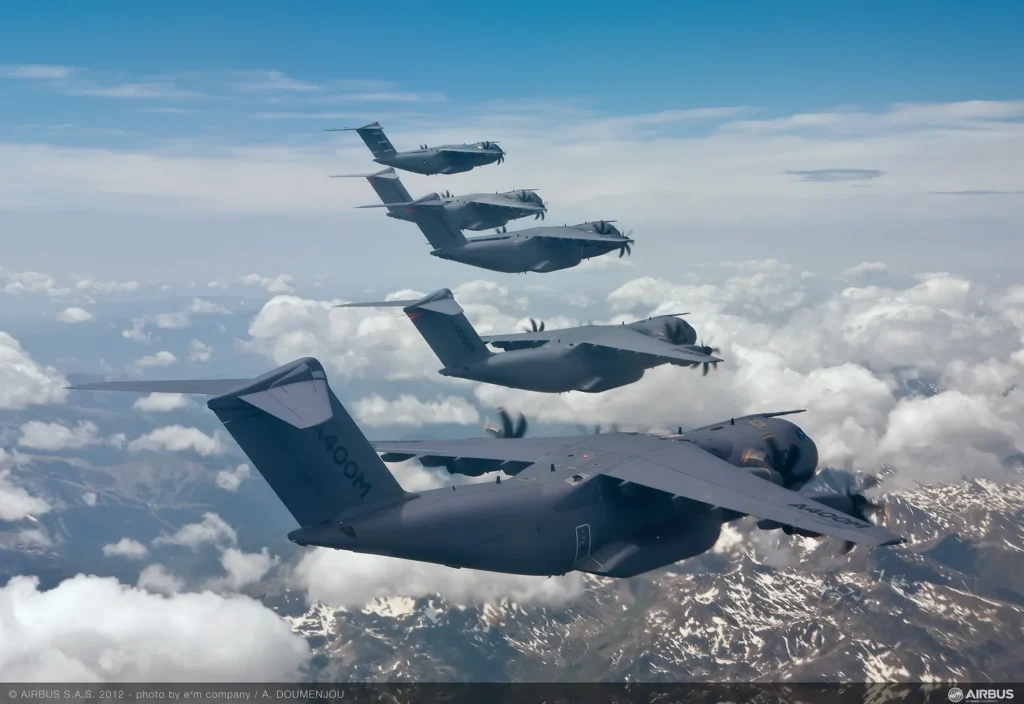
Air Commodore Si Young, Head Air Mobility in National Armaments Materiel, said the increase would strengthen the RAF’s ability to conduct global operations and meet NATO commitments.
“This contract extension is a vote of confidence in British engineering, and the workforce at Brize Norton and Carterton who keep our A400M fleet flying,” Young said.
“By boosting availability of these aircraft, we’re strengthening the RAF’s ability to conduct global operations and deliver on NATO commitments when it matters most, while backing UK jobs and delivering value for money for taxpayers.”
The RAF said negotiations also resulted in a broader support package at a reduced overall cost, although it did not give a figure for the savings.
Support remains centred at Brize Norton
Airbus personnel work alongside RAF staff at Brize Norton to maintain and support the fleet. The new agreement keeps that arrangement in place through April 2029.
Kata Escott, managing director of Airbus Defence and Space UK, described the A400M as “the backbone of Air Mobility” and said Airbus teams at Brize Norton were focused on improving operational readiness.
“Airbus is proud to be a trusted partner to the Ministry of Defence, and this contract extension reinforces that commitment,” Escott said.
“The A400M Atlas is the backbone of Air Mobility. Our highly skilled teams work side by side with Royal Air Force personnel and are fully focused on enhancing operational readiness, keeping the fleet mission-ready.”
The A400M was originally developed as a European replacement for older transport aircraft including the C-130 Hercules and C-160 Transall. Its first flight took place in 2009. Airbus says the programme has now accumulated more than 200,000 flight hours, with 178 aircraft ordered by 10 countries.
Sign up for our newsletter and get our latest content in your inbox.
Similar Reads


Sign up for our newsletter. Select all sectors relevant to you.
Related