


72% of UK manufacturers pursuing defence opportunities, report finds



Almost three-quarters of UK manufacturers are either already supplying the defence sector or are exploring opportunities to enter it, as pressure on the automotive industry drives suppliers to look beyond traditional markets.
This finding comes from the Manufacturing Outlook Report for Autumn 2026, which was published by accountancy firm, Crowe UK, on 25 September and was produced in partnership with the Confederation of British Metalforming (CBM).
The survey of more than 60 UK manufacturers found that 72% are engaged in, or considering, defence manufacturing opportunities, highlighting the growing overlap between the UK’s industrial and defence strategies.
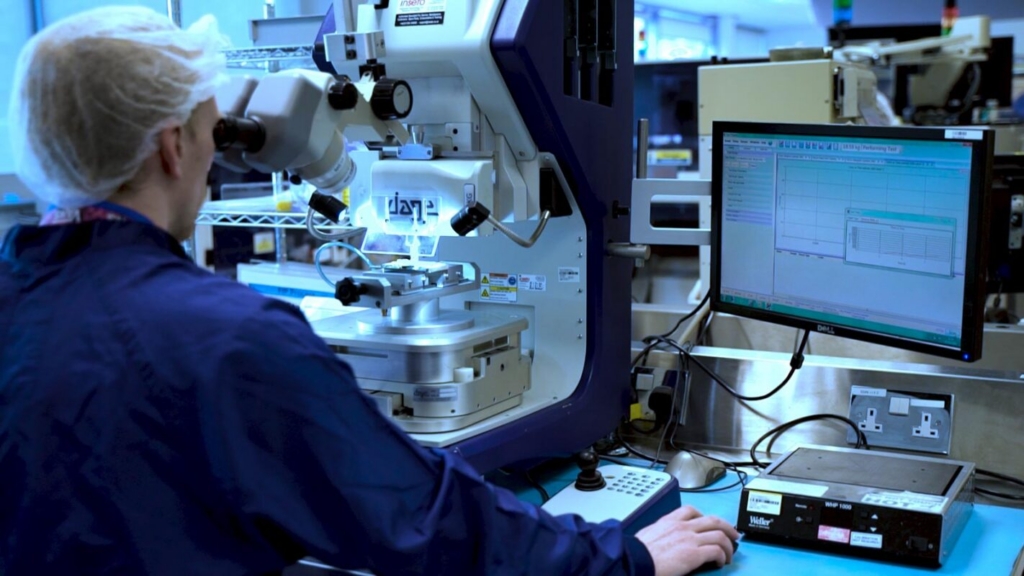
The report also found that 80% of British manufacturers are already using or are currently trialling artificial intelligence (AI) systems, a sharp uptick from the 52% figure that was reported in the firm’s Spring 2025 report.
For automotive suppliers, however, the move towards defence is increasingly being driven by necessity as well as opportunity. ADS Advance reported last month that a group of automotive manufacturers had urged the UK government to help suppliers transition into aerospace and defence work, warning that tens of thousands of manufacturing jobs could be at risk as UK vehicle production comes under pressure.
The firms argued that capabilities already embedded within the automotive supply chain – including high-intensity castings, precision machining, injection moulding, pressings, fasteners, fabrication, surface treatment and metrology – could be applied to future defence production.
Automotive pressures drive fresh defence opportunities for British suppliers
Crowe’s findings reinforce the argument that the automotive supply chain could become an important source of additional capacity for UK defence manufacturing.
The automotive industry is facing weakening demand, rising costs and significant structural change as manufacturers adapt to rising global competition and new electrification processes. For suppliers dependent on automotive volumes, defence offers a potential route to diversify revenues while retaining highly skilled manufacturing capabilities in the UK.
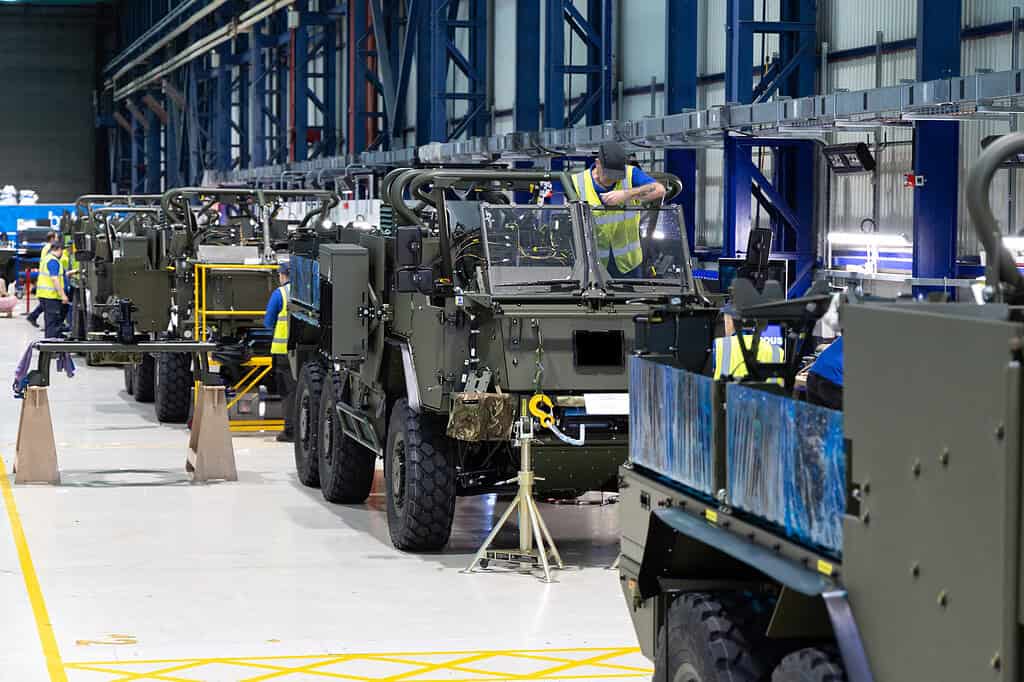
Crowe said the pressures facing the automotive community are creating a “significant opportunity” for companies in its supply chain to pivot towards defence, with a similar transition already emerging among automotive suppliers in European nations, like Germany.
However, moving into defence is not straightforward. Companies can face lengthy qualification processes, stringent product quality requirements and the need to secure relationships with primes and established defence firms before significant orders materialise.
As previously reported by ADS Advance, automotive manufacturers believe it could take between 18 to 36 months to qualify a factory for aerospace or defence work, creating a financing challenge for Small and Medium-Sized Enterprises (SMEs) attempting to make the transition while their existing automotive revenues are declining.
Defence manufacturing investment shifts towards future growth
Stuart Weekes, Partner and Head of Manufacturing at Crowe, said the latest findings showed manufacturers were increasingly looking beyond immediate disruption towards longer-term opportunities.
“Manufacturers are increasingly focusing on future opportunity rather than simply responding to disruption,” he said.

The report also points to wider investment in technology, with four in five manufacturers now using or trialling AI systems. Crowe said investment in skills, technology and innovation will be critical to converting the sector’s resilience into sustainable growth.
Stephen Morley, President of the CBM, described the situation as one of “resilience, but also transition”, with manufacturers simultaneously dealing with cost and skills pressures while exploring new markets and technologies.
For the defence sector, the rising interest from automotive suppliers could provide an opportunity to expand domestic manufacturing capacity and strengthen supply chain resilience. The key challenge will be converting that interest into qualified suppliers capable of delivering at the pace and scale demanded by the UK’s increasing defence requirements.
Sign up for our newsletter and get our latest content in your inbox.
Similar Reads





Sign up for our newsletter. Select all sectors relevant to you.
Related