First Light Fusion selected by Dstl for landmark hypervelocity impact research programme


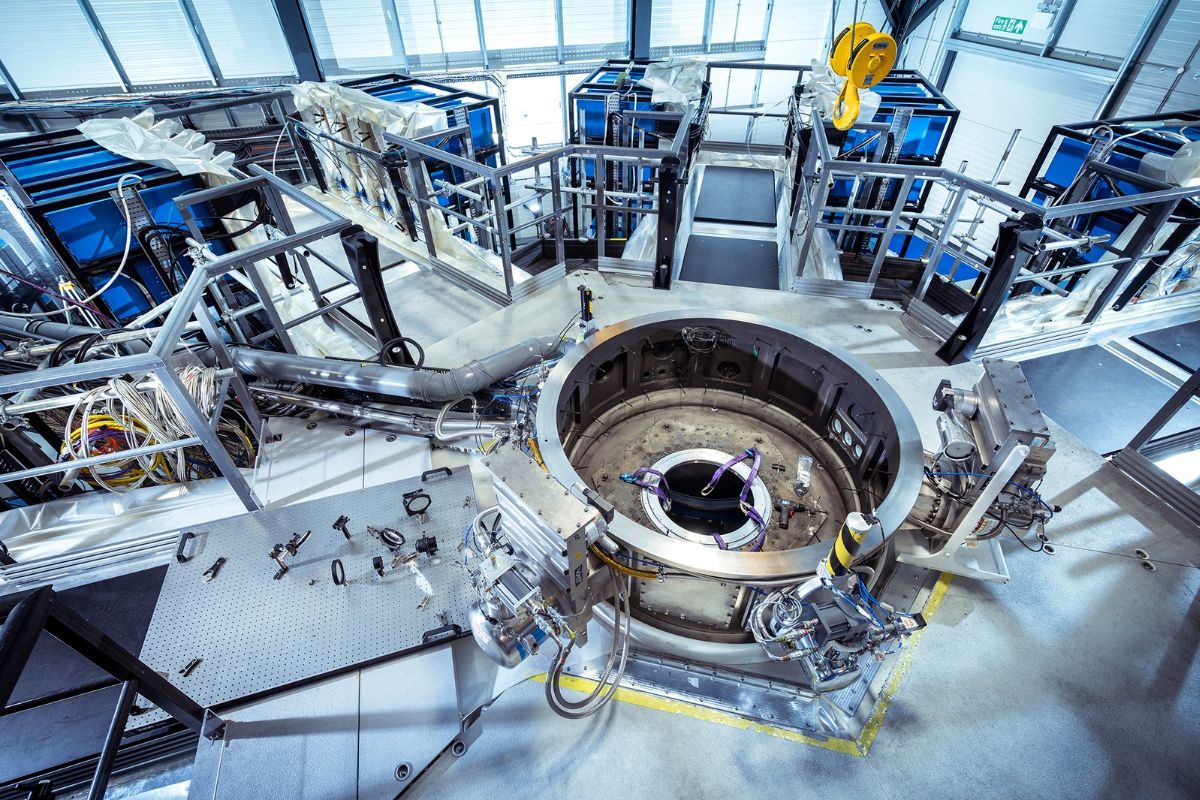
First Light Fusion has been selected by the UK Defence Science and Technology Laboratory (Dstl) to deliver a hypervelocity impact research campaign examining the behaviour of graphite under extreme conditions.
The contract will see the company reproduce a landmark hypervelocity impact experiment and generate high-fidelity data to support Dstl’s understanding of material performance under extreme loading conditions. This in turn will help inform future defence research and modelling.
The award is another sign of how First Light Fusion’s specialist facilities, originally developed to support its fusion energy ambitions, are finding applications well beyond the energy sector.
Paul Holligan, VP Commercial and Partnerships at First Light Fusion, said: “Our expertise in hypervelocity impact physics and advanced diagnostics enables us to provide customers with unique experimental services, generating the high-quality data needed to understand material behaviour in some of the most extreme environments.”
For UK SMEs across the defence and aerospace supply chain, the contract demonstrates the growing value of dual-use technologies, where capabilities developed for one market can unlock opportunities in another.
Supporting Dstl research
Using its integrated gas gun and pulsed power platforms, First Light Fusion will conduct a series of experiments investigating how graphite targets respond when struck by steel projectiles travelling at speeds exceeding 3km/s.
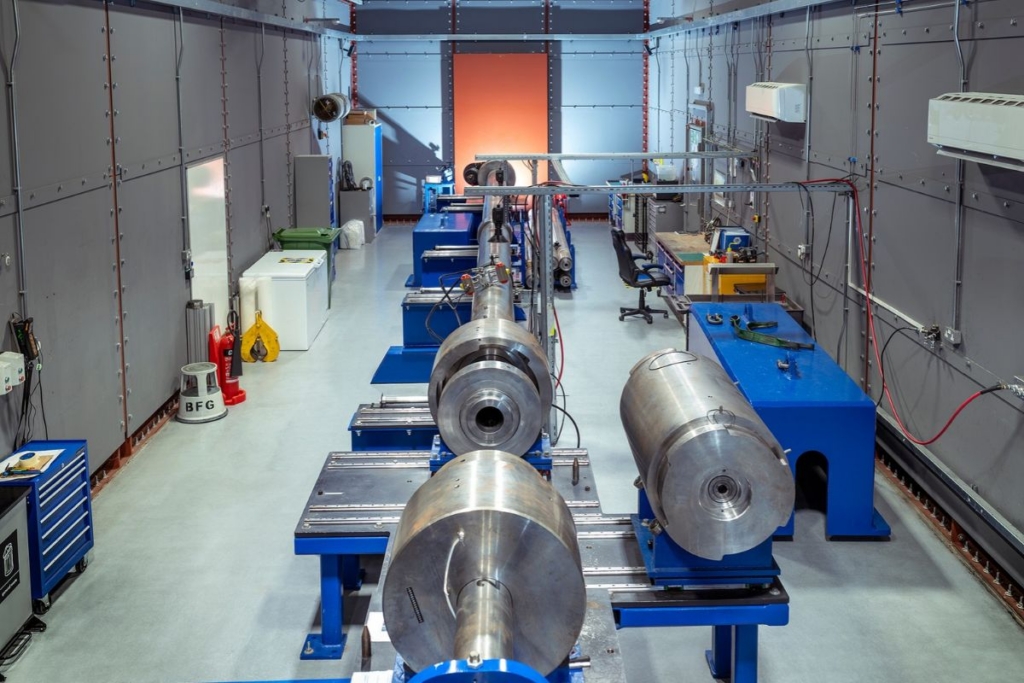
The programme will reproduce a landmark hypervelocity impact study conducted by Hébert et al. (2017). This will enable a direct comparison with published results, while exploring an observed change in material behaviour at higher impact velocities.
Through advanced diagnostics, simulation tools and proprietary amplification technology, the company will generate data to support Dstl’s research into material strength transitions, crater formation and energy dissipation mechanisms.
A Dstl spokesperson said: “This programme will generate valuable experimental evidence to deepen our understanding of how materials behave under hypervelocity impact.
“First Light Fusion’s specialist facilities and expertise will enable us to examine these effects across a carefully controlled range of conditions, supporting the development and validation of improved material models for defence applications.”
Capability attracting attention
The company’s specialist testing infrastructure has also attracted attention beyond the fusion sector. During a recent visit to First Light Fusion’s Oxfordshire headquarters, Fred Thomas MP viewed facilities including the UK’s largest two-stage gas gun, which can be used to recreate the extreme temperatures, pressures and impact conditions experienced by materials in some of the harshest operating environments.
After the visit, Thomas wrote on LinkedIn: “While their core aim is working towards fusion for clean, abundant energy, there are other capabilities this opens up along the way.”
He added: “I know how highly regarded this site is across some strategically significant defence strands of work, both here in the UK and in the USA.”
Fusion expertise creating defence opportunities
Founded in 2011, First Light Fusion has spent more than a decade developing expertise in fusion physics, simulation, target design, precision manufacturing and experimental validation.
While the company remains focused on delivering commercial fusion energy, the Dstl contract highlights how those investments are creating wider opportunities in defence, aerospace and advanced materials.
The programme demonstrates how infrastructure developed for fusion research can also support organisations seeking to understand how materials and components perform under extreme conditions.
Sign up for our newsletter and get our latest content in your inbox.
Similar Reads

Sign up for our newsletter. Select all sectors relevant to you.
Related