UK wildfires expose gaps in emergency preparedness, MPs warn


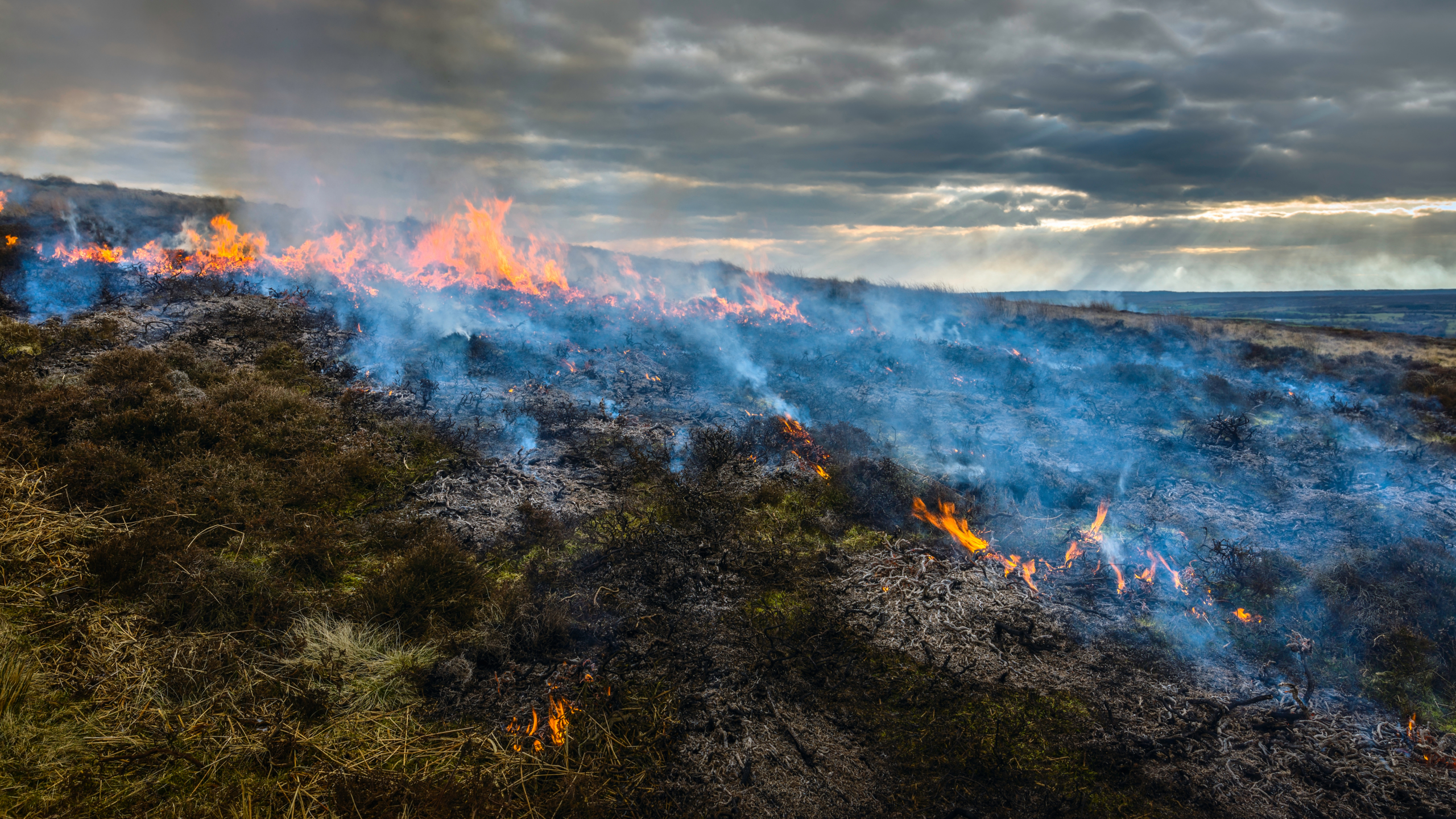
The UK must strengthen its defences against wildfires after a record-breaking season exposed weaknesses in emergency preparedness, a committee of MPs has warned.
The Environment, Food and Rural Affairs Committee has called for improved firefighting resources (including aircraft), restrictions on disposable barbecues and a nationwide public awareness campaign to reduce the growing threat.
Its findings follow a summer of devastating fires that destroyed homes, damaged vast areas of countryside and placed fire and rescue services under intense pressure. The government has described improving wildfire preparedness as a “major priority”, as concerns grow over the impact of increasingly extreme weather.
Thousands of hectares affected as fires spread
As reported by the BBC, the scale of this year’s wildfire season has raised fresh questions about whether the UK is adequately equipped to deal with increasingly dangerous conditions. Fires prompted military assistance in South Wales, destroyed 19 homes in Stourbridge and scorched land across areas including the Cairngorms, Staffordshire and Suffolk.
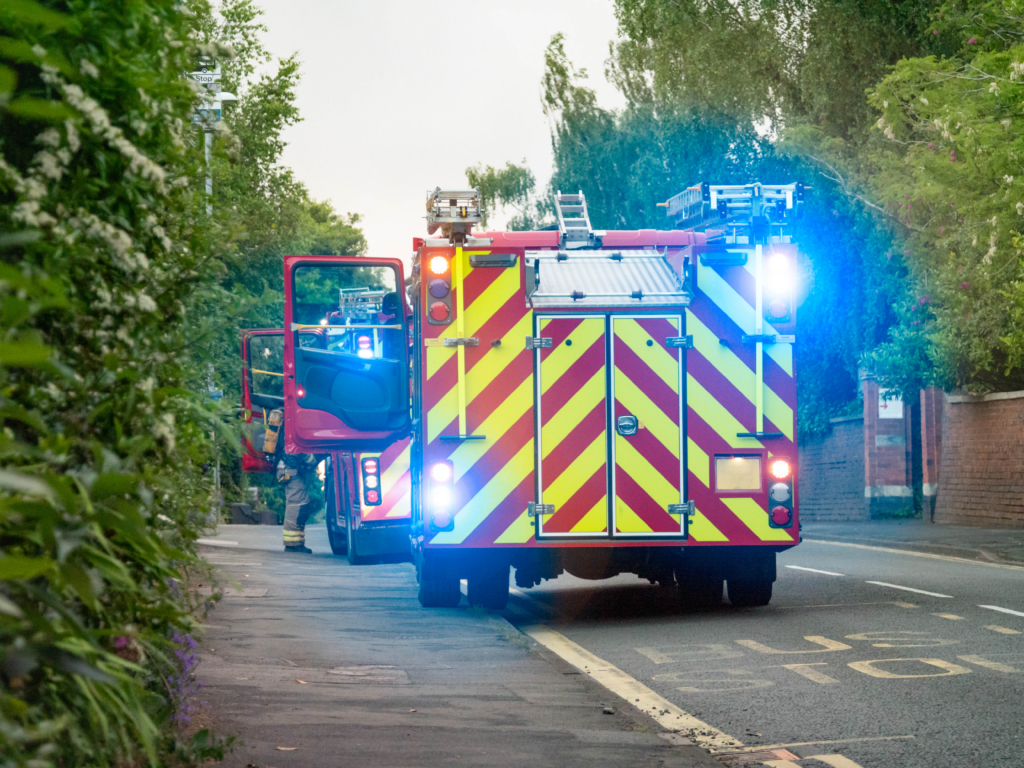
Fire and rescue services in England and Wales responded to 1,132 wildfires between 1 January and 16 August — already exceeding the total recorded throughout the whole of 2025. During the August heatwave, millions of people received emergency alerts on their mobile phones warning of an extremely high risk of wildfires.
Major incidents were declared at several locations, including Dunwich Heath and RSPB Minsmere in Suffolk, the Cairngorms, parts of Hampshire and Holme Fen in Cambridgeshire. The fires created challenging conditions for emergency crews, with multiple incidents demanding attention at the same time.
Climate change makes preparation essential
The committee’s report warns that wildfires can no longer be treated as rare or exceptional events. Instead, MPs say they must be recognised as a growing part of the UK’s long-term climate resilience challenge, with climate change increasing the likelihood and severity of dangerous fire conditions.
Hotter, drier weather can leave vegetation more vulnerable to ignition, allowing fires to spread rapidly through woodland, grassland and other rural landscapes. The report argues that authorities must plan for future fire seasons rather than relying on emergency responses once major incidents have already begun.
Calls for better equipment and public awareness
The committee said the 2026 season had exposed weaknesses in national resilience, including access to aerial firefighting resources, securing water supplies during major incidents and coordinating resources at a national level. MPs said the current system for obtaining aerial firefighting support was “no longer fit for purpose” and called for a detailed implementation plan for a UK aerial firefighting capability ahead of next year’s wildfire season.
Among the committee’s recommendations are access to firefighting aircraft, restrictions on disposable barbecues in high-risk areas and a public information campaign to help people understand how their actions can contribute to wildfires. Such measures could help prevent fires from starting while improving the ability of emergency services to respond when incidents occur. The need for additional support became particularly clear in August, when fire chiefs reported “incredible pressure” as 11 major fires developed within just 48 hours.
The situation highlighted the difficulties of managing simultaneous emergencies across multiple regions, including the West Midlands, Hampshire and South Wales.
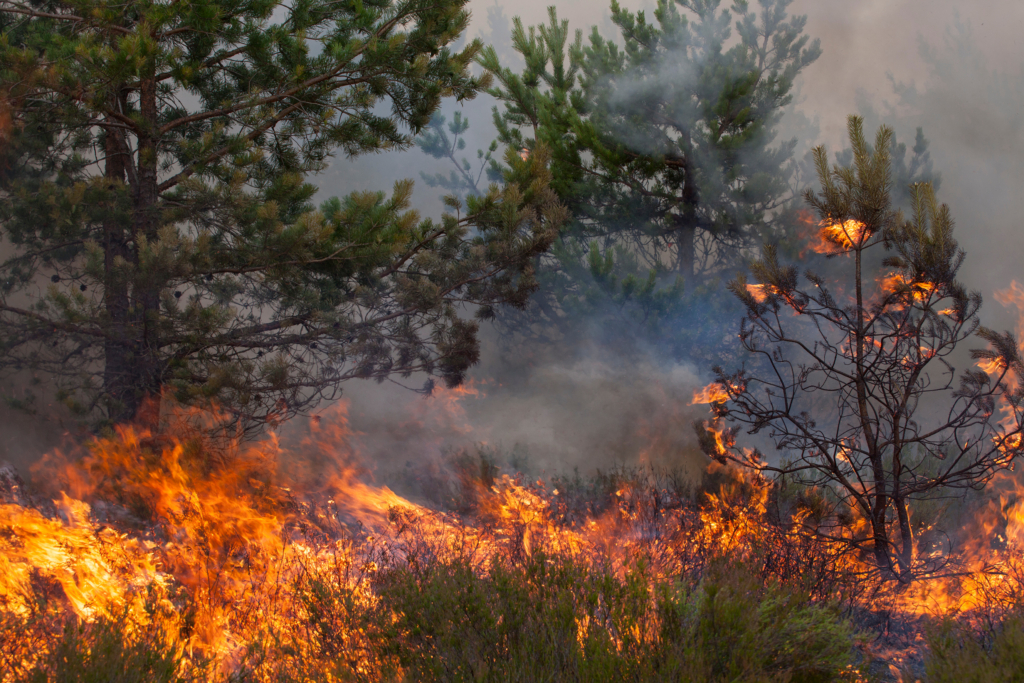
The committee’s message was clear, in that the UK needs a more coordinated and forward-looking approach to wildfire prevention and response. With extreme weather posing an increasing challenge, better equipment, public awareness and long-term planning could prove essential to protecting communities, emergency workers and the countryside.
The government now faces pressure to turn its commitment to preparedness into practical measures before the next severe wildfire season, likely to be in 2027.
Sign up for our newsletter and get our latest content in your inbox.
Similar Reads



Sign up for our newsletter. Select all sectors relevant to you.
Related