UK launches national resilience campaign amid growing cyber and security threats


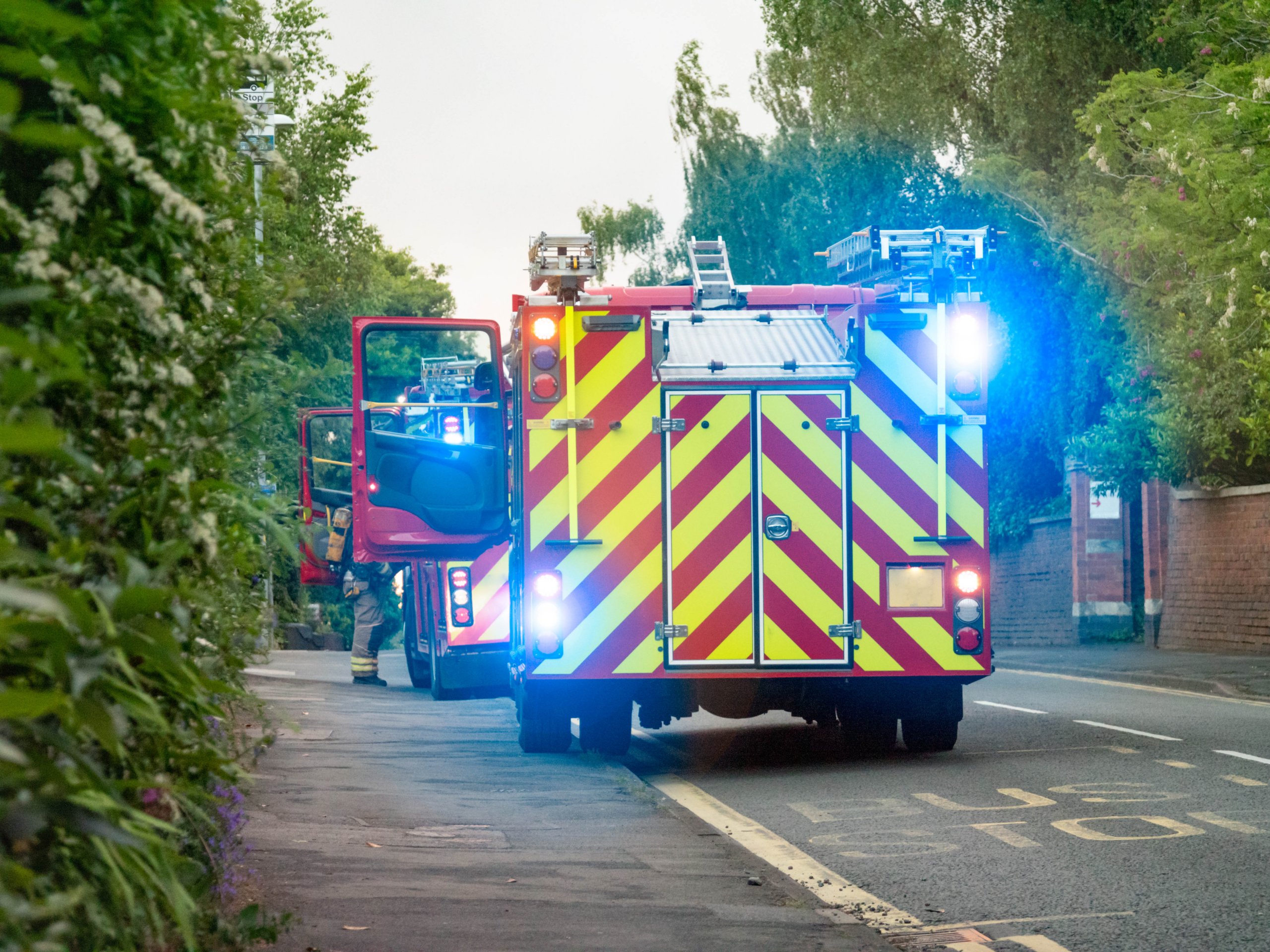
The UK government has launched a three-year national resilience campaign to help households prepare for emergencies, including cyberattacks, severe weather and disruption to essential services.
The Cabinet Office announced the Be Ready campaign on 22 October, confirming that more than 500 organisations, including businesses, charities and community groups, have already signed up to distribute its advice.
The campaign encourages households to keep enough essential supplies for three days if electricity, water, communications or other services become unavailable.
It forms part of the government’s wider efforts to improve national resilience against threats ranging from extreme weather to attacks on critical infrastructure.
More than 500 organisations supporting campaign
Businesses, charities, emergency services, local authorities and community organisations have helped develop the campaign.
The government said participating organisations will distribute campaign materials through their existing networks to reach households across the UK.
A partner toolkit will also be made available to local businesses and community groups to help them share emergency preparedness information.
Social media and radio advertising will follow over the coming months, with particular attention to families with young children and older people who may need additional support during emergencies.
The campaign has been developed with the Scottish Government, Welsh Government, Northern Ireland Executive, local councils and resilience forums.
The Cabinet Office also consulted organisations representing disabled people, people experiencing insecure housing and those who rely on foodbanks.
Government warns of disruption to essential services
The initiative follows growing government concern about how emergencies affect infrastructure and public services.
In its July 2026 Resilience Action Plan implementation report, the government identified cyberattacks, supply chain disruption and other security threats among the risks requiring stronger national preparedness.
The report also set out plans to improve cooperation between government, businesses, utility providers and community organisations.
The Cabinet Office said storms last winter and wildfires in summer showed how quickly essential services could be disrupted.
Research cited in the government’s 22 October ministerial statement found that just 13% of people in the UK felt prepared for an emergency that could cut them off from services they rely on.
The same research found that 84% wanted the government to provide more information about emergency preparedness.
Households advised to prepare for three days
The updated Be Ready guidance recommends that households keep enough bottled water and non-perishable food for three days.
It also encourages people eligible for the Priority Services Register to sign up so utility companies can identify customers who may require additional assistance during outages.
Security Minister Dan Jarvis said: “By taking simple steps to be ready for everyday emergencies like severe storms, people can reduce pressure on emergency services, helping them prioritise people who need more support in an emergency.”
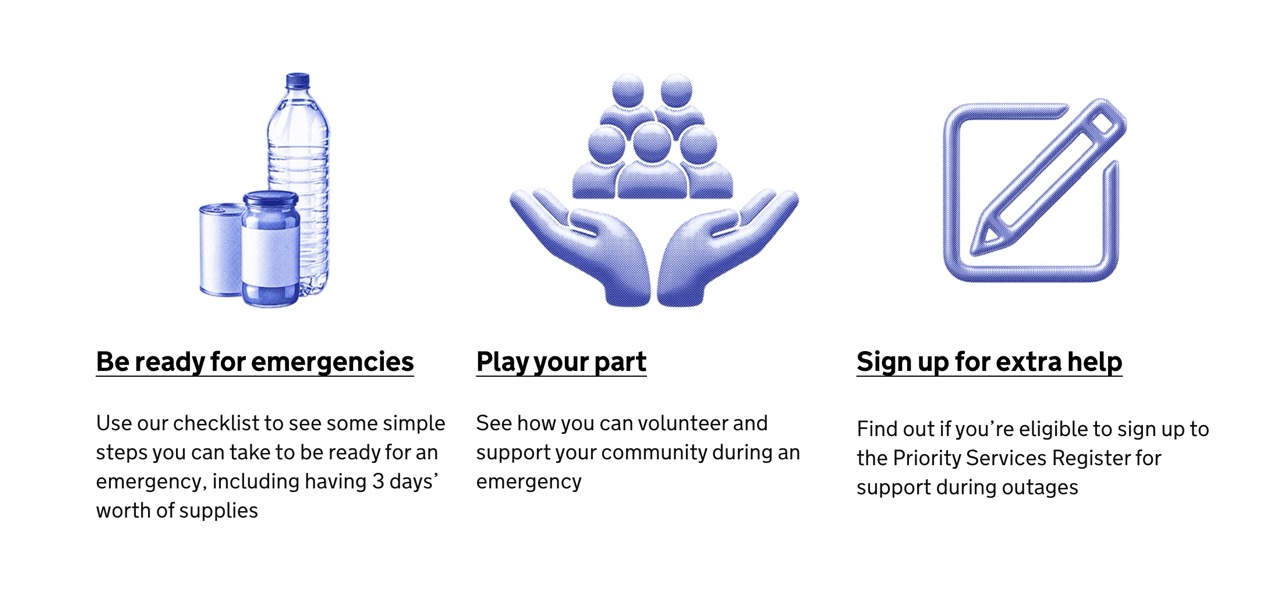
The government said the recommendations are intended to be affordable and practical. Some measures, including registering for additional utility support, are free.
Households are not expected to complete every preparation immediately, and officials acknowledge that some people will be unable to follow all the recommendations.
The three-day guidance is consistent with emergency preparedness advice already used in France, Ireland and the Netherlands.
Part of wider national resilience programme
The campaign follows the government’s July commitment to improve public awareness of emergency preparedness.
The government has run a household resilience campaign since May 2024. With the Be Ready campaign, the Prepare website was updated with new branding, but most of the advice remains the same and is still useful.
The wider Resilience Action Plan includes work on infrastructure protection, supply chain security and cooperation between public authorities and private businesses.
British Red Cross Director for UK Resilience Laura Scott welcomed the campaign, saying:
“Having clear and trusted advice for people, especially those who may be more at risk, could help reduce the impact of crises and even save lives.”
The government will continue distributing campaign materials through participating organisations and public advertising over the next three years.
Sign up for our newsletter and get our latest content in your inbox.
Similar Reads




Sign up for our newsletter. Select all sectors relevant to you.
Related