UK military satellite Titania reaches orbit as MoD trials space-threat sensors

The UK's second ISTARI military satellite, Titania, reaches orbit as trials launch for a three-site sensor network to monitor potential threats to spacecraft.

Titania Satellite
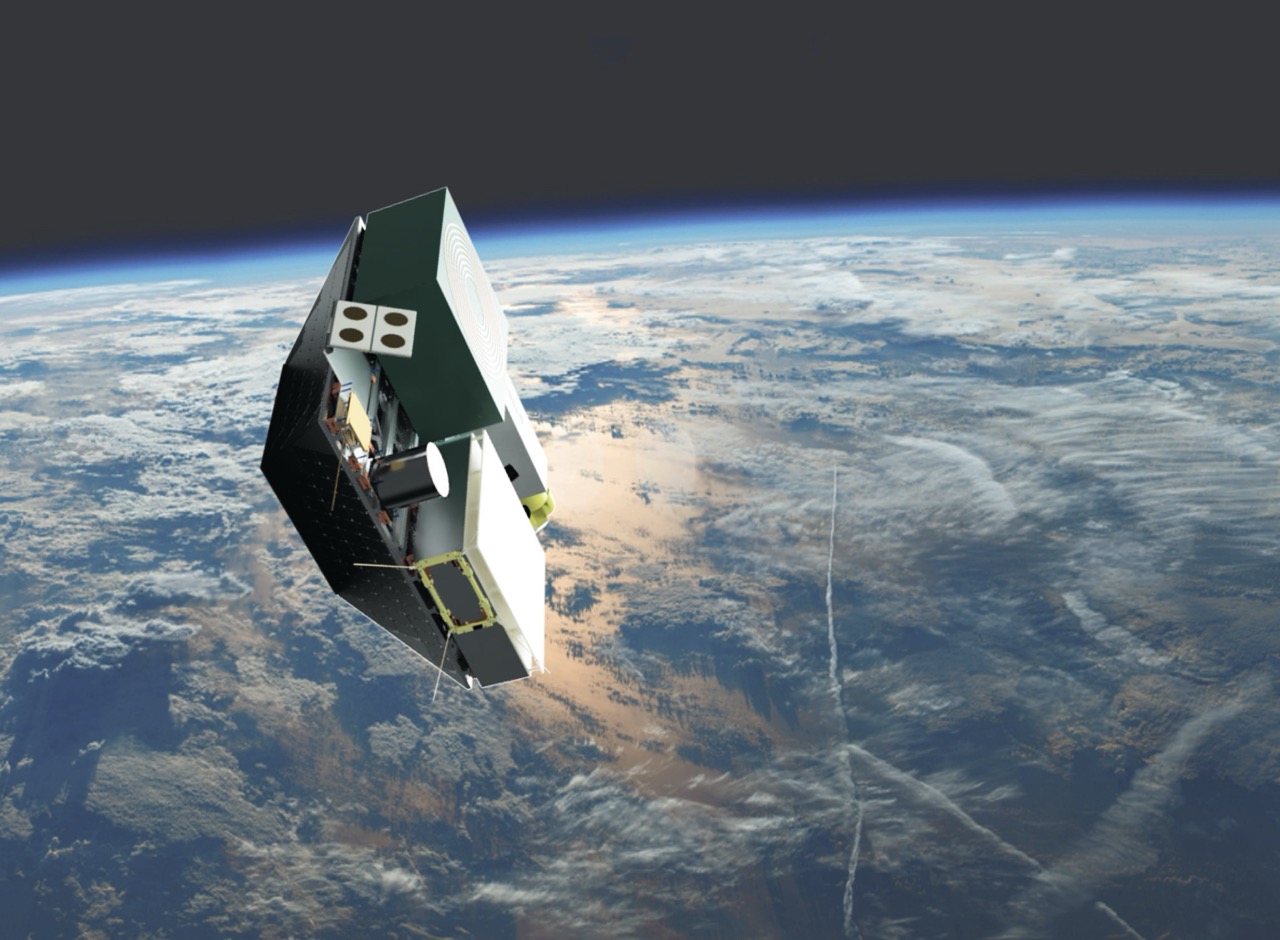
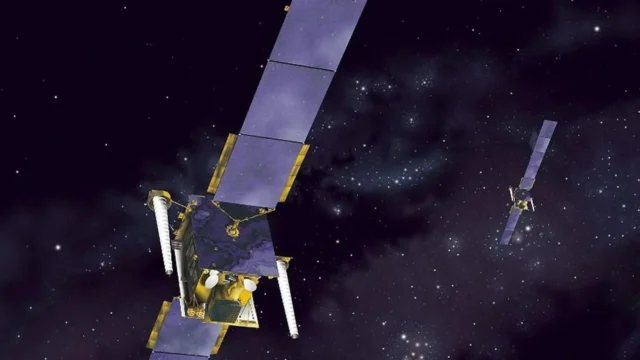
Image from BAE systems, artist's impression of Titania in space Photo: Gov UK

The UK’s second military satellite has reached orbit, as the Ministry of Defence (MoD) begins trials of a ground-based sensor network designed to detect potential threats to UK spacecraft.

Titania, launched in October, joins Tyche as part of the MoD’s expanding space-based intelligence, surveillance and reconnaissance (ISR) capability. UK Space Command will operate the satellite.

Titania demonstrates UK sovereign space capability

The Defence Science and Technology Laboratory (Dstl) and BAE Systems designed and built the new satellite in Hampshire under a £9.5 million contract.

“This programme highlights the strength of the UK’s sovereign space capability and the critical role it plays in protecting the nation. Building on our established heritage in space, we are proud to be investing in advanced technologies, strengthening specialist skills and supporting highly skilled jobs across the UK,” said Andrea Thompson, Managing Director, BAE Systems Digital Intelligence & Land. 

Titania weighs approximately 100kg and completes an orbit of Earth every 90 minutes, travelling at around 27,000km/h.

“Dstl has been at the heart of Titania, from the original concept, through Science and Technology investment, technical development, programme delivery, and successful launch,” said Dr Paul Hollinshead, Chief Executive Officer, Dstl. “The achievement reflects the expertise, resilience, and dedication of the Dstl team and showcases the value of long-term Defence Science and Technology investment, delivering mission success for our armed forces.”

Titania is part of the ISTARI UK military satellite programme

The satellite is part of the ISTARI programme, which is developing UK-controlled space-based ISR capabilities and supporting ground infrastructure.

Tyche, the programme’s first satellite, launched in August 2024. It carries an electro-optical imaging sensor with video capability. Titania will explore data technologies and capabilities. 

A technician from Surrey Satellite Technology Ltd (SSTL) works on the Tyche satellite on 13 January 2023. Based on SSTL’s Carbonite+ platform, the 150kg Tyche satellite was procured by the UK Space Command as part of the space-based ISR constellation being developed under the ISTARI project. Image: MOD Crown Copyright/AS1 Palmer
Image: MOD Crown Copyright/AS1 Palmer

Two further projects are planned. Juno, being developed with Surrey Satellite Technology Ltd (SSTL), will carry an advanced electro-optical sensor. Airbus Defence and Space is developing Oberon, a two-satellite system equipped with synthetic aperture radar sensors for imaging in darkness and poor weather conditions.

Project Inaros to trial space-threat detection sensors

Alongside Titania’s deployment, the MoD has announced Project Inaros, a trial of three ground-based neuromorphic sensors developed by UK-Australian company Optera in partnership with the National Security Strategic Investment Fund.

The sensors will be installed at sites in the UK, Australia and UK facilities in Cyprus. They detect changes in light using technology that mimics biological processes, providing early warning of unusual or threatening activity near UK satellites.

Data from the trials will support UK Space Command units, including No. 1 Space Operations Squadron, No. 2 Space Warning Squadron and the newly established No. 3 Space Effects Squadron.

“Having Titania now in orbit and Project Inaros stepping up how we watch over our satellites means we can see threats sooner, making the UK safer,” said Defence Secretary Wes Streeting.

Air Chief Marshal Sir Harv Smyth, Chief of the Air Staff, added: “The ability to observe the Earth from space is critical to both national resilience and military advantage.”

£3bn investment in UK defence space capabilities

The 2025 Strategic Defence Review identified space as an increasingly important domain for national security.

The satellite programmes are part of more than £3 billion allocated to defence space capabilities in the Defence Investment Plan, “to protect UK assets in space and strengthen deterrence on Earth”, with a commitment to spend £298 billion over the next four years.

Related

GE Aerospace and BETA demonstrate hybrid-electric takeoff with modified Saab 340B
GE Aerospace Saab SF340
GE Aerospace and BETA demonstrate hybrid-electric takeoff with modified Saab 340B
The companies have recently completed the world's first hybrid-electric assisted take-off using a conventional regional aircraft.
Aerospace

9 Nov 2026

British Airways navigates Q3 margin pressures amid rising costs and disruption
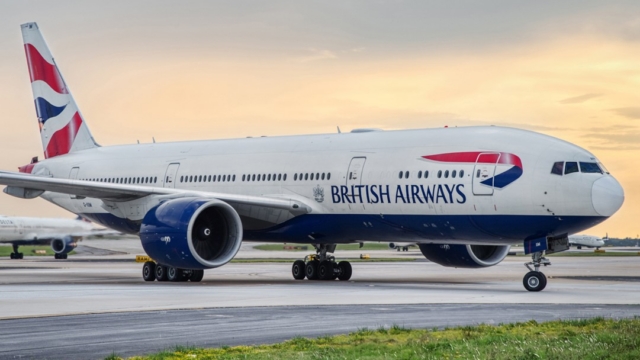
British Airways Boeing 777 aircraft at Atlanta Airport
British Airways navigates Q3 margin pressures amid rising costs and disruption
Rising fuel bills, air traffic control disruptions, and Middle East geopolitical pressures weighed on performance.
Aerospace

8 Nov 2026

Which UK aerospace jobs are hardest to fill in 2026?
Airbus engines
Which UK aerospace jobs are hardest to fill in 2026?
Aerospace skills shortages are particularly noticeable in positions requiring advanced technical knowledge, practical engineering experience and specialist qualifications.
Aerospace

8 Nov 2026

UK sends cyber “hunt forces” overseas to stop attacks on military networks
A team of five diverse cybersecurity analysts wearing headsets monitors security information and event management dashboards on multiple screens in a dark operations war room at night.
UK sends cyber “hunt forces” overseas to stop attacks on military networks
Specialist teams are being sent to Asia and Europe to stop hostile cyber operations before they become large-scale attacks.
Defence Security

9 Nov 2026

Royal Navy’s first autonomous squadron to operate Kraken and Rattler drone boats
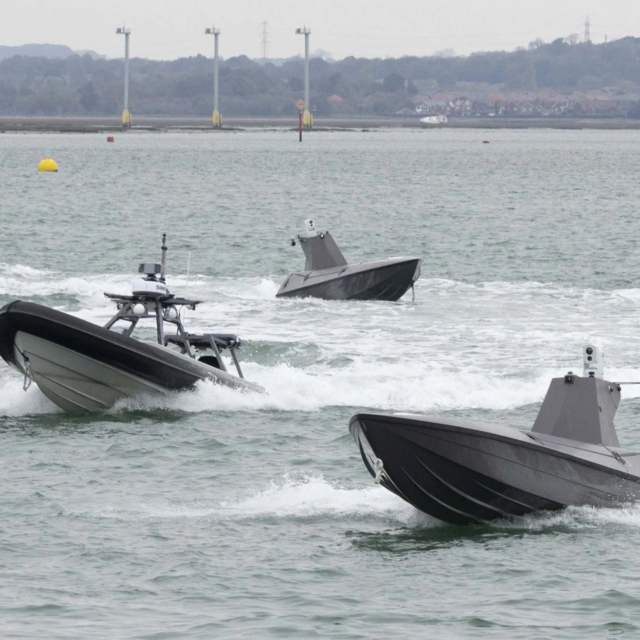
Kraken and Rattler during display at 1st Autonomous Squadron
Royal Navy’s first autonomous squadron to operate Kraken and Rattler drone boats
With the establishment of the 1st Autonomous Squadron, the Royal Navy has taken a tangible step transitioning into a hybrid navy.
Defence

9 Nov 2026

PM reviews £2.4bn Skynet satellite contract as Airbus and Lockheed make competing jobs pledges
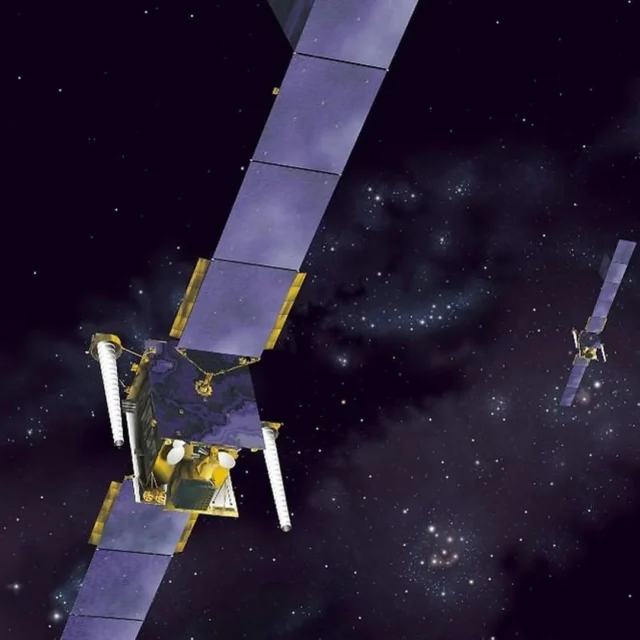
SKYNET 6A
PM reviews £2.4bn Skynet satellite contract as Airbus and Lockheed make competing jobs pledges
Airbus and Lockheed Martin are competing to deliver Britain's next military communications satellites, with the outcome carrying implications for UK jobs, investment and sovereign space capabilities.
Defence Uncategorized

9 Nov 2026

Leicester’s National Space Centre Discovery Team wins Sir Arthur Clarke Award
National Space Centre Discovery Team wins Sir Arthur Clarke Award
Leicester’s National Space Centre Discovery Team wins Sir Arthur Clarke Award
Following delivery of its education and outreach initiatives across the UK to inspire the next generation of scientists, engineers and space explorers, the National Space Centre's Discovery Team has gained national recognition by winning a prestigious Sir Arthur Clarke Award.
Member News Space

5 Nov 2026

Astroscale and OHB to collaborate on space security
Astroscale and OHB sign MoU
Astroscale and OHB to collaborate on space security
Following ratification of the Kensington Treaty in October, Astroscale and OHB have signed an MoU to enhance cooperation between the UK, Germany and Japan towards protecting critical infrastructure in space, whilst supporting the safe, sustainable and responsible use of the orbital environment.
UK Space Agency launches In-Orbit Manufacturing research competition
View_of_Harwell_campus_in_the_UK_article
UK Space Agency launches In-Orbit Manufacturing research competition
A new competition launched by the UK Space Agency (UKSA) seeks projects that will underpin the research, development and maturation of an In-Orbit Manufacturing process and associated payload.
Events Space

4 Nov 2026

UK sends cyber “hunt forces” overseas to stop attacks on military networks
A team of five diverse cybersecurity analysts wearing headsets monitors security information and event management dashboards on multiple screens in a dark operations war room at night.
UK sends cyber “hunt forces” overseas to stop attacks on military networks
Specialist teams are being sent to Asia and Europe to stop hostile cyber operations before they become large-scale attacks.
Defence Security

9 Nov 2026

Met Police chief calls for major overhaul to tackle cybercrime
Police on patrol
Met Police chief calls for major overhaul to tackle cybercrime
Metropolitan Police Commissioner Sir Mark Rowley has called for England and Wales’s 43 police forces to be reorganised into eight to 10 regional forces.
Security

6 Nov 2026

UK plans tougher facial recognition laws and police technology watchdog
Facial recognition
UK plans tougher facial recognition laws and police technology watchdog
The Home Office plans a statutory framework for police facial recognition, including independent oversight and mandatory bias testing.
Security

5 Nov 2026