Royal Navy’s first autonomous squadron to operate Kraken and Rattler drone boats

With the establishment of the 1st Autonomous Squadron, the Royal Navy has taken a tangible step transitioning into a hybrid navy.

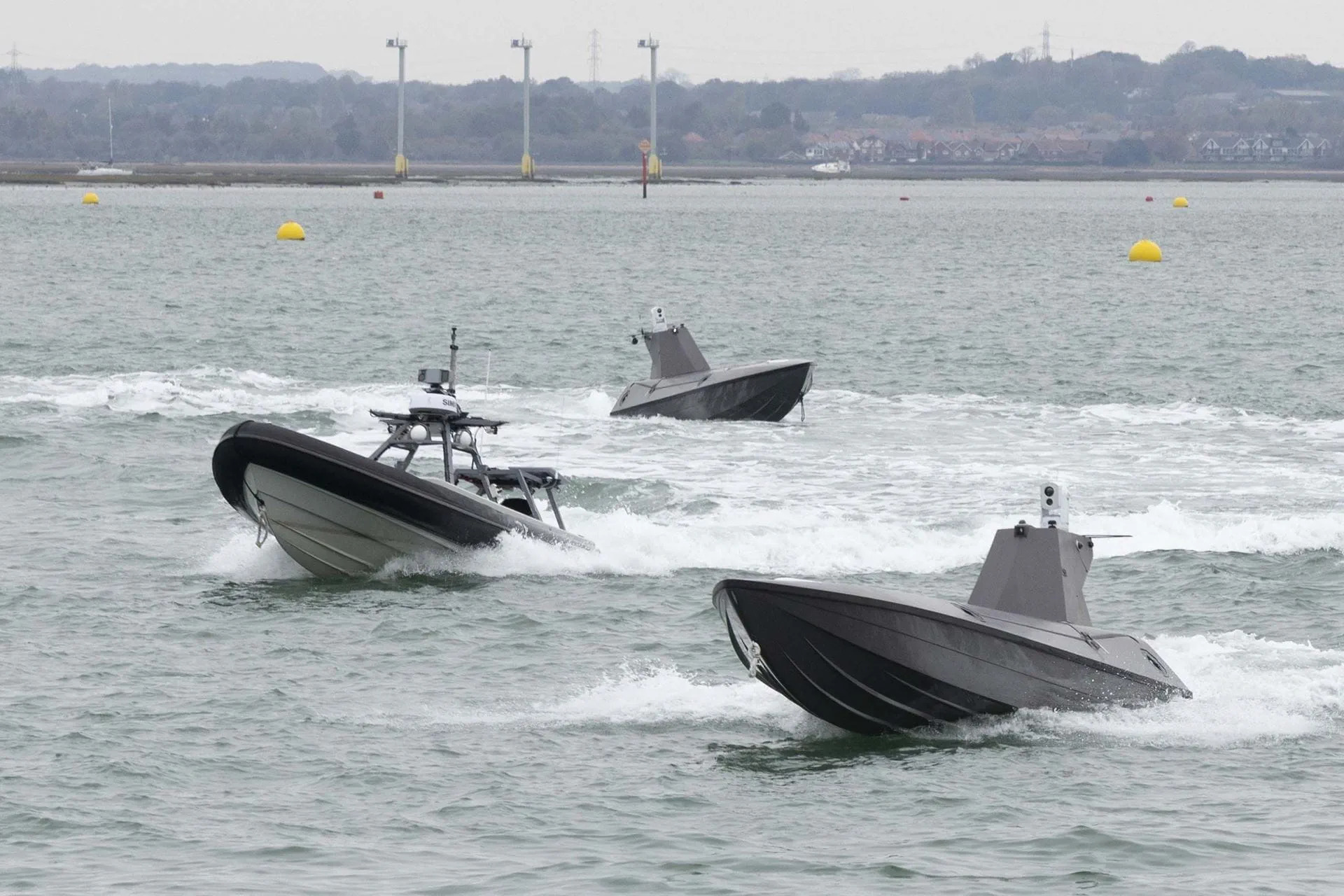
Kraken and Rattler during display at 1st Autonomous Squadron
Photo: Royal Navy

The Royal Navy has announced the commissioning of its 1st Autonomous Squadron, a new unit that will operate uncrewed boats on frontline operations.

The squadron was formally commissioned at HM Naval Base Portsmouth on 5 November, with the announcement published on 9 November. More than 200 naval personnel, dignitaries, media representatives, family members and friends attended the ceremony.
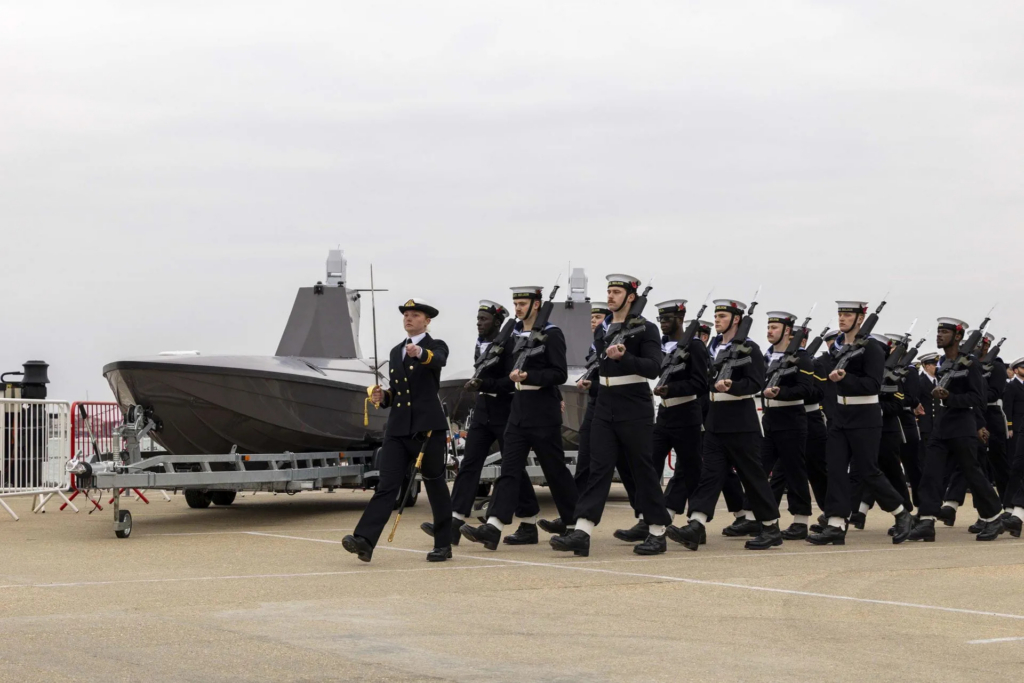
Guard march for the commissioning of 1st Autonomous Squadron
Photo: Royal Navy

Attendees saw a demonstration of the uncrewed surface vessels (USVs) the squadron will operate, including Kraken and Rattler craft, manoeuvred around Portsmouth Harbour from a control hub.

The Portsmouth-based squadron comprises around 180 personnel, split into two watches to sustain round-the-clock operations. It replaces Project Beehive, the Royal Navy’s initial programme to acquire autonomous boats and develop its hybrid navy technologies.

A step towards becoming a hybrid navy

The establishment of the 1st Autonomous Squadron marks a milestone in the Royal Navy’s transition to a hybrid navy. The wider effort is backed by £1.5 billion of investment over four years.

The transformation will see traditional warships and units integrated with uncrewed and autonomous technology.

Royal Navy Fleet Commander Vice-Admiral Steve Moorhouse attended the event and said: “The Royal Navy is doing something it has never done before. We are commissioning the first autonomous squadron in our history.”
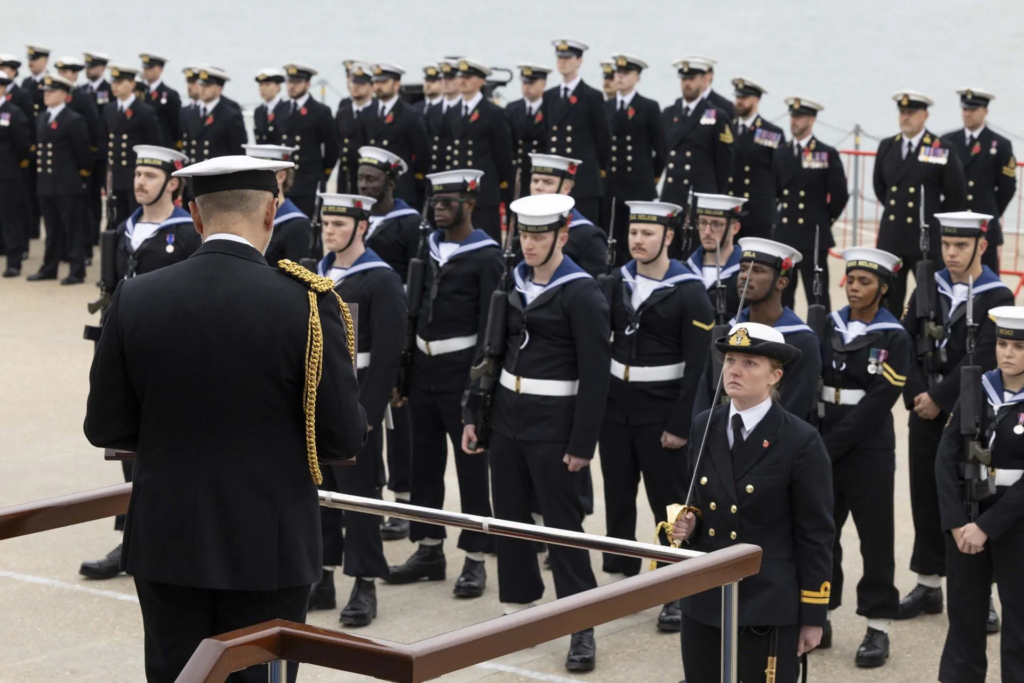
Commissioning ceremony of first Royal Navy autonomous squadron
Photo: Royal Navy

Moorhouse described the milestone as “genuinely historic”, saying the autonomous squadron would take its place alongside the ships, submarines and aircraft that have traditionally formed the fleet.

The new unit will operate vessels independently and within task groups alongside partner nations, while helping bring additional uncrewed systems into service.

Adapting to a changing security environment

Defence Secretary Wes Streeting said: “The threat environment we are facing is fundamentally different from that of recent decades. A major determinant of military power now is who can innovate fastest.”

Streeting said greater readiness to fight would strengthen deterrence and reduce the likelihood of conflict. He linked the investment in autonomous technology to what he described as the largest sustained increase in UK defence spending since the end of the Cold War.

Moorhouse said the transition to a hybrid navy was about giving personnel “better tools”.
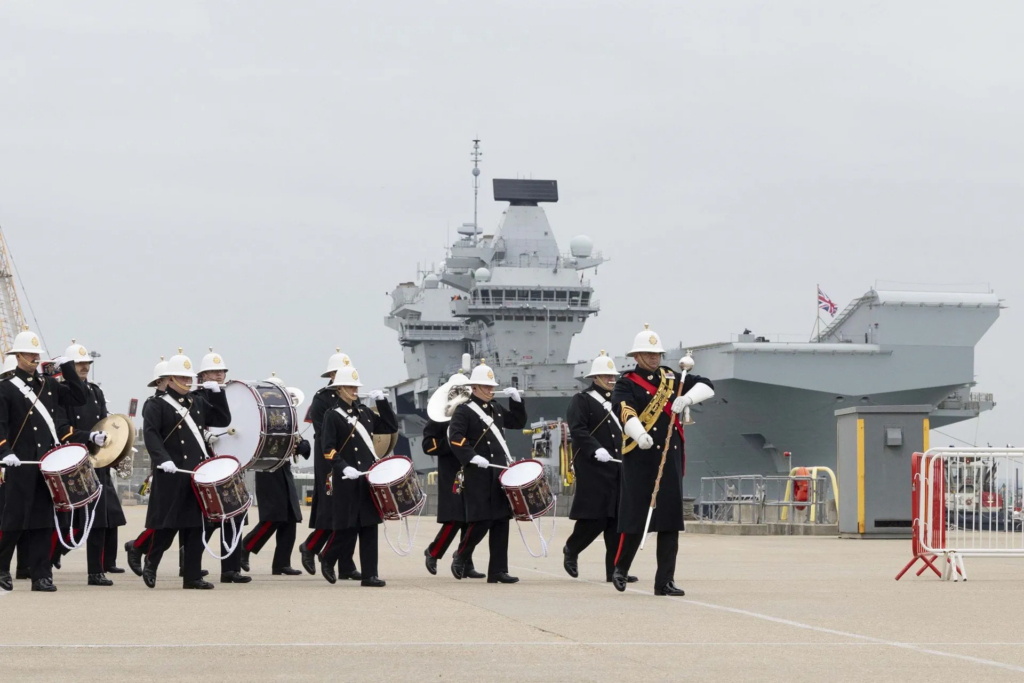
Royal Navy music band next to aircraft carrier
Photo: Royal Navy

The combination of crewed and autonomous capabilities would provide “more reach, more striking power and more options”, he said, making the fleet harder to knock out of a fight and quicker to adapt.

Separately, ADS Advance reported that a former senior Royal Navy officer said war games testing the UK’s hybrid navy concept produced roughly three times the missile capacity in a North Atlantic conflict scenario.

That assessment concerned the potential of a wider hybrid fleet in war games, rather than a demonstrated increase in the Royal Navy’s existing missile capacity or the capability of the new squadron alone.

Related

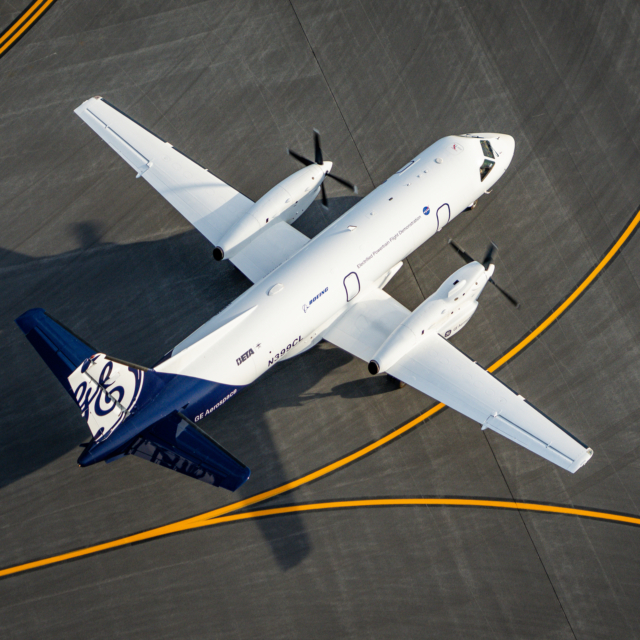
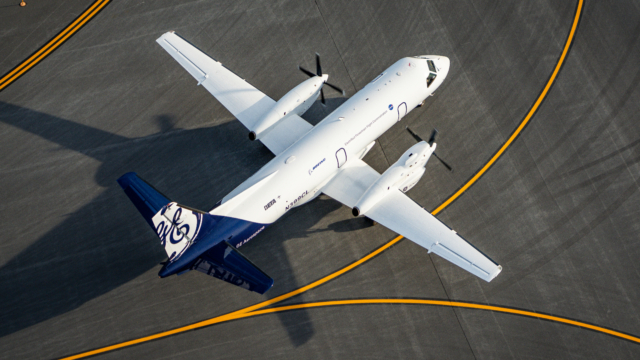
GE Aerospace and BETA demonstrate hybrid-electric takeoff with modified Saab 340B
GE Aerospace Saab SF340
GE Aerospace and BETA demonstrate hybrid-electric takeoff with modified Saab 340B
The companies have recently completed the world's first hybrid-electric assisted take-off using a conventional regional aircraft.
Aerospace

9 Nov 2026

British Airways navigates Q3 margin pressures amid rising costs and disruption
British Airways Boeing 777 aircraft at Atlanta Airport
British Airways navigates Q3 margin pressures amid rising costs and disruption
Rising fuel bills, air traffic control disruptions, and Middle East geopolitical pressures weighed on performance.
Aerospace

8 Nov 2026

Which UK aerospace jobs are hardest to fill in 2026?
Airbus engines
Which UK aerospace jobs are hardest to fill in 2026?
Aerospace skills shortages are particularly noticeable in positions requiring advanced technical knowledge, practical engineering experience and specialist qualifications.
Aerospace

8 Nov 2026

PM reviews £2.4bn Skynet satellite contract as Airbus and Lockheed make competing jobs pledges
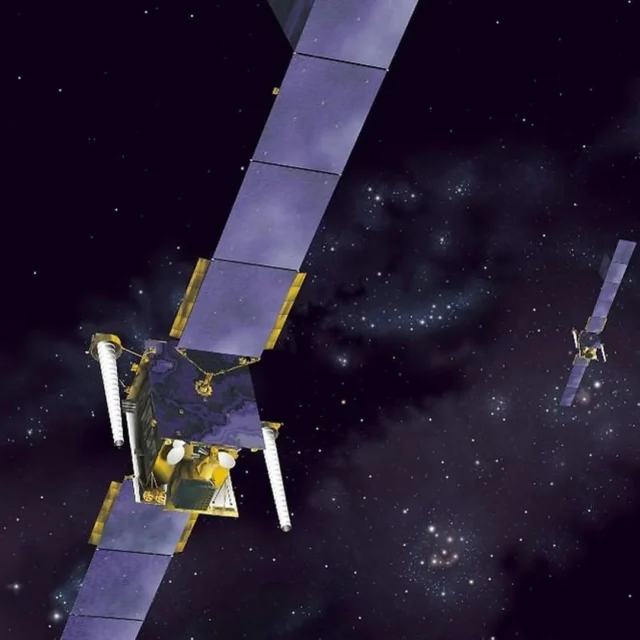
SKYNET 6A
PM reviews £2.4bn Skynet satellite contract as Airbus and Lockheed make competing jobs pledges
Airbus and Lockheed Martin are competing to deliver Britain's next military communications satellites, with the outcome carrying implications for UK jobs, investment and sovereign space capabilities.
Defence Uncategorized

9 Nov 2026

Which raw materials are critical to defence? NATO’s essential materials explained
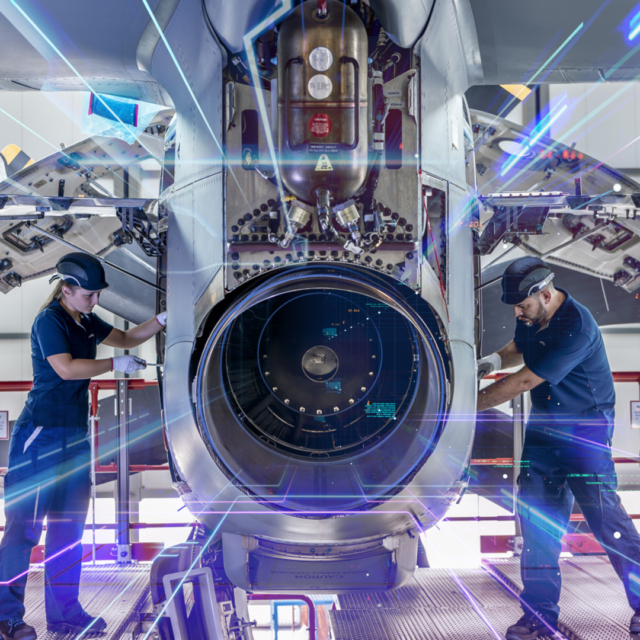
Engineer robotic mechanic women technician working in advance robotic industry plant work assembly robot arm repair fix maintenance or service large machine by hand skill
Which raw materials are critical to defence? NATO’s essential materials explained
Raw materials are fundamental to military aviation, playing a vital role in aircraft structures, jet engines, avionics and electrical systems. We explore NATO's list of 12 defence-critical materials, how they are used in aerospace and why securing a reliable supply matters to the industry.
Defence

8 Nov 2026

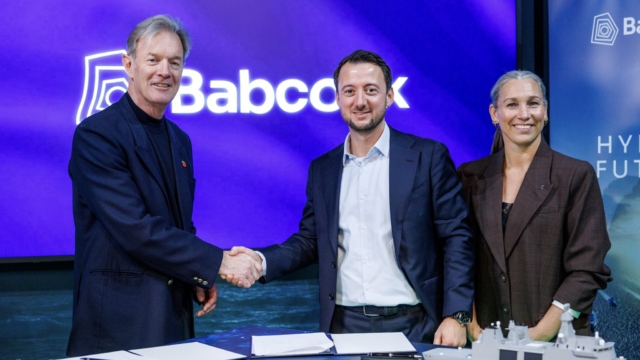
Babcock and Everllence partner on propulsion of Arrowhead Frigates
MoU signing at Euronaval, Paris.
Babcock and Everllence partner on propulsion of Arrowhead Frigates
The new partnership framework will see Everllence supporting the development of next-generation power and propulsion systems across Babcock's Arrowhead programmes.
Defence Member News

6 Nov 2026

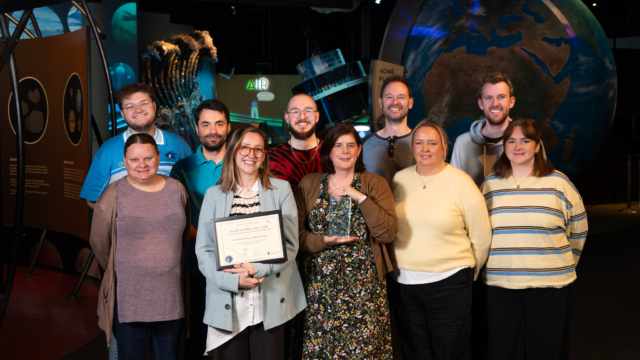
Leicester’s National Space Centre Discovery Team wins Sir Arthur Clarke Award
National Space Centre Discovery Team wins Sir Arthur Clarke Award
Leicester’s National Space Centre Discovery Team wins Sir Arthur Clarke Award
Following delivery of its education and outreach initiatives across the UK to inspire the next generation of scientists, engineers and space explorers, the National Space Centre's Discovery Team has gained national recognition by winning a prestigious Sir Arthur Clarke Award.
Member News Space

5 Nov 2026

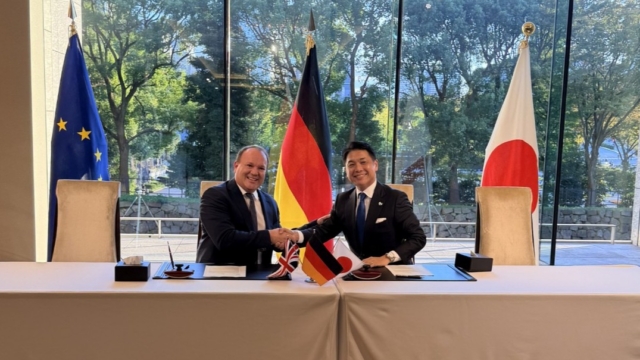
Astroscale and OHB to collaborate on space security
Astroscale and OHB sign MoU
Astroscale and OHB to collaborate on space security
Following ratification of the Kensington Treaty in October, Astroscale and OHB have signed an MoU to enhance cooperation between the UK, Germany and Japan towards protecting critical infrastructure in space, whilst supporting the safe, sustainable and responsible use of the orbital environment.
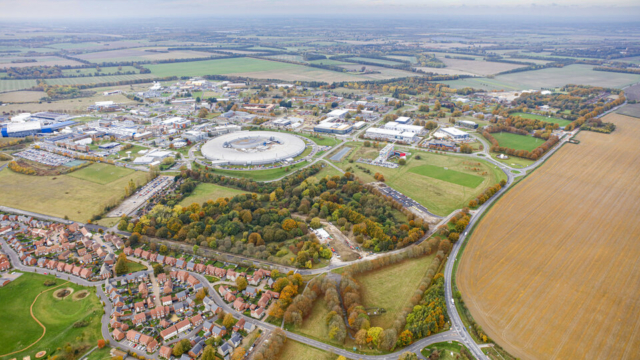
UK Space Agency launches In-Orbit Manufacturing research competition
View_of_Harwell_campus_in_the_UK_article
UK Space Agency launches In-Orbit Manufacturing research competition
A new competition launched by the UK Space Agency (UKSA) seeks projects that will underpin the research, development and maturation of an In-Orbit Manufacturing process and associated payload.
Events Space

4 Nov 2026

Met Police chief calls for major overhaul to tackle cybercrime
Police on patrol
Met Police chief calls for major overhaul to tackle cybercrime
Metropolitan Police Commissioner Sir Mark Rowley has called for England and Wales’s 43 police forces to be reorganised into eight to 10 regional forces.
Security

6 Nov 2026

UK plans tougher facial recognition laws and police technology watchdog
Facial recognition
UK plans tougher facial recognition laws and police technology watchdog
The Home Office plans a statutory framework for police facial recognition, including independent oversight and mandatory bias testing.
Security

5 Nov 2026

Astroscale and OHB to collaborate on space security
Astroscale and OHB sign MoU
Astroscale and OHB to collaborate on space security
Following ratification of the Kensington Treaty in October, Astroscale and OHB have signed an MoU to enhance cooperation between the UK, Germany and Japan towards protecting critical infrastructure in space, whilst supporting the safe, sustainable and responsible use of the orbital environment.