Spitfire passenger flights end at historic Hampshire airfield over safety fears

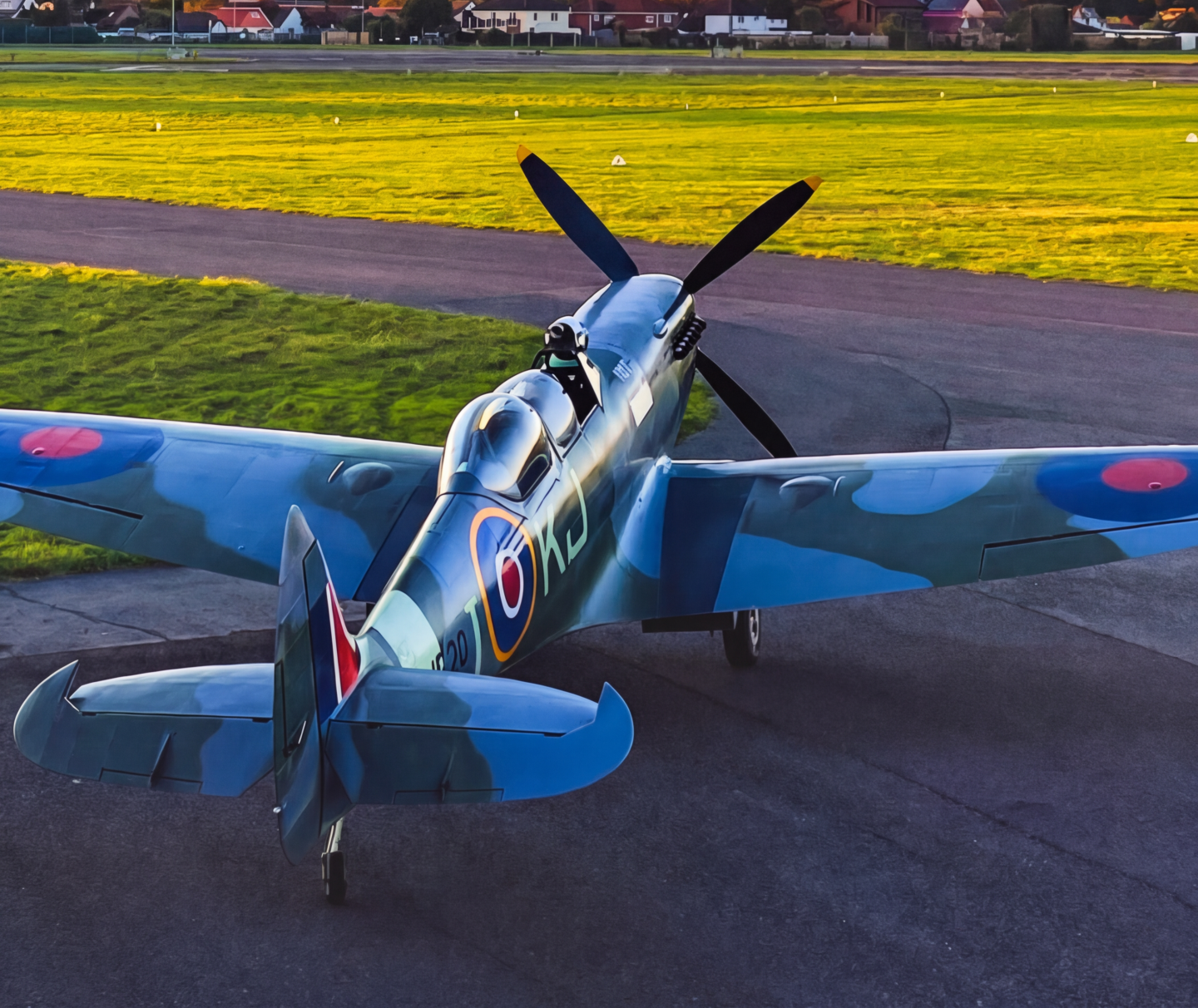
The familiar sound of a Rolls-Royce Merlin engine will no longer accompany summer days along the Hampshire coast after a Spitfire operator permanently ended passenger flights from Lee-on-Solent Daedalus Airport, citing concerns that crowded beaches have made an emergency landing too dangerous.
Spitfires.com announced the decision on 20 November following its end-of-season safety review. The company said an engine failure shortly after take-off from Runway 23 could leave a pilot facing an impossible choice of whether to ditch the historic fighter in the Solent or attempt to land on a beach increasingly occupied by families and holidaymakers.
The decision brings to an end eight years of passenger flights from the former Royal Navy airfield, where the sight and sound of the Second World War fighter had become familiar to residents.
“Sadly, after 8 years of successful Spitfire flying from the historical Lee-on-Solent Daedalus Airport we have made the decision to cease our flight offerings there from immediate effect,” the operator said.
The Spitfire experience continues elsewhere
The decision does not mark the end of passenger flights in the historic fighter.
Spitfires.com said it would continue offering flights over the Isle of Wight and the Needles from Goodwood and Bournemouth.
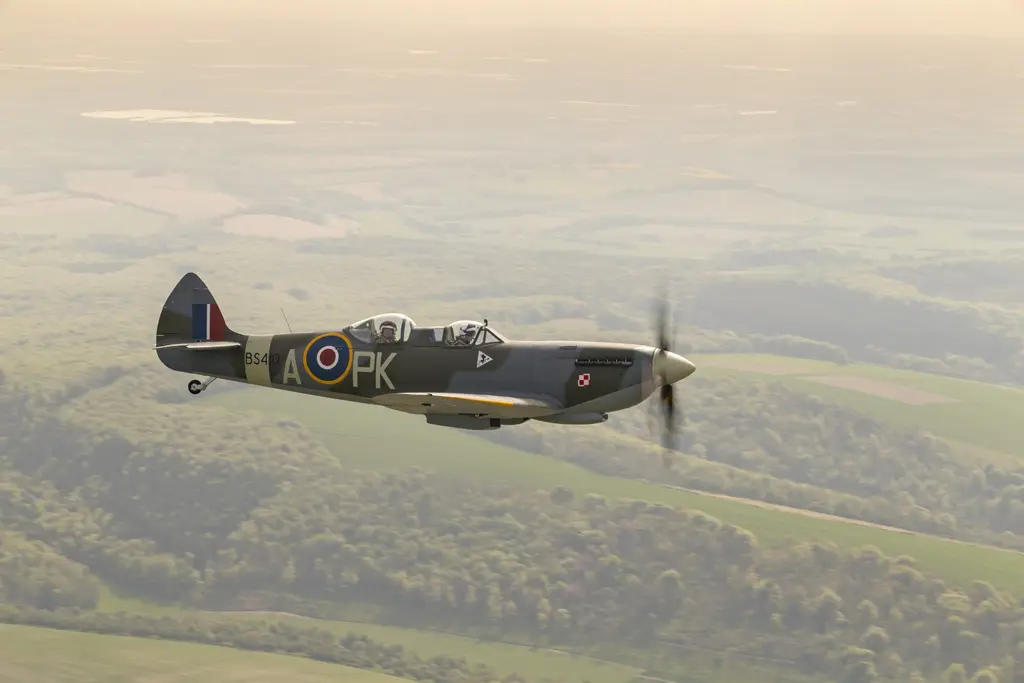
Passengers who had planned to fly from Lee-on-Solent are being offered a price-matching arrangement for the shortest Bournemouth flight.
Historic Spitfire passenger experiences are also offered by other operators in the UK. A separate operator at Blackbushe Airport, for example, advertises a 30-minute Hampshire Downs experience priced at £3,250, including pre-flight preparation and the opportunity to handle the aircraft’s dual controls under a pilot’s supervision.
Such flights provide an unusual connection with aviation history. Passengers experience the sound and vibration of the Merlin engine from inside an aircraft type that became a symbol of the RAF’s wartime defence of the UK.
What led to the cessation of spitfire passenger flight ops from Lee-on-Solent
The company stressed that the decision was not prompted by an engine failure involving its aircraft. It said it had completed more than 10,000 flights without an airborne engine issue, crediting the reliability of the Rolls-Royce Merlin engine and the work of its engineering team.
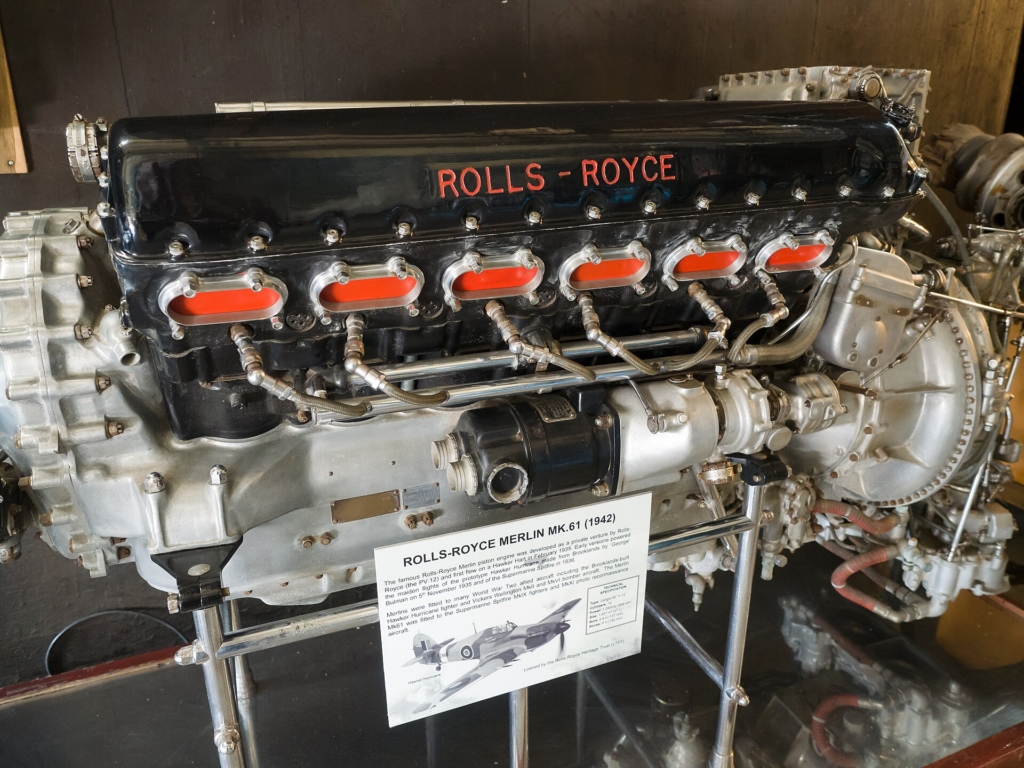
Instead, the concern was what could happen in the unlikely event of an engine failure at one particular point during departure.
A difficult choice after take-off
The Spitfire is one of the most recognisable aircraft of the Second World War, remembered particularly for its role in the Battle of Britain. Today, passenger flights in two-seat examples offer aviation enthusiasts and members of the public an opportunity to experience the aircraft in flight.
But the characteristics that make the Spitfire an extraordinary historic aircraft also demand careful consideration when choosing where it operates.
The aircraft has a single piston engine. If that engine fails shortly after take-off, the pilot has little height or time to find somewhere suitable to land.
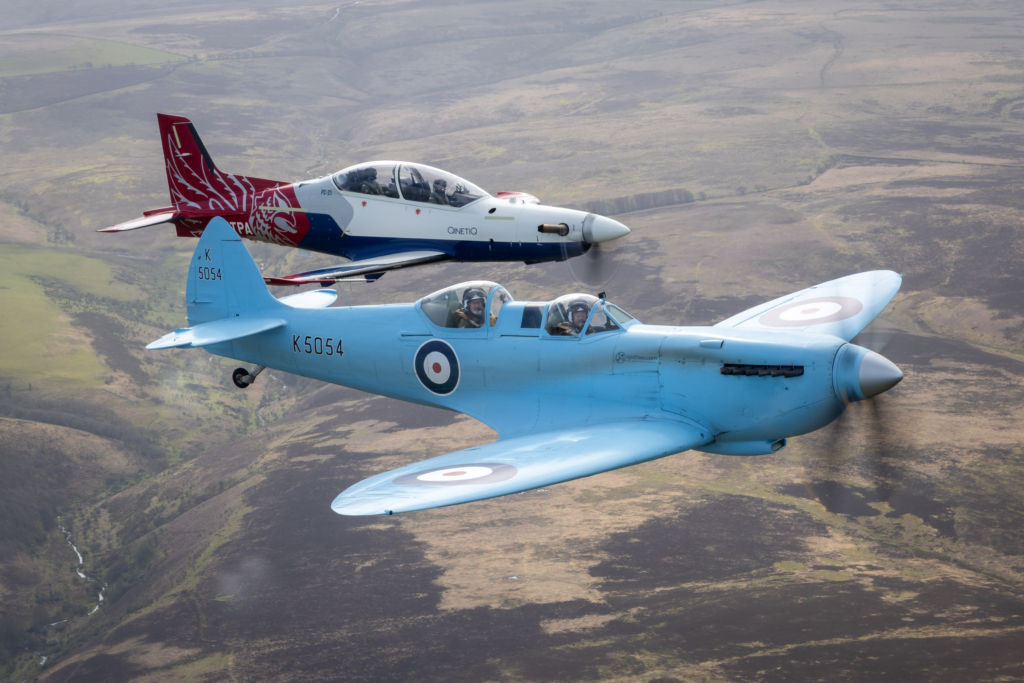
At Lee-on-Solent, the company’s principal concern centred on departures from Runway 23, which take aircraft towards the water.
According to Spitfires.com, a failure at that stage could leave the pilot with two options. Attempt a landing on the beach or ditch in the sea.
The operator considers a forced landing on suitable ground considerably more survivable than ditching a Spitfire in water.
The company had previously addressed the risk through a specially developed emergency procedure. Pilots trained in its in-house Spitfire simulator to make a sharp left turn after take-off, positioning the aircraft for a possible forced landing on the beach rather than in the sea.
The manoeuvre was included in annual recurrent training for pilots operating from Lee-on-Solent.
Residents watching the aircraft over the years may have noticed the distinctive turn after departure, which formed part of the operator’s established safety arrangements.
However, that procedure depended on the availability of a sufficiently clear beach.
When the beaches became too crowded
The company said this summer’s heatwave brought unusually large numbers of people to beaches around Lee-on-the-Solent and Gosport. Areas previously considered suitable for a possible emergency landing were increasingly occupied by people enjoying the coastline. The changing conditions created a new concern of protecting those on the ground as well as the aircraft’s occupants.
In its statement, the operator said the beaches had attracted visitors in numbers it had not previously experienced, adding that it saw little reason to expect the situation to reverse as summers become hotter.
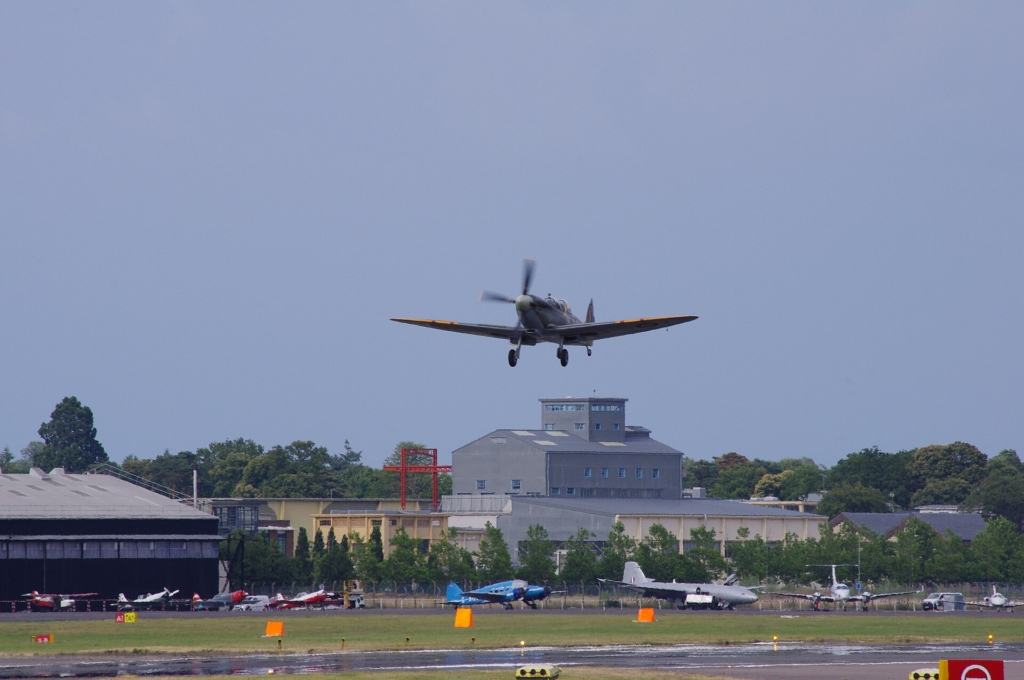
The safety review concluded that neither ditching in the sea nor attempting a forced landing on a crowded beach offered an acceptable solution.
“We have tried to come up with alternative solutions but have been unable to do so and we simply can no longer accept the risk as is,” the company said.
It concluded that Lee-on-Solent was no longer suitable for its Spitfire passenger flights and decided to relocate those operations.
The assessment followed a wider review of safety at the company’s operating locations. Spitfires.com said recent accidents involving historic military aircraft internationally had prompted particular attention to engine failure after take-off, commonly abbreviated to EFATO.
Its safety committee meets at the beginning and end of each flying season to examine operational risks, including potential dangers to passengers and people on the ground.
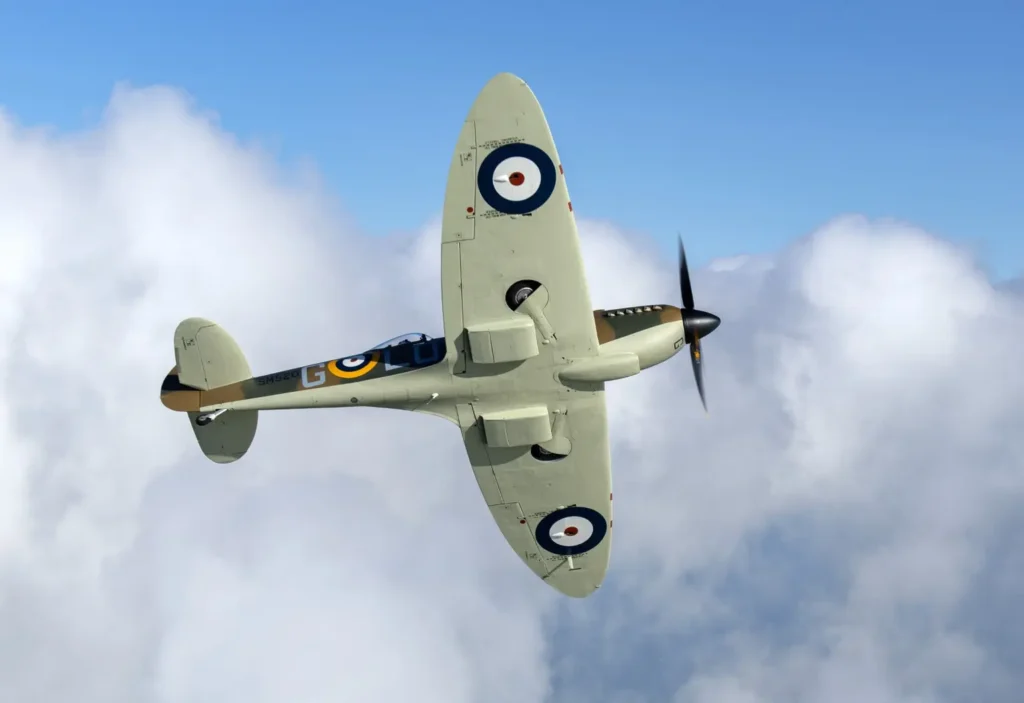
The decision illustrates a difficult aspect of operating historic aircraft commercially. An airfield may remain suitable for general aviation, while the particular risks associated with carrying passengers in a vintage single-engine fighter lead an operator to reach a different conclusion.
The announcement does not amount to a closure of Daedalus Airport or a general prohibition on Spitfire flying there. It concerns Spitfires.com’s passenger operations from the airfield.
An absence that will be noticed
Spitfire flights began at Lee-on-Solent in 2018, giving residents regular opportunities to see an aircraft whose distinctive elliptical wings and Merlin engine remain closely associated with Britain’s wartime aviation history.
The company acknowledged that its departure would be disappointing to people who enjoyed watching the aircraft.
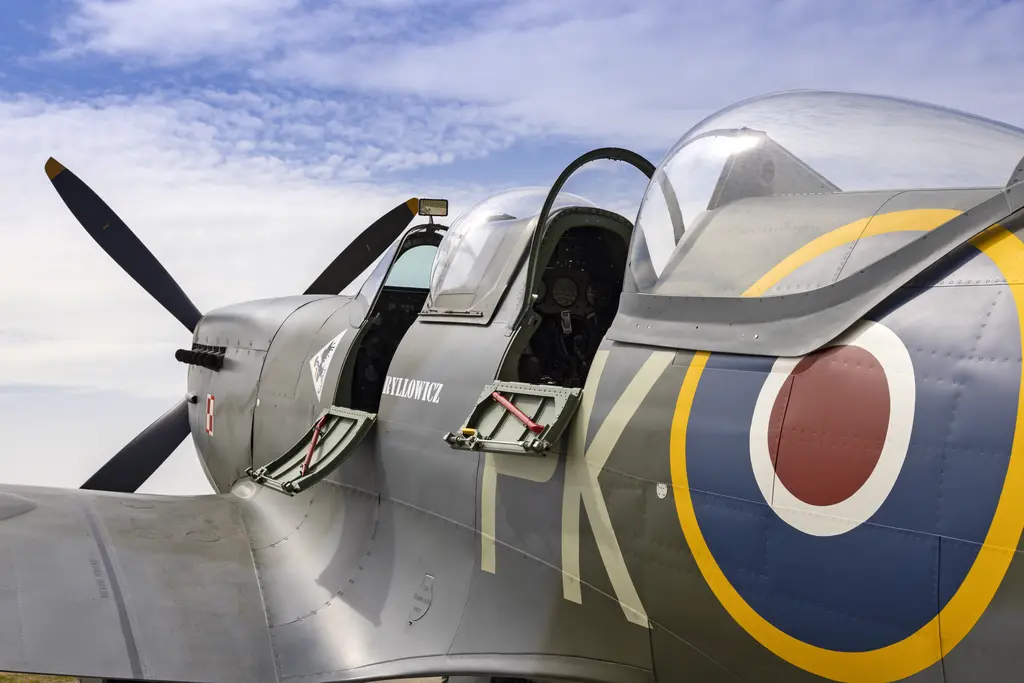
It also recognised that some residents might welcome quieter summer days without the engine noise.
“Perhaps for others the news will be received more positively with the prospect of less Merlin engine noise (albeit ‘Merlin music’ to many of us) throughout the summer months,” it said.
The operator thanked Daedalus Airport and Fareham Borough Council for supporting its activities over the past eight years.
Rather than simply ending its association with the area, the company is offering 100 local residents the opportunity to visit its hangar at Goodwood during the winter maintenance season.
The free tours, hosted by its in-house historian, will allow visitors to see the Spitfires undergoing their annual maintenance.
The first 50 eligible applicants from Lee-on-the-Solent, Fareham and Gosport will receive two tickets each. Applications can be made through the operator’s published contact address, with tickets sent to qualifying local addresses.
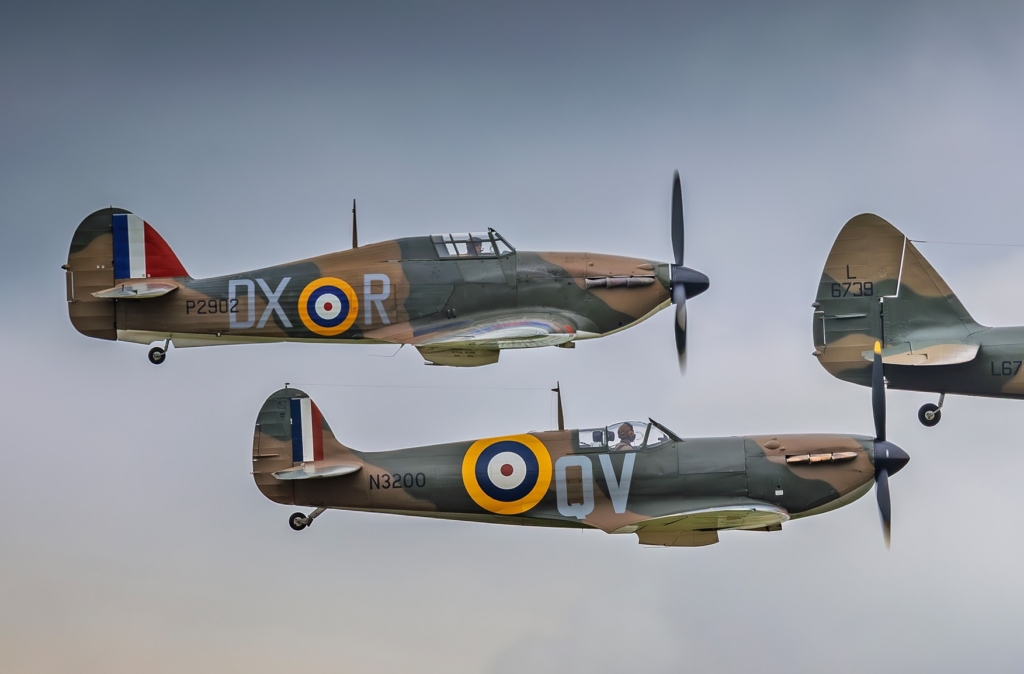
The gesture offers residents a different opportunity to see the aircraft, this time on the ground and in the hands of the engineers responsible for keeping them airworthy.
The Spitfires will continue flying from other airfields, but after eight summers at Daedalus, the Hampshire coastline has lost one of its most distinctive aviation sights.
Sign up for our newsletter and get our latest content in your inbox.
Similar Reads




Sign up for our newsletter. Select all sectors relevant to you.
Related