

DVD 2026 highlights: Drones, robots and the British Army’s connected future


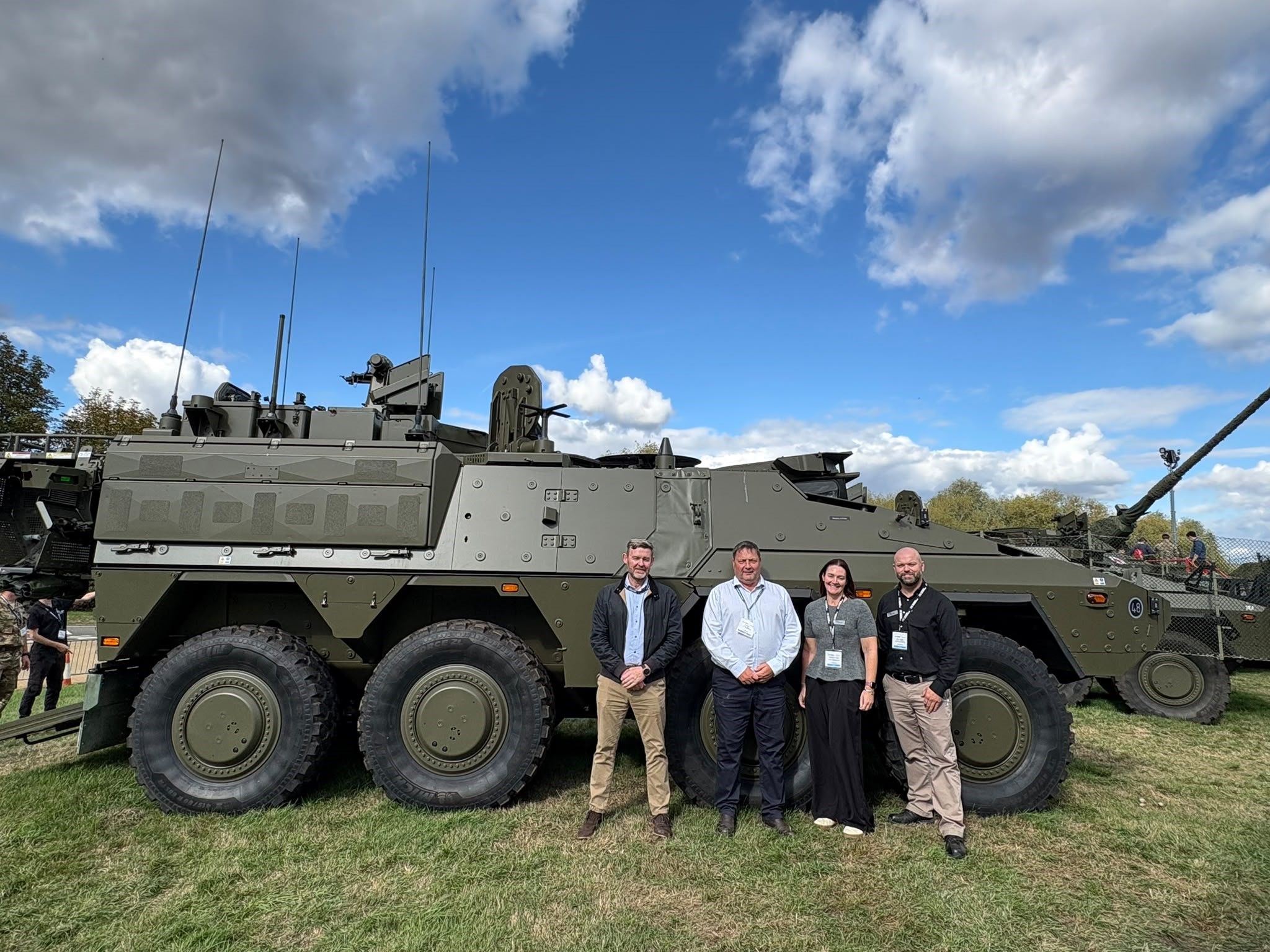
Drones, robotic vehicles, mobile counter-drone weapons and the future of the British Army‘s vehicle fleet dominated DVD 2026, alongside a renewed focus on UK manufacturing and faster defence procurement.
Held at UTAC Millbrook in Bedfordshire on 16-17 September, Defence Vehicle Dynamics brought the Army, Ministry of Defence and industry together under the theme “Connected for Combat – Aligning People, Systems and Decisions.”
The theme was visible throughout the event, moving away from treating vehicles and weapons as standalone programmes and towards connecting crewed platforms, drones, sensors, software and weapons.
Defence Readiness and Industry Minister Luke Pollard said the UK plans to spend more than £19 billion on land warfare capabilities over the next four years, including £4.4 billion on Boxer, Ajax and Challenger.
These are the key developments.
Five trends point to a more connected Army
Ahead of the event, Advance identified five defence trends shaping the British Army’s future: vehicle modernisation, autonomous systems, battlefield connectivity, survivability and procurement reform.
The Army’s emerging 20/40/40 approach envisages combining crewed platforms with reusable and attritable autonomous systems, while its £370 million Project Asgard aims to improve the digital connections between sensors and weapons.
DVD also introduced a dedicated SME Zone, part of an effort to make defence procurement more accessible to smaller companies. The government has committed to increasing annual defence spending with SMEs by £2.5 billion by May 2028.
New drones replace Watchkeeper
One of the biggest announcements was the overhaul of the Army’s uncrewed reconnaissance fleet.
As Advance reported, the British Army’s new drone fleet reflects a battlefield where hiding is getting harder.
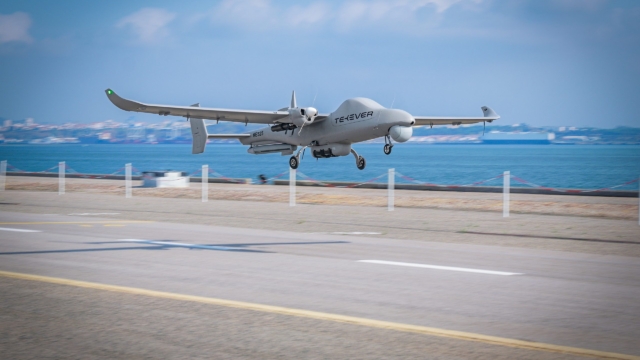
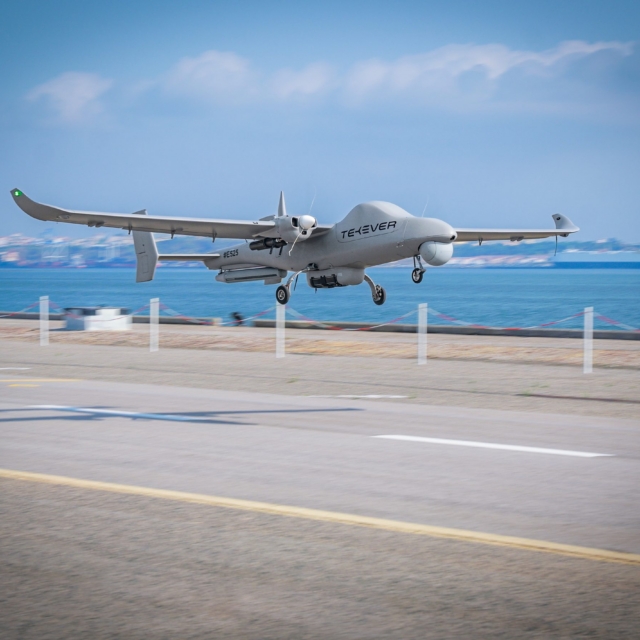
The MoD has awarded TEKEVER a contract worth up to £400 million for its AR5 surveillance drone. Six will initially replace Watchkeeper, potentially rising to 24 by 2029.
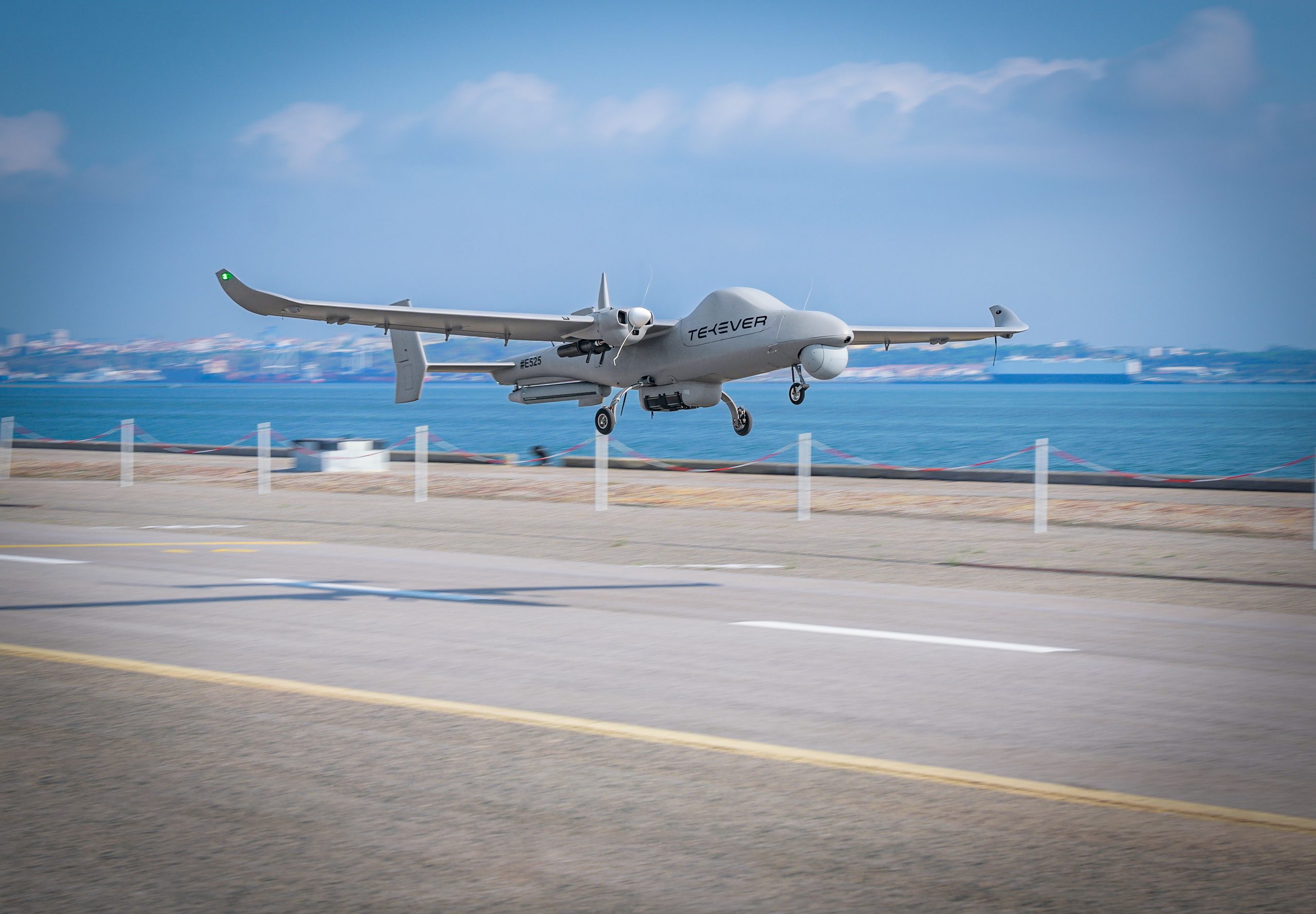
The Army is also receiving more than 1,025 smaller reconnaissance drones under £16 million of contracts, creating a layered fleet ranging from small systems carried by troops to long-endurance AR5s.
Ajax could command robotic wingmen
Autonomy extended to the ground. General Dynamics UK and ARX Robotics used DVD to demonstrate how uncrewed vehicles could operate alongside Ajax.
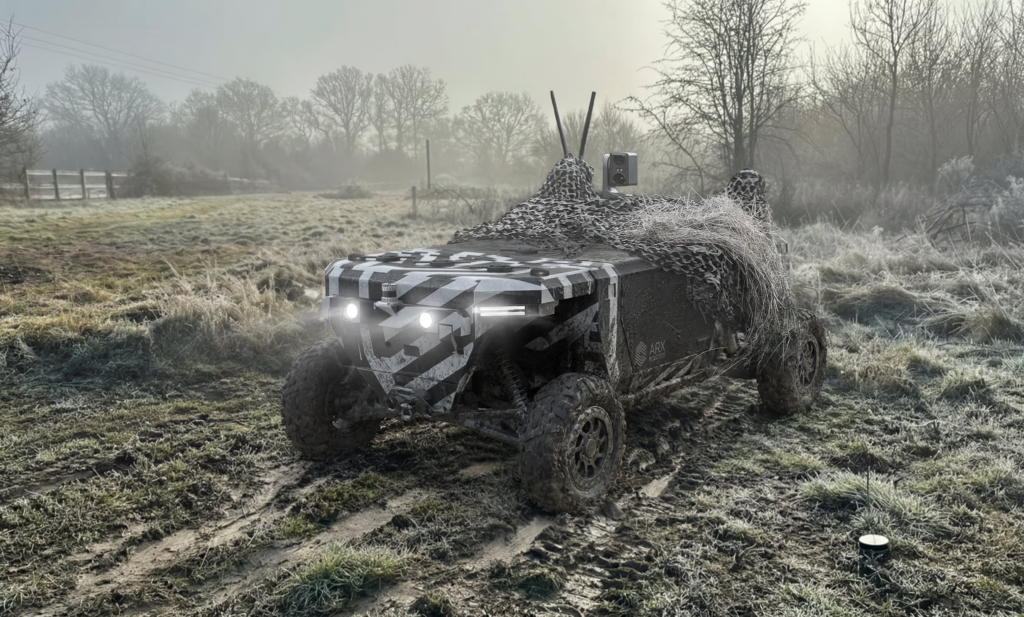
The UK is considering “land drones” pairing Ajax with ARX’s Hector uncrewed ground vehicles (UGVs).
Hector could perform reconnaissance and other high-risk missions ahead of crewed vehicles, potentially allowing Ajax to act as a control node for robotic “wingmen.”
Babcock brings Ukrainian robot experience to the UK
Another DVD partnership could bring battlefield experience from Ukraine directly into the UK.
Babcock and Ark Robotics teamed up on UK military ground robots, signing an agreement covering potential UK manufacturing, systems integration, training and support.
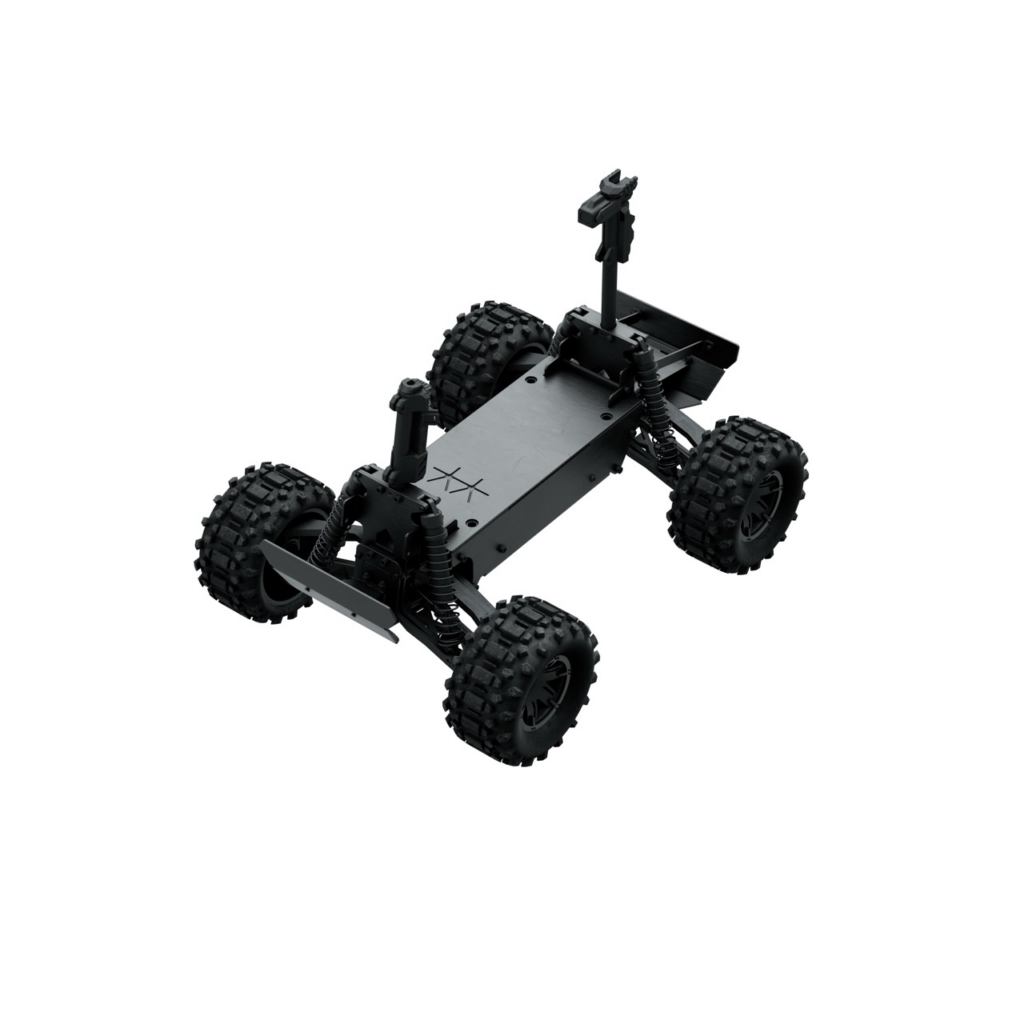
Ark’s A1 uncrewed ground vehicle is already deployed in Ukraine. The compact robot can carry equipment and supplies and support tasks that would otherwise expose soldiers to danger.
The companies also plan to explore Ark’s Frontier autonomy system, designed to allow one operator to control several robotic vehicles.
Counter-drone weapons go mobile
The spread of cheap reconnaissance and attack drones has also created an urgent requirement to defeat them.
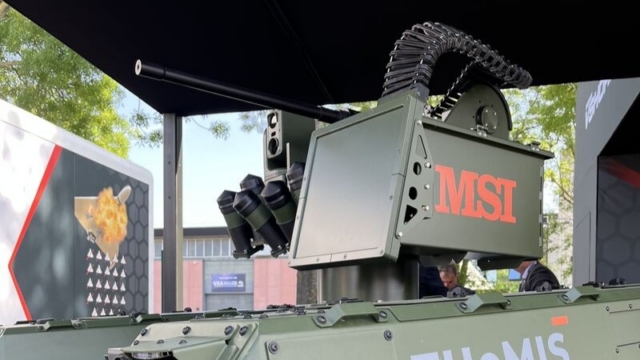
MSI-Defence Systems unveiled its TERRAHAWK RAPTOR mobile counter-drone weapon station at DVD.
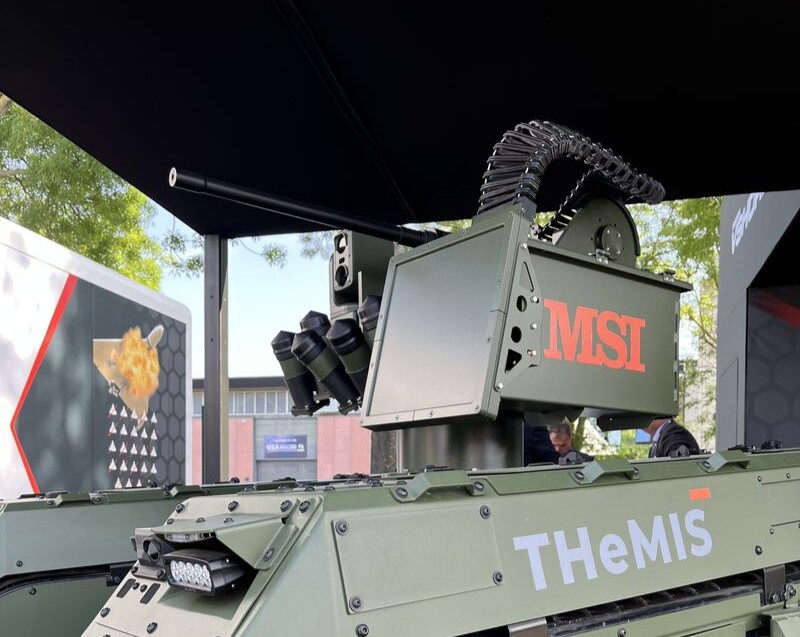
The compact remote weapon station can be mounted on tracked and wheeled vehicles, including 4x4s and UGVs, potentially turning existing vehicles into mobile air-defence nodes.
RAPTOR can carry 7.62mm or 12.7mm weapons, with MSI-DS also identifying compatibility with 40mm automatic grenade launchers. Future versions could incorporate interceptors, rockets and small missiles.
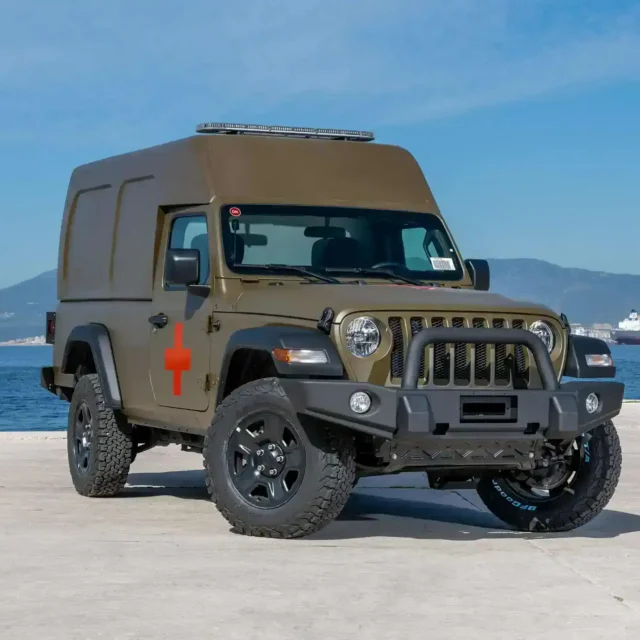
Seven contenders target the Army’s Land Rover replacement
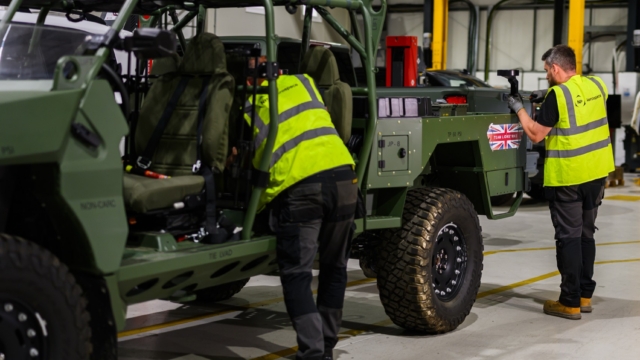
DVD also put the Army’s huge Light Mobility Vehicle programme in focus.
Advance examined seven prospective vehicles competing to become the British Army’s next Land Rover.
The £2-2.5 billion programme could acquire more than 9,500 vehicles to replace ageing Land Rover and Pinzgauer fleets, using a common platform across nine variants.
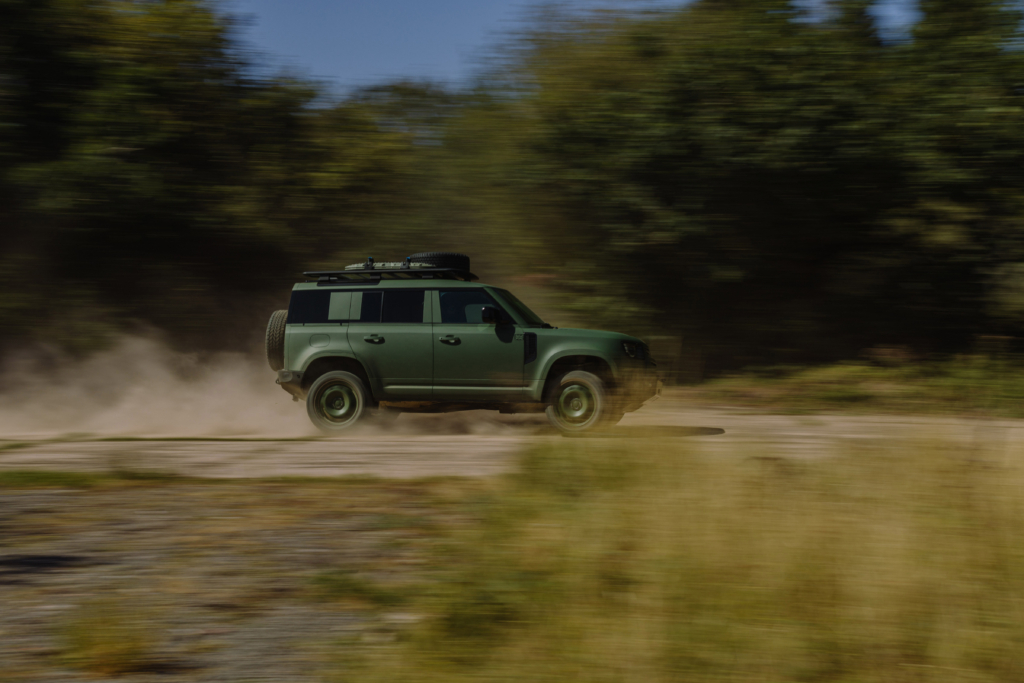
Potential solutions include the Defender Wolf Series II, Rheinmetall/Mercedes-Benz Wolf Pack family and other competing platforms.
The programme demonstrates another shift in Army procurement: towards modular vehicle families that can be upgraded and adapted rather than buying separate platforms for individual roles.
Boxer puts UK manufacturing in focus
The industrial benefits of Army programmes were another major DVD theme.
Boxer powers UK defence manufacturing as major land programmes support domestic skills, jobs and manufacturing capacity.
Pearson Engineering and Responsive Engineering support Boxer alongside KNDS and Rheinmetall. Pearson’s Armstrong Works in Newcastle now employs more than 400 people across land manufacturing and supports 52 apprentices.
The company placed more than £14 million with suppliers in 2025, 70% of it with UK businesses.
From vehicles to connected combat systems
DVD 2026 showed that the Army’s modernisation strategy pivots around what connects its equipment.
Boxer, Ajax and Challenger 3 remain central to the force, but they will operate alongside drones, robotic vehicles, networked sensors and software.
Ajax will control robotic wingmen, Ukrainian-developed UGVs will move toward UK manufacture, and the force will field thousands of new surveillance drones, mobile counter-drone weapons, and modular vehicles designed for continual upgrades.
DVD’s “Connected for Combat” theme captured the new direction of modern defence, combining people, conventional platforms and rapidly evolving autonomous technology into a more integrated land force.
Sign up for our newsletter and get our latest content in your inbox.
Similar Reads



Sign up for our newsletter. Select all sectors relevant to you.
Related