Farnborough Airport names Marine Eugène CEO as Simon Geere becomes executive chair


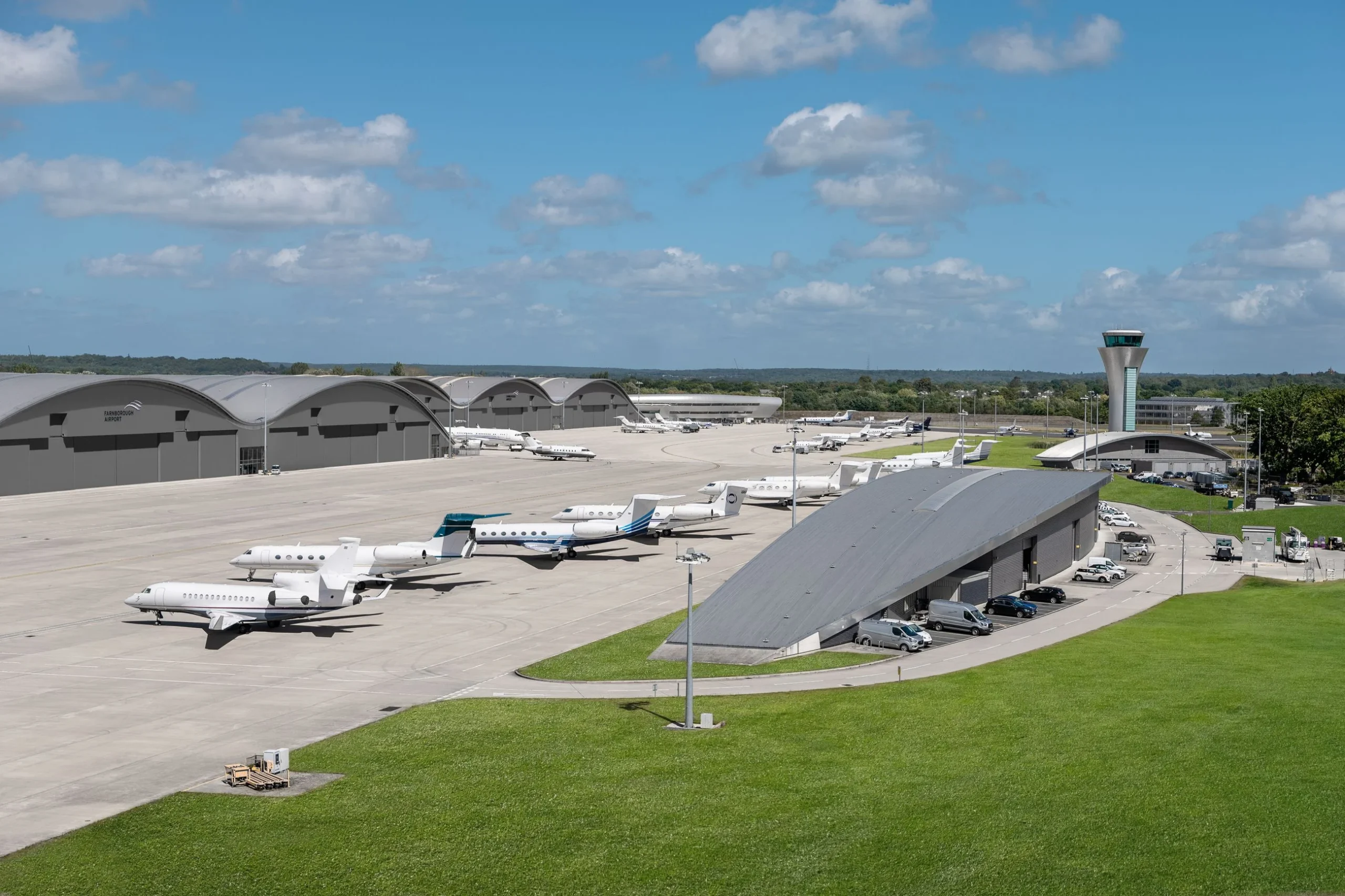
Marine Eugène has been appointed Group CEO of Farnborough Airport, with Simon Geere moving into a new executive chair role after more than six years leading the London business aviation gateway.
Eugène will take up the role on 1 September 2026. Her appointment comes at a significant moment for Farnborough, which is pursuing changes to its operating conditions while continuing to position itself as a sustainability leader in business aviation.
Simon Geere to become executive chair of Farnborough Airport
Geere was appointed CEO in July 2020 and has overseen a period of investment, traffic recovery and renewed focus on the airport’s long-term growth strategy.
During his tenure, Farnborough strengthened its sustainability credentials, expanded the availability of sustainable aviation fuel (SAF) and continued to invest in projects designed to reduce its own operational carbon footprint.
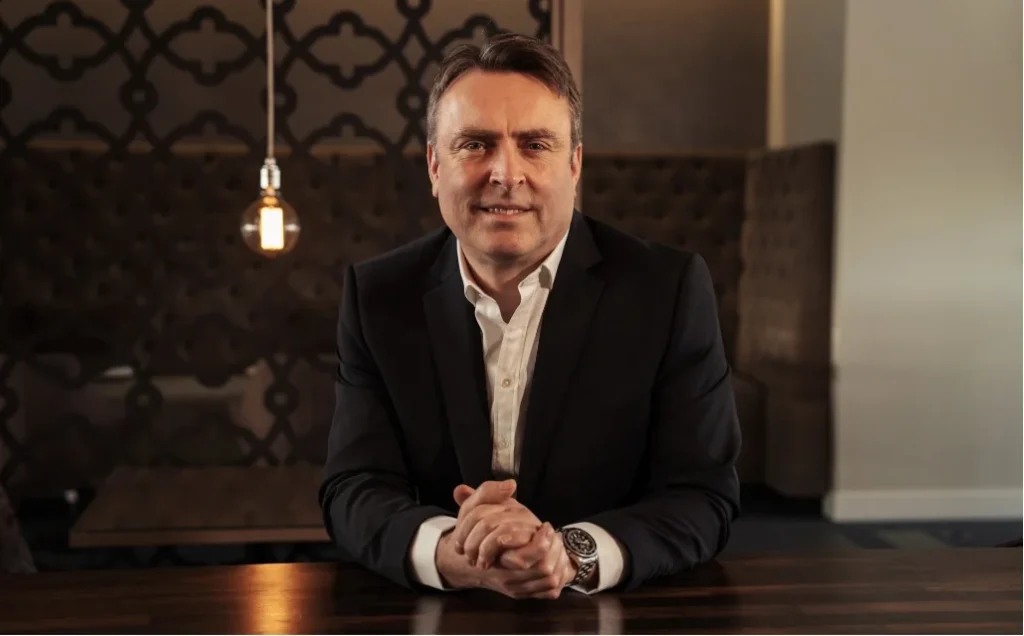
Commenting on his move, Geere said: “It has been an immense privilege to have led the company during what has been a period of significant investment and strong financial growth. I am very much looking forward to working with Marine as we continue this incredible journey.”
Marine Eugène brings NetJets and Flexjet experience
Eugène brings nearly two decades of business aviation experience to the role. She has held senior positions at NetJets and Flexjet, two of Farnborough Airport’s largest operators, giving her direct experience of the premium aviation customers the airport serves.
Most recently, she served on the management board of Moonfare, the global digital investment platform, where she oversaw investor relations, marketing and client services.
Eugène said Farnborough is recognised around the world for its best-in-class facilities and outstanding service, adding that the airport has a “pivotal role in supporting UK economic growth”.
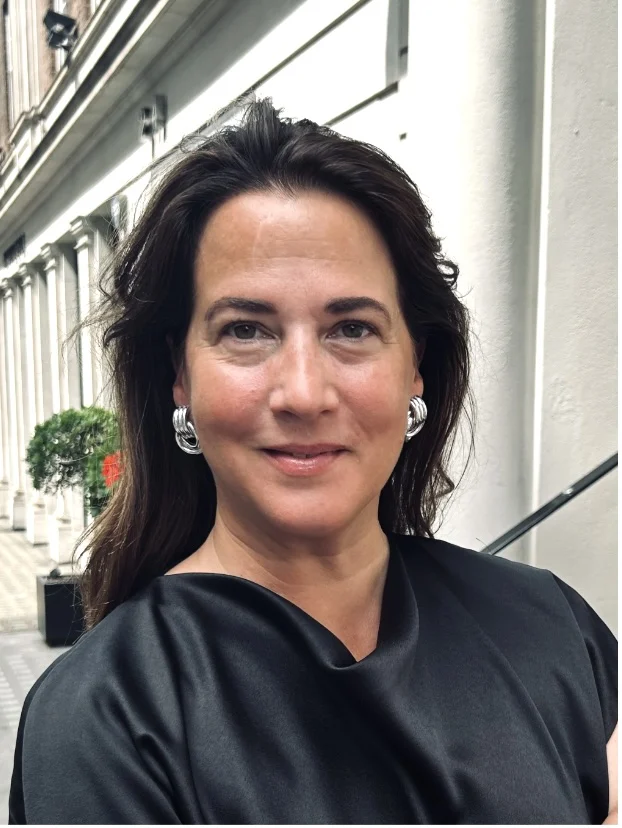
Susana Leith-Smith, senior managing director at Macquarie Asset Management, which owns Farnborough Airport, thanked Geere for his leadership and said he had helped shape Farnborough into the high-quality business it is today.
She added: “We are particularly pleased he will continue to support the company as executive chair, providing continuity at an important time. We are also delighted to welcome Marine as CEO and look forward to her bringing deep sector experience as she leads the business into its next phase of growth.”
Farnborough Airport growth plans remain under scrutiny
Eugène will take charge as Farnborough continues to navigate a closely watched planning process. The airport’s earlier 2040 proposals included raising its annual flight limit from 50,000 to 70,000 movements, but its newer application keeps the existing 50,000 annual cap in place.
Instead, the airport is seeking to make greater use of its permitted capacity by increasing the number of flights allowed at weekends and on bank holidays from 8,900 to 13,500 a year.
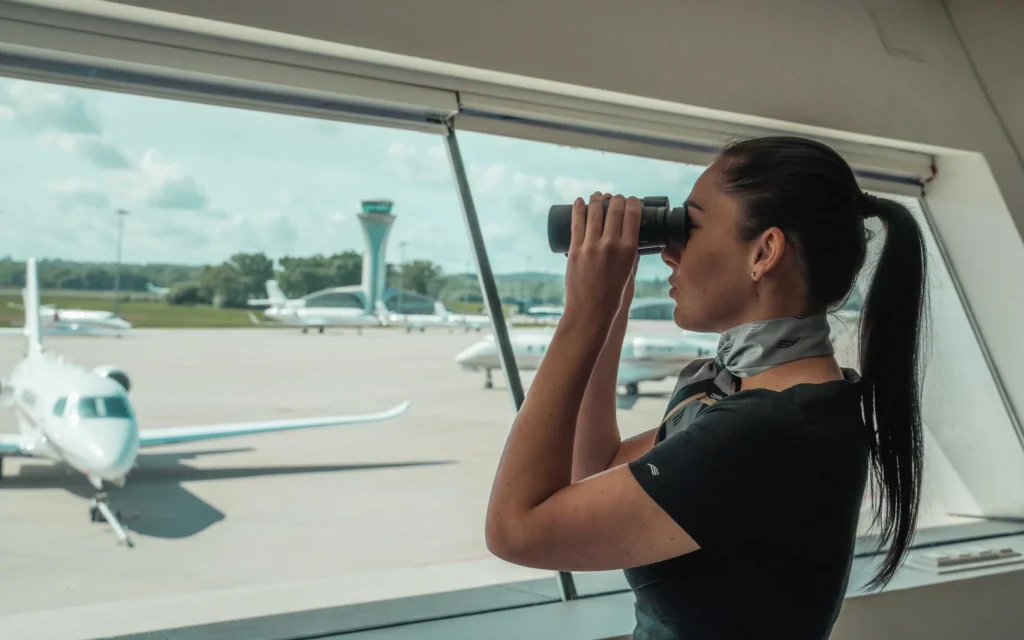
The application also proposes changes to aircraft weight restrictions. Farnborough wants to increase the number of heavier aircraft movements allowed on non-weekdays, while excluding some newer, quieter aircraft in the 50 to 55 tonne category from existing weight-category quotas if they meet the most stringent noise standards.
The plans have drawn opposition from residents and local campaigners concerned about weekend noise, while the airport argues that the changes are needed to support its economic contribution and make better use of existing infrastructure.
SAF and net zero ambitions at Farnborough Airport
Sustainability is likely to remain a central theme under the new leadership. Farnborough became the first business aviation airport in the world to achieve carbon neutral status in 2018, made SAF available to all customers in 2021 and published its net zero roadmap in 2022.
The airport has committed to reach net zero for all emissions within its direct or indirect control by 2030 or sooner. It has also described an ambition to become a global showcase for airport sustainability, with a longer-term aim of moving towards 100% SAF use by 2030.
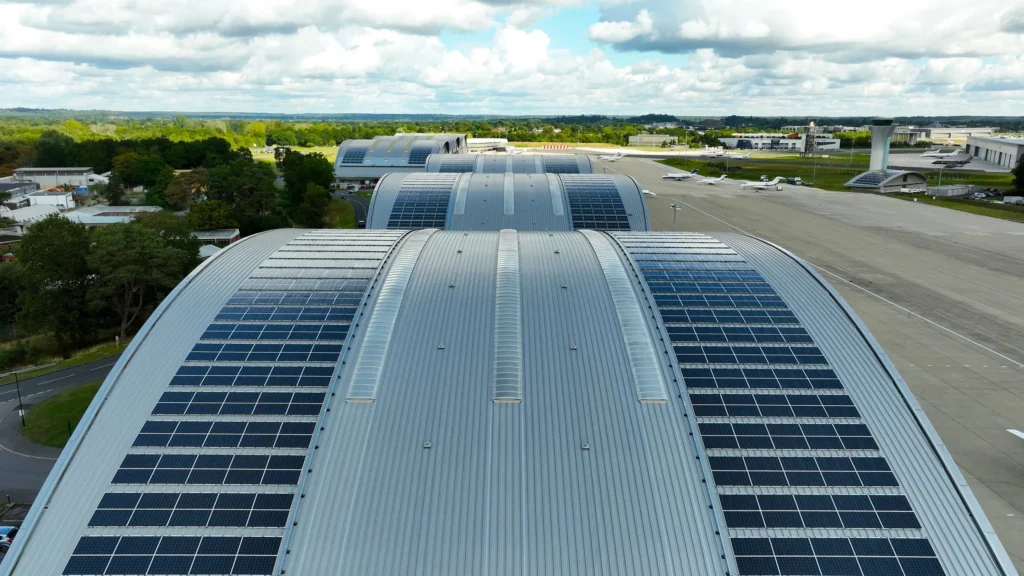
Its recent investments include one of the largest lightweight rooftop solar installations in the South East. The system, installed across airport buildings including hangars, the terminal, control tower and Aviator hotel, is expected to generate around a quarter of the airport’s electricity.
Farnborough has also sought to attract newer, quieter and more efficient business aircraft, including types such as the Gulfstream G700, Bombardier Global 8000 and Dassault Falcon 10X.
For Eugène, the challenge will be to maintain Farnborough’s premium positioning while steering the airport through local planning scrutiny, sustainability expectations and the continuing evolution of the business aviation market.
Sign up for our newsletter and get our latest content in your inbox.
Similar Reads

Sign up for our newsletter. Select all sectors relevant to you.
Related