RAF grounds Hawk T2 & T1 adding pressure to an already strained training system


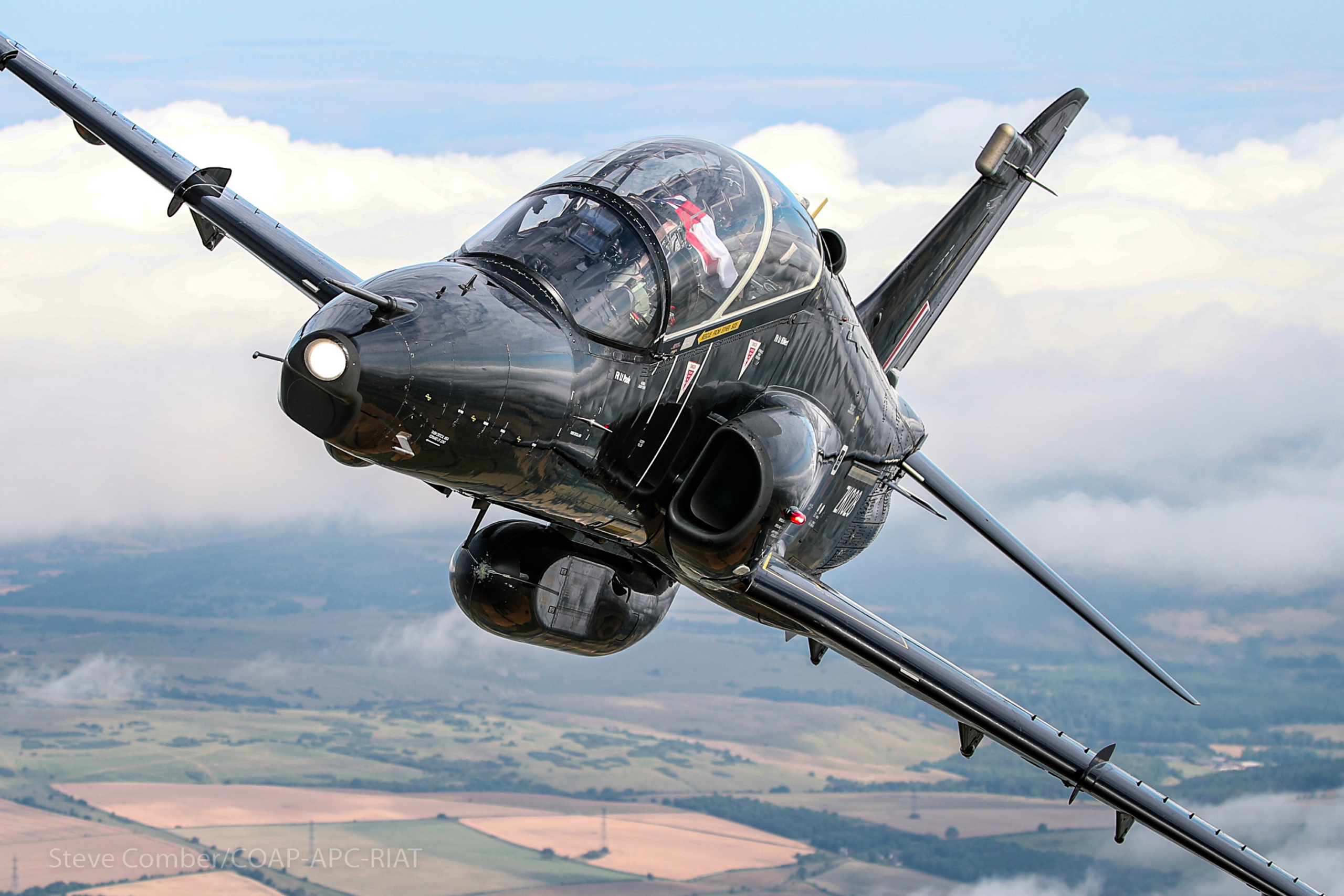
The RAF’s decision to pause all Hawk T1 and T2 flying after Wednesday’s crash at RAF Valley has an immediate consequence beyond the loss of training sorties: it temporarily removes the aircraft at the heart of the UK’s advanced fast-jet training system.
Both crew members ejected from the Hawk T2 shortly after take-off on 23 September. The cause of the accident has not been established, and the RAF has given no timetable for resuming operations. The pause also covers the Hawk T1s flown by the Red Arrows.
Hawk T2 crash, RAF Valley today.
— Fast Jet Performance 🏴 ✈️ (@timdavies_uk) September 23, 2026
I'll do an analysis video to be out for 1930 on my channel.https://t.co/Y0YDTp4omM pic.twitter.com/P2O6AWWCiR
For defence planners, the question is how much disruption the training pipeline can absorb. The Ministry of Defence has already described it as “taut”, with RAF trainees learning to fly combat jets through a combination of Hawk T2 sorties in the UK and places on courses in the US, Italy and Qatar.
In December, the MoD said that blend was meeting frontline demand, while acknowledging that it was still working to address resilience risks.
A training system with limited spare capacity
The Hawk T2 prepares pilots for conversion to frontline aircraft including Typhoon and F-35. Its availability has been a concern since technical problems were found in the Rolls-Royce Adour 951 engine’s low-pressure compressor in 2022.
Evidence from BAE Systems to Parliament showed that the engine’s cleared life fell from a planned 4,000 hours to 1,700 hours. During 2022–23, the RAF had an average of eight serviceable Hawk T2s available each day, and forecast flying hours fell to around half the contracted level.
Those are historical figures, rather than a measure of the fleet’s availability immediately before this week’s crash, but they explain why the MoD has been pressing BAE Systems and Rolls-Royce to improve performance.
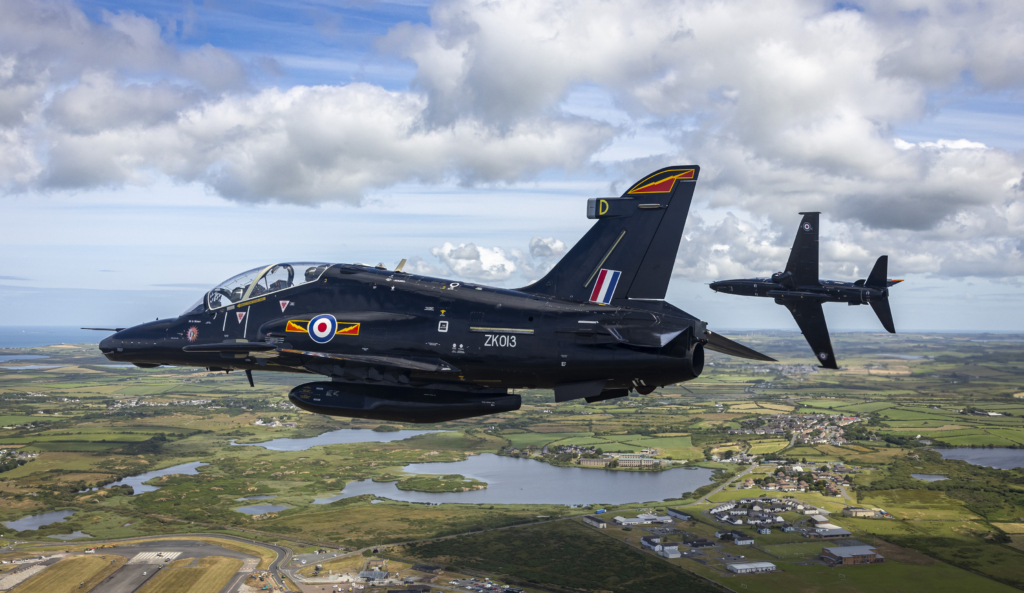
The training system also depends on more than aircraft. In its latest detailed update to Parliament, the MoD said that instructors and airfield availability would need to be in place to make full use of any improvement in Hawk availability during 2026. Overseas training provides another route for pilots, but the extent to which it can absorb a prolonged UK flying pause is not yet clear.
Replacement decision gains urgency
The grounding comes as the MoD considers a new Jet Training System to replace both Hawk variants. The programme is intended to meet future fast-jet training needs, provide an aircraft for the Red Arrows and bring significant work to UK industry. The government has separately allocated £860 million to maintain safe Hawk T1 and T2 operations until the replacement arrives.
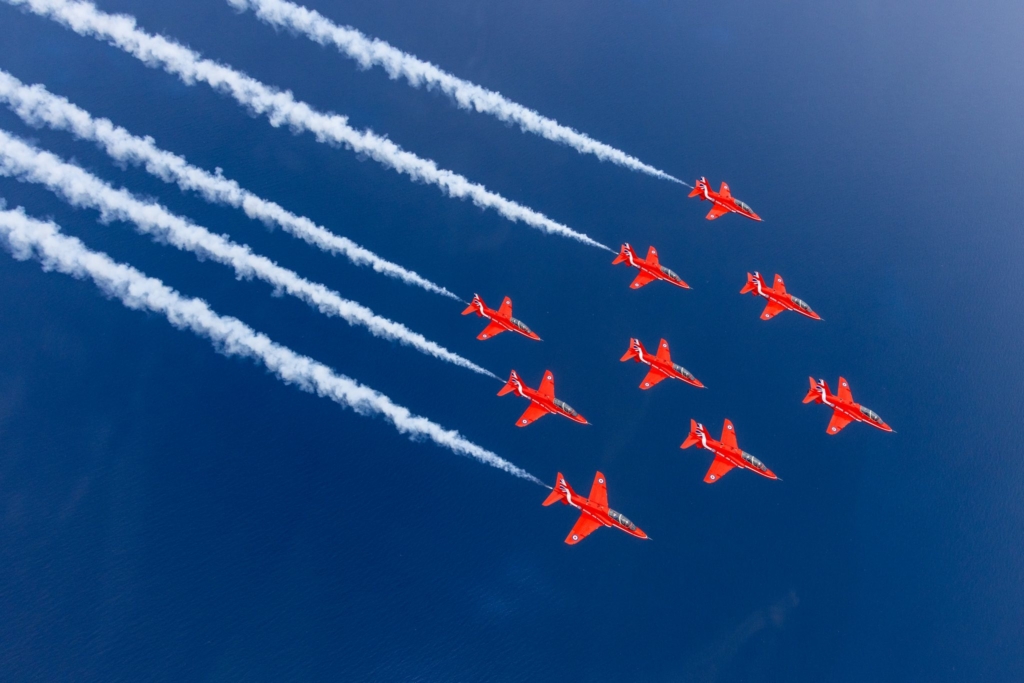
Photo: Royal Air Force
That creates two linked challenges for the MoD: sustaining the existing fleet long enough to train pilots reliably, while choosing a successor that can provide more dependable capacity. The duration and cause of the current grounding remain unknown. Its impact on pilot output will depend on how quickly Hawk flying resumes and whether training lost in the meantime can be recovered.
Sign up for our newsletter and get our latest content in your inbox.
Similar Reads