MoD selects TEKEVER to support Project NYX
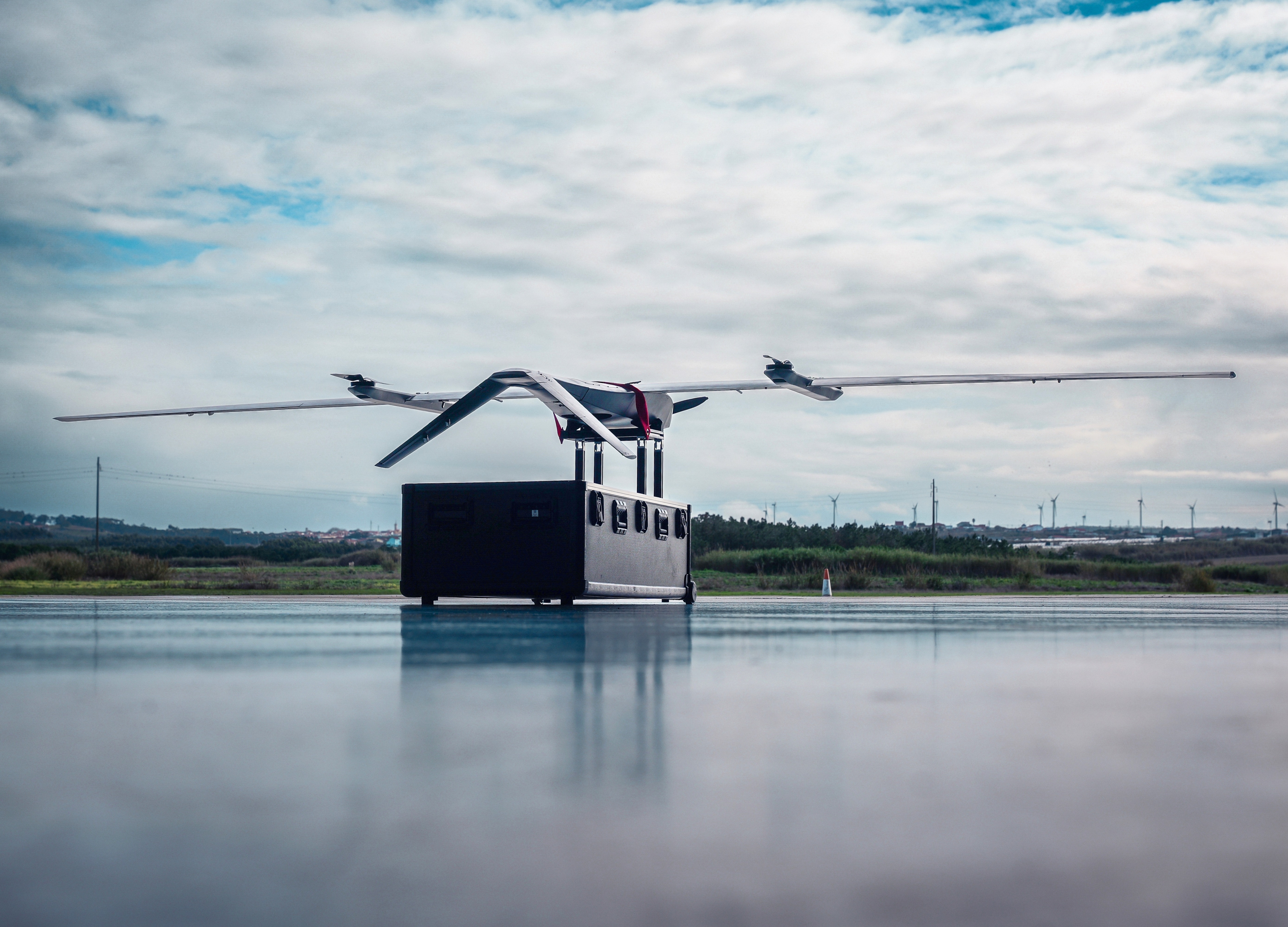
Image courtesy TEKEVER
Project NYX is focused on developing uncrewed air systems able to act as autonomous 'loyal wingmen' for Apache crews across a range of missions, including reconnaissance, target acquisition, electronic warfare and precision strike support in contested environments.
The programme represents a significant step forward in the UK’s adoption of advanced autonomous defence capabilities and reflects the growing importance of human-machine teaming in future military operations.

Under the programme, TEKEVER will rapidly develop, test, and demonstrate a UK-sovereign advanced rotary platform paired with AI-enabled mission autonomy and sensing. The programme will leverage TEKEVER's existing expertise in aeronautics and autonomy, coupled with extensive experience of fielding systems in Ukraine, to support the development of a world-leading platform that enhances the survivability and lethality of military helicopters.
Operationally proven across demanding real-world missions, TEKEVER’s autonomous systems combine advanced sensing, resilient communications, AI-driven mission management and low-logistics operational models. This vertically integrated approach enables effective deployment in complex and contested environments while supporting faster and more informed operational decision-making and effect.
Project NYX is being delivered in conjunction with UK Defence Innovation (UKDI) and forms part of the UK Government’s wider commitment to accelerating sovereign autonomous capability under the Strategic Defence Review.
TEKEVER New Autonomy Centre and Engineering Hub to open in Bristol strengthening UK sovereign autonomous systems capability
As part of TEKEVER's UK OVERMATCH programme – a five-year, £400 million investment in the UK covering infrastructure, technology, skills and partnerships – TEKEVER will open a new Centre for Autonomy and Engineering Hub in Bristol.
TEKEVER's new Autonomy Centre will play a key role in supporting future autonomous capability development for the UK and global partners in defence and civil sectors, including the MoD's Project NYX, the RAF's StormShroud capability and UK Home Office operations. Alongside TEKEVER Ukraine, it will play a key role in continuing to drive battlefield innovation in Ukraine and ensuring these lessons are transferred into the UK defence and technology ecosystems. Fostering SME and academic partnerships across the UK will be a critical part of the Centre's mission. The new Centre will officially open in June 2026 with initial operating capability already in place.
With capacity for up to 150 employees, the Bristol Autonomy Centre further strengthens TEKEVER’s growing UK footprint alongside West Wales Airport, Southampton and the planned Swindon manufacturing centre. Together, these sites form a vertically integrated ecosystem spanning design, engineering, operations, training, manufacturing and through-life support for defence, security and civil customers.
Independent analysis by Frontier Economics forecasts that the OVERMATCH programme could contribute up to £1.7 billion in Gross Value Added to the UK economy by 2035, supporting highly skilled employment, regional growth and resilient national supply chains for autonomous systems.
Karl Brew, TEKEVER UK Managing Director, said: “Project NYX represents an important milestone in the evolution of the UK's autonomous defence capability and is the forefront of crewed-uncrewed teaming. The hugely impressive timelines of the programme also demonstrate how serious the UK is about driving change in its procurement and capability development processes.'
“We are proud to support the UK MoD on this strategic programme and to contribute our experience in developing operationally proven autonomous systems for allied defence missions.
“At TEKEVER, we believe autonomy and AI-enabled systems will play a defining role in enhancing operational effectiveness while supporting faster and more informed decision-making in complex military environments. We look forward to working with the MoD and programme partners as the initiative progresses.”