NewOrbit to open Earth’s last empty orbit
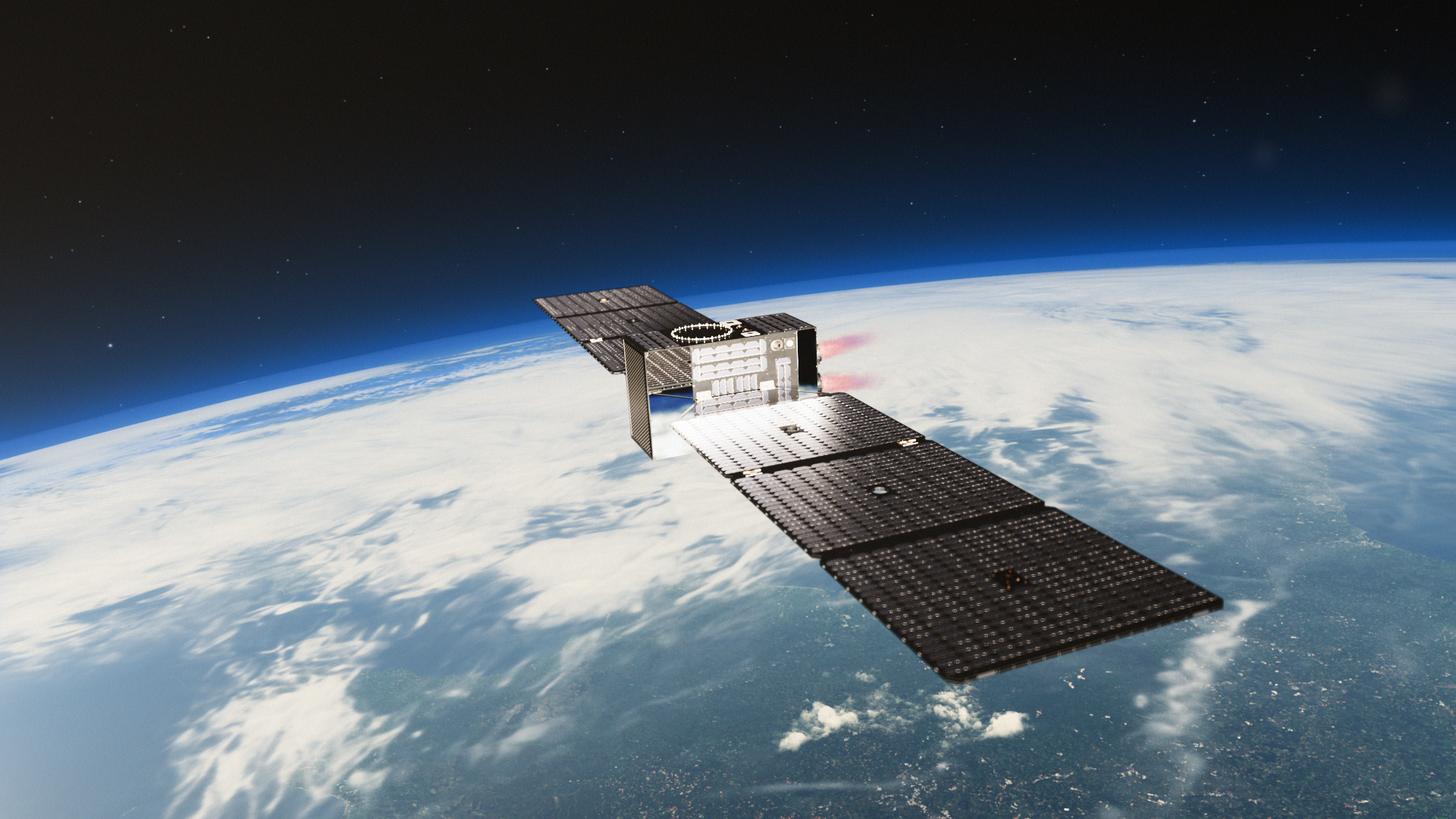
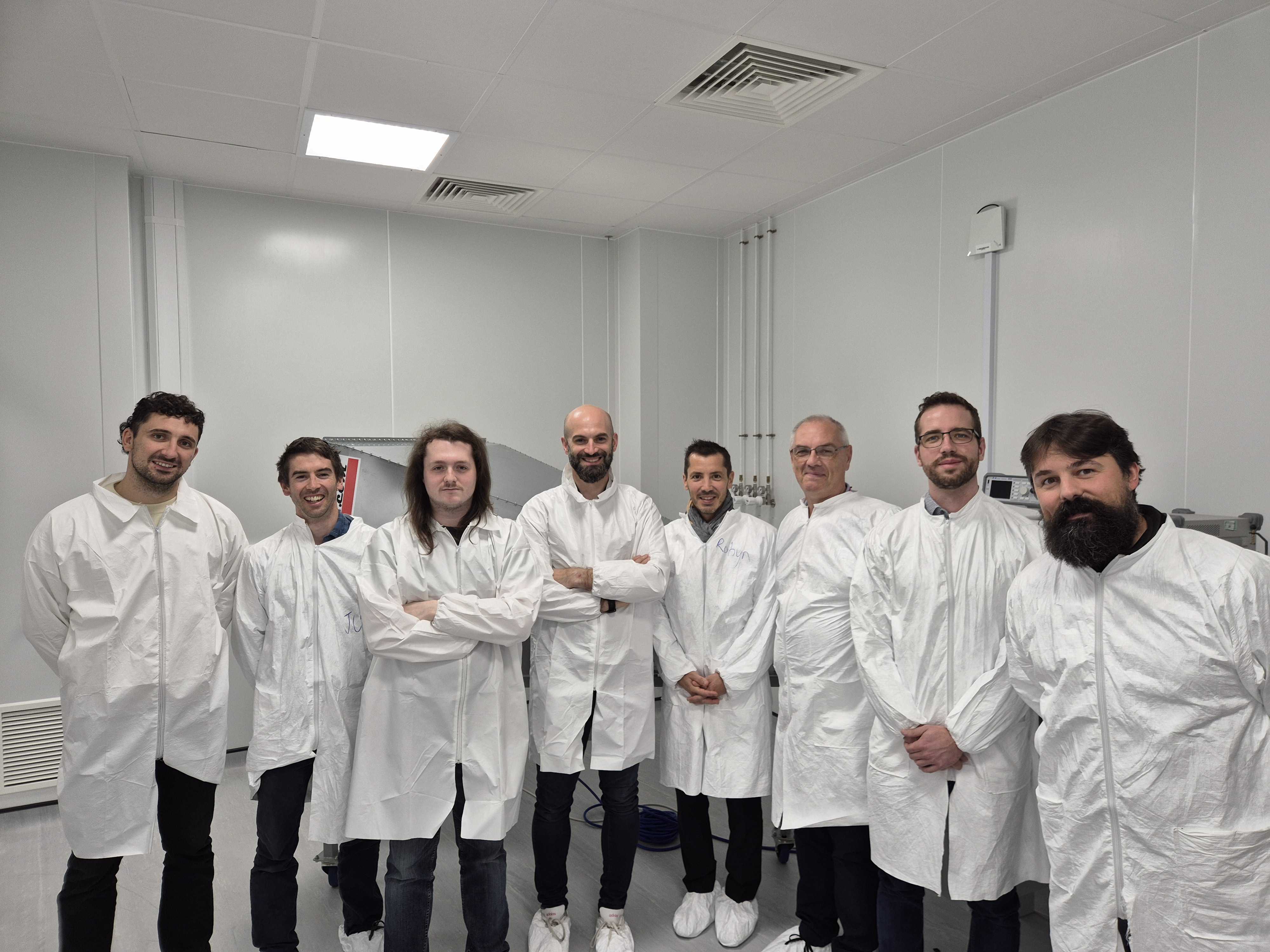
Image by Peter Harpswood / courtesy NewOrbit
NewOrbit with senior figures from the global space industry joining the company’s advisory board such as the Director General (2003-2015) of the European Space Agency, Jean-Jacques Dordain and Sir Chris Deverell ex-Commander of UK Joint Forces.
Between commercial aircraft at 10 km and conventional satellites at 500 km lies a band of near-Earth space, called very low earth orbit (or VLEO), which until now, has not been accessible for commercial space flight.

European satellite manufacturer NewOrbit announces an $18.5 million Series A to open these orbits to commercial customers, becoming the first company to fly them at altitudes of 200-300km.
The oversubscribed round was led by Voyager Ventures, with leading angel investors such as David Kirk (former Chief Scientist at NVIDIA), Lawrence Leuschner (co-founder and former CEO of European mobility unicorn TIER Mobility) and family office Custos participating in the round. Alongside continued backing from Atlantic.vc, Lifeline Ventures, LGF and Illusian.
Three forces have kept VLEO commercially unviable since the dawn of the space age: aerodynamic drag, which pulls spacecraft back to Earth within weeks; atomic oxygen, which corrodes their surfaces; and aerodynamic torques, which destabilises their orientation. NewOrbit has built purpose-engineered satellites, equipped with the company's in-house propulsion system, to withstand these conditions and operate reliably in VLEO for up to five years.
The commercial logic of VLEO is straightforward: the lower you fly the better you can see and connect the world at dramatically lower cost. From 200–300 km, NewOrbit will be able to offer the highest quality satellite imagery available today 20x cheaper than conventional satellites alongside faster data speeds. These advantages have the potential to unlock new paradigms in the space economy such as 5G direct-to-device connectivity from space and live HD video. These capabilities are not possible with today's orbital geometry.
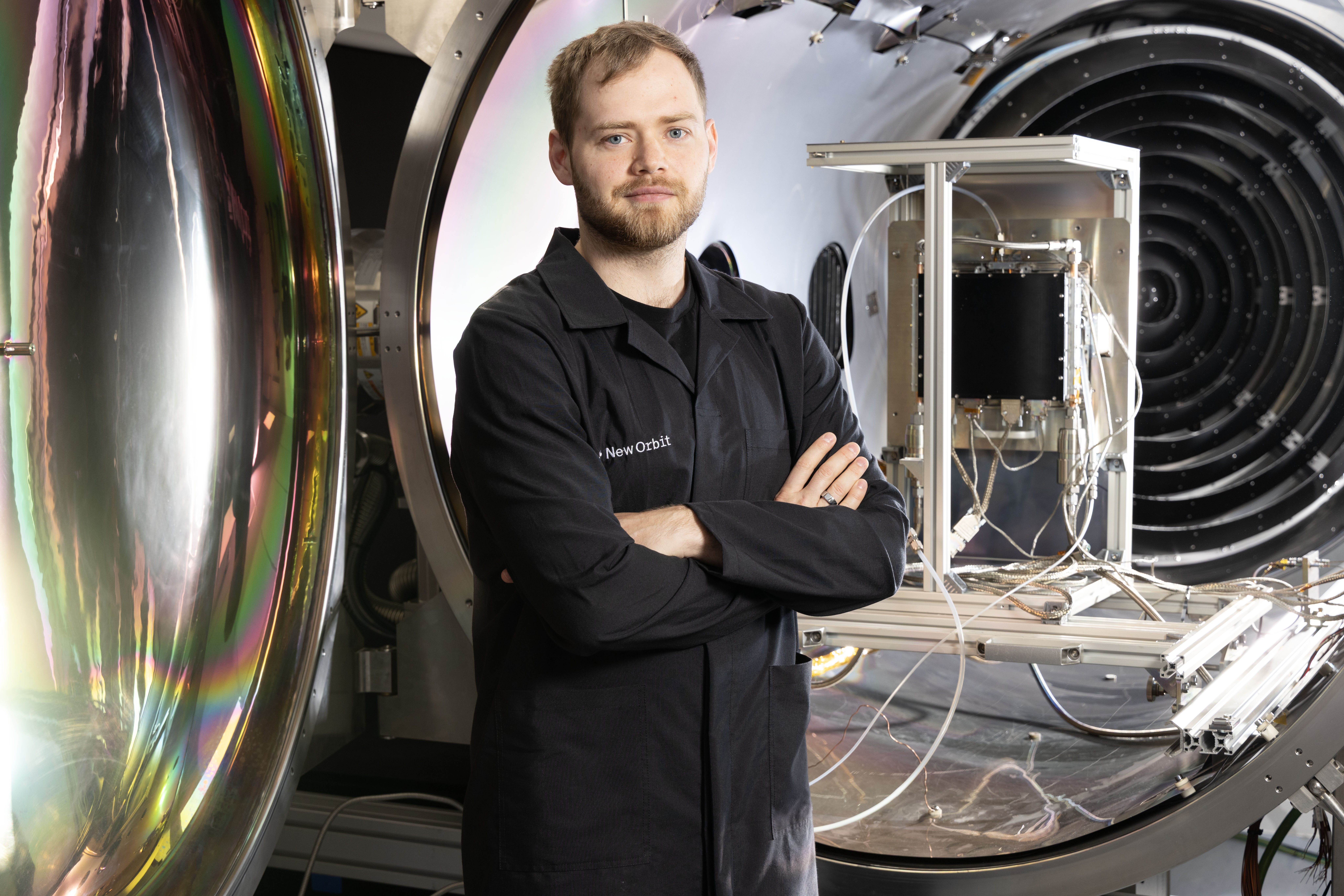
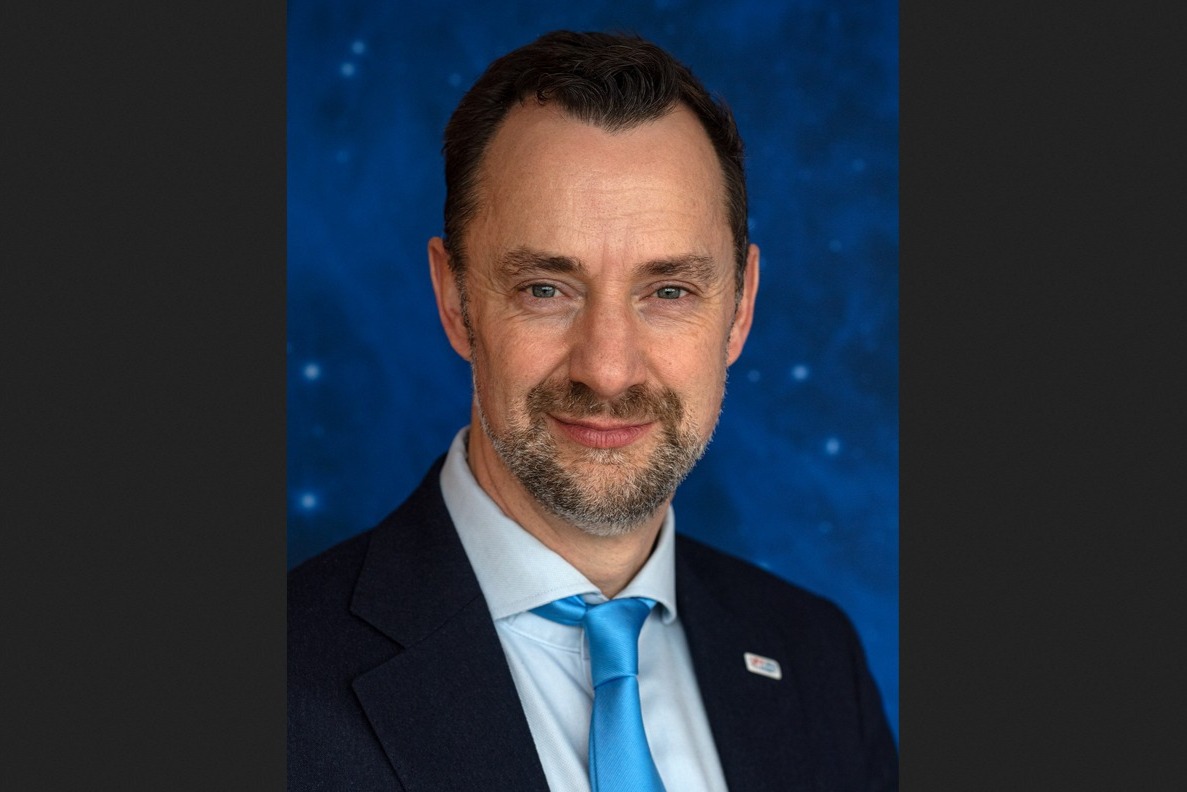
Image by Eva Harpswood / courtesy NewOrbit
Anatolii Papulov (above), CEO and co-founder of NewOrbit said: "For 60 years, VLEO has been treated as too hostile an environment for commercial satellites — but it is in fact the most valuable empty real estate in space. Today, no one in the industry has a reliable, affordable and fast way to fly payloads in very-low Earth orbit. We built our NEO-1 satellite to do exactly that.”
The Series A will fund construction of NewOrbit's NEO Production Complex, scheduled to open in 2027. The facility will integrate the company's first commercial satellite for launch in 2028, then ramp from an initial capacity of 10 satellites a year to several a week at full pace — the manufacturing base required to commercialise VLEO at scale. At full operation, the Complex will be Europe's largest dedicated VLEO production facility and a strategic industrial asset within the continent's sovereign space ecosystem.
The launch in 2028 will mark the first time commercial customer payloads have been flown between 200-300km — establishing Europe as the market leader in VLEO operations in the global space industry.
Matthew Blain, Partner at Voyager Ventures said: "VLEO is the next foundational shift in the global space industry. The technology will unlock order of magnitude improvements in earth observation at a fraction of the cost today. We’re proud to partner with NewOrbit on their journey to become the leading provider of commercial VLEO satellites globally."
Jean-Jacques Dordain, former Director General of the European Space Agency said: "VLEO is one of the few genuinely new commercial categories remaining in space and opening it requires a rare combination of engineering excellence and institutional discipline. NewOrbit has both and the fact that this category is being defined from the UK is significant for European space."
Sir Chris Deverell, former Commander of UK Joint Forces said: “I believe VLEO will become a critical layer of future space infrastructure, supporting both commercial and national security missions. I’m proud that this capability is being built in the UK, helping to establish Britain as a leader in next-generation space technology.”