Surrey Space Institute appoints Dr Paul Bate as a Professor in Practice
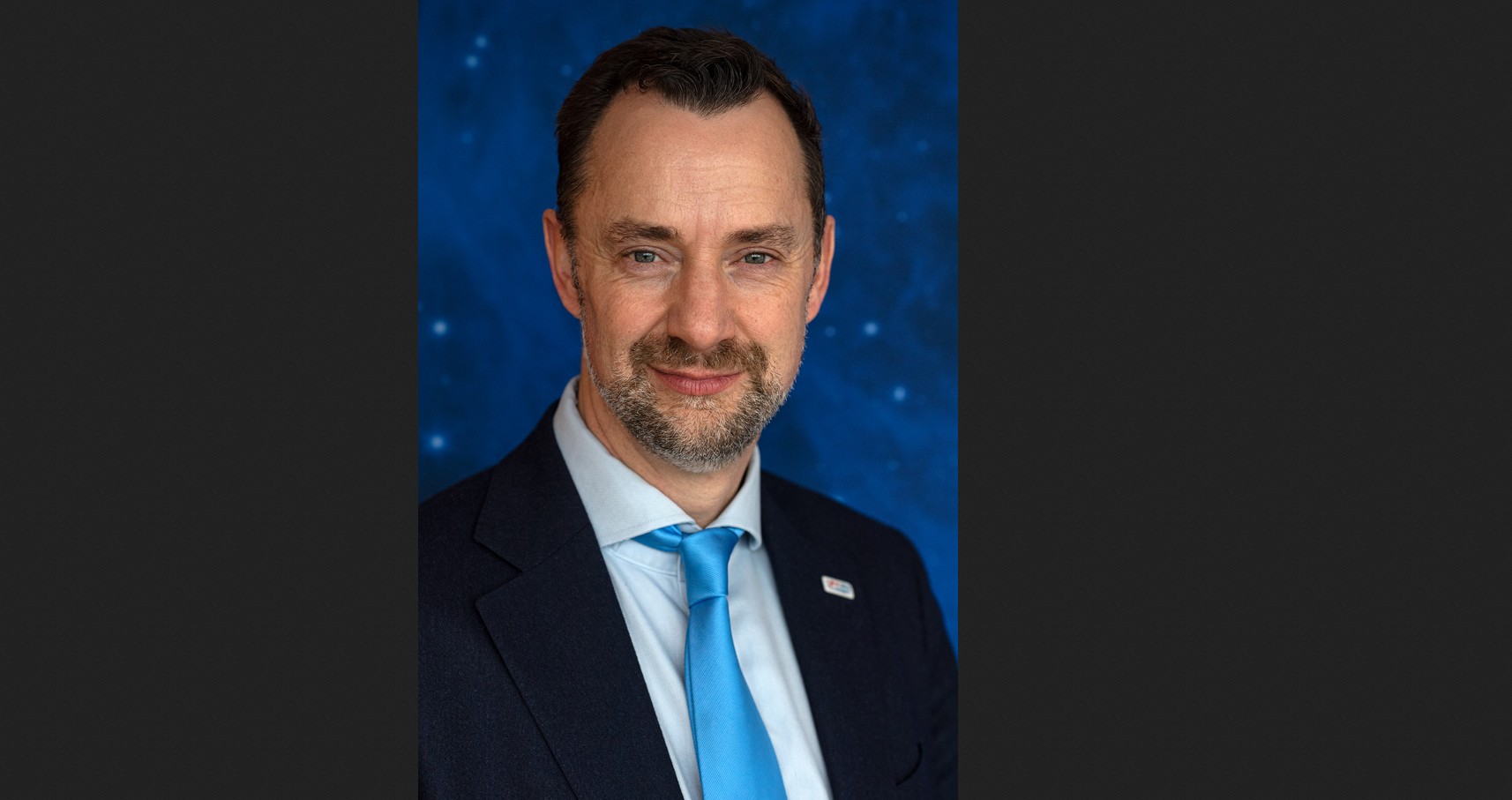
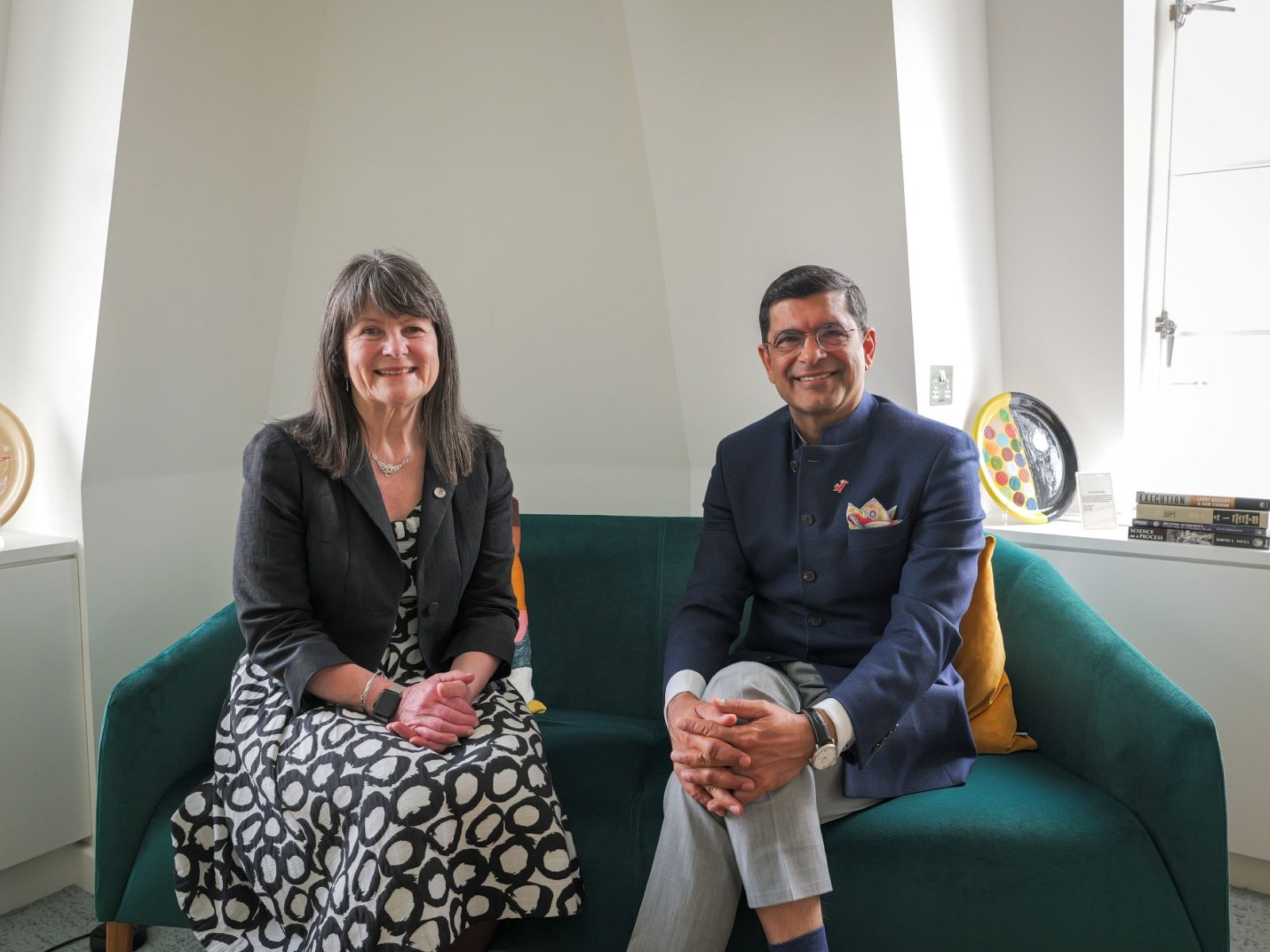
Image courtesy Surrey Space Institute
Dr Paul Bate (above) led the UK Space Agency for more than four years, stepping down earlier this year when the Agency moved into the Department for Science, Innovation and Technology (DSIT). He led two successful delegations to the European Space Agency Council of Ministers and built bilateral relationships around the world to collaborate on technological developments, space science, exploration and regulatory alignment.

Paul has a track record of ensuring that the UK plays an active role in shaping global space activity, having chaired the global Committee on Earth Observation Satellites (CEOS) and as a member of His Majesty the King’s Astra Carta Advisory Council.
Professor Adam Amara, Founding Director of the Surrey Space Institute, said: “Paul’s track record of leading international delegations, securing investment and building strong relationships around the world makes him ideally suited to support the Space Institute. He shares our ambitions for ensuring Surrey plays a leading role in convening organisations globally, bringing them together to deliver the skilled workers, missions and space science which will support stronger economies and sovereign capabilities, here in the UK and abroad.”
Paul will work alongside Professor Amara, Professor in Practice Doug Liddle (who is also Chair of the sector trade body, UKspace) and Dr Louise Butt, who joined from Space South Central in April as Head of Operations.
Professor Paul Bate said of his appointment: “Surrey Space Institute is forging collaborations across disciplines and partnerships across continents. Building this global partner network, with mutual expertise and aligned values, will enable teams, institutions and states to go further and faster in bringing the benefits of space to communities on Earth.
“Surrey’s international reputation, its mission and training credentials, and its legacy of supporting other countries’ space agencies make it well placed to convene global partners. We will bring together industry, governments and researchers while maintaining an agility which delivers on the promise of space.”
The Surrey Space Institute aims to build on the University’s success in growing space engineering and satellite communications skills through its degrees and short courses, including master's courses, continuous professional development for industry professionals and hands-on training for young people. It will also develop space capabilities and new technologies, delivering robust economic growth and societal benefit here on Earth.
The Institute will work with its partners to conceive and operate space missions – combining hardware, software, policy and operations to tackle problems on this planet as well as in deep space. Its research will focus on three areas: managing water and climate on Earth, strengthening space systems such as satellite communications and cybersecurity, and developing the engineering, physiological, legal and economic governance solutions needed to deliver deep space exploration, operation and settlement.
The UK space sector has a proud heritage – and Surrey has been at the heart of it, helping to drive the small satellite revolution that proved space could be accessible, not just the preserve of superpowers. The Surrey Space Institute will take that further – forging industry partnerships, opening up space sector facilities to small businesses, and equipping the next generation with mission-ready skills through hands-on research opportunities and specialist Continuing Professional Development programmes.