

The Hawk was built in Britain. Its replacement may only be assembled here


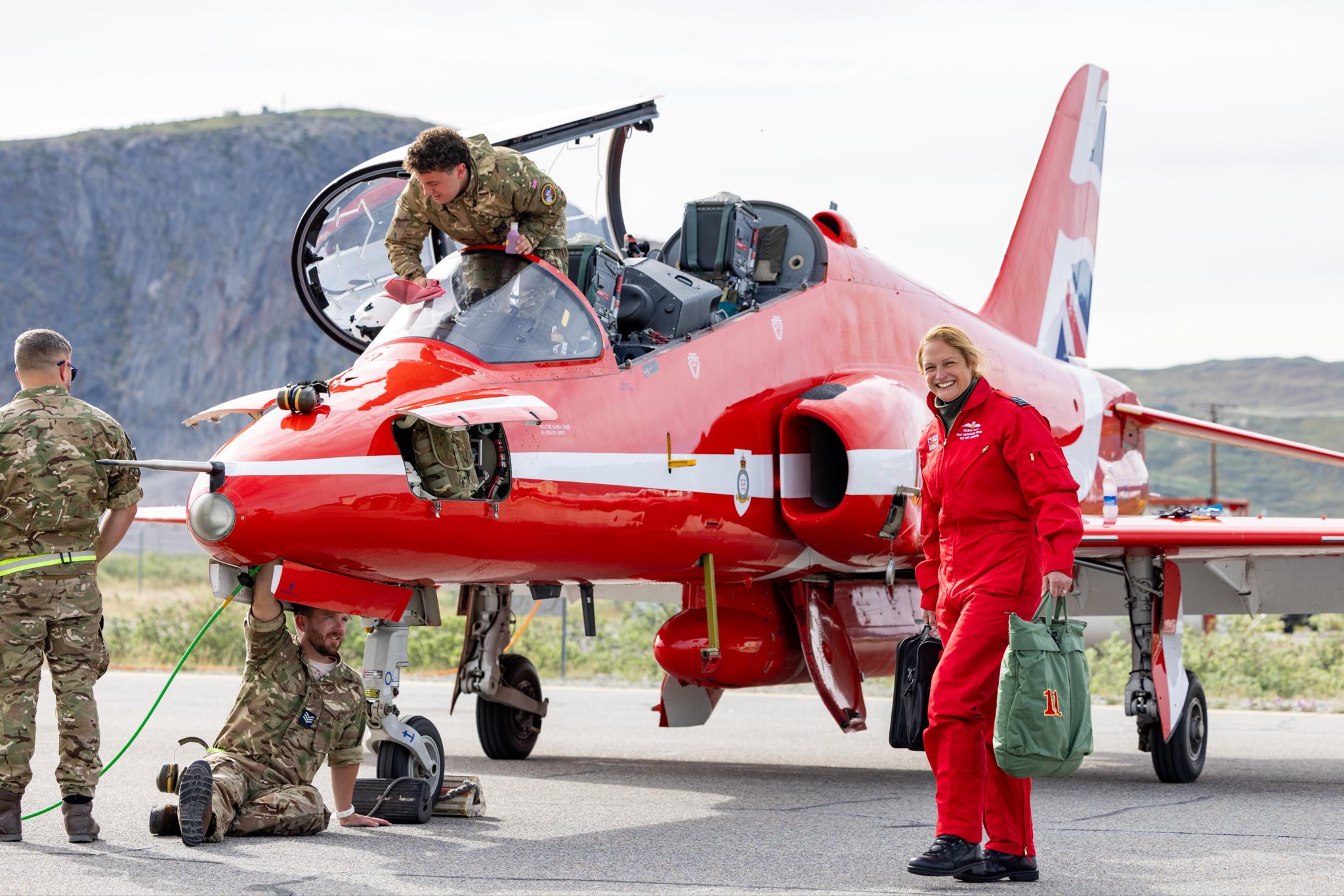
The UK wants its next fast-jet trainer to come with “significant UK workshare”, but with no British aircraft currently available to replace the Hawk, the government must decide what that commitment should mean in practice.
The Ministry of Defence has opened market engagement for a new Jet Training System (JTS), covering both advanced fast-jet training and a replacement for the Hawk T1 aircraft flown by the Red Arrows.
“With the Hawk T1 (Red Arrows) out-of-service date (2030) rapidly approaching, the investment will include new jets for a modernised fast-jet training system which will also allow the Red Arrows to replace the ageing Hawk aircraft,” the Request for Information states, adding that the programme will have “a significant UK workshare”.
Interested companies have until 11 September 2026 to respond. The exercise is intended to gather information and is not yet an invitation to tender, but it puts Britain’s diminished ability to manufacture military training aircraft firmly in the spotlight.
Britain’s lost trainer production line
The Hawk was designed and built in Britain, becoming one of the country’s most successful military aircraft exports. More than 1,000 were produced for customers around the world, while overseas manufacturing and assembly agreements extended its industrial reach.
However, BAE Systems’ UK Hawk production line closed in 2020. As the House of Commons Library noted in its analysis of the Defence Investment Plan, this left the country without a sovereign industrial capability to manufacture fast-jet training aircraft.
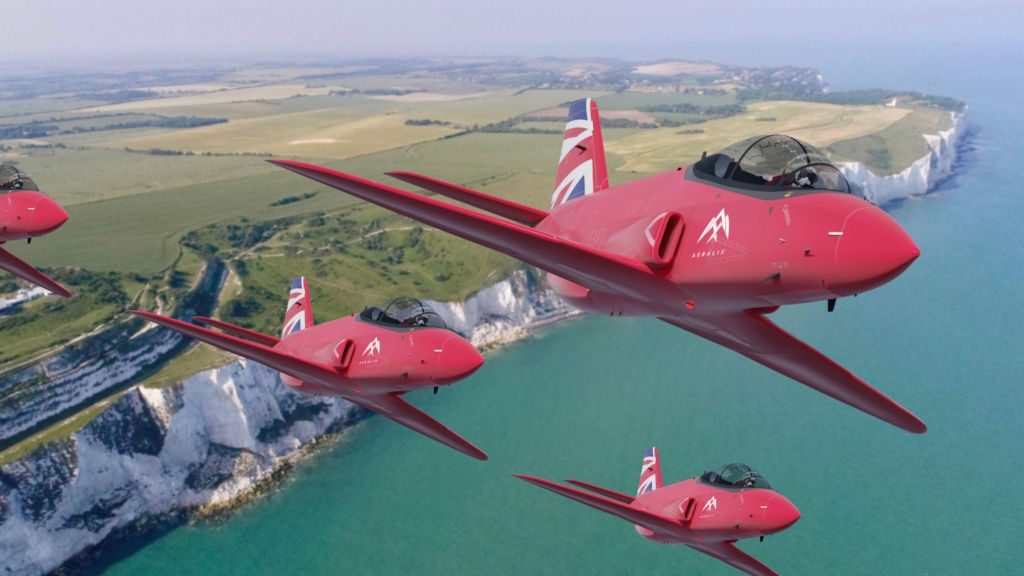
Aeralis had offered a prospective British alternative through its proposed modular light jet trainer. However, the start-up collapsed in May 2026 after years of uncertainty over funding and the timing of the RAF requirement.
With Aeralis gone, Britain is unlikely to develop a clean-sheet domestic trainer in time to replace the Red Arrows’ Hawks by 2030. The focus is therefore turning to existing overseas designs and how much economically and strategically valuable work can be brought to the UK.
That does not mean Britain lacks the skills to build aircraft. The country retains extensive capabilities in advanced manufacturing, aerostructures, avionics, propulsion, systems integration, simulation, certification and through-life support. What it no longer has is a current British-designed fast-jet trainer or an active production line dedicated to one.
Bidders shape their British offers
The most developed UK industrial proposal comes from BAE Systems, Boeing and Saab, which are offering a training system based on the US-designed T-7 Red Hawk.
The companies formalised their partnership in July 2026, committing to establish a UK-based final assembly and integration facility if the aircraft is selected. They have also raised the prospect of involving British suppliers throughout the aircraft’s operational life.
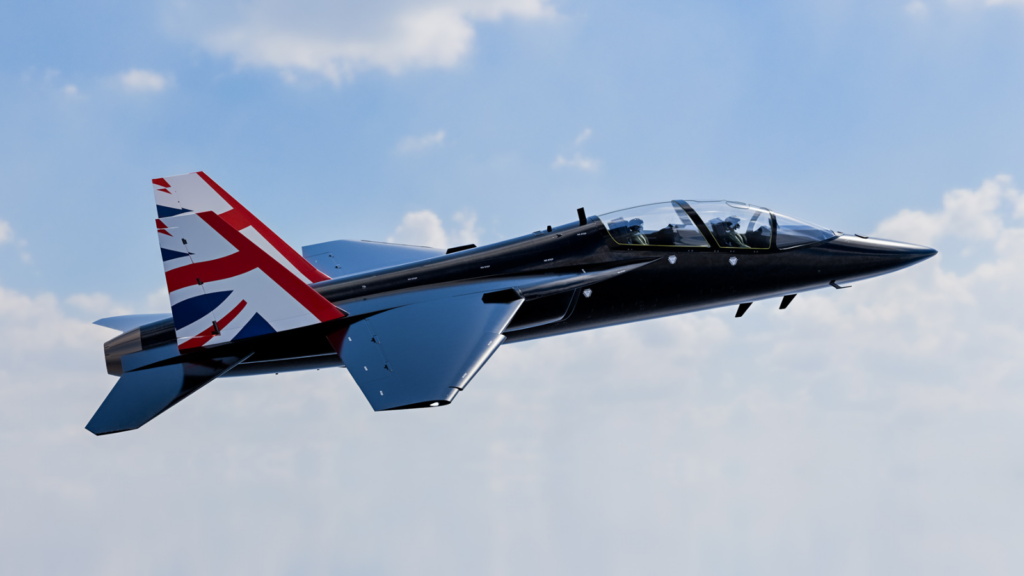
BAE Systems chief executive Charles Woodburn said the proposal would strengthen the UK’s sovereign industrial capability while aligning with the ambitions of the Defence Investment Plan.
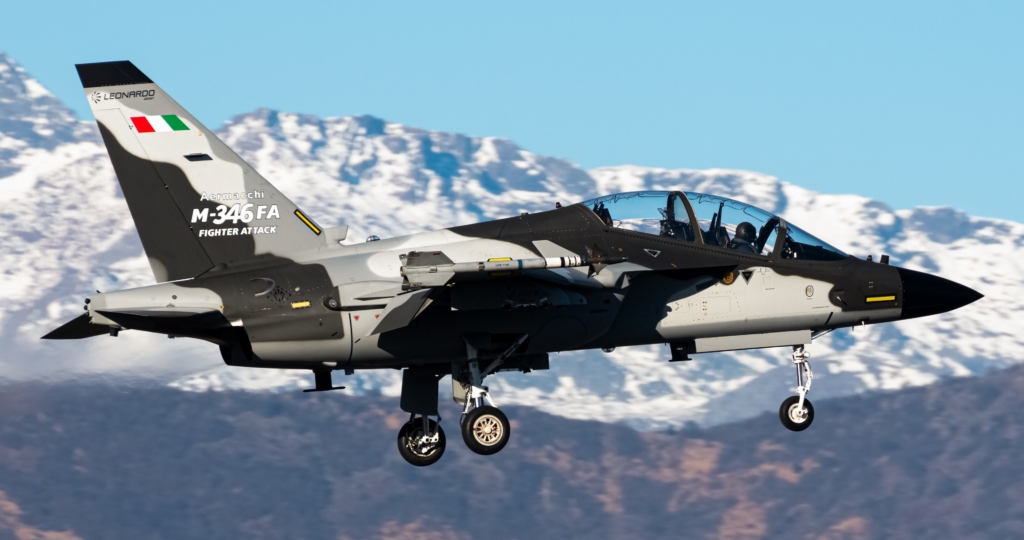
Leonardo is expected to offer its M-346, a mature Italian-designed aircraft already used by several air forces. The company has an established UK industrial footprint and has discussed final assembly of a British M-346 fleet in the UK, while seeking additional domestic partners for its bid.
Lockheed Martin and Korea Aerospace Industries are positioning the TF-50, derived from South Korea’s T-50 family. They have also been searching for a British production partner, although their detailed workshare proposal has yet to be made public.
Turkish Aerospace’s Hürjet remains another possible contender, but there is currently less detail about the British industrial content that could accompany a UK order.
What does significant workshare mean?
Final assembly would provide skilled jobs and preserve expertise in aircraft integration, testing and certification. It could also give British suppliers an opening to compete for structures, subsystems, training technology and long-term support work.
But attaching imported sections together in Britain would not, by itself, restore the sovereign capability lost with Hawk.
The value of the programme will depend on which components are manufactured in the UK, whether British companies gain access to intellectual property and whether they can participate in future upgrades. Export rights will be particularly important: a production facility serving only a relatively small RAF fleet may struggle to sustain skills and employment over the long term.
The MoD must also consider who controls the aircraft’s software, training architecture and supply chain. A jet assembled in Britain could still depend heavily on overseas approval for modifications, replacement parts or exports.
The RFI gives industry an opportunity to explain how it would close those gaps. For ADS members, the important question is not only which aircraft wins, but whether the programme creates lasting work across the UK supply chain.
Britain may no longer be able to offer a ready-made sovereign successor to the Hawk. It still has the capability to manufacture, integrate and support substantial parts of one. The coming competition will reveal how much of that work the government is prepared to demand, and how much the bidders are genuinely willing to provide.
Sign up for our newsletter and get our latest content in your inbox.
Similar Reads




Sign up for our newsletter. Select all sectors relevant to you.
Related