UK assembly sweetens BAE Systems, Boeing and Saab RAF T-7 trainer proposal

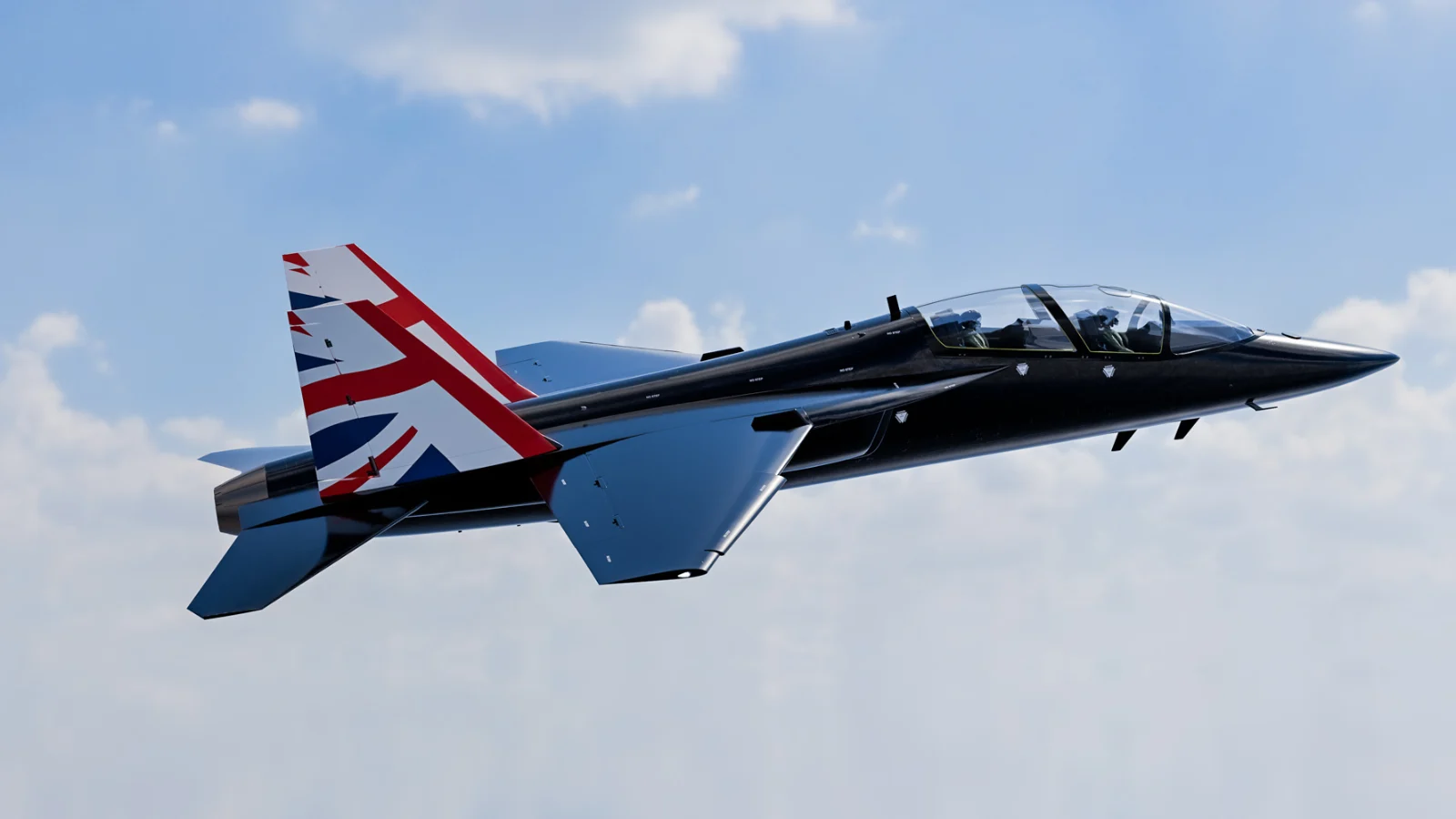
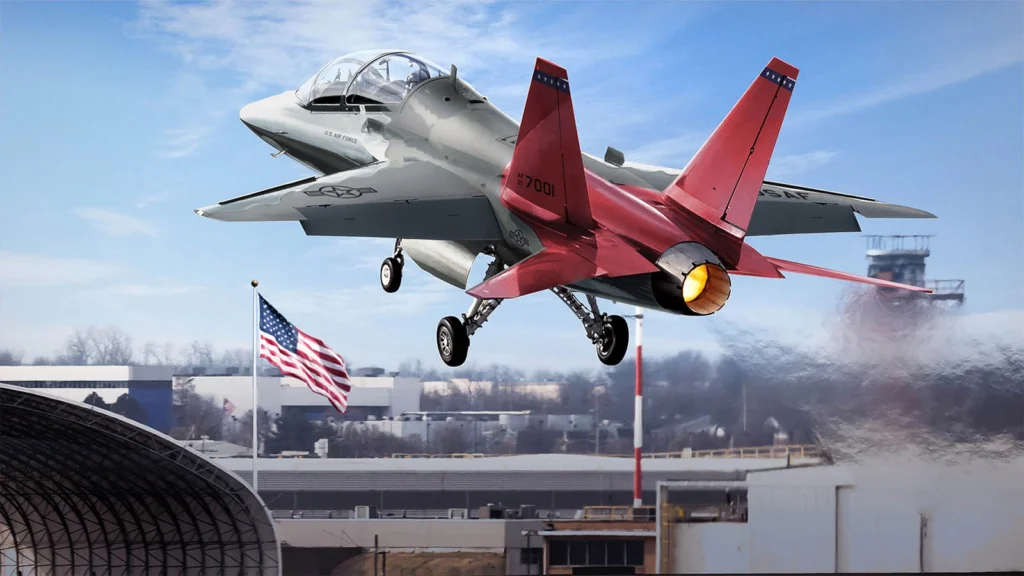
BAE Systems, Boeing and Saab have formalised a proposed partnership to deliver the Royal Air Force’s next-generation fast-jet trainer programme.
Through a formalised teaming agreement, the companies say they would establish a UK final assembly and integration facility for the programme.
Announced at the Farnborough International Airshow, the agreement follows a letter of intent signed by the three companies last year around Boeing’s T-7 pilot training aircraft.
The companies say the programme would support hundreds of jobs in the UK while creating a domestic base capable of assembling and integrating the aircraft.
UK assembly plan at heart of RAF proposal
The proposed facility would undertake final assembly and systems integration in the UK, with the partners also seeking to establish a domestic supply chain across manufacturing, maintenance and aircraft support.
The companies argue that such an approach would give the UK greater control over its future pilot training capability.
They also say it aligns with the government’s wider Defence Investment Plan by keeping key skills, intellectual property and support activities within the UK.
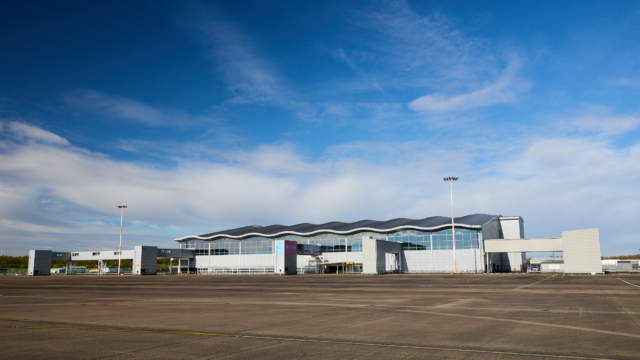
Work is already under way to identify a suitable location for the assembly site and develop the associated supplier network.
“By bringing together this international team of leading defence companies, we are in an excellent position to support the UK’s future training requirements,” said Charles Woodburn, chief executive officer of BAE Systems.
“Our offer represents a modern, integrated training solution which aligns with the ambition of the Defence Investment Plan, while strengthening the UK’s sovereign industrial capability.”
RAF faces ticking clock on Hawk retirement
The latest agreement represents the next stage in a collaboration first announced in November 2025, when BAE Systems, Boeing and Saab revealed plans to jointly pursue future RAF training opportunities.
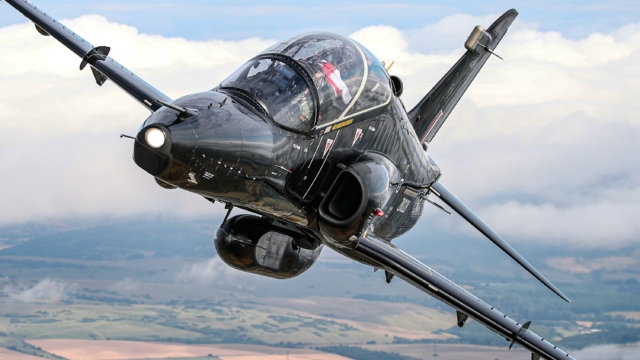
That follows the UK’s 2025 Strategic Defence Review, which confirmed that the RAF needs a new Advanced Jet Trainer to succeed the Hawk T2 fleet, which has suffered persistent availability issues and is due to retire in the next decade.
The older Hawk T1s, now largely flown by the Red Arrows, are expected to leave service around 2030.
T-7 combines aircraft and simulation training
Rather than offering only a training aircraft, the consortium is promoting an integrated training system centred on the Boeing T-7, combining live flying with advanced simulation technologies.
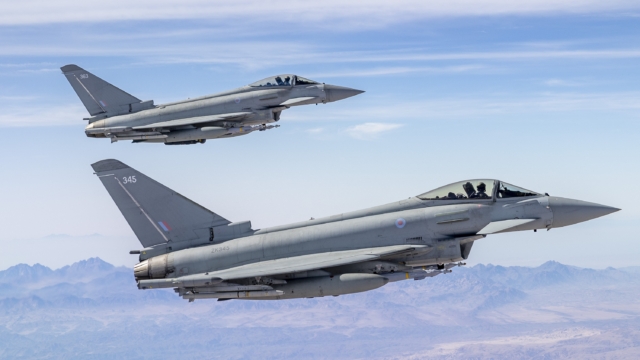
The companies say the system has been developed to support training for current RAF platforms, including the Eurofighter Typhoon and Lockheed Martin F-35.
“This collaboration with Saab and BAE Systems is an important step in advancing the United Kingdom’s future fast-jet training capability,” added Steve Parker, president and CEO of Boeing Defense, Space & Security.
“With the T-7 as its foundation, our modern training system can help deliver sovereign pilot training solutions while supporting high-value jobs and industrial capability across the UK.”
Sign up for our newsletter and get our latest content in your inbox.
Similar Reads

Sign up for our newsletter. Select all sectors relevant to you.
Related