Returning to STEM after career break becomes harder than ever
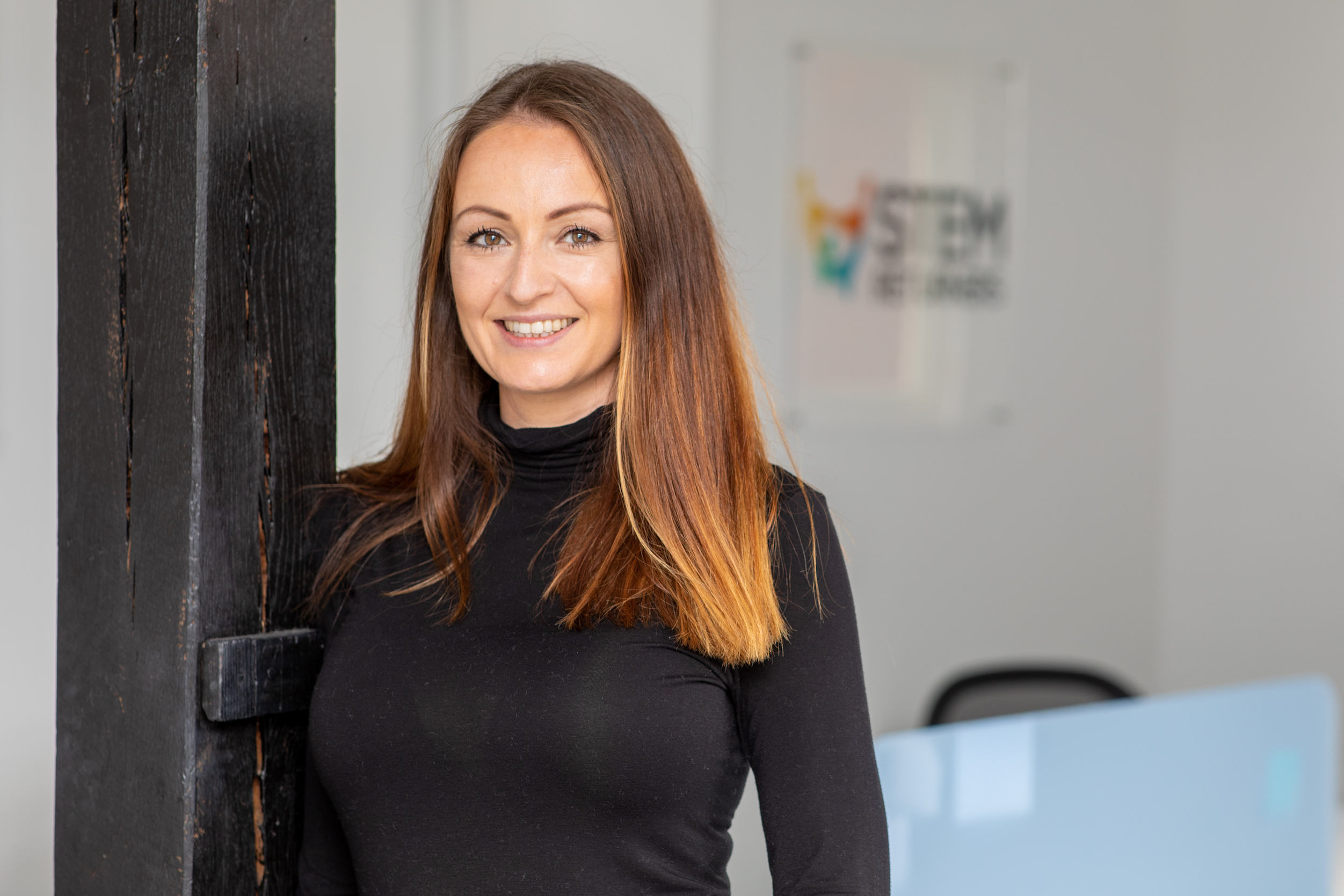
Image courtesy STEM Returners
The annual STEM Returners Index asks more than 1,000 STEM professionals on a career break or who have recently returned a range of questions to understand their experiences of trying to re-enter the sector.
Three-quarters (75%) of respondents in the 2025 Index said they were finding the return-to-work process difficult or very difficult (39% and 36% respectively), higher than in 2022 (65%) when the country was getting back to normal after the pandemic.

More than half of respondents (53%) said they had experienced bias against a lack of recent experience, an increase from 51% in last year’s survey, while 41% of respondents reported experiencing age bias, up from 36% in 2024.
More than a quarter (28%) of women said they experienced bias against their gender compared to 4% of men, an increase from 26% in 2024.
Two-thirds of people (65%) said the challenges of trying to return to work were damaging their self-confidence.
Bias in the recruitment system, the lack of feedback in the process and the impact it is having on professionals’ mental health are making people rethink their careers in the STEM sector - 85% of respondents said the challenges had made them question whether to continue pursuing a career in STEM.
Natalie Desty (above), Director of STEM Returners, said: “Despite widespread discussion about skills gaps and the value of experienced professionals, the past year has not delivered the progress returners need. Instead, the data shows stalled momentum, continued barriers and a hiring environment that remains difficult to navigate.
“There are many reasons why people have to take a break – to care for an elderly relative or redundancy, for example – and this is a normal part of working life. People should not be penalised for it, and it shouldn’t mean your career ends. Industry leaders must do more to update recruitment practices and challenge unconscious bias to give returners a fair chance to rejoin the industry they are passionate about.”
Women continue to report childcare as the leading driver of a career break with over half of women (54%) saying they stepped away due to childcare responsibilities, compared to 9% of men, up from 51% in 2024.
For men, career breaks are more likely to be driven by redundancy or work-related pressures. Redundancy rose from 25% to 28% in 2025, making it the most cited reason among male respondents.
Thousands of people have to take a career break – around 90,000 according to the CIPD – but many people feel forced into it. In the survey, just 17% said they took a break of their own choice and when they are ready to return, they face an uphill battle just to get their foot in the door.
Anna Shkurba is one of the many people whose career break was shaped by circumstances beyond her control. After establishing a varied engineering career with leading companies, she took time away from full-time work with the birth of her first child and moved to part-time work to balance caregiving and her professional responsibilities. When her second child was born during the COVID-19 pandemic and job opportunities became more limited, Anna supported her husband’s business in developing and manufacturing geothermal heat pumps.
In early 2022 however, Anna’s life turned upside down as the conflict in Ukraine escalated. Concerned for the safety of her children, she made the difficult decision to relocate to the UK, using her English-language skills to establish a new start.
Anna said: “Arriving alone with my two young children in a new country was extremely challenging. My husband had to remain in Ukraine, so we were separated while trying to navigate everything from housing to childcare. We had to rebuild our lives from the beginning.”
Determined to return to engineering, Anna began applying for roles in and around London. Despite applying for hundreds of roles and taking training courses on writing CVs and covering letters, she struggled to secure interviews.
“It was demoralising to send out so many applications and receive only to receive automated rejections,” she said. “But I knew I couldn’t give up. I knew we couldn’t go home, and I needed stability for my children and I wanted to return to the work I trained for.”
Anna discovered a STEM Returners Programme for a Public Health Engineer position at Jacobs. Within days, she received an interview invitation.
“To say I was nervous would be an understatement,” Anna said. “But the interview with Jacobs felt supportive and welcoming, so all my tension and uncertainty vanished. It was a huge joy to receive an offer from Jacobs a few days later to participate in a 12-week STEM Returners Programme.”
Since it was launched in 2017, STEM Returners has helped nearly 700 people return to work. Through paid, 12-week placements, candidates are able to rejoin the workforce in a supportive environment. They receive mentoring and career coaching and at the end of the placement have the opportunity to become a permanent member of staff in the host organisation. STEM Returners works with leading STEM organisations like National Grid, BAE Systems, E.ON, Leonardo UK and EDF, to support people back to work.