

Royal Navy launches BAE Systems’ Nyan drone as Hybrid Navy plans advance


The British Armed Forces have tested a domestically produced strike drone from both land and sea, as the UK moves to accelerate the use of low-cost uncrewed systems across its front-line forces.
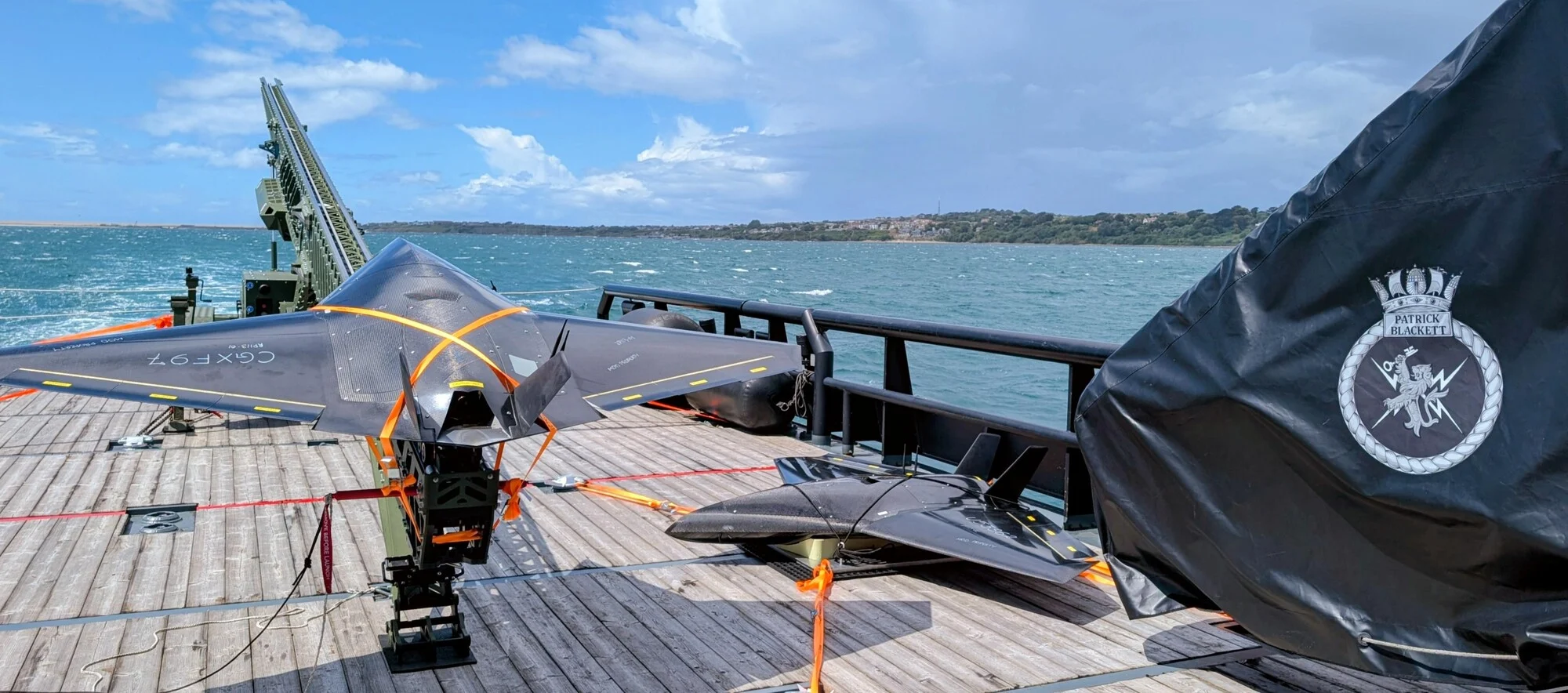
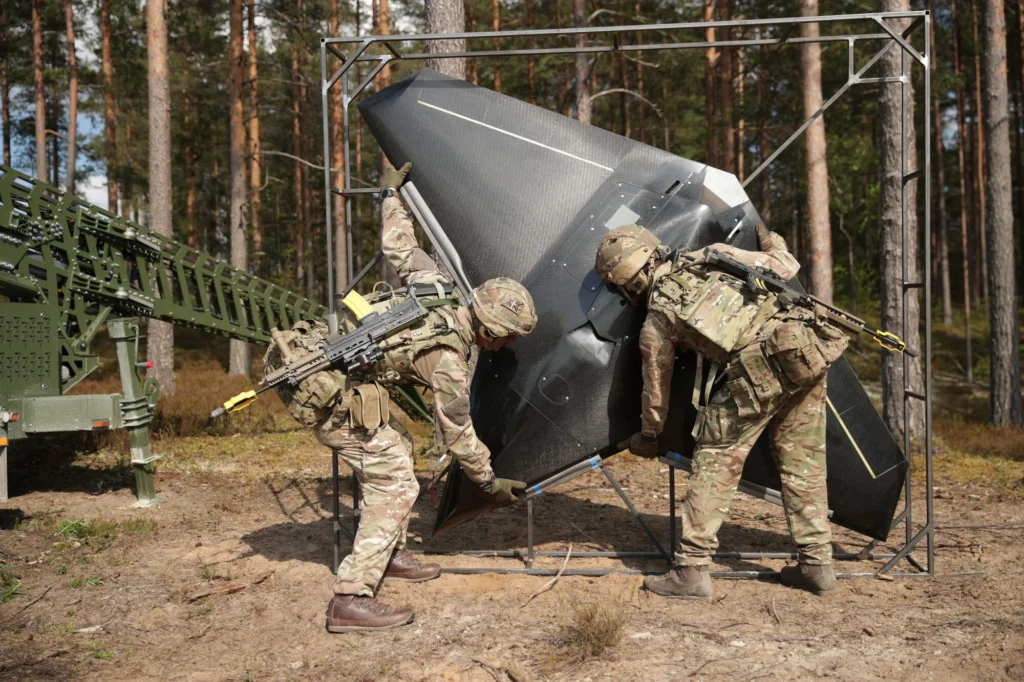
The Nyan one-way effector, developed and built by BAE Systems’ Callen-Lenz, was launched from the Royal Navy experimentation ship XV Patrick Blackett off the south coast of England during Exercise Neptune Reach.
The small uncrewed aircraft has a 2.9-metre wingspan and is designed to provide a precision strike capability. Its latest launch followed earlier British Army trials in Estonia, where Nyan was used during Exercise Spring Storm as part of the UK’s deep fire capability in support of NATO allies.
The sea-based trial brought together the Royal Navy, British Army and Royal Air Force under Project Vantage, a programme focused on accelerating the test and evaluation of maritime attack drones.
From deep fires to the Hybrid Navy
The latest trial moves Nyan beyond a land-based role and into the Royal Navy’s emerging Hybrid Navy concept, which aims to combine crewed warships with uncrewed systems to increase reach, tempo and lethality.
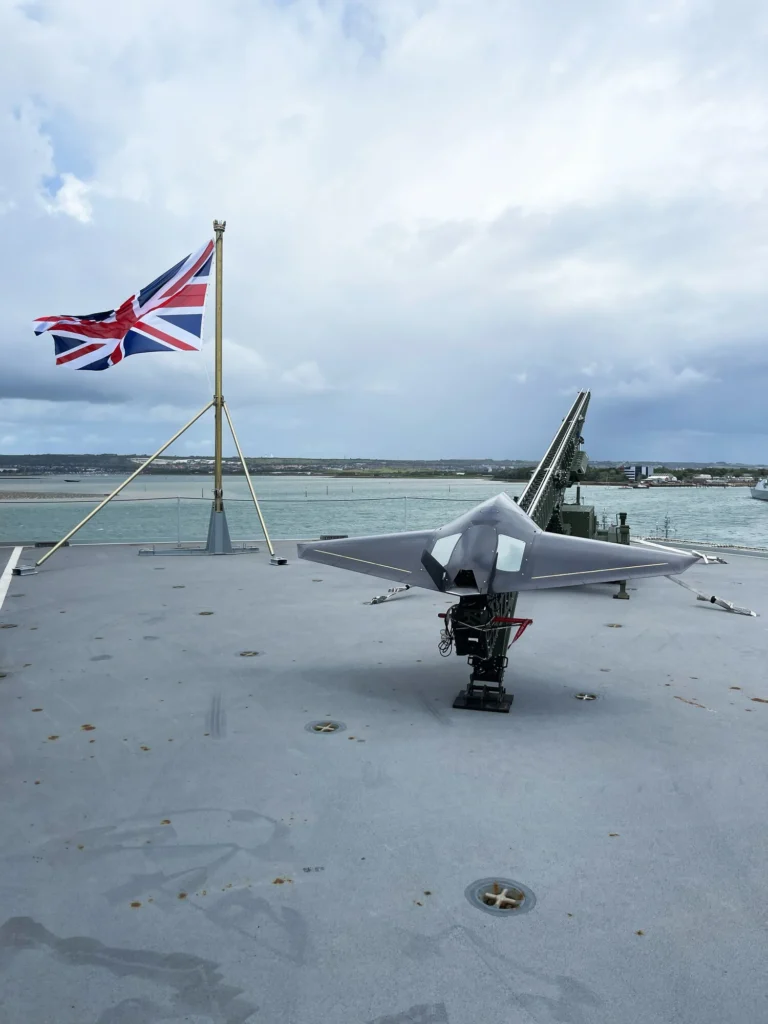
During the trial, a launcher capable of launching one-way effector drones at up to 55 metres per second was fitted to XV Patrick Blackett’s deck. The work was intended to help assess how Nyan could be operated from a naval platform at sea.
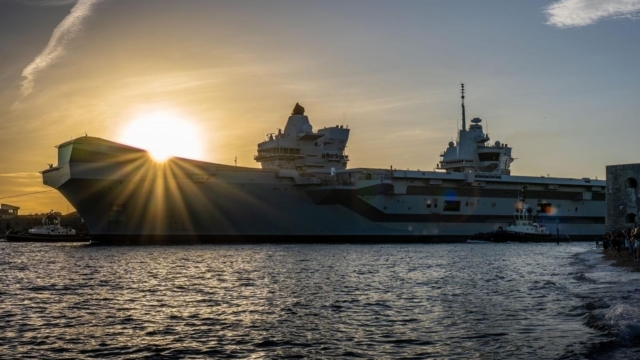
The Royal Navy Capability team and the Air and Space Warfare Centre are now analysing the results, with the potential for further trials aboard HMS Queen Elizabeth.
Luke Pollard MP, Minister for Defence Readiness and Industry, said: “Britain is serious about the transition to a Hybrid Navy with new, powerful drones at the heart of the Royal Navy.
“By bringing together Army and Navy expertise to field strike drones from a ship at sea, we are accelerating the capabilities our forces need to stay ahead of our adversaries.”
Project Vantage has previously been identified as the maritime element of the UK’s One Way Effectors programme, with its first phase focused on demonstrating launch from a Royal Navy vessel. If successful, the programme could be expanded across a wider range of naval platforms, including the Queen Elizabeth-class aircraft carriers.
UK drone investment gathers pace
The trial also comes days after the government set out a major increase in funding for drones and autonomous systems under the Defence Investment Plan.
More than £5 billion has been allocated over the next four years to support what ministers have described as a drone transformation of the Armed Forces. That includes £650 million for inexpensive expendable autonomous systems, such as drones and uncrewed ground vehicles, to increase the lethality of the Army, Commando Force and Special Forces.
For the Royal Navy, systems such as Nyan point to a future in which larger crewed platforms are supplemented by cheaper, attritable systems able to carry out strike, surveillance and other missions without placing personnel directly in harm’s way.
Matt Foster, CEO of BAE Systems’ Callen-Lenz, said: “Nyan is already operationally proven on land, with more than 1,000 units produced. Now it has successfully demonstrated its ability to add real value in a maritime environment too.
“These trials reflect strong collaboration across the services and industry, highlighting the pace at which we can deliver innovation to advance the UK’s integrated, multi-domain defence capability.”
A test, not yet a fleet-wide adoption
BAE Systems said the trials form part of its expanding portfolio of uncrewed air systems being developed through FalconWorks, the company’s advanced research and technology hub.
The company said it is drawing on more than 25 years of experience in uncrewed and autonomous systems to develop products that can operate alongside current and future front-line platforms, adding affordable combat mass.
However, the trial does not yet amount to fleet-wide adoption of Nyan by the Royal Navy. Details such as payload, guidance, electronic warfare resilience, operational range and any follow-on procurement pathway have not been disclosed.
Even so, the direction of travel is clear. The UK is no longer treating one-way attack drones purely as battlefield improvisation or experimental technology. It is now testing how they might be integrated across domains, from Army deep fires in Europe to maritime strike concepts at sea.
Sign up for our newsletter and get our latest content in your inbox.
Similar Reads



Sign up for our newsletter. Select all sectors relevant to you.
Related