

Teledyne sensors launched on MetOp-SG-A1


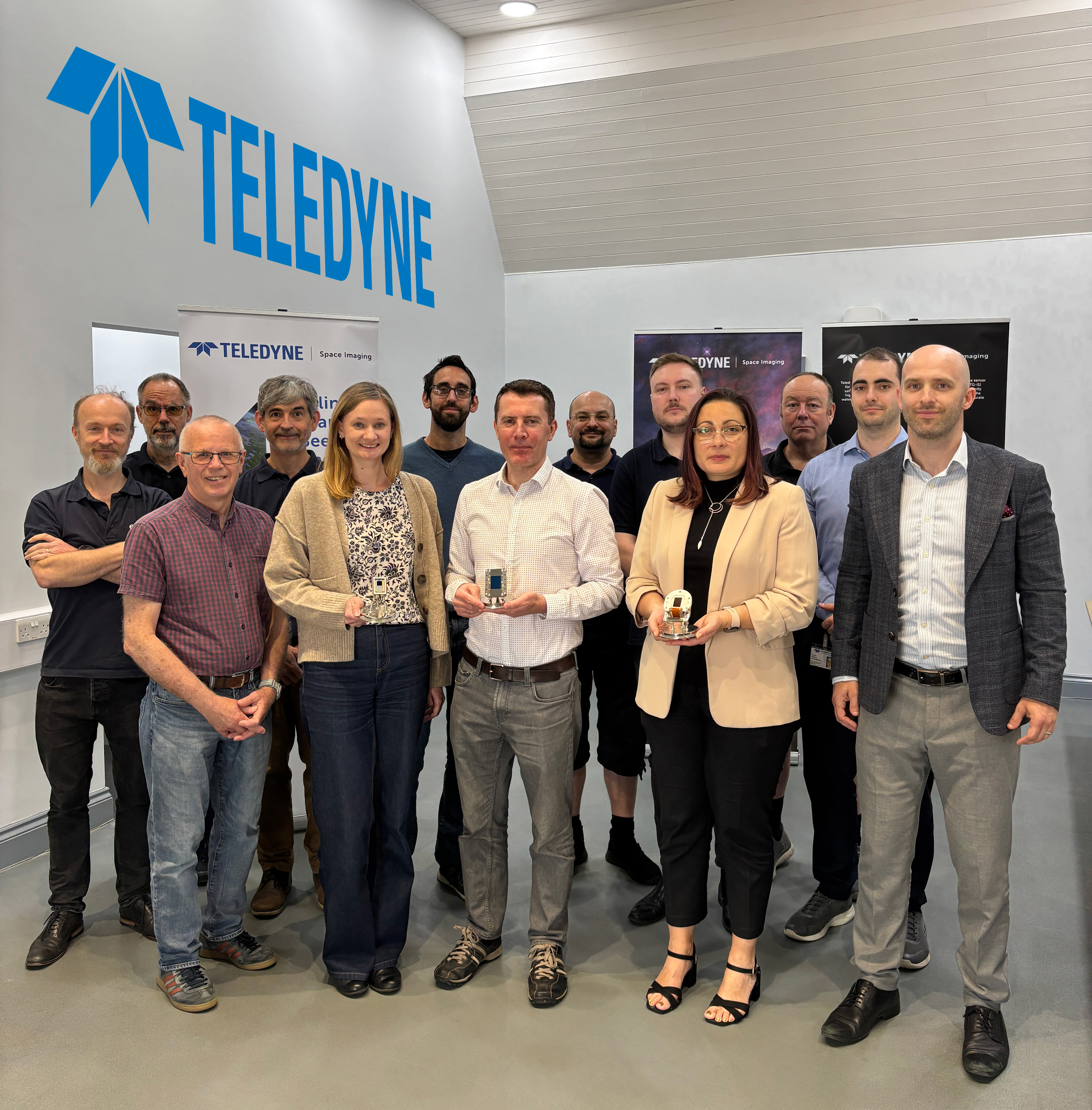
Image courtesy Teledyne
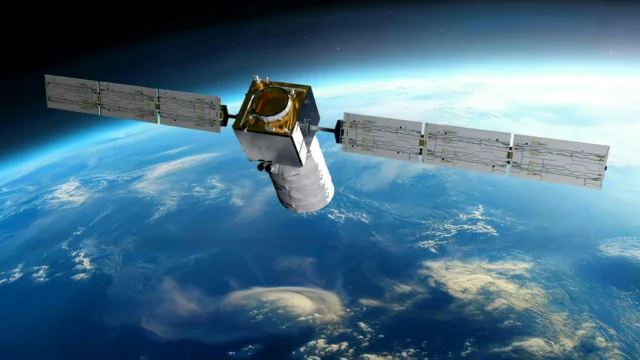
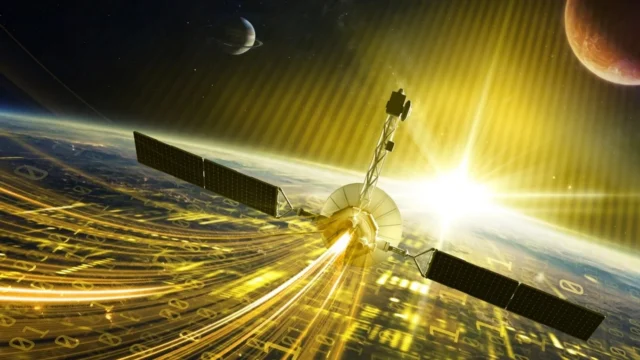
MetOp-SG-A1 is the first unit of a pair of next generation satellites that will orbit the Earth together 14 times a day, to provide observation of any location on Earth. In total three satellite pairs will be launched over the next two decades. MetOp-SG-A1 successfully launched on 13th August 2025 at 01:37 BST (12th August 21:37 local time) from Europe’s Spaceport in Kourou, French Guiana.
The MetOp Second Generation mission is part of the European Organisation for the Exploitation of Meteorological Satellites’ (EUMETSAT) Polar System, which is Europe’s first contribution to the Joint Polar System shared with the USA’s National Oceanic and Atmospheric Administration (NOAA). This is also part of a long-standing cooperation between EUMETSAT and the European Space Agency (ESA). The Metop-SG satellites are developed under ESA contract by a European industrial consortium led by Airbus Defence and Space.
Teledyne Space Imaging supplied detectors for three instruments on board MetOp-SG-A1. For Sentinel-5 and METimage, Teledyne delivered the CCD314 and CIS119 respectively to Airbus Defence and Space GmbH.
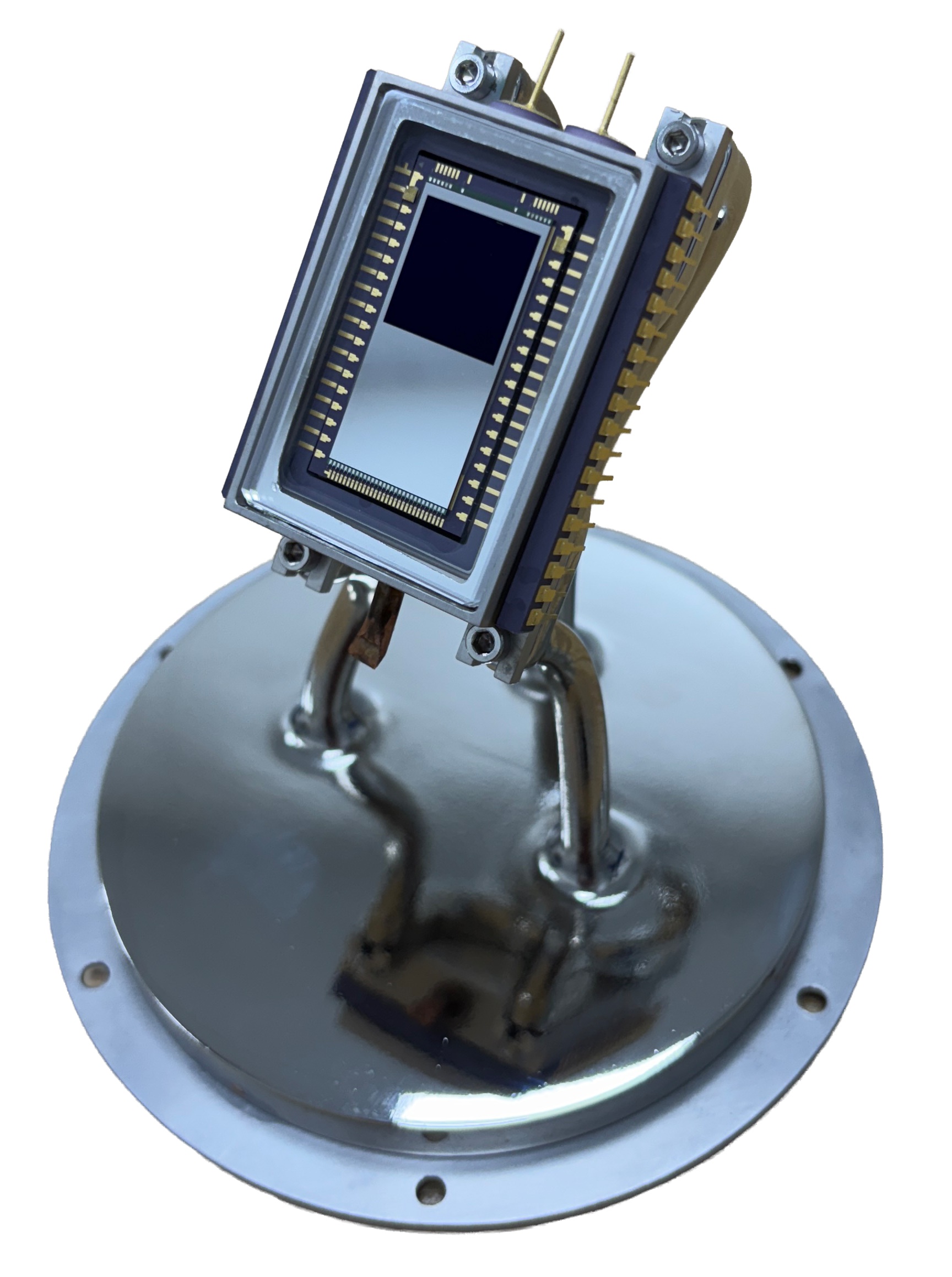
For the Multiviewing, Multichannel, Multipolarisation Imager (3MI), the company worked with SELEX Galileo, now Leonardo Electronics US Inc, on the CCD327-20 (above).
Sentinel-5 is the latest mission of the Copernicus constellation which complements the operational Sentinel-5P and recently launched Sentinel-4 satellite. The Sentinel-5 focus is on air quality, with detection capability for trace compositions of nitrogen dioxide, ozone, sulphur dioxide, glyoxal, formaldehyde and aerosols. Sentinel-5 will also deliver daily global coverage of carbon monoxide and methane for climate, air quality and ozone/surface ultraviolet applications. The high-resolution spectrometer system contains three Teledyne custom CCD314 sensors, based on the heritage of Sentinel-5P’s mission success. Each sensor has been optimised for the UV1, UV-2/Vis and NIR channels of the instrument.
METimage is a multi-spectral imaging radiometer that will measure the Earth’s outgoing radiation in both visible and infrared bands for meteorological and climate monitoring, as well as numerical weather predictions. METimage data will also support other applications, including oceanography, hydrology, land surface evolution, aerosol and air quality monitoring. Teledyne supplied the custom CMOS CIS119 sensor for the METimage visible and near infrared channels, covering wavelengths from 443 nm to 914 nm.
The 3MI instrument is an optical imaging radiometer with a unique combination of wavelengths and polarisation to provide atmospheric aerosol data and cloud imaging for use in weather predictions, as well as climate and air quality monitoring. The 3MI will enable each target area to be imaged from 14 different angles as the satellite moves across 12 spectral channels in the visible and shortwave infrared spectra. It is the first dedicated multiangle polarimetric instrument to fly in Europe. The 3MI instrument houses one Teledyne CCD327-20 sensor, based on the company’s well-established CCD47-20 design, covering the VNIR wavelength bands from 400 nm to 920 nm.
Daniel Waller, Vice-President and General Manager of Teledyne Space Imaging, said: “We are extremely proud to see our sensors in three out of the six instruments onboard MetOp-SG-A1. It is testament to our heritage that Teledyne Space Imaging is entrusted to provide market-leading high quality, reliable sensors that meet the technical requirements. This second-generation series of satellites will ensure Europe can continue monitoring weather and climate for the next 20 years, as well as providing key data for nowcasting. Our team are looking forward to being part of this new chapter in Earth observation.”
Chelmsford based Teledyne Space Imaging is part of Teledyne Technologies.
Sign up for our newsletter and get our latest content in your inbox.
Similar Reads

Sign up for our newsletter. Select all sectors relevant to you.
Related