British Army expands TIQUILA contract to cover heavier drones and BVLOS flight


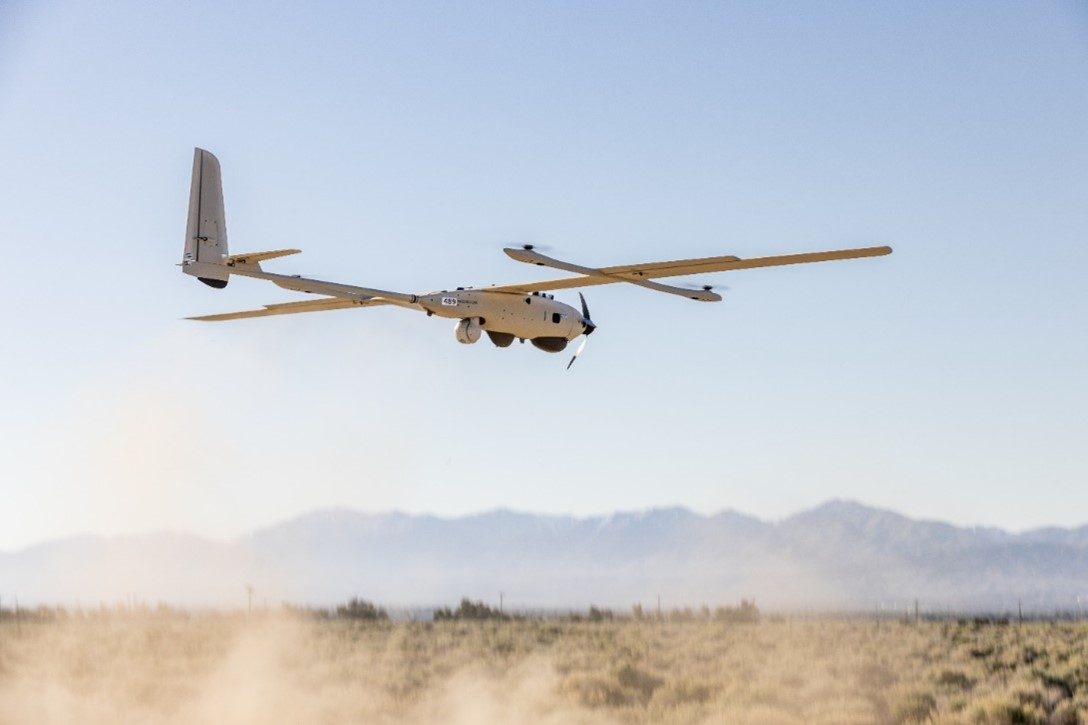
The Ministry of Defence has stated it intends to modify its TIQUILA contract without undertaking a new procurement procedure. The change raises the maximum take-off weight allowed under the British Army’s mini drone programme from 20 kgs to 50 kgs.
It also confirms the contract covers flights beyond visual line of sight. The notice states this is to “broaden the contractual technical envelope so that TIQUILA can continue to procure and integrate relevant UAS capability as technology and operational demands evolve.”
The TIQUILA contract was awarded to Lockheed Martin UK in late 2022 and runs for 10 years with the option to extend by another two years. The contract is worth around £129 million (VAT excluding).
The modification does not require new programme
The modification to the contract does not change it into a requirement for a different category of capability and so does not require a fresh procurement programme. The Ministry of Defence considers the modification to be non-material in terms of the existing contract and has published the notice voluntarily in the interests of transparency.
One benefit of modifying the existing contract, without running a new competition, is that the change can potentially happen faster. Drones are becoming an increasingly important part of the British Army’s equipment.
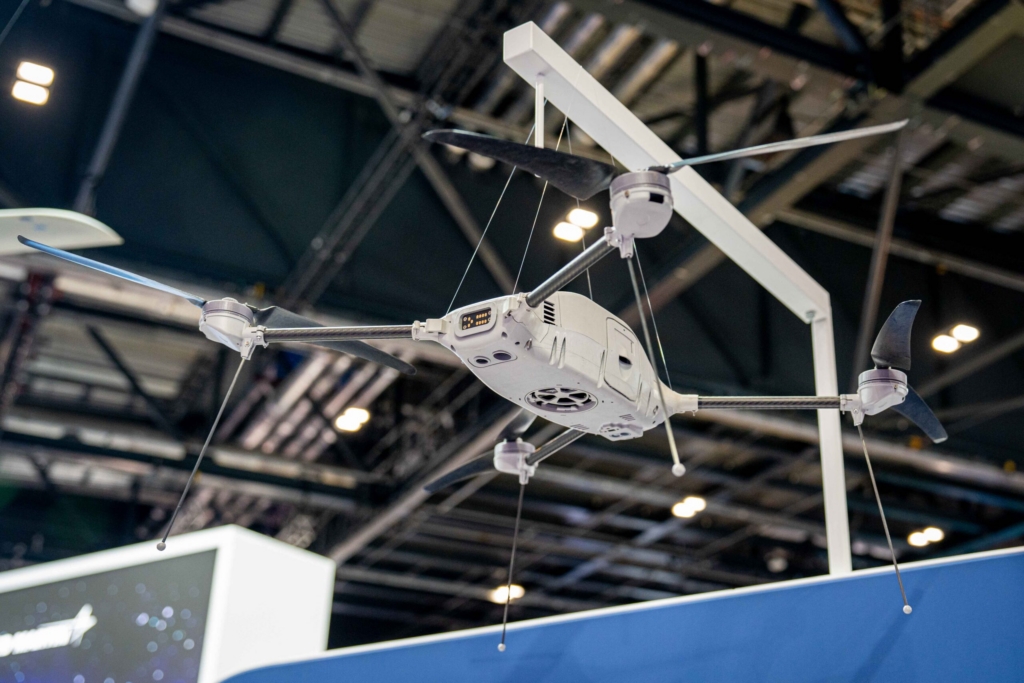
All pricing mechanisms are to remain the same, although it confirms the “inclusion of VLOS and BVLOS Packable MUAS capability.”
Raising the weight limit will allow the drones to carry heavier sensors and achieve a higher endurance. Flying beyond line of sight has some implications for safety, with Louise Sandher-Jones, the Minister for the Armed Forces, telling Parliament that military flights beyond visual line of sight use temporary segregated airspace with prior notification.
The British Army’s TIQUILA programme
Lockheed Martin says the TIQUILA programme provides “both tactical and long endurance uncrewed intelligence, surveillance and reconnaissance (ISR) services, sophisticated targeting and automated target and threat recognition driven by artificial intelligence (AI) technology.”
In 2022, UK Defence Journal reported that Brigadier Pete Drew, the Army’s senior responsible owner for the programme, stated, “TIQUILA will bring the next generation of remotely piloted air systems into service in the Army.”
These British Army drones are required to have their modular technical and digital architecture built on open-standard interfaces so that new capabilities can be integrated as they emerge.
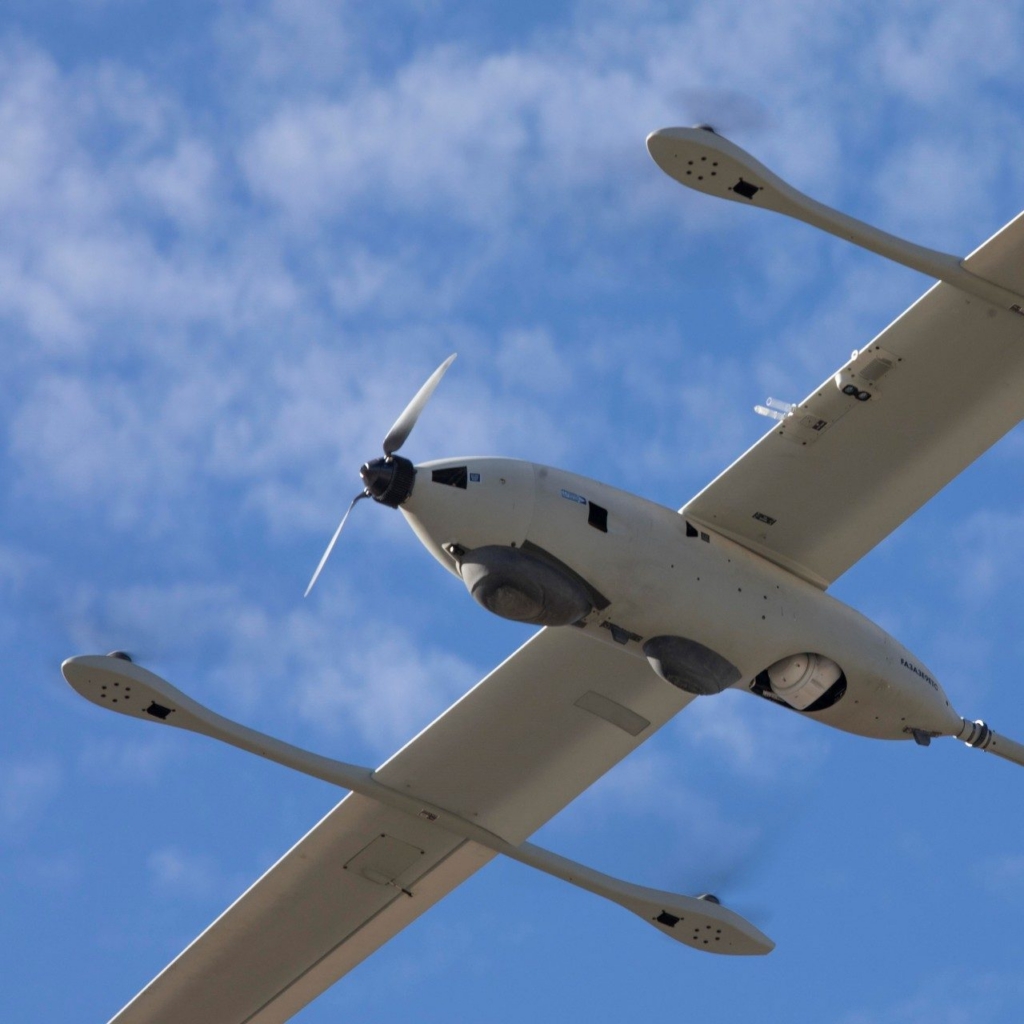
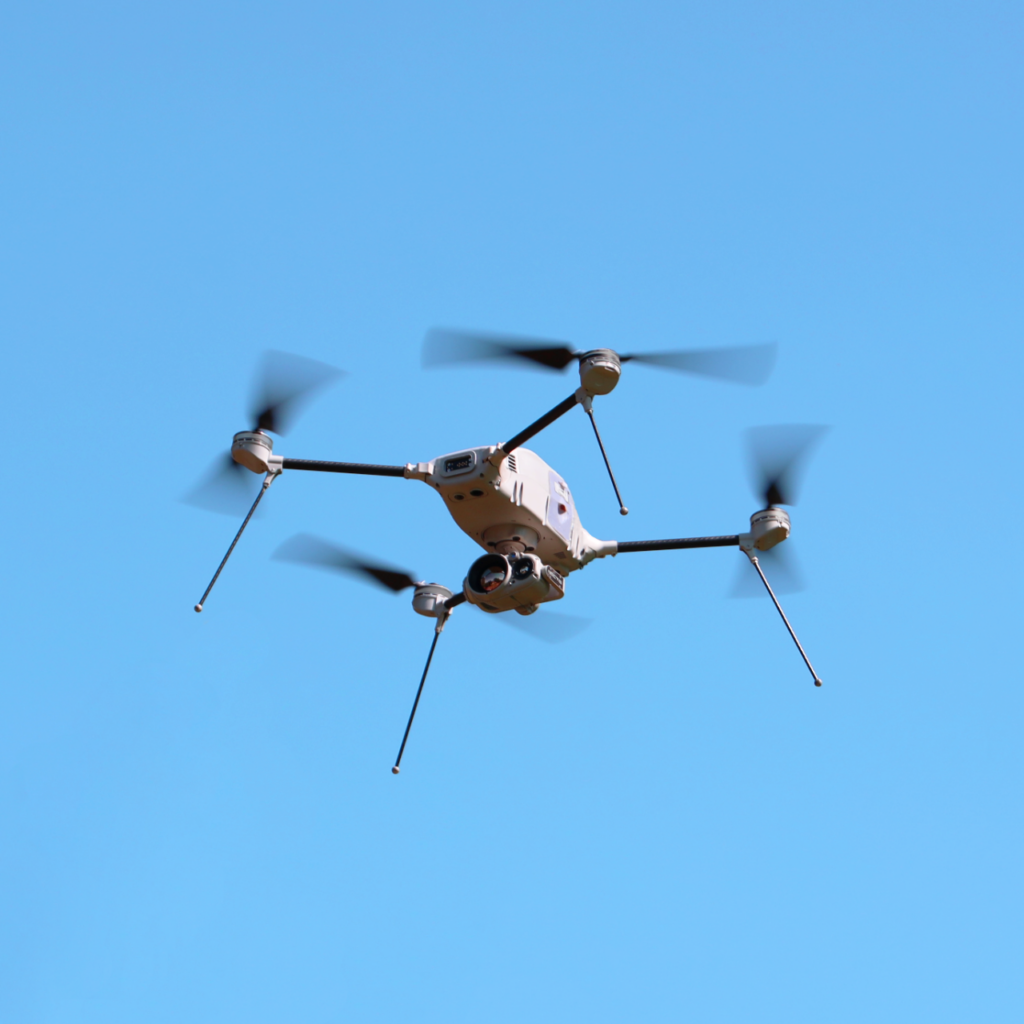
Under the programme, the Army has purchased 99 near-silent, long-endurance Stalker VXE 30s, along with 15 Indagos. Stalkers weigh under 20 kg, and Indagos weigh under eight kilograms.
When the contract was signed in 2022, it was stated that the military planned to have full operational capability for four Future Soldier batteries. It is unclear what the status of the programme is.
Sign up for our newsletter and get our latest content in your inbox.
Similar Reads


Sign up for our newsletter. Select all sectors relevant to you.
Related