UK, Japan and Italy sign stealth fighter programme Treaty
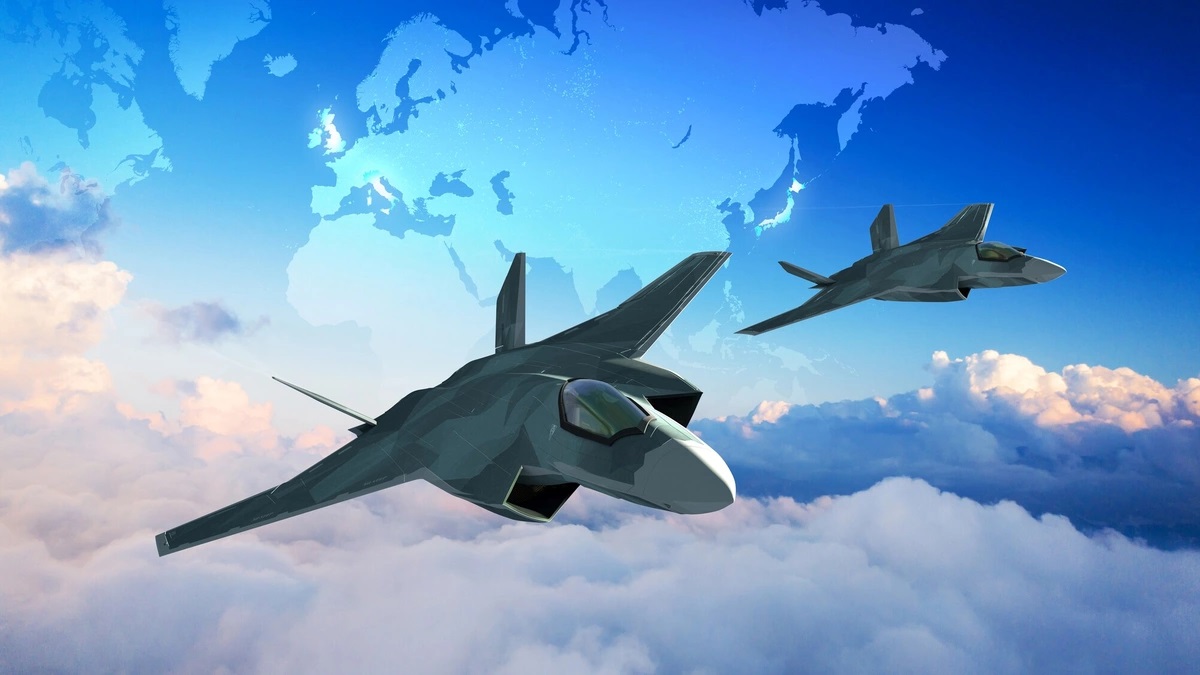
Above:
Future Combat Air System concept.
Courtesy BAE Systems
The treaty marks a key stage of the landmark Global Combat Air Programme (GCAP) and the headquarters of the programme will be based in Britain.
This combat air aircraft, due to take to the skies by 2035, aims to harness next-generation technologies and become one of the world’s most advanced, interoperable, adaptable and connected fighter jets in service globally. The programme is expected to create highly-skilled jobs in the UK and in partner countries over the next decade and beyond.

The supersonic stealth jet will boast a powerful radar that can provide 10,000 times more data than current systems, giving a battle-winning advantage.
Within the UK, the effort is being led by BAE Systems, in close partnership with Rolls-Royce, Leonardo UK and MBDA UK – as well as hundreds of companies in the supply chain from across the country. Together, they are working closely with lead companies from Japan and Italy to progress the design and development of this aircraft.
Defence Secretary, Grant Shapps said: "Our world-leading combat aircraft programme aims to be crucial to global security and we continue to make hugely positive progress toward delivery of the new jets to our respective air forces in 2035.
"The UK-based headquarters will also see us make important decisions collaboratively and at pace, working with our close partners Italy and Japan and our impressive defence industries, to deliver an outstanding aircraft."
Defence Secretary Grant Shapps met with his Japanese and Italian counterparts, Minister Minoru Kihara and Minister Guido Crosetto, in Tokyo. The signing of the Treaty comes a year after the formal launch of GCAP and highlights the positive progress in the development of this next-generation fighter jet. The joint development phase of the programme is due to launch in 2025.
The treaty confirmed the UK will host the joint GCAP government headquarters, supporting hundreds of UK jobs and working with Japanese and Italian colleagues. The first CEO will come from Japan. The HQ will be responsible for delivering vital military capability, strengthening each country’s combat air industrial capability and achieving value for money.
Supporting the Prime Minister’s priority to grow the economy, there are already around 3,000 people in major combat air hubs across the UK, including the south-west and north-west of England and Edinburgh, with almost 600 organisations on contract across the country, including SMEs and academic institutions.
In combat air, the MoD has spent £2 billion in the UK over the last five years on technology, creating skills and capabilities - with a further £600 million from industry - to ensure the UK is ready to drive this programme forward.
A crucial programme for the future of stability in the Euro Atlantic, Indo-Pacific and wider global security, GCAP is a strong example of the UK’s global leadership in developing next generation military capability to deter and defeat threats to the UK and our allies.
It is another demonstration of our commitment to Indo-Pacific security, following the deployment of the Royal Navy’s Carrier Strike Group in 2021, with a further deployment coming in 2025, as well as the Navy maintaining a persistent presence in the region through HMS Spey and HMS Tamar.
Separately, a new joint business construct will be headquartered in the UK, with significant global presence. This industry counterpart of the Government organisation will oversee support and timely delivery of the programme, including the 2035 in-service date of the combat aircraft – known as Tempest in the UK. The first leader of the joint business construct will be from Italy.
This collaborative approach is indicative of the ground-breaking international programme.
The national defence industry leaders on the Global Combat Air Programme (GCAP) – Leonardo (Italy), Mitsubishi Heavy Industries (Japan) and BAE Systems (UK) - have warmly welcomed the signing of the Convention on the Establishment of the 'Global Combat Air Programme - GCAP International Government Organisation (the GIGO)' by their respective governments.
Herman Claesen, Managing Director, Future Combat Air Systems, BAE Systems’ Air sector, said: "We welcome the agreement signed by the governments of Italy, Japan and the UK today, and the continued progress with our industrial partners to advance the future joint business construct that will enable us to deliver the next generation combat aircraft. We’re proud to represent the UK on this exciting and forward-leaning partnership, which will deliver a crucial and affordable defence capability and help to maintain our sovereign combat air skills in the UK."
Guglielmo Maviglia, Director GCAP programme, Leonardo, said: "We are proud to be part of the GCAP programme along with our partners. GCAP, which will see the development of an innovative next generation core platform underpinned by advanced technology, is charting a transformational new approach to international industrial collaboration. Through its ambition, the programme will maintain the competitiveness of our industries at an international level."
Hitoshi Shiraishi, Senior Fellow, GCAP, Mitsubishi Heavy Industries, said: "We would like to very much welcome the signing of the treaty by the governments of Italy, the UK and Japan. In addition, following the conclusion of this treaty, we would like to work even more closely with our partners in Italy and the UK to promote GCAP. We will also work to ensure that GCAP contributes to strengthening Japan’s defence capabilities."
GCAP will attract investment in research and development into digital design and advanced manufacture processes, providing opportunities for the UK's next generation of highly skilled engineers and technicians.