

UK military to practise mobilising 95,000 veterans for war


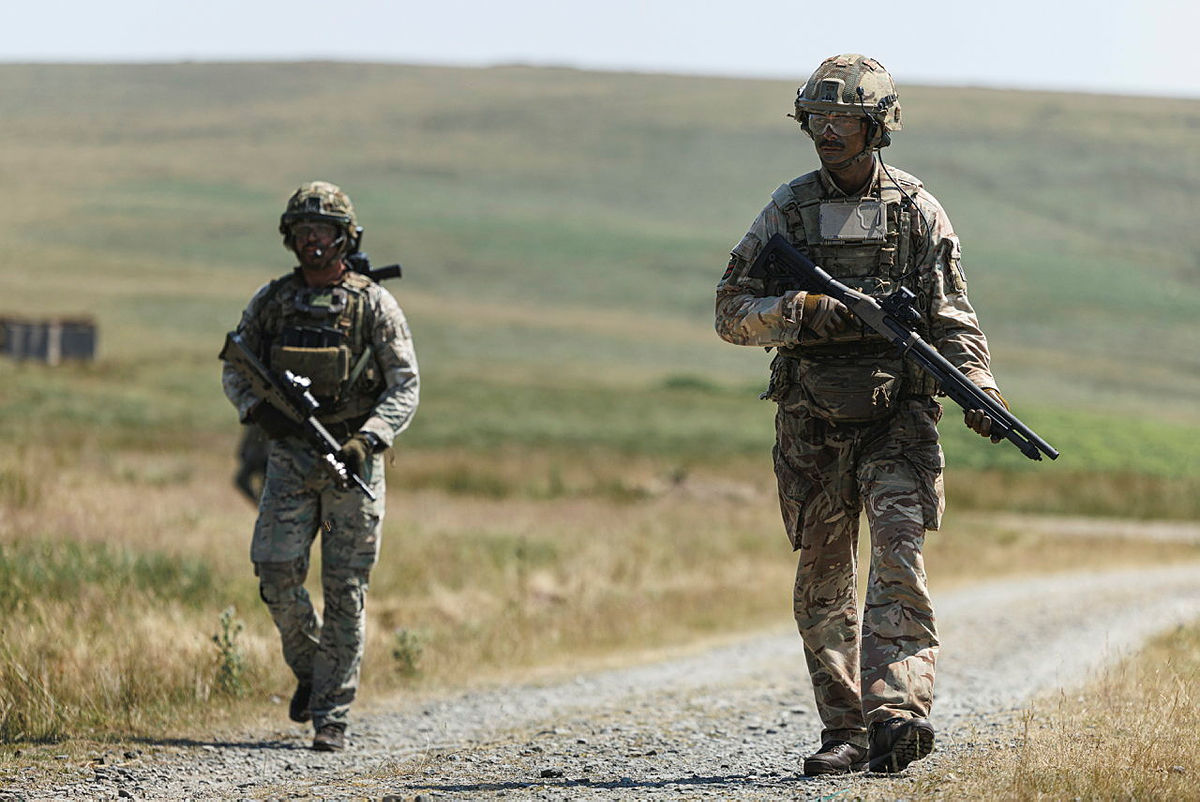
The UK will practise calling former military personnel back into service next year as the Ministry of Defence prepares its roughly 95,000-strong Strategic Reserve for a potential major conflict.
The exercises will test how veterans could be contacted, called up, equipped and returned to military service, Armed Forces Minister Louise Sandher-Jones told the House of Lords National Resilience Committee on Monday.
According to The Telegraph, Sandher-Jones said the Strategic Reserve “has been a lot less used in my lifetime” but would now be “a real commitment for those that are in it.”
“There will be exercises as part of our exercise programme next year where we will go through measures to call out and use and equip and all the rest of the procedures we’d have to go through to be able to use the strategic reserve properly,” Sandher-Jones told the committee. “When I left the army and found out I was in the strategic reserve, I just filed it away and never thought about it again. We are definitely no longer in that space.”
The move forms part of a wider overhaul of the UK’s reserve forces as the government attempts to improve the country’s ability to mobilise personnel rapidly during a crisis or conflict.
What is the UK’s Strategic Reserve?
The Strategic Reserve is separate from the UK’s almost 32,000 active part-time reservists who volunteer and regularly train with the Army, Royal Navy and Royal Air Force.
It consists principally of former regular personnel who retain a legal liability to be recalled after leaving the Armed Forces. Under existing rules, reservists can be recalled in circumstances involving “national danger, great emergency or attack on the UK.”
The Government’s 2025 Strategic Defence Review called for the Strategic Reserve to be “reinvigorated” and recommended that Defence develop and exercise mobilisation plans.
The review also identified a more fundamental problem: the MoD needs to know where its former personnel are and what skills they could provide if recalled.
MoD will test whether mobilisation actually works
The exercises announced by Sandher-Jones are intended to test more than whether the government has the legal power to recall former personnel.
The House of Commons Armed Forces Bill Committee says the MoD intends to conduct “a series of synthetic exercises from 2027 onwards to evaluate the effectiveness of the mobilisation process.”
Those exercises will develop measures covering recall effectiveness, reservist engagement, the availability of people with specialist skills, and how quickly Defence can access the personnel it needs.
Tracking former personnel remains one of the biggest challenges.
Air Chief Marshal Sir Richard Knighton, Chief of the Defence Staff, has warned that Defence does not currently have an effective system for tracking and engaging members of the Strategic Reserve.
Knighton also told the House of Commons Defence Committee that lessons from Ukraine forced the UK to rethink mobilisation during a prolonged war.
“It became clear that it was going to be prolonged,” Knighton said of the war in Ukraine. “That required us to think about how we mobilise the population and how we mobilise those who are ex-regulars, now in civilian jobs or even retired, and get them back into uniform.”
Knighton said the Armed Forces had been directed to “exercise the call-up of elements of that strategic reserve” during NATO’s Steadfast Defender 2027 exercise.
The exercise should therefore test the UK’s ability to turn a largely administrative pool of former personnel into a usable military force.
Government is expanding who can be recalled
The government is also changing the law to increase the pool of former personnel potentially available during a crisis.
The Armed Forces Bill 2026 includes measures to raise the maximum call-up age for non-officer reservists from 55 to 65, standardise recall liability across the services and make it easier to begin mobilisation before a conflict starts.
The threshold for recall would be widened to include “warlike preparations,” rather than requiring the existing conditions of national danger, great emergency or an attack on the UK.
When the Ministry of Defence announced the measures in January, Commander Standing Joint Command Lt Gen Paul Griffiths said the changes were necessary because of the growing threat facing the UK.
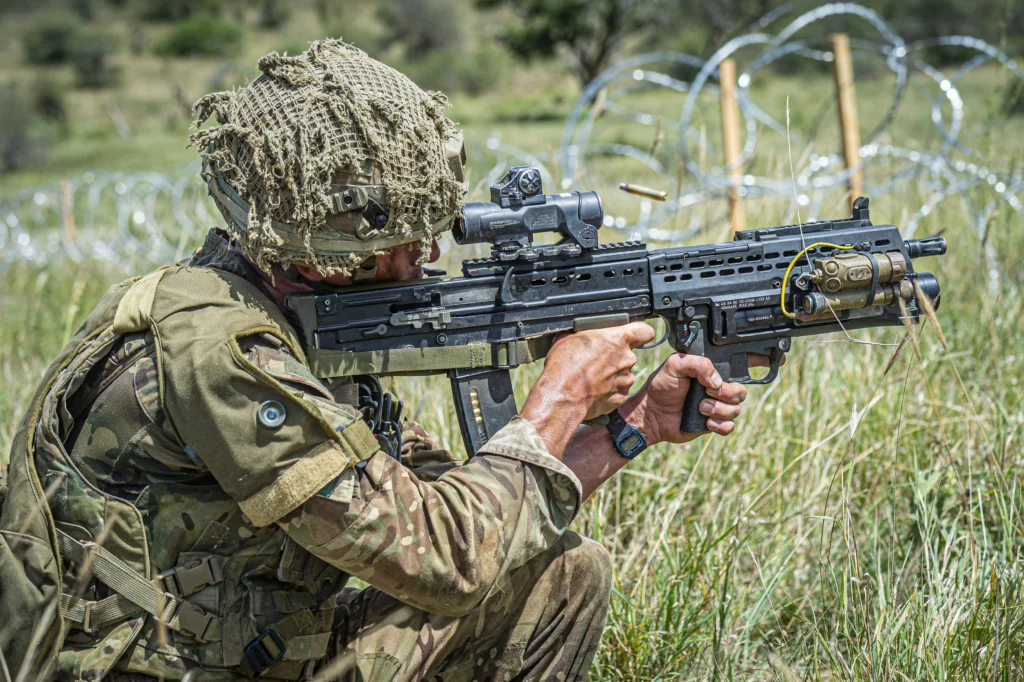
“As the threat to our nation grows, we must ensure our Armed Forces can draw on the numbers and skills required to meet it,” Griffiths said. “I fully support these measures, which will give us the widest possible pool of experienced personnel to call upon in times of crisis.”
An official MoD Strategic Reserves impact assessment says the reforms are intended to improve Defence’s ability to recall reservists “at pace and scale during times of national need.”
Veterans could provide cyber, intelligence and medical skills
Mobilisation would not simply involve recalling former soldiers to provide additional frontline troops.
The MoD says the Strategic Reserve includes expertise in fields such as cyber, intelligence, medicine and communications.
“Our Strategic Reserve represents a wealth of expertise built over years of military and civilian experience – from cyber and intelligence to medicine and communications,” Griffiths said in the MoD announcement. “These reforms will allow us to mobilise that talent rapidly when it matters most, strengthening our readiness and aligning with a similar approach many NATO forces are taking to bolster their own resilience.”
That combination of military and civilian experience could make former personnel particularly valuable in specialist roles.
Ukraine changed how the UK thinks about mobilisation
Russia’s invasion of Ukraine has played a major role in the UK’s reassessment of its reserves.
The MoD said its reforms reflect lessons from Ukraine’s “innovative use of Reserves and whole of society response to Russian aggression.”
The UK’s active volunteer reservists already contribute substantially to current operations. According to the Ministry of Defence, more than one in five troops involved in Operation Interflex, the British-led programme training Ukrainian forces, were reservists in 2024.
The Strategic Reserve provides another, much larger pool of personnel the UK could draw on if it needed to expand its military significantly.
The planned exercises will test whether the UK can locate former personnel, determine their skills, issue call-up notices, equip them and return them to military service.
For tens of thousands of veterans who may have regarded their reserve liability as little more than an administrative consequence of leaving the Armed Forces, the government’s message is that the Strategic Reserve is becoming an active part of the UK’s preparations for a potential major conflict.
Sign up for our newsletter and get our latest content in your inbox.
Similar Reads




Sign up for our newsletter. Select all sectors relevant to you.
Related