UK, Poland agree to expand military production and boost NATO readiness


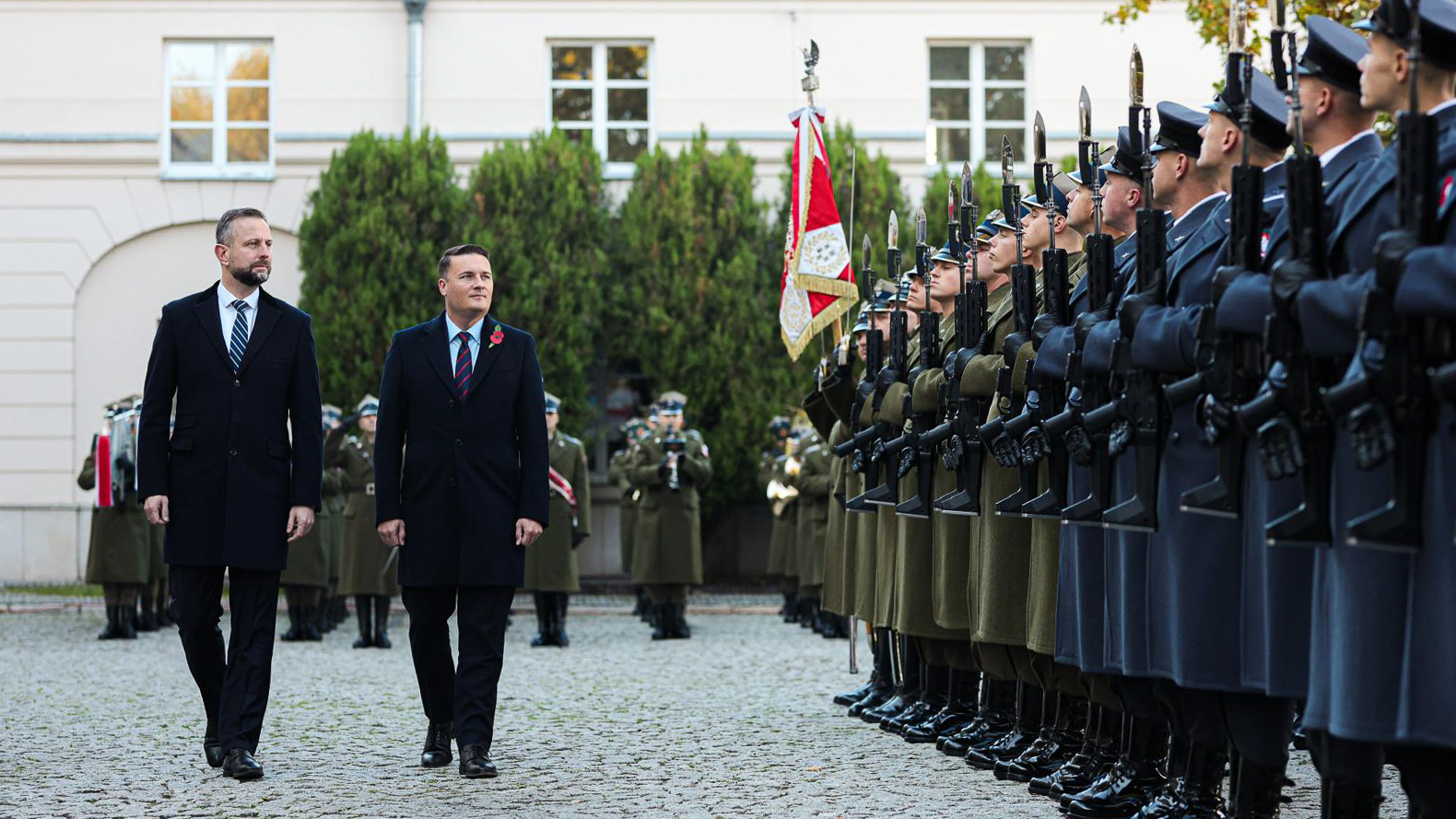
The UK and Poland have agreed to deepen defence-industrial cooperation, including the development of next-generation air defence missiles, joint drone technologies and increased large-calibre ammunition production, under a new agreement aimed at strengthening security on NATO’s eastern flank.
Announced on 27 October, the new Warsaw Defence Plan sets out the first phase of cooperation under the UK-Poland Security and Defence Partnership Treaty that was signed in May 2026. The agreement was confirmed during a meeting in Warsaw between UK Defence Secretary Wes Streeting and Polish Deputy Prime Minister and Defence Minister Władysław Kosiniak-Kamysz.
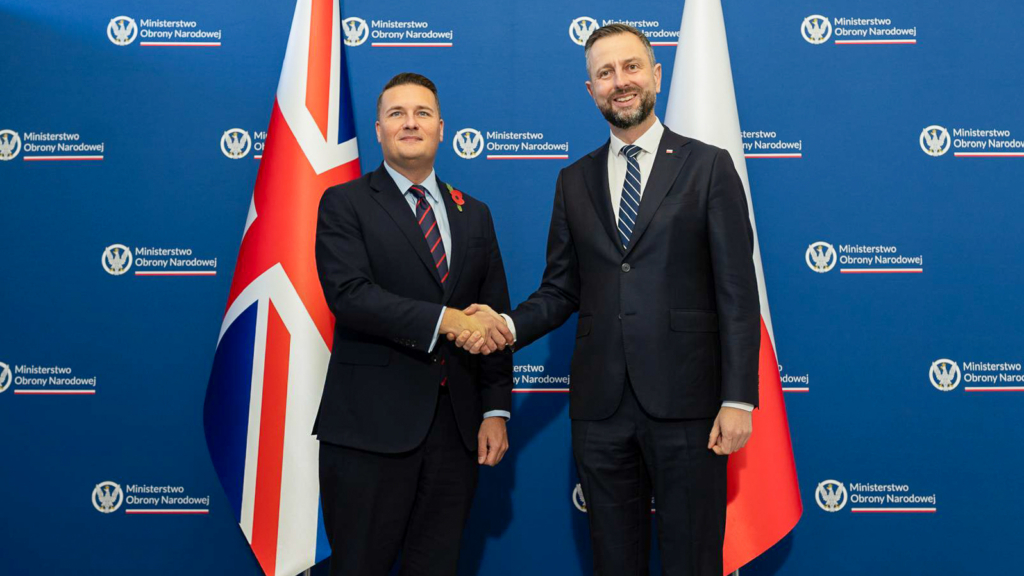
The plan intends to improve military readiness, reinforce deterrence against Russian threats and strengthen the defence-industrial base of both nations, while supporting wider European security and NATO interoperability goals.
Commenting on the agreement, Streeting said: “The new Warsaw Defence Plan honours this cooperation and sets out how we will continue to work together today, building a stronger Europe in a stronger NATO.”
A joint push to scale up missile and ammunition production
A key element of the agreement is closer collaboration on the manufacture and development of next-generation air defence missiles, alongside improved coordination of defence procurement.
In addition, British and Polish industrial partners BAE Systems and Polska Grupa Zbrojeniowa (PGZ) will expand the capacity and capability of large-calibre ammunition production. The two governments will also encourage knowledge and technology transfer, as well as workforce development and stronger supply chains to support longer-term industrial resilience.
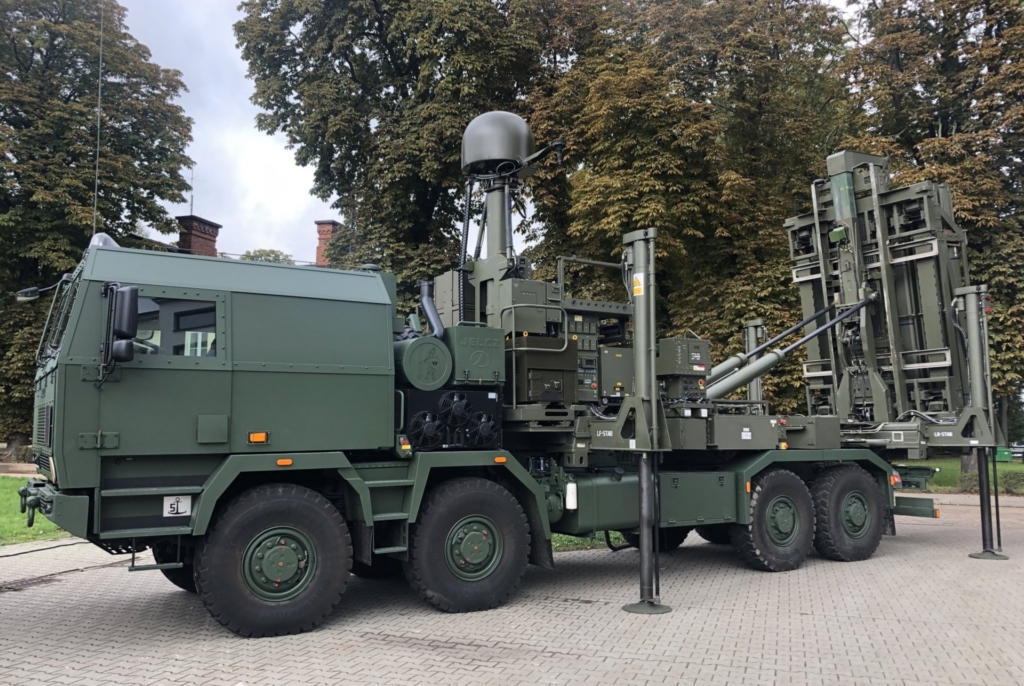
The programme builds on existing defence cooperation, including Poland’s procurement of the new Narew air defence system from MBDA UK. The partnership intends to support more coordinated capability planning and improve the ability of both countries to meet future military requirements.
Poland is currently pursuing a major modernisation of its armed forces, with increased emphasis on domestic manufacturing and reducing dependence on external suppliers. For the UK, closer industrial collaboration offers opportunities to strengthen production capacity and reinforce defence supply chains alongside a key NATO ally.
Teaming up to tackle growing drone threats and enhance cyber and maritime security
The Warsaw Defence Plan also provides for the co-development of drone and counter-drone technologies, reflecting growing concern over uncrewed systems and their potential threat to civilians and critical national infrastructure.
Cyber security cooperation will further support the protection of military and civilian sites against hostile activity.
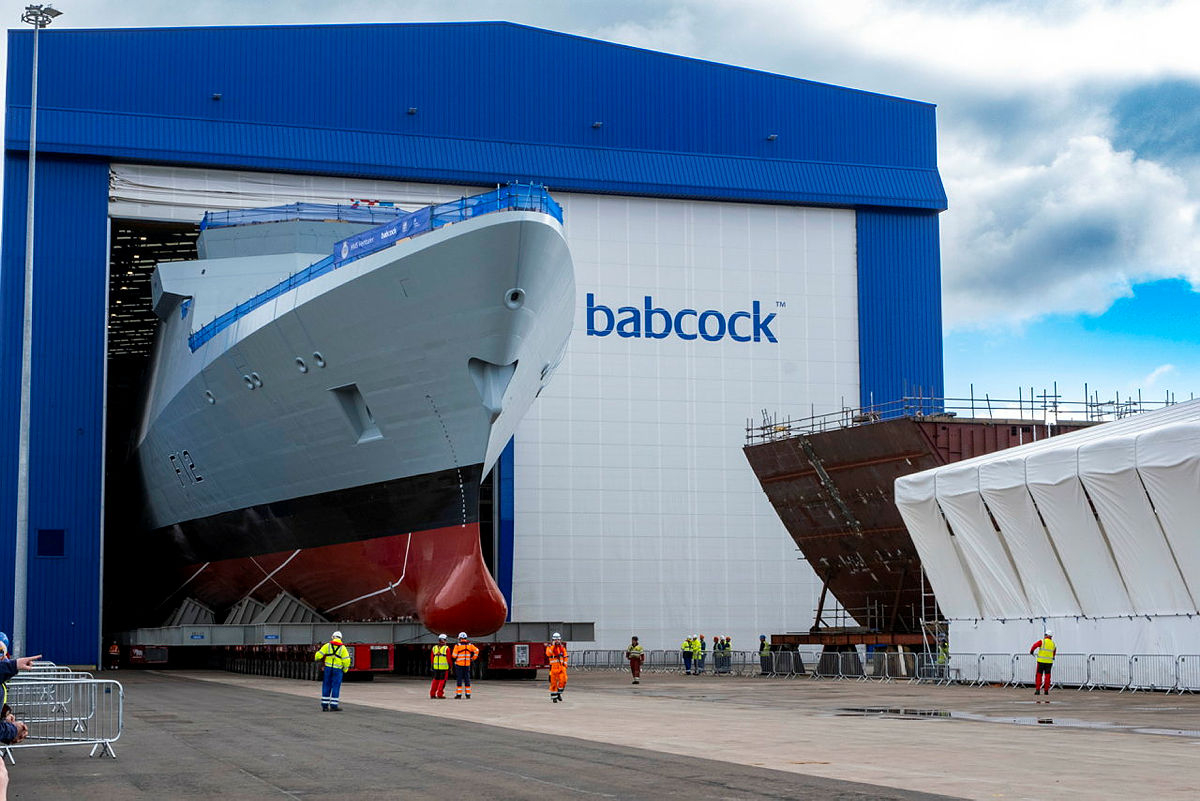
Maritime cooperation is another priority, with the two countries set to share expertise from their Type 31 and Miecznik frigate projects, which are based on a common design. Increased maritime security activities, exercises and regional coordination in the Baltic Sea will help protect vital maritime lines of communication.
Streeting added that the partnership would combine operational cooperation with economic benefits, adding that both countries were committed to “standing together for European security whilst boosting our economies with stronger defence industries.”
Turning industrial cooperation into operational readiness across Europe
The agreement will also build on joint participation in exercises including Steadfast Defender, Polish Dragon and Joint Warrior, with training focused on counter-drone warfare, electronic warfare (EW) and missile defence operations.
The two nations are also preparing for a major Coalition of the Willing exercise in Poland in November, which will involve thousands of personnel to help prepare the Multinational Force Ukraine for potential military training and post-war reconstruction tasks.
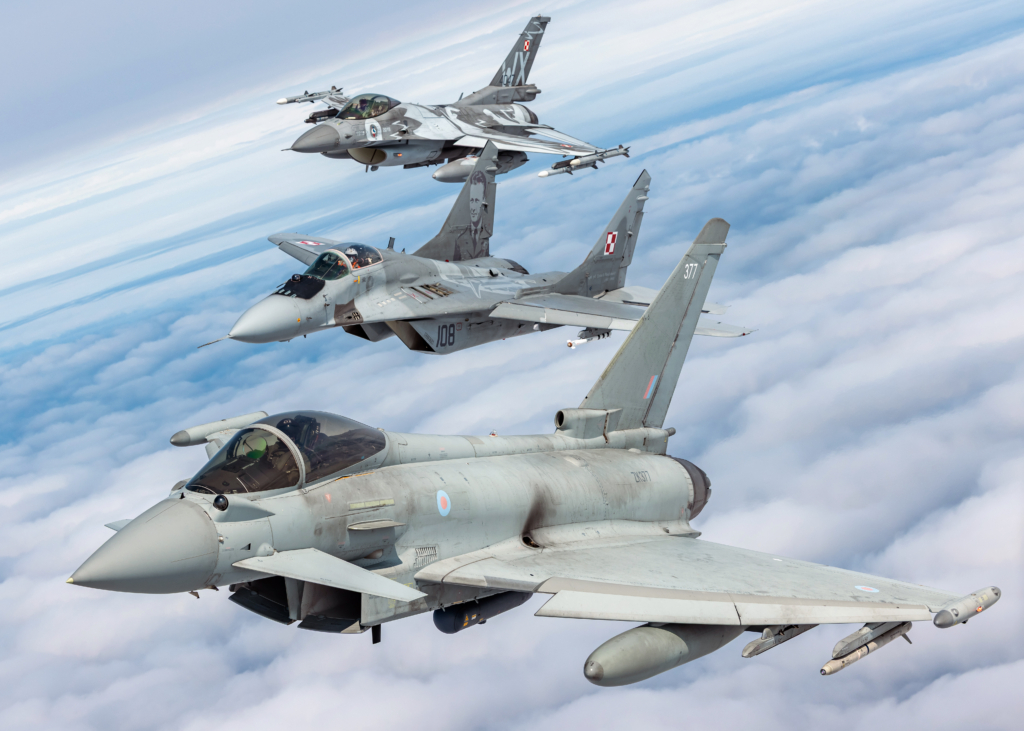
By linking capability development, industrial expansion and operational training, the Warsaw Defence Plan aims to translate the UK-Poland strategic partnership into a more resilient defence production and a stronger deterrent across Europe.
“From collaborating on NATO exercises that deter our adversaries to working together to support Ukraine in its fight for freedom, we are committed to standing together for European security whilst boosting our economies with stronger defence industries,” Streeting concluded.
Sign up for our newsletter and get our latest content in your inbox.
Similar Reads



Sign up for our newsletter. Select all sectors relevant to you.
Related