UK space launch sector builds foundation for collaborative future
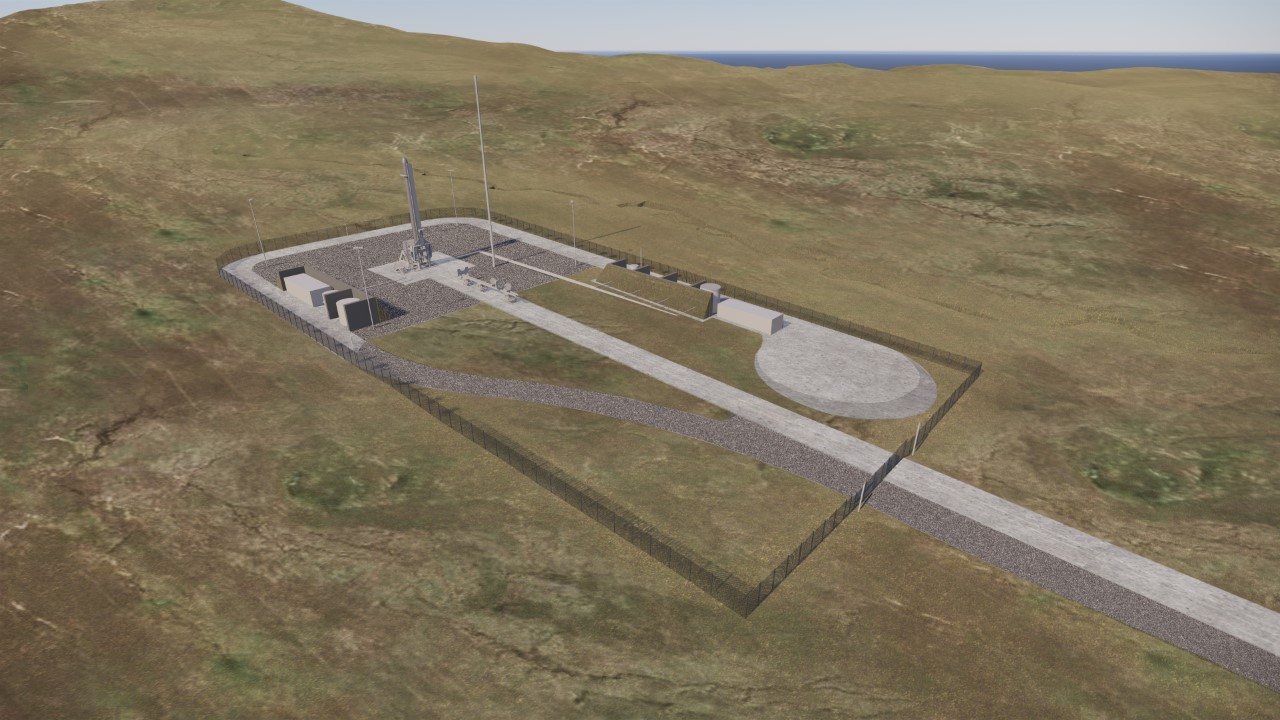
Image courtesy Norr / Highlands & Islands Enterprise
A series of UK-wide workshops aimed at developing a common industry position across key issues related to a sovereign launch capability have just been delivered by the Scottish Space Leadership Council (SSLC).
They were designed to foster collaboration and a common UK space sector voice for issues of concern during the UK government’s consultation on its Space Industry Regulations, which runs until 21 October and will create secondary legislation under the Space Industry Act 2018.

A report summarising the output of four workshop modules - range and trajectory management and governance, spaceport operations, and launch safety and indemnity - will be published by SSLC in early September.
More than 60 representatives from across the UK space sector, including both industry and academia, attended each of the virtual sessions.
Government agencies - including the UK Space Agency, Civil Aviation Authority, Centre for the Protection of National Infrastructure, the Ministry of Defence, the Scottish Environmental Protection Agency, Marine Coastguard Agency and Marine Scotland - were also present as observers.
The UK space industry is keen to work closely with government legislators to create regulations that will enable a technologically innovative spaceflight economy for the UK.
“The industry’s perception is that regulations must promote safety and environmental considerations while still allowing the commercial viability required for the sector to truly thrive,” said John Innes, Chair of the Scottish Space Leadership Council.
“The space industry is therefore keen to seek ways to inform the legislative process and position the UK as a leader in European spaceflight.”
According to Innes, the high level of interest and support for the workshops from across the UK space sector underscores the fundamental importance of launch to the industry.
“It demonstrates a strong desire to work collaboratively across the whole UK Space sector as well as with regulators to ensure the appropriate balance of safety and practicality,” he added.
SSLC is a voluntary, cross-sectoral representative organisation with membership is open to all across the UK space industry sector and representation from across government and its agencies welcomed.
Set up in 2017, it provides a platform for industry, academia and government to work collaboratively, promote the sector and take a united approach to shared challenges, such as satellite operations and data analysis, launch vehicle development and integration, the testing of engines and other sub-systems and expansion of new, innovative space sector offerings.
Of these challenges, a key enabler for the sector is the development of practical launch legislation to govern all facets of safe spaceflight from UK soil. This area is felt to require immediate attention given global competition, the legislative process and its overall importance to realising the UK’s space sector potential.
Sub-orbital rocket launches have been taking place in Scotland and across the UK since the 1930s. The 21st century now offers the potential for UK industry to expand its range of launch offerings and services to deliver a full spectrum of launch, including vertical and horizontal orbital launches.
The UK Space Agency’s target to capture 10% of the global space market by 2030 has led to significant investment in a number of developing spaceports. The majority of these launch locations are located in Scotland due to geographical benefits related to flight trajectories, particularly for vertical rocket launches.
A number of the developing UK spaceport locations were in attendance to support the initiative, with Miles Carden, Programme Director at Spaceport Cornwall, explaining, “This workshop series was a fantastic initiative enabling cross-sector input that will ultimately strengthen the UK Space Industry. Collaboration will be the backbone of our next chapter and will help create the regulations for safe and responsible launch.”
Mick O’Connor of Prestwick Spaceport stated, “The sector’s success will be determined by how well we collaborate, these workshops are a great start”, with Mark Roberts of Spaceport One referring to the collegiate approach as “fantastic”, adding “Government, the agencies, industry and academia enthusiastically rallying around the common purpose of making launch a success; great news for the UK”. Scott Hammond from the Shetland Space Centre stated, “We were delighted to play a part in the recent Range workshop run by SSLC, it was important to bring all parts of the UK Space industry together to start to craft a range solution that will suit all”, with Roy Kirk from Space Hub Sutherland adding, “The workshops were a great success. SSLC provided a valuable opportunity for key players in Scotland’s space sector to share knowledge and experience while learning from specialists in a range of subjects.”
SSLC is now exploring ways in which the cross-sector collaboration can be continued and some of the common sectoral messages produced by the Workshops, ongoing Work Streams and from messaging being received by the Council can be input to the Space Industry Regulation consultation now underway.