Could the Ford Ranger replace the Land Rover in the British Army?


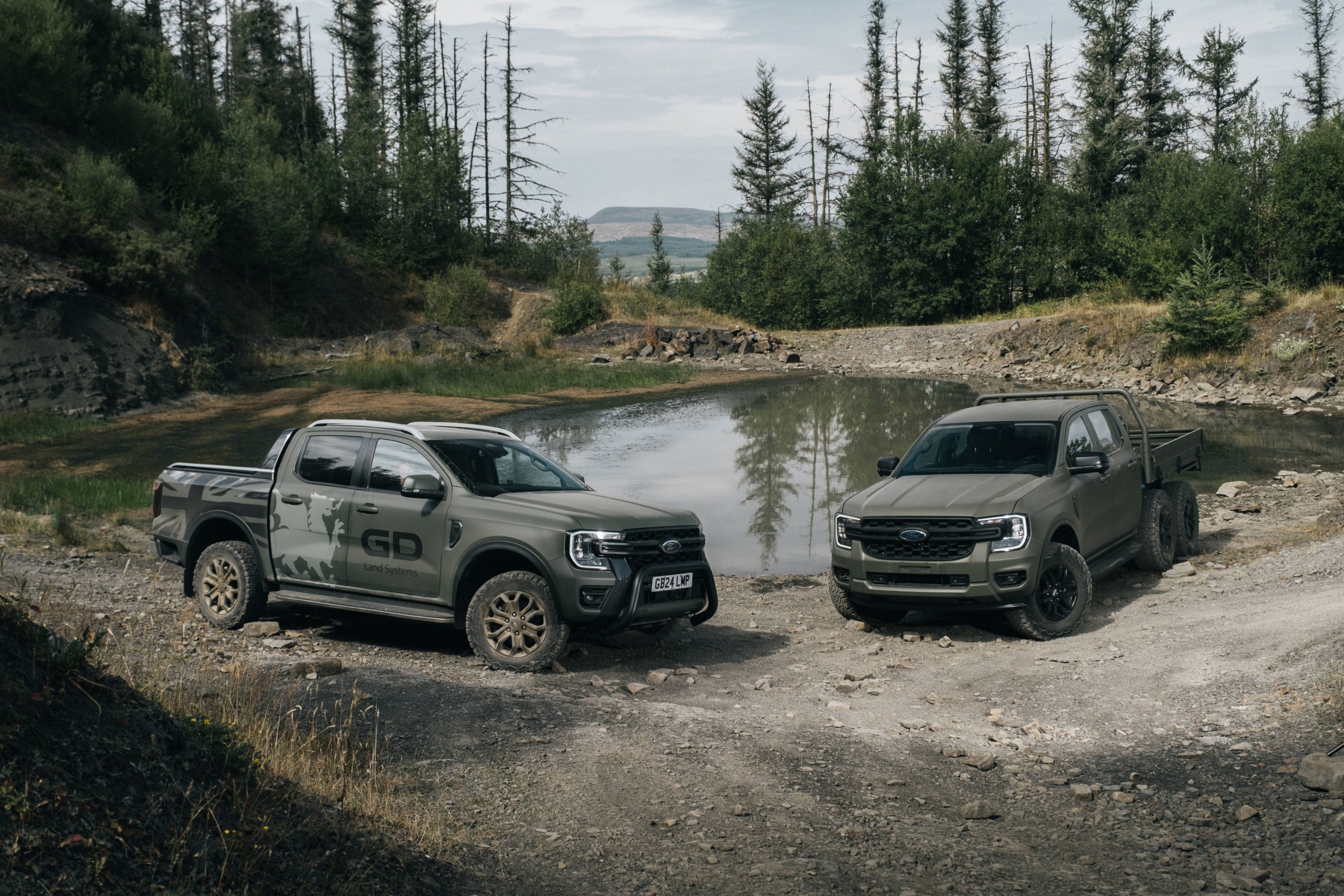
The Ford Ranger might replace one of the British Army’s most recognisable vehicles, as Ford considers bringing military vehicle work back to its historic Dagenham plant.
Ford has teamed with General Dynamics Land Systems–UK (GDLS–UK) and Ricardo to offer militarised versions of the Ranger and heavier Ranger Super Duty for the Ministry of Defence’s Light Mobility Vehicle (LMV) programme, which will replace ageing Land Rovers and other light vehicles, including Pinzgauers.
The MOD began retiring its Land Rovers in March 2026. Over 5,000 remained in service across the UK Armed Forces in 2025. Replacement vehicles should start reaching troops by 2030.
Ford could bring military work to Dagenham
According to The Times, Ford is considering using Dagenham to help build and modify Rangers if its consortium wins the competition.
Dagenham stopped producing complete cars in 2002 but remains a major Ford engine plant. It produces the 3.0-litre V6 diesel used in Ranger models, with engines shipped to Thailand for vehicle assembly.
Military Rangers could return to Dagenham for conversion and equipment installation.
Ford UK managing director Lisa Brankin described the Ranger to The Times as a “robust, modern, rugged, incredibly capable alternative” to the Land Rover.
The Ranger also offers the Army the advantages of a mass-produced global platform. Ford Europe president Jim Baumbick told Forces News that Ranger operates in more than 180 markets, potentially simplifying parts supply and through-life support.
More than a civilian pickup
The proposal goes far beyond painting a civilian Ranger green. GDLS–UK and Ricardo are developing militarised 4×4 and 6×6 versions, including vehicles based on the heavier Ranger Super Duty.
The Army wants adaptable vehicles for roles ranging from logistics and troop transport to ambulances, command posts and platforms carrying communications or other mission systems.
As Advance previously reported in its overview of LMV contenders, Ford’s proposal combines a mass-produced platform with UK-made engines and British defence engineering.
Land Rover is fighting to replace itself
Ford faces a significant rival: the modern descendant of the vehicle it wants to replace. JLR has established a Defender Defence division and developed the Defender Wolf Series II for military customers.
The Wolf Series II shown at DVD 2026 uses the current Defender’s aluminium monocoque architecture rather than the traditional ladder-frame construction of the old military Defender.
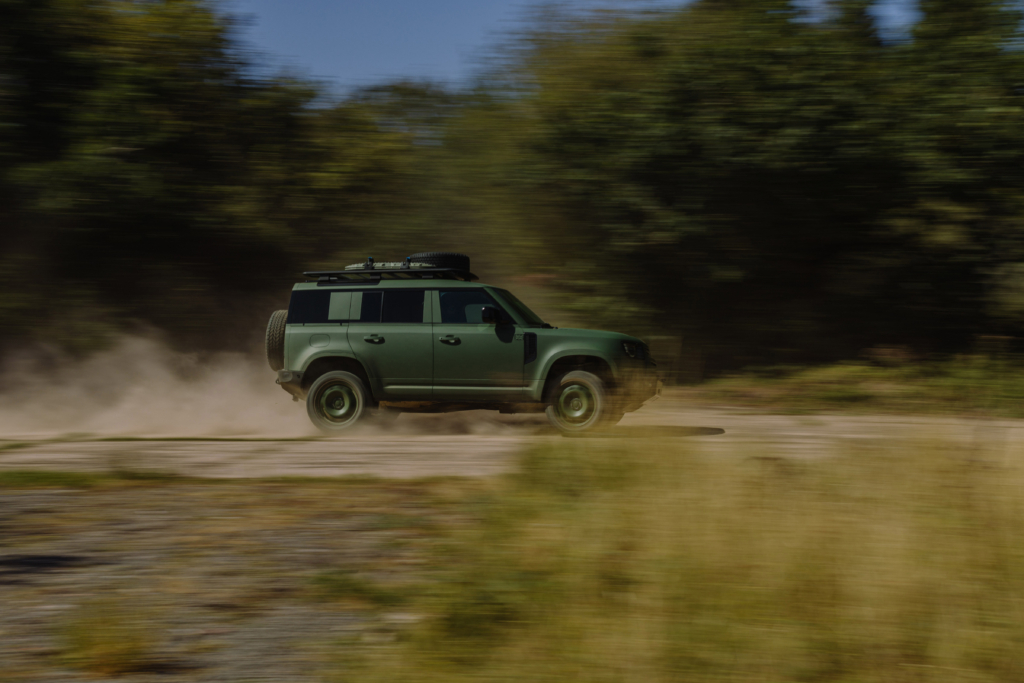
JLR showed tactical mobility, mono-tactical and utility versions and says up to 26 variants could be developed. The Defender 110-based Mono-Tactical Mobility Vehicle can carry four people and a 1,000kg payload, while the longer Defender 130-based Utility Vehicle offers up to 2,000kg.
JLR also has seven decades of history in service with the UK military, but heritage alone will not decide the competition.
A battle for British Army work
The LMV programme is becoming an industrial contest. Ford already builds Ranger engines at Dagenham and could add military conversion work there. GDLS–UK operates in South Wales, while Ricardo brings UK automotive and defence engineering expertise.
JLR is making a similar case for domestic work. Stephen Webb, director of its Defence Division, told Advance: “We take the base vehicle, bring it to the UK, and then 100% of the integration will be done in the UK.”
The MOD has said LMV should create opportunities for British companies through vehicle support and maintenance as part of its wider effort to use defence spending to support economic growth.
Ford and JLR are not alone. Several prospective LMV solutions have emerged, ranging from modified commercial vehicles to specialist military platforms.
Ford’s case rests on Ranger’s global scale and established supply chain. JLR offers another commercially derived platform, combined with decades of military Land Rover experience. The decision will determine whether that relationship continues—or whether Britain’s next ubiquitous military 4×4 wears a Ford badge.
Sign up for our newsletter and get our latest content in your inbox.
Similar Reads