What it will take to give a sixth-generation RAF the space capabilities it needs


The UK will need to significantly upgrade its military space capabilities if the Royal Air Force (RAF) is to achieve its ambition of becoming Europe’s first sixth-generation air force, according to Air Chief Marshal Sir Harv Smyth.
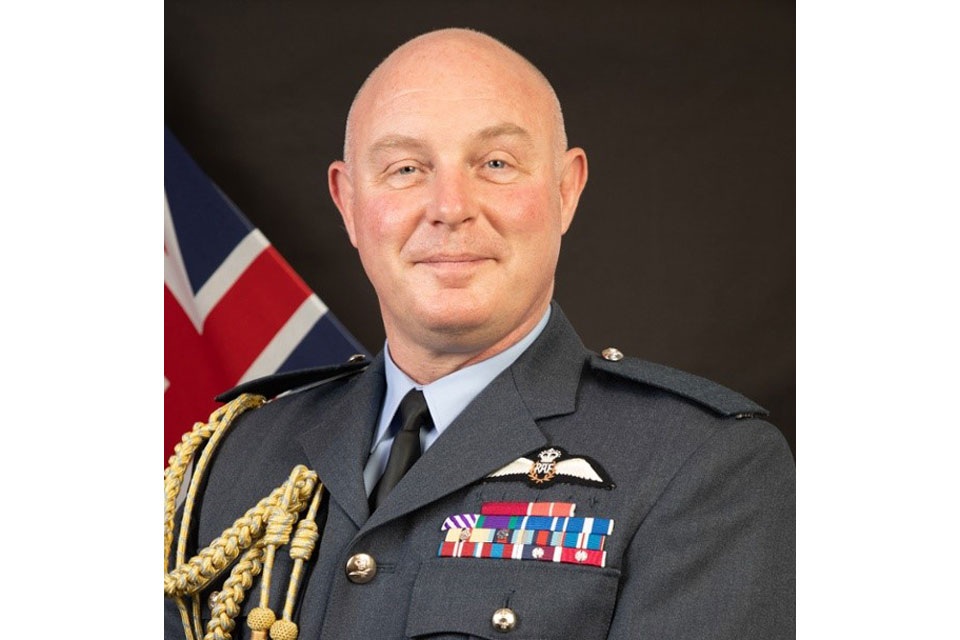
The Chief of the Air Staff used his opening address at the UK Space Power Conference in London on 23 September to set out what that upgrade will involve, from new military communications and surveillance satellites to better sensors, faster targeting, artificial intelligence and capabilities to defend UK assets in orbit.
“I don’t think I can get to a sixth-generation air force if I still have a fourth-generation space force,” Smyth said.
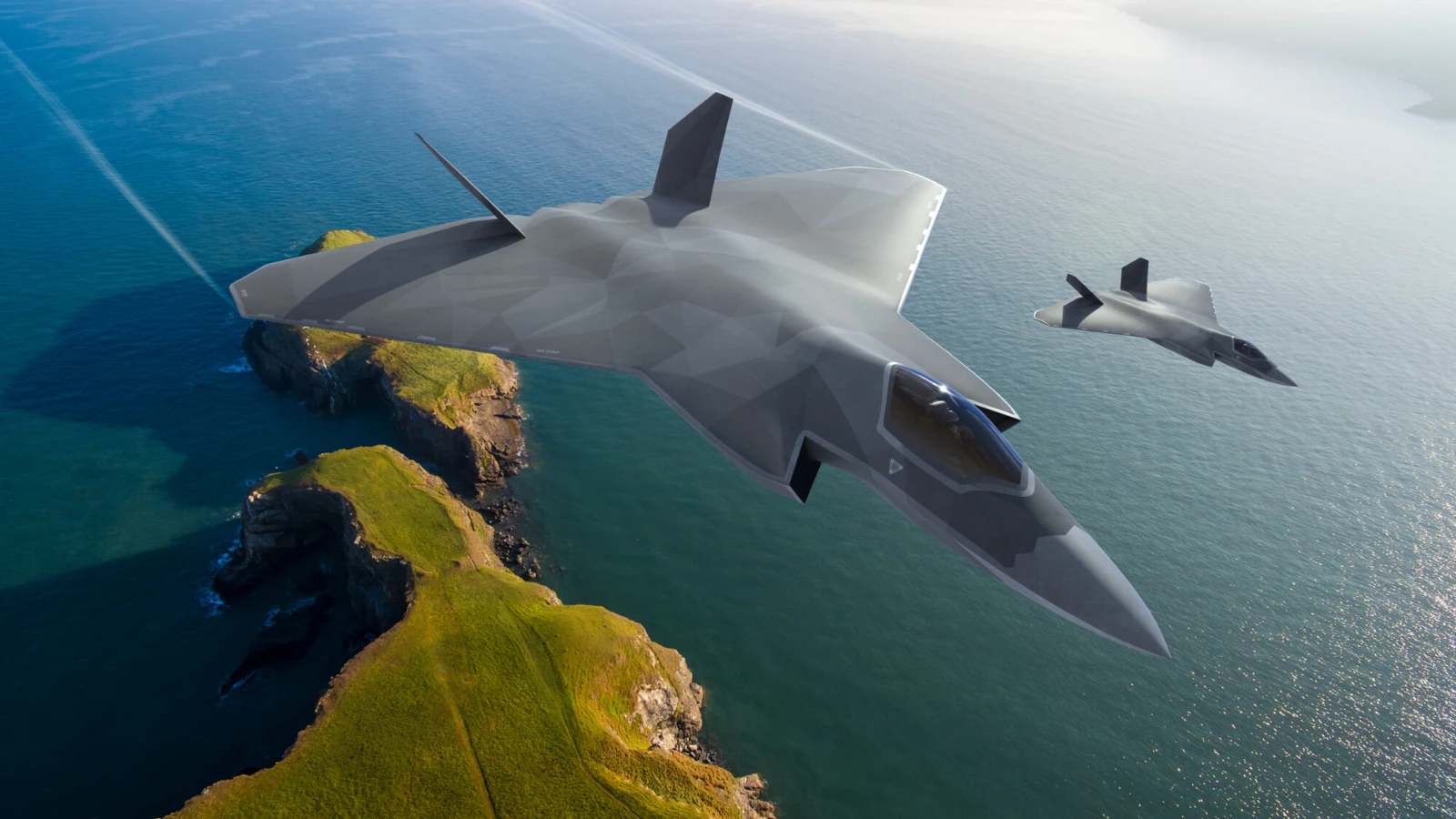
The RAF is already working towards what Smyth described as Europe’s first sixth-generation air force, built around the Global Combat Air Programme, the new Collaborative Combat Air programme and Storm Fighter, operating alongside F-35s, Typhoons and autonomous systems.
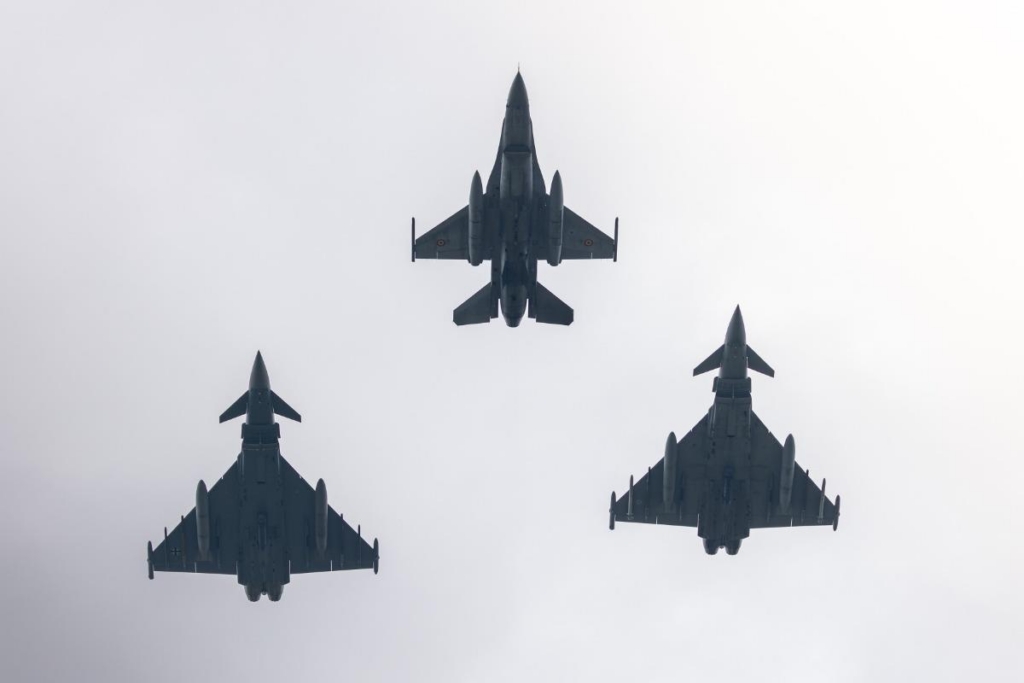
But Smyth made clear that new aircraft alone will not deliver that capability.
“Every element of a sixth-generation air force depends intimately on space, the networks, the targeting, the navigation, the command and control,” he said. “Space is no longer just simply supporting air power from the sidelines. It is completely embedded within it. It is essential. It’s actually part of the DNA.”
Billions going into military space
Britain has now begun putting significant money behind that ambition.
Smyth said £9 billion in new space capability has been earmarked for the period from 2030 to 2035 under the Defence Investment Plan.
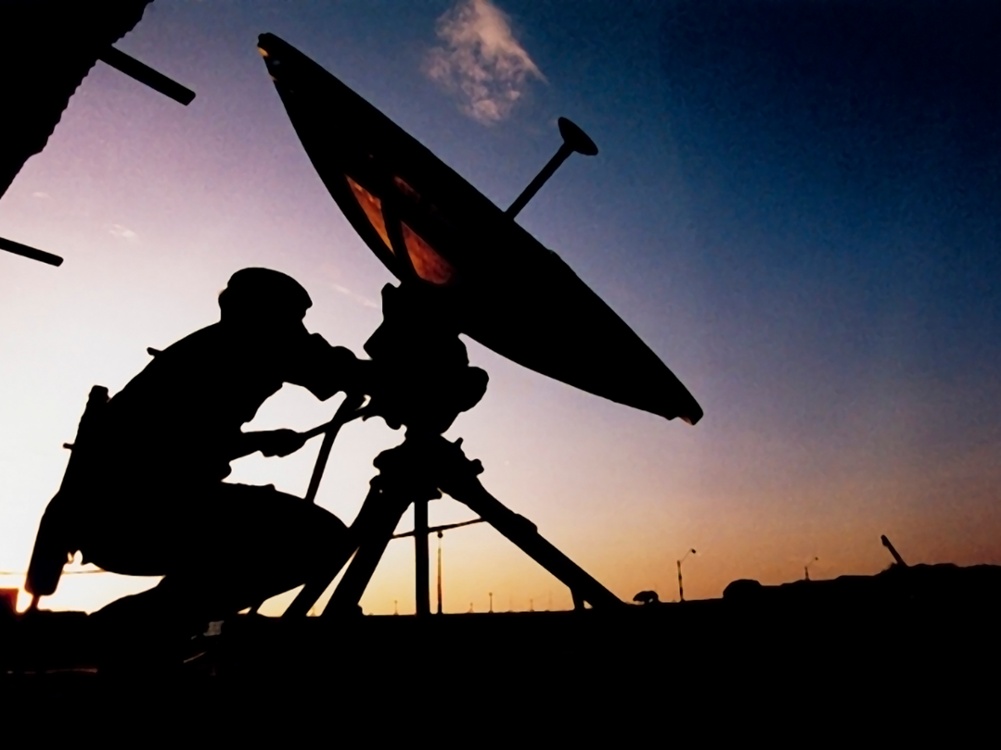
Between now and 2030, the plan includes £2.3 billion for satellite communications, £880 million for space-based intelligence, surveillance and reconnaissance and space control, and another £440 million for novel space technology.
The spending follows the Strategic Defence Review, which identified space control, decision advantage, reconnaissance, navigation and timing as priorities for defence.
“The SDR set out what we in defence would call the ends,” Smyth said. “This year’s Defence Investment Plan set out our means.”
He said the urgency was growing as Britain’s dependence on space increased and potential adversaries developed ways of disrupting those services.
“We must now get on with delivery of space capability and operational effect at pace.”
Skynet remains at the heart of the network
One of the foundations of the upgrade will be military satellite communications.
Skynet remains the backbone of the UK’s sovereign global communications capability, providing command and control links across the armed forces.

The Defence Investment Plan has provided another £50 million to extend the life of the existing Skynet 5 satellites. They will begin to be joined next year by the Skynet 6 series, starting with Skynet 6A.
But Britain does not intend to rely entirely on its own satellites.
As military demand for communications grows and threats to satellites increase, Smyth said Skynet will be supplemented by allied and commercial satellite communications.
“These will provide additional capacity, coverage, and resilience, with resilience being the keyword,” he said.
The combination is intended to allow British forces to communicate and make decisions rapidly wherever they are operating. Smyth described that ability as a “keystone” in the effort to achieve decision superiority in modern warfare.
New satellites to feed the targeting network
UK is also expanding the amount of intelligence it can collect from space.
Under the ISTARI programme, the UK is developing a constellation of satellites providing multi-sensor and multispectral surveillance of activity on Earth.
Tyche is already in orbit. Smyth said three more satellites will follow over the next two years: Titania, Juno and Oberon.
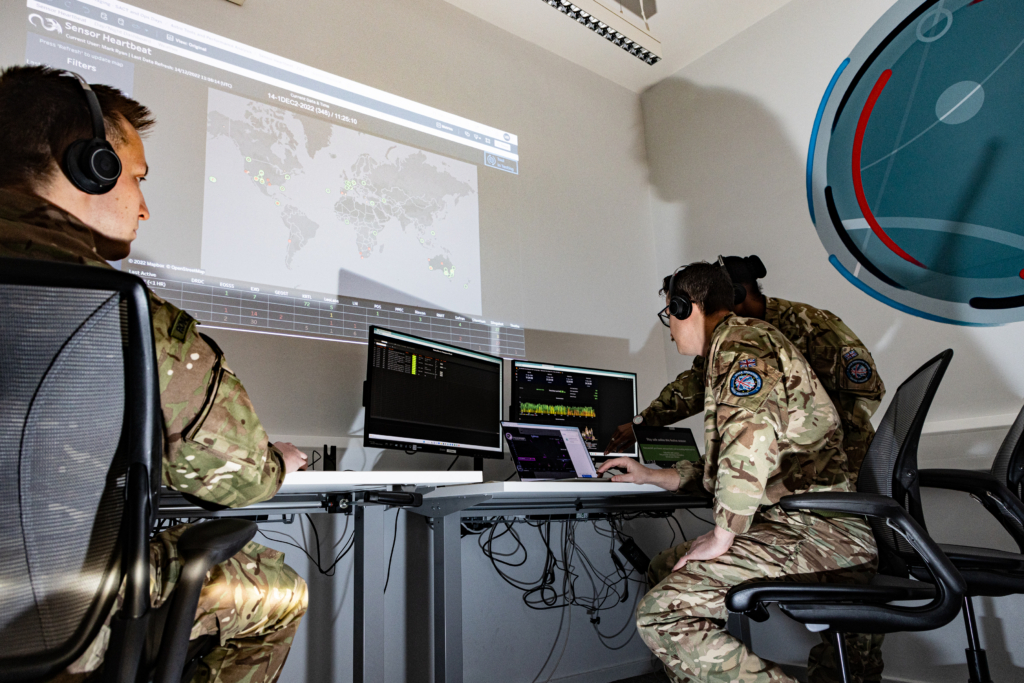
The information they collect will feed into Britain’s developing digital targeting web, which has received £1.8 billion under the Defence Investment Plan.
The aim is to connect sensors, commanders and weapons across the armed forces so information can move more quickly from detecting a target to deciding what action to take.
Smyth said the network would connect “sensors, deciders, and effectors”, supported by AI and software, helping the armed forces operate as a single integrated force.
For the RAF, this is central to Smyth’s argument about sixth-generation capability. He said future combat aircraft and autonomous systems will depend on space for their networks, targeting, navigation and command and control.
The growing use of uncrewed systems will make that dependence even greater.
“If we’re going to do this, an uncrewed force is broadly a space-dependent force,” he said.
Britain needs to see what is happening in orbit
A more space-dependent force will also have to know what is happening around its satellites.
RAF Fylingdales remains the UK’s primary military space sensor. It will be complemented by the Deep Space Advanced Radar Capability, or DARC, being developed with Australia and the United States.

The three-country network will allow objects in deep space to be detected, identified and tracked.
Britain is also expanding its optical surveillance capability.
The NOCTIS system provides a sovereign UK sensor for the National Space Operations Centre and is being used to observe satellites supporting military operations. Further sensors with greater precision are planned.
Smyth said the infrastructure supporting these systems is being designed to be modular, changeable and transportable so sensors can be moved as operational requirements change.
The UK is also looking at a new generation of technology, including neuromorphic sensors.
These will be used to search for unexpected activity around UK satellites while reducing the power, data bandwidth and latency required to monitor large areas of space.
The objective, Smyth said, is to increase both Britain’s global sensor footprint and its ability to observe events in orbit.
Commercial data will form part of that network as well.
Smyth said commercial information will remain part of a “hybrid, flexible and resilient” space domain awareness system. The Joint Commercial Operations initiative already involves more than 20 countries sharing unclassified information about activity in space.
Turning information into decisions
Seeing what is happening in space is only useful if commanders can act on the information.
“This SDA will be of limited value unless we can convert it into effective decision-making,” Smyth said.

Britain is addressing that through BOREALIS, its new command, control and data-processing system.
Developed by CGI under a five-year, £65 million contract, BOREALIS reached initial operating capability six months ahead of schedule.
The system is being used by No. 1 Space Operations Squadron at the National Space Operations Centre to provide information to government and military commanders.
Smyth said it gives commanders operational understanding of the space domain and helps make that information available across the integrated force.
“Through all of these capabilities, space is now the connective tissue of that integrated force,” he said.
Protecting UK’s assets in space
The next part of the upgrade is protecting the systems on which the armed forces increasingly depend.
The new UK Space Strategy sets out a Control of Space requirement intended to safeguard UK and allied space interests and maintain freedom to operate.
Smyth said UK defence is developing capabilities for orbital warfare, which he described as actions and effects conducted in space to achieve military objectives, as well as electronic warfare and capabilities to counter anti-satellite weapons.
“These capabilities will help us to deter threats, defend our critical space infrastructure and reduce an adversary’s freedom to operate against the UK and against our allies,” he said.
It is within this wider effort that the newly announced No. 3 Space Effects Squadron fits.
The squadron will support the UK’s Control of Space mission and conduct offensive and defensive space operations. Smyth said it will “disrupt, degrade and deny hostile activity” in order to defend British space interests and provide an operational advantage to the integrated force.
But No. 3 Squadron is only one part of the expansion.
UK already has No. 1 Space Operations Squadron working within the National Space Operations Centre and No. 2 Space Warning Squadron supporting operations at RAF Fylingdales.
Smyth said Nos. 4, 5 and 6 Squadrons are also planned. These will include a Space Tactics and Training Squadron and squadrons supporting the DARC capability.
A Space Defence function is also planned within the newly established Integrated Air, Space and Missile Defence Operations Centre.
From individual programmes to a space force
The challenge for Britain is now to bring those investments together.
The RAF’s headquarters at RAF High Wycombe recently became Air and Space Command, a change Smyth said reflected the recognition that space was no longer simply supporting military operations.
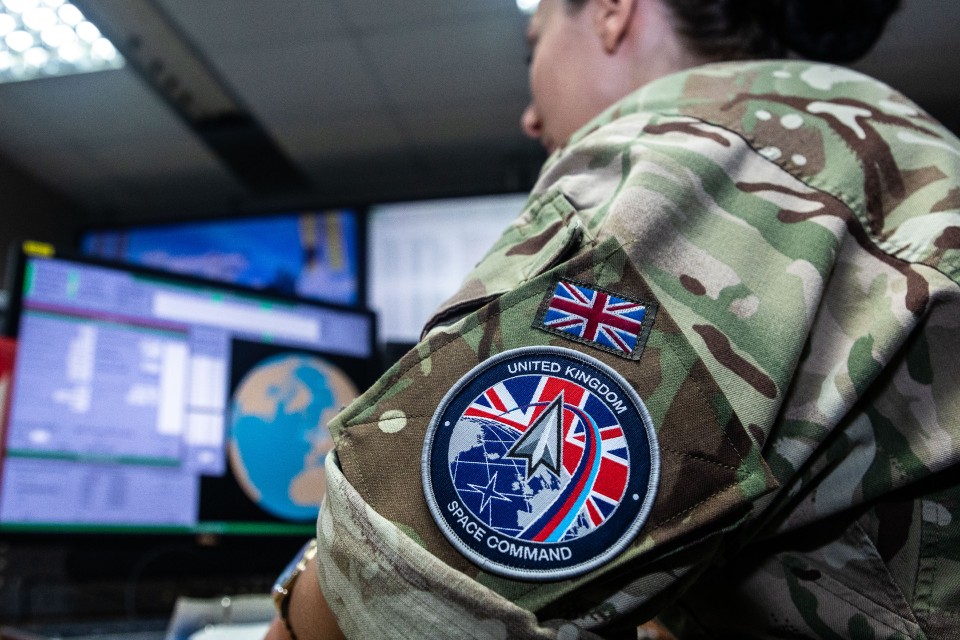
“Space is now seen as a warfighting domain in its own right and with equal importance to the other domains,” he said. “It is a contested, congested and competitive environment where our operational edge and strategic advantage can be won but can also be very quickly and easily lost.”
Smyth said space could no longer be delayed, deferred, or delegated – “It must now be delivered.”
Smyth said sovereign UK capabilities will operate alongside those of NATO and other allies, including through the Combined Space Operations Initiative and Multinational Force Operation Olympic Defender.
But the immediate task is turning the money and programmes already approved into operational capability.
“The Strategic Defence Review gave us the ends,” Smyth said. “The Defence Investment Plan gave us the means. It is time to get moving. It’s time to act. And it’s time to deliver more meaningfully with our space capabilities.”
The objective, he said, is to turn those budgets into “real, tangible capability” that allows Britain to monitor space, make effective decisions, deter adversaries and, if necessary, prevail in an increasingly contested domain.
Sign up for our newsletter and get our latest content in your inbox.
Similar Reads