

Seven teams advance in £2bn race to replace British Army Land Rovers


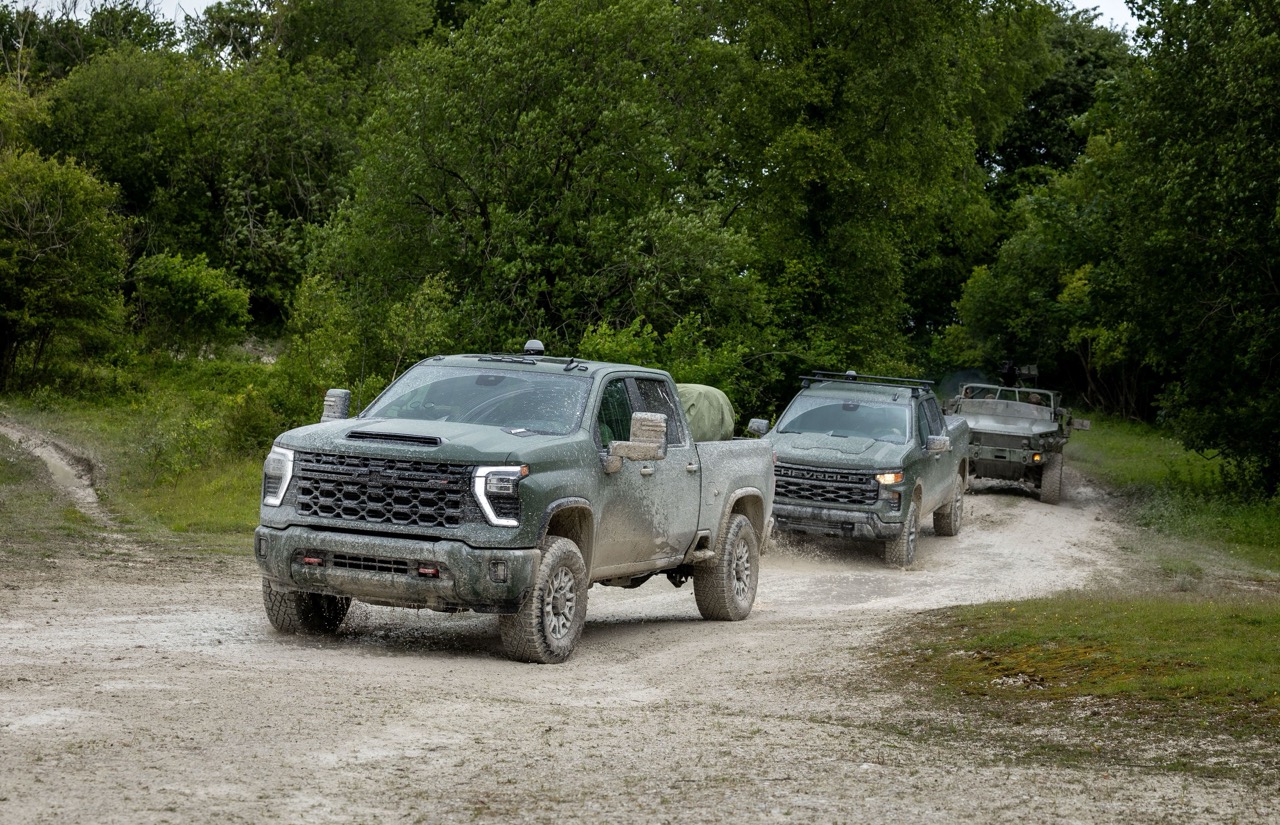
Seven industry teams have advanced to the next stage of the UK Ministry of Defence‘s Light Mobility Vehicle (LMV) competition, according to industry reports. This moves them closer to a potential £2 billion contract to replace ageing Land Rover and Pinzgauer fleets.
Team LionStrike, which brings together NP Aerospace, GM Defence and BAE Systems, confirmed on 1 October that it had been selected to continue in the competition.
The team says its proposal combines proven vehicle technology with UK engineering, manufacturing and through-life support.
The MoD has not yet published a separate announcement identifying all seven shortlisted teams. However, defence publications Warsight and Shephard reported that bidders were informed of the downselect on 1 October. Warsight reports that seven LMV bidders have been selected to progress.
Which teams are competing for the British Army LMV contract?
The seven remaining bidders include Team LionStrike; Team Grenadier; Babcock and Supacat; Ford and General Dynamics Land Systems UK; Rheinmetall and Mercedes-Benz; Jaguar Land Rover; and Iturri.
| Bidder/team | Proposed LMV basis |
|---|---|
| Team LionStrike — NP Aerospace, GM Defence, BAE Systems | GM Defense/Chevrolet-derived vehicles and Infantry Squad Vehicle |
| Team Grenadier — INEOS Automotive, SMT Defence, NMS UK, with Hobson Industries and TVS Supply Chain Solutions | INEOS Grenadier/Multi-Role Light Vehicle |
| Babcock + Supacat | General Logistics Vehicle family based on Toyota Land Cruiser 70 Series |
| Ford + General Dynamics Land Systems UK + Ricardo | Ford Ranger/Ranger Super Duty architecture |
| Team Wolf — Rheinmetall UK, Mercedes-Benz UK and RBSL | Mercedes-Benz BR464/G-Class family |
| Jaguar Land Rover | Defender Wolf Series II |
| Iturri | Vehicle not officially confirmed; reports suggest a possible Landtrek VMTT-derived offering |
Team LionStrike offers GM Defence Industry Squad Vehicles
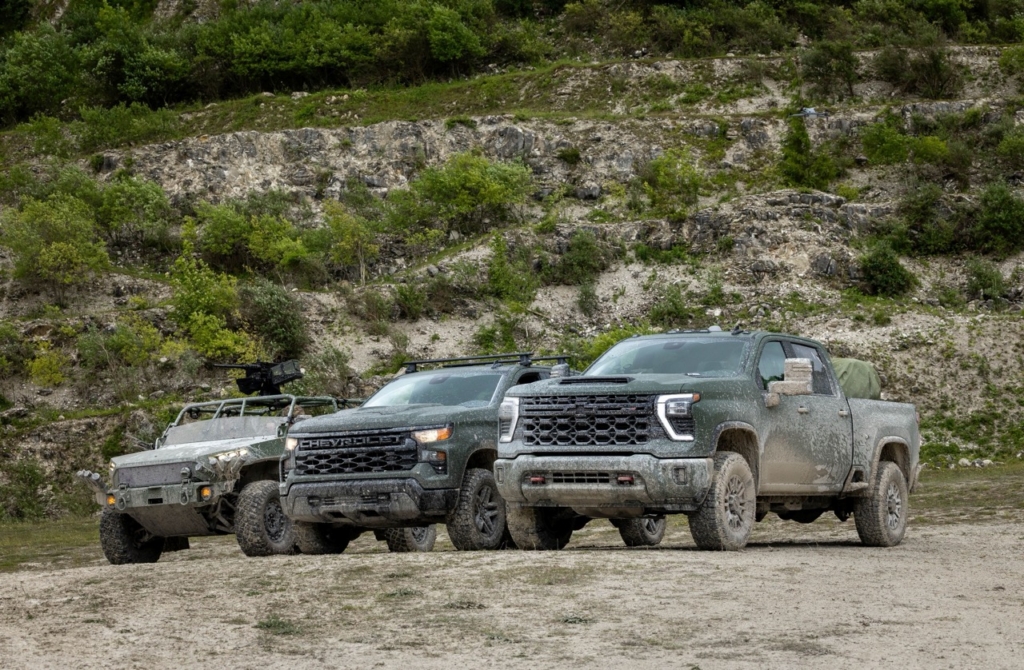
Team LionStrike’s proposal draws on GM vehicle technology. Its line-up, pictured in the company’s announcement of its selection, consists of the GM Defence Infantry Squad Vehicle (ISV), Silverado LD and Silverado HD.
The consortium says its approach uses operationally proven platforms configured for UK requirements while limiting unnecessary modification and integration.
NP Aerospace would provide UK-based vehicle integration and sustainment capabilities, alongside GM Defense’s manufacturing and support network and BAE Systems’ defence expertise.
David Petheram, managing director and senior vice president of NP Aerospace, said: “We are pleased to have been selected to progress to the next stage of the competition.”
He added: “Our focus is on providing the British Armed Forces with a capable, adaptable and supportable solution that can be delivered at pace while creating lasting value for UK industry.”
Ford Ranger, Grenadier and G-Class remain in LMV race
Another shortlisted contender is Team Grenadier, initially formed by INEOS Automotive, SMT Defence and NMS UK. The group later added Hobson Industries and TVS Supply Chain Solutions to strengthen its UK support capability. INEOS says Team Grenadier is offering the Grenadier 4X4 platform for the LMV programme.
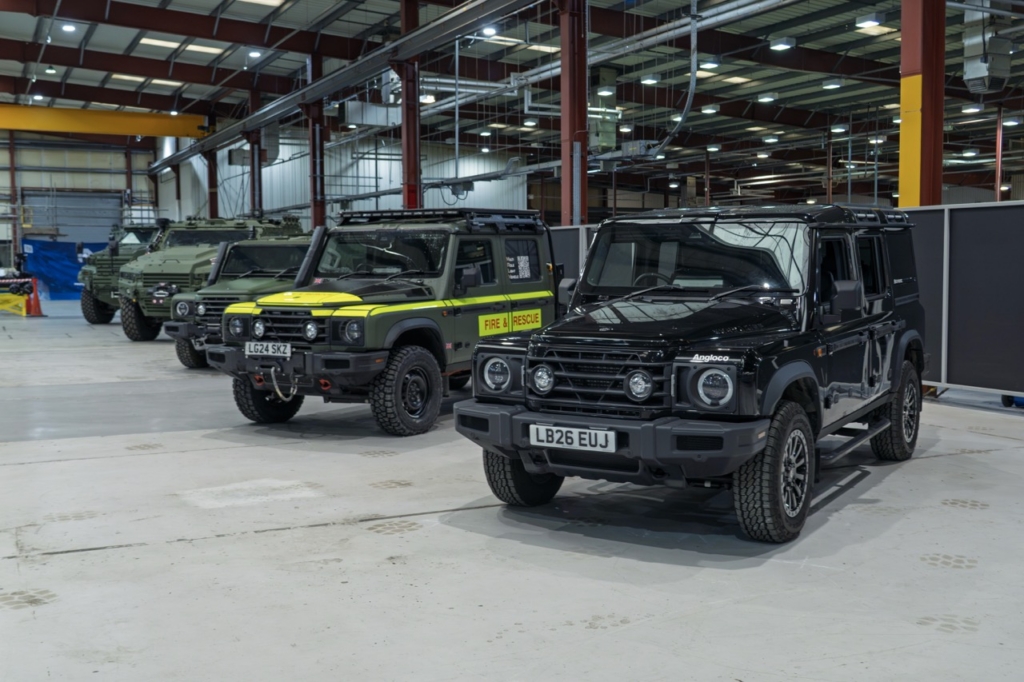
The team has developed several military versions of the Grenadier, including General Purpose, Multi-Role Light Vehicle and Enhanced Protection configurations. INEOS says the Multi-Role Light Vehicle is one of nine modular LMV applications that can be developed from the underlying Grenadier platform. INEOS announced the original Team Grenadier partnership in June.
Which LMV bidders are heading to vehicle trials?
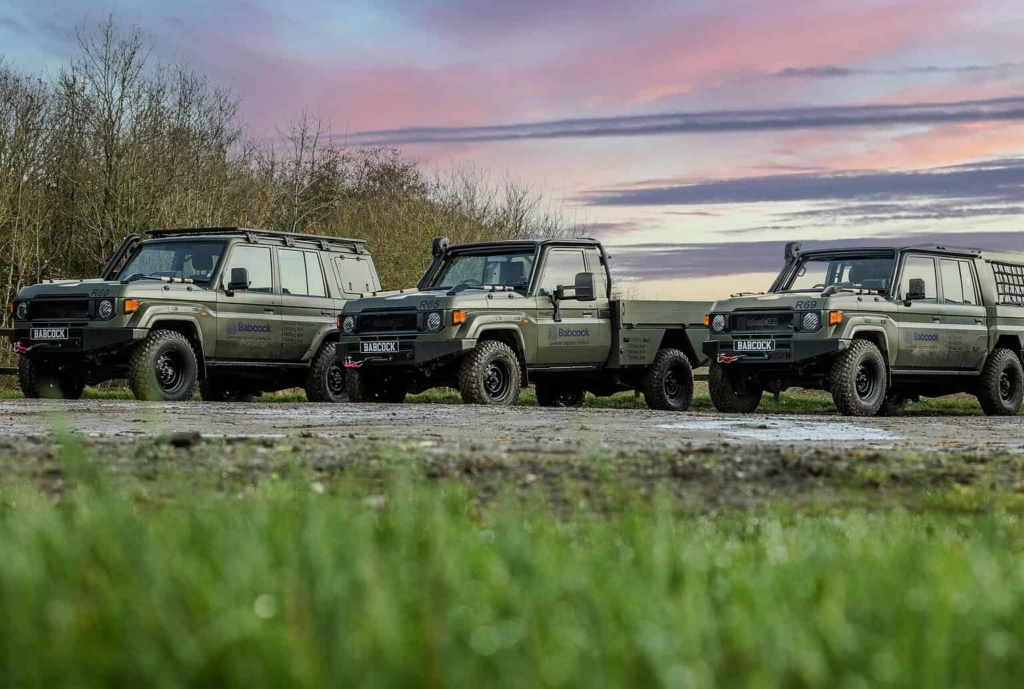
Babcock and Supacat are competing with Babcock’s General Logistics Vehicle concept. Babcock describes the LMV programme as intended to replace the British Army’s retiring Land Rover fleet and says Supacat is helping enhance its GLV offering.
Other reported contenders include a Ford-led proposal based around the Ranger family, a Rheinmetall and Mercedes-Benz proposal drawing on the G-Class, and Jaguar Land Rover.
Spanish company Iturri is also reported to have survived the downselect.
What is the UK Light Mobility Vehicle (LMV) programme?
LMV is one part of the MoD’s much larger Land Mobility Programme, intended to transform the UK’s military vehicle fleet.
The government’s original procurement documents describe LMV as a wheeled utility platform that would modernise capabilities currently performed by Land Rover and Pinzgauer, using a common base platform for different warfighting roles across the Joint Force.
The procurement’s scale has grown substantially during its development. The MoD’s December 2025 preliminary market engagement notice estimated LMV at £750 million excluding VAT. The subsequent procurement competition puts the potential contract value at around £2 billion excluding VAT.
LMV is part of a 20-year, approximately £4 billion Land Mobility Programme. In a July 2026 parliamentary answer, Defence Minister Lord Coaker said the wider programme aims to deliver more than 13,000 digitally enabled, adaptable utility and protected mobility vehicles to the Joint Force.
The programme consists of three strands: Heavy Protected Mobility, Light Protected Mobility and Light Mobility Vehicle.
The government said in July that LMV remained in its assessment phase with deliveries planned by 2030, although the final number of vehicles had yet to be determined.
What happens next in the LMV competition?
The seven-team downselect brings the competition from an initial paper assessment closer to a real-world evaluation of the contenders.
Industry reporting indicates the MoD has reduced the field to seven providers moving to the next stage. It’s thought the successful teams will now be required to provide representative vehicles for comparative trials.
The British Army will have an opportunity to evaluate different platforms, ranging from commercially derived Ford Ranger, Grenadier and G-Class platforms to GM Defense’s ISV.
The programme will establish a common vehicle architecture that can be adapted for multiple roles across the Armed Forces, while replacing some of the British military’s longest-serving light utility vehicles.
Sign up for our newsletter and get our latest content in your inbox.
Similar Reads



Sign up for our newsletter. Select all sectors relevant to you.
Related