

UK airports prepare for passport-free border checks using facial recognition


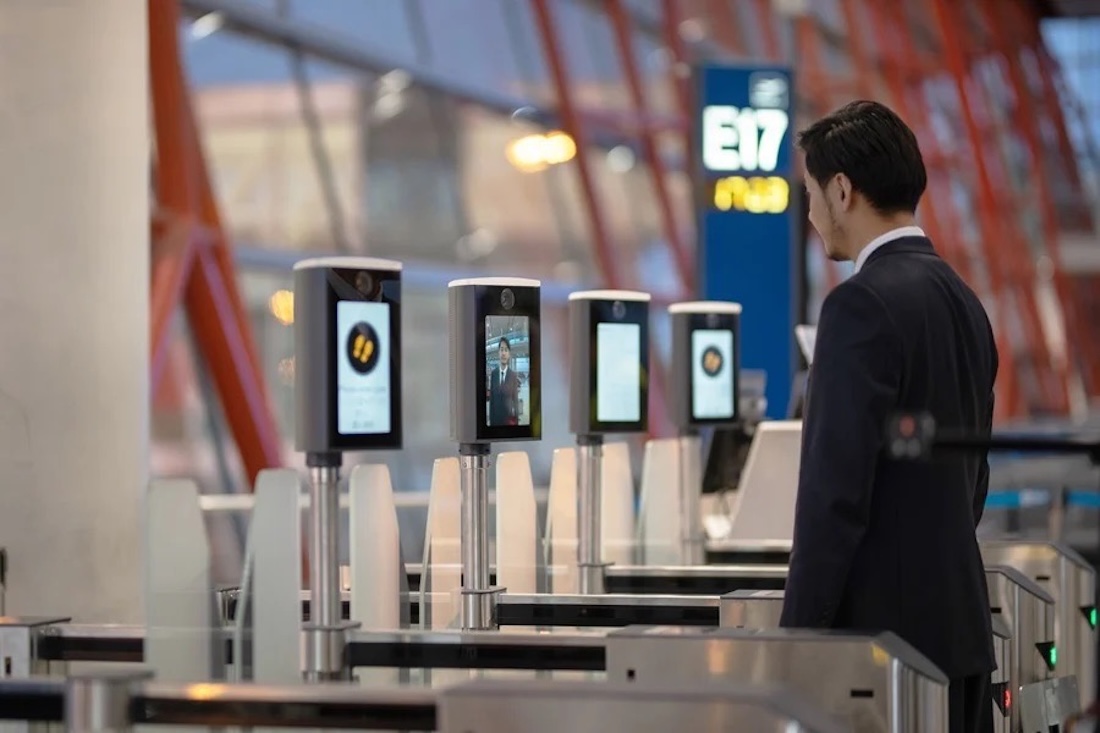
UK airports are preparing to introduce new facial recognition technology that could allow arriving passengers to pass through border control without taking their passports out of their pockets.
The system represents the next stage of the Home Office’s move towards a “contactless” UK border. Instead of passengers placing a biometric passport on an eGate reader, cameras would identify travellers by their faces and match them against passport information supplied before arrival.
Birmingham and East Midlands airports are expected to be among the first to test the technology, according to The Independent, citing an interview with Border Force Director General Phil Douglas in The Sunday Times.
Douglas said the technology could make border processing up to 25% faster.
How will passport-free UK border checks work?
Facial recognition is already used at UK airport eGates. Passengers scan their biometric passport before a camera compares their face with the photograph stored electronically in the document. The new system removes the passport-scanning step.
Under the proposed process, Border Force would receive passenger information before a flight arrives and use passport photographs to create a gallery of expected travellers. Cameras at the border could then identify passengers as they approach.
Those successfully matched could pass through without presenting their passport. Passengers who cannot be identified would revert to the existing process of scanning their document and, where necessary, speaking to a Border Force officer.
Travellers would still need to carry a valid passport because airlines and destination countries would continue to require travel documents.
The Home Office confirmed in July that it was developing technology that would allow passengers to cross the UK border “without needing to present a passport.”
The government previously outlined the plan in its 2025 immigration white paper, saying contactless eGates could improve identity verification while reducing passenger processing times.
UK has laid groundwork for contactless borders
The government has already changed biometric regulations to support the programme.
An official government assessment of the Pathway to Contactless programme says it aims to allow eligible passengers to enter the UK without presenting their passport.
The system would better detect imposters while reducing transaction and queue times for legitimate travellers.
The document also states that facial images and other biometric information collected under the programme may be retained for up to 15 years. This would allow the Home Office to build a biometric profile that can be used to determine eligibility for contactless travel.
However, the government’s explanatory memorandum stressed that the regulations did not themselves introduce contactless travel. The technology would require testing and approval of a full business case before wider deployment.
Contactless UK border still faces challenges
A September 2026 independent inspection of the Home Office’s Future Border and Immigration System found that delivering a fully digital and contactless border remained a work in progress.
The report highlighted the need to upgrade infrastructure across UK ports and airports, requiring cooperation between the Home Office, airport operators and carriers.
Border Force will also have to change working practices as more routine identity checks become automated.
If the trials prove successful, the technology could mark one of the biggest changes to UK airport border processing since widespread eGate adoption.
Passengers would still travel with passports, but eligible travellers arriving in the UK could eventually just walk towards a camera to enter the country.
Sign up for our newsletter and get our latest content in your inbox.
Similar Reads


Sign up for our newsletter. Select all sectors relevant to you.
Related