UK joins key allies in drive to strengthen European defence industry before 2030


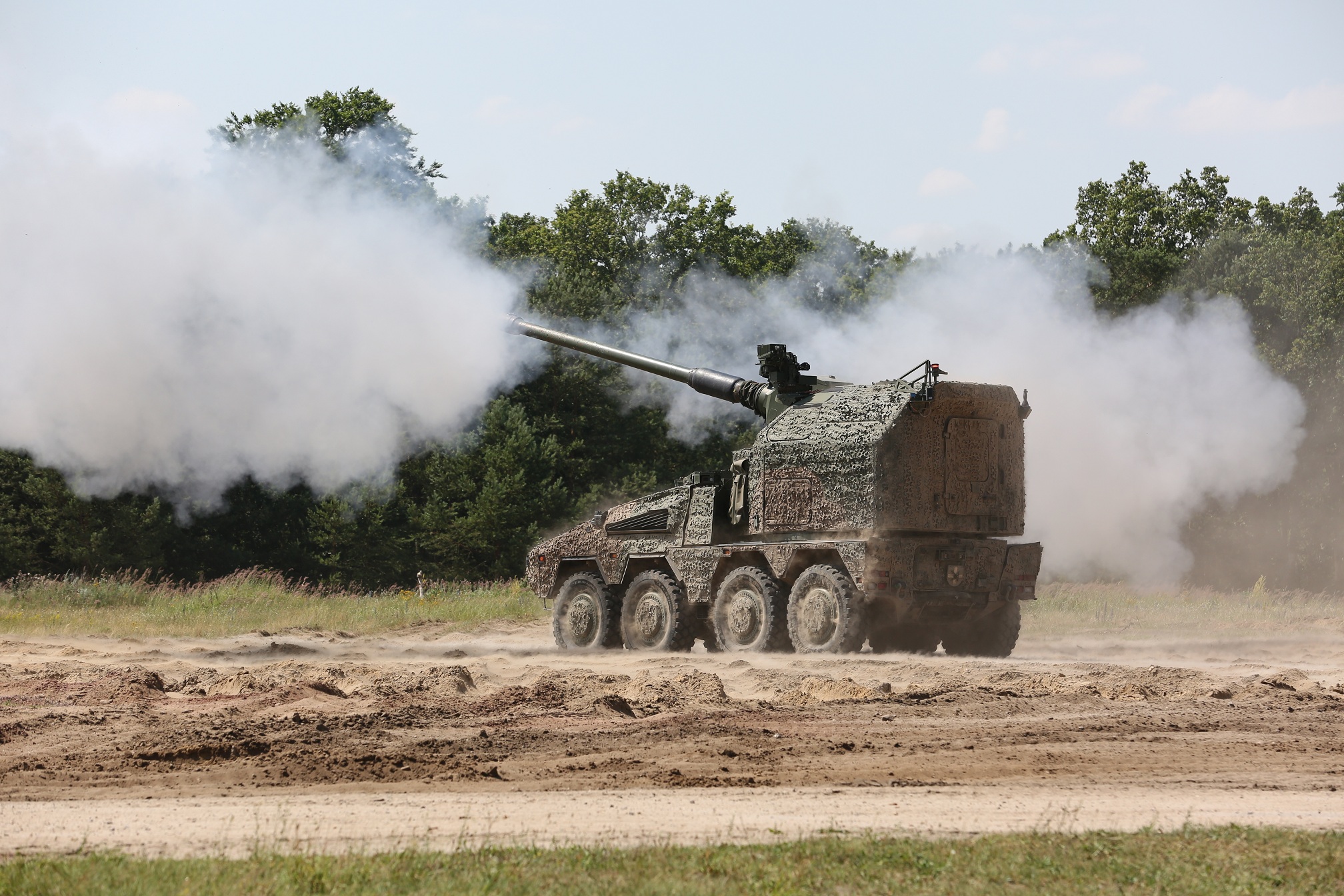
The UK has joined France, Germany, Italy and Poland in committing to closer defence-industrial cooperation, more common military requirements and faster efforts to strengthen Europe’s collective defensive readiness, as pressure grows to prepare for a potential conflict with Russia before the end of the decade.
In a joint statement published on 26 October, defence ministers from the UK, France, Germany, Italy and Poland said Europe must assume greater responsibility for its own collective security, while working closely with the US and other key NATO allies and partners.
The five countries – collectively known as the ‘E5’ nations – identified Russia as the “most acute and long-term threat to Euro-Atlantic security”, citing its ongoing war against Ukraine, frequent violations of allied airspace, acts of sabotage and increasing use of hybrid attacks across the continent (namely in Eastern Europe).
For UK defence manufacturers and their supply chains, the statement signals a renewed push towards closer industrial collaboration, more common equipment requirements and the production capacity needed to deliver new and existing military capabilities at greater speed and scale.
The commitments follow UK Defence Secretary Wes Streeting’s warning that the UK has little more than 1,000 days to prepare for a potential conflict, with Russia potentially being capable of attacking NATO allies and partner nations by 2030.
“Our adversaries’ willingness to harm us is not new. What has changed is their capacity,” Streeting said. “By 2030, their force strength and war economy could put them in a position to attack. That gives us a little over 1,000 days to complete our mission: to be ready with our allies to fight and win.”
Europe races to rearm as threat of conflict with Russia grows
The E5 ministers said they collectively modernise their armed forces and capabilities through closer defence-industrial cooperation based on common and standardised military requirements.
This approach could help create more opportunities for manufacturers to supply equipment, expertise and components across allied programmes, rather than navigating significantly different national specifications. This greater defence-industrial alignment could also support economies of scale, improve interoperability and reduce the complexity associated with operating different equipment fleets.
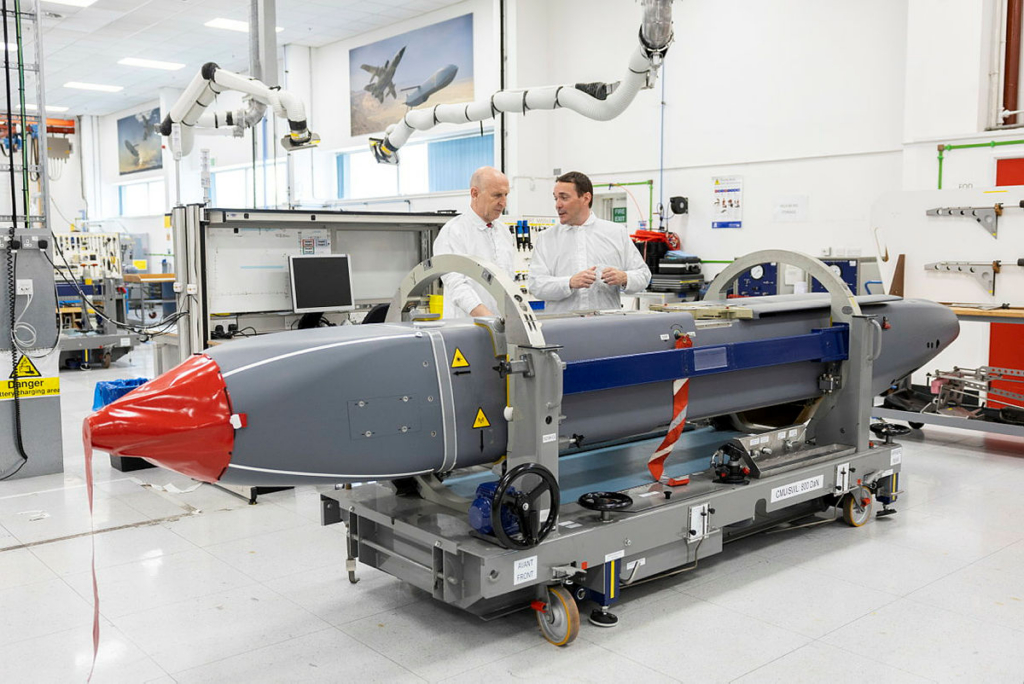
For industry, the potential areas of relevance include the development and production of ammunition, artillery, air and missile defence, drones, communications, sensors and other military systems. While the statement on 26 October did not announce any specific joint procurement programmes or orders in these areas, they do illustrate the capability sets that would be involved in bolstering readiness.
The ministers also committed to meeting agreed NATO capability targets and developing the capabilities needed to respond to new and evolving threats across all operational domains.
The emphasis on common requirements is particularly significant for defence firms that are considering investing in new or additional production lines, specialist machinery, workforce training and supplier capacity. More predictable demand across several countries could help underpin those decisions, although the statement does not set out new contracts, funding allocations or delivery deadlines.
Scaling up from factory floors to the frontline
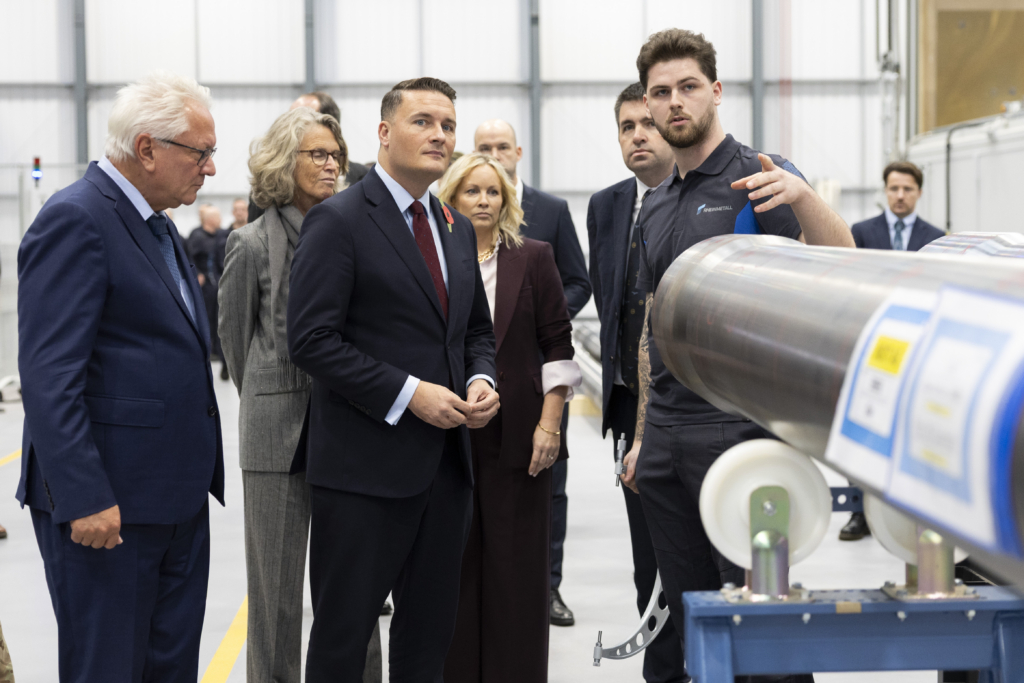
Streeting has made the ability to manufacture at scale a central part of the UK’s ongoing defence preparations. Speaking at the opening of Rheinmetall’s new gun production facility in Telford on 22 October, he stressed the importance of outproducing potential adversaries as well as rapidly developing new military capabilities.
The new facility will manufacture large-calibre artillery gun barrels in the UK, using steel from Sheffield Forgemasters. It provides a practical example of the domestic industrial capacity and specialist supply chain relationships that will be needed to sustain increased UK defence equipment production.
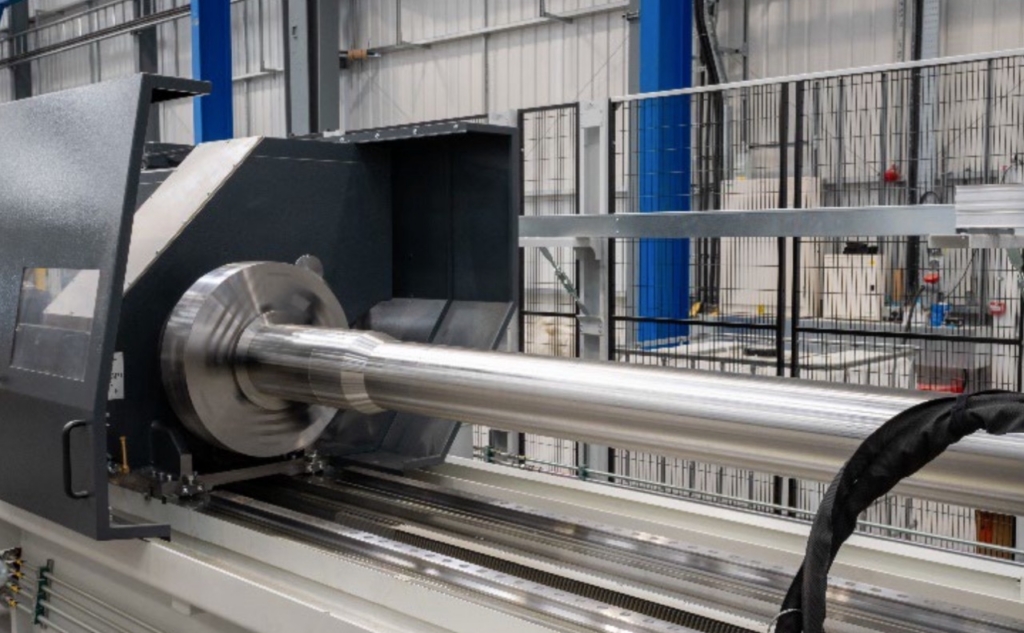
The wider challenge extends beyond major equipment manufacturers. Subcontractors, materials suppliers, component makers and specialist engineering firms must also be able to increase output, secure critical inputs and recruit skilled workers.
Closer defence-industrial cooperation between European allies could help manufacturers to better identify opportunities to support multinational requirements. However, translating political commitments into industrial capacity will depend on procurement decisions, firm orders and sufficient investment to give suppliers the confidence to expand.
Turning political pledges into effective combat capability – the real test?
The E5 statement places defence-industrial cooperation within a wider effort to bolster NATO’s collective defence. The ministers said European programmes should complement the wider NATO alliance, avoid duplication and remain open – under certain conditions – to meaningful cooperation with non-EU NATO allies.
They also reaffirmed their commitment to supporting Ukraine, describing its ability to defend itself as critical to Euro-Atlantic security.
For UK industry, the message is that preparation for a potential conflict requires more than just higher defence spending. It demands equipment and interoperable capabilities that can be rapidly delivered, as well as resilient supply chain networks that are capable of sustaining manufacturing operations.
Streeting’s 1,000-day warning sets the urgency of this wider collaborative initiative. The commitments outlined by the E5 ministers provide a framework for closer cooperation, but the test for manufacturers and governments will be whether that ambition translates into funded programmes, increased production and equipment reaching the armed forces before the strategic window closes.
Sign up for our newsletter and get our latest content in your inbox.
Similar Reads



Sign up for our newsletter. Select all sectors relevant to you.
Related