Pilot fatigue raises fresh concerns over European aviation safety


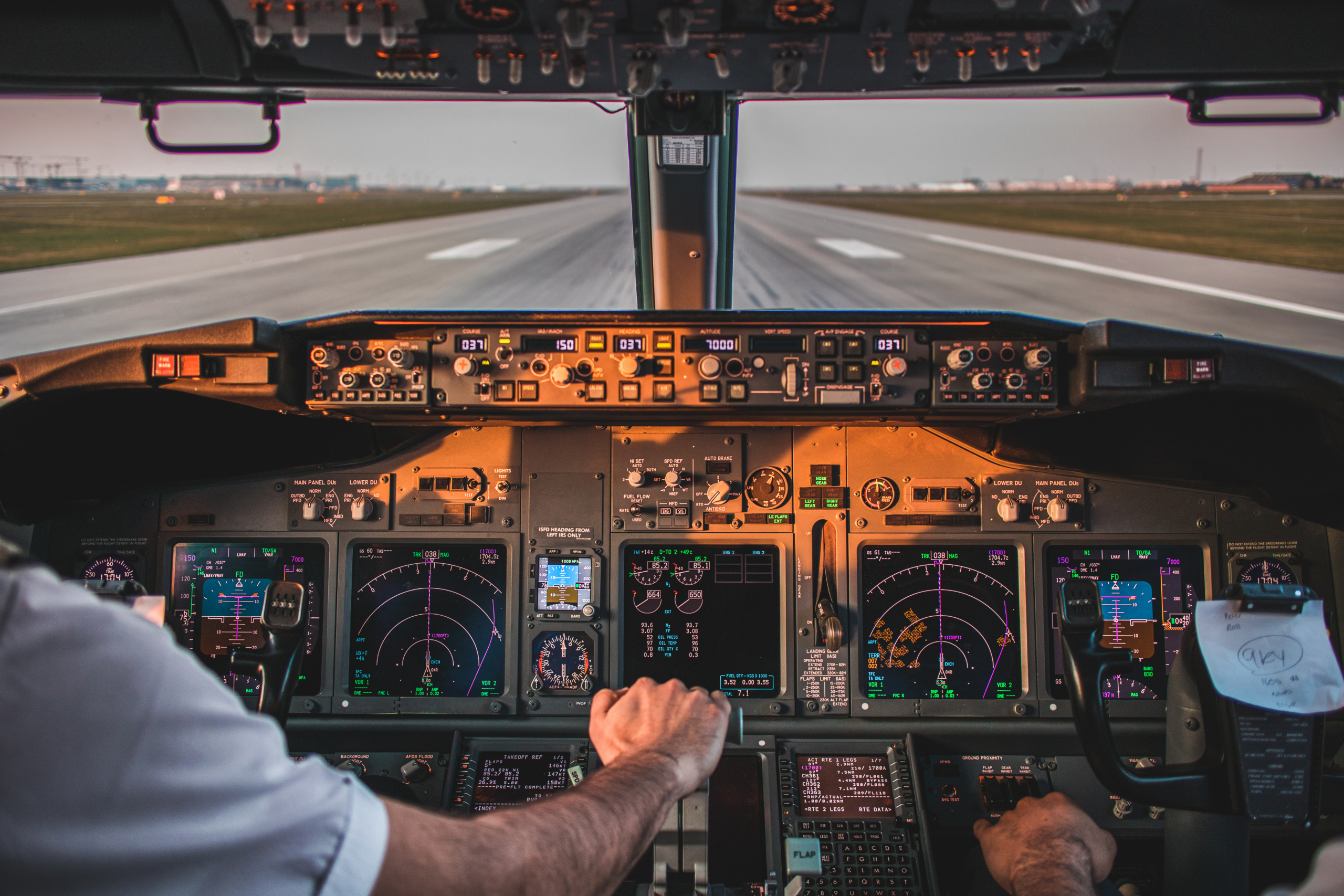
Concerns about aviation safety have intensified after new findings show that almost a quarter of European airline pilots routinely fly even when they feel too fatigued to work safely.
According to a report published by The Guardian on 26 October, a survey conducted by the European Cockpit Association (ECA) found that 24% of pilots usually continue flying rather than declare themselves unfit for duty because of fatigue.
The survey gathered responses from nearly 7,200 airline captains and first officers in August, highlighting persistent concerns about inadequate rest, demanding work schedules and the pressure pilots may face when reporting exhaustion.
One of the most striking findings was that three-quarters of respondents had experienced at least one microsleep while operating an aircraft during the preceding four weeks. Microsleeps are brief, involuntary episodes of sleep that can compromise a pilot’s ability to remain alert.
Working conditions and safety risks
Pilot fatigue can develop because of extended working hours, insufficient rest, irregular schedules and frequent travel across time zones. These factors can disrupt natural sleep patterns and affect concentration, decision-making and reaction times. In aviation, even a momentary lapse in alertness can have serious consequences, particularly when pilots must respond quickly to unexpected situations.
The survey also revealed that more than a third of respondents believed they were not receiving enough rest to prevent fatigue from accumulating over time. Pilots working for airlines based in Ireland and Malta reported particularly high levels of microsleeps, while respondents from Spain, Ireland and France were more likely to say they routinely flew while fatigued. By comparison, approximately one in ten pilots employed by UK-based airlines said they usually continued flying despite fatigue.
Fear of reporting exhaustion
Despite the reported levels of tiredness, many pilots appear reluctant to declare themselves unfit for duty. Only around one-third said they usually reported themselves unfit when fatigued. Meanwhile, nearly half admitted to operating a flight in the three months before the survey when they believed they should have declared themselves too tired to fly.
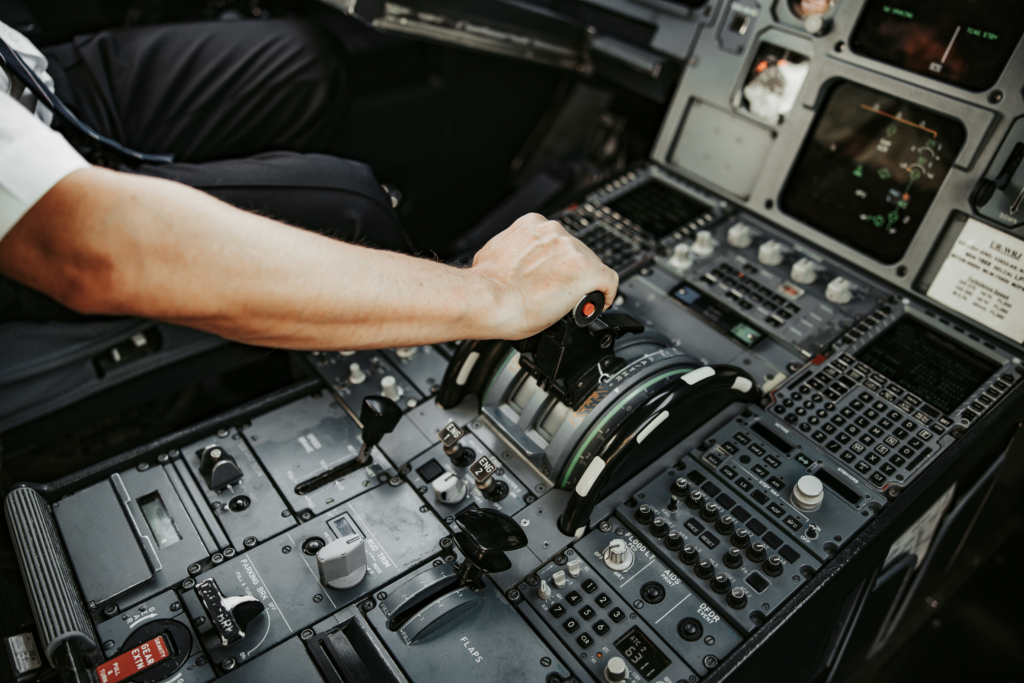
Fear of repercussions may be contributing to the problem. Almost half of respondents worried about negative consequences from management if they reported fatigue, while only 11.9% expressed confidence in their airline’s fatigue-reporting system. These findings raise questions about whether existing workplace procedures sufficiently encourage pilots to prioritise safety over operational pressures.
Concerns over extended duty hours
The survey also highlighted the use of commanders’ discretion, a provision allowing captains to extend crew working hours or reduce rest periods in exceptional circumstances. Almost two in five pilots said they had used this provision at least once in the month before the survey. However, nearly 70% expressed concern about refusing to extend their duty.
The findings suggest that a measure intended for exceptional situations may create additional pressure when flight schedules and staffing demands are difficult to manage.
BALPA’s response to the survey
Speaking about the survey’s findings, Joji Waites, Director of Flight Safety, Policy and Regulation at the British Airline Pilots Association, commented, “The ECA’s survey of almost 7,200 pilots is a clear safety signal. That 24% of pilots usually continue flying rather than report themselves unfit due to fatigue is a concern.
Aviation is the safest mode of transport through pilots’ expertise and professionalism in tandem with other aviation professionals; however, fatigue remains one of the most significant threats. Safety margins cannot hold if pilots are routinely rostered to the upper limits of their flight and duty time limitations (FTL).”
“With almost half of pilots fearing repercussions for reporting fatigue, we fully support ECA’s call for EASA to strengthen fatigue rules and enforce non-punitive reporting and responsible calls on the use of commander’s discretion. BALPA thanks the ECA for the considerable work involved in gathering this data.
We are still running our Realtime fatigue app to collect actionable intelligence on UK pilot fatigue, so combined with the ECA’s findings, we can create a clear picture of pilot fatigue, which will be fed into the CAA’s ongoing FTL review,” Walters added.
Calls for stronger oversight
The ECA has called on airlines and regulators to take greater responsibility for addressing pilot fatigue. Its president, Captain Tanja Harter, argued that pilots should not be left to manage fatigue risks alone while carrying responsibility for passenger safety.
The association has urged the European Union Aviation Safety Agency (EASA) to strengthen fatigue-management requirements, improve compliance and ensure that pilots can report exhaustion without fear of punishment.
European aviation regulations already require airlines to establish systems for identifying and managing crew fatigue. However, the survey suggests that implementation and pilots’ confidence in these systems remain significant concerns.
The findings represent pilots’ reported experiences rather than a direct measurement of aviation accidents or safety outcomes. Nevertheless, the prevalence of fatigue and reluctance to report it highlight issues that regulators and airlines need to address.
Improving rest arrangements, strengthening reporting protections and reducing pressure to extend working hours could help create a safer working environment for flight crews. Ultimately, ensuring that pilots are adequately rested is not simply an employment issue. It is an essential part of maintaining public confidence in European aviation safety.
Sign up for our newsletter and get our latest content in your inbox.
Similar Reads




Sign up for our newsletter. Select all sectors relevant to you.
Related