GE Aerospace and BETA demonstrate hybrid-electric takeoff with modified Saab 340B

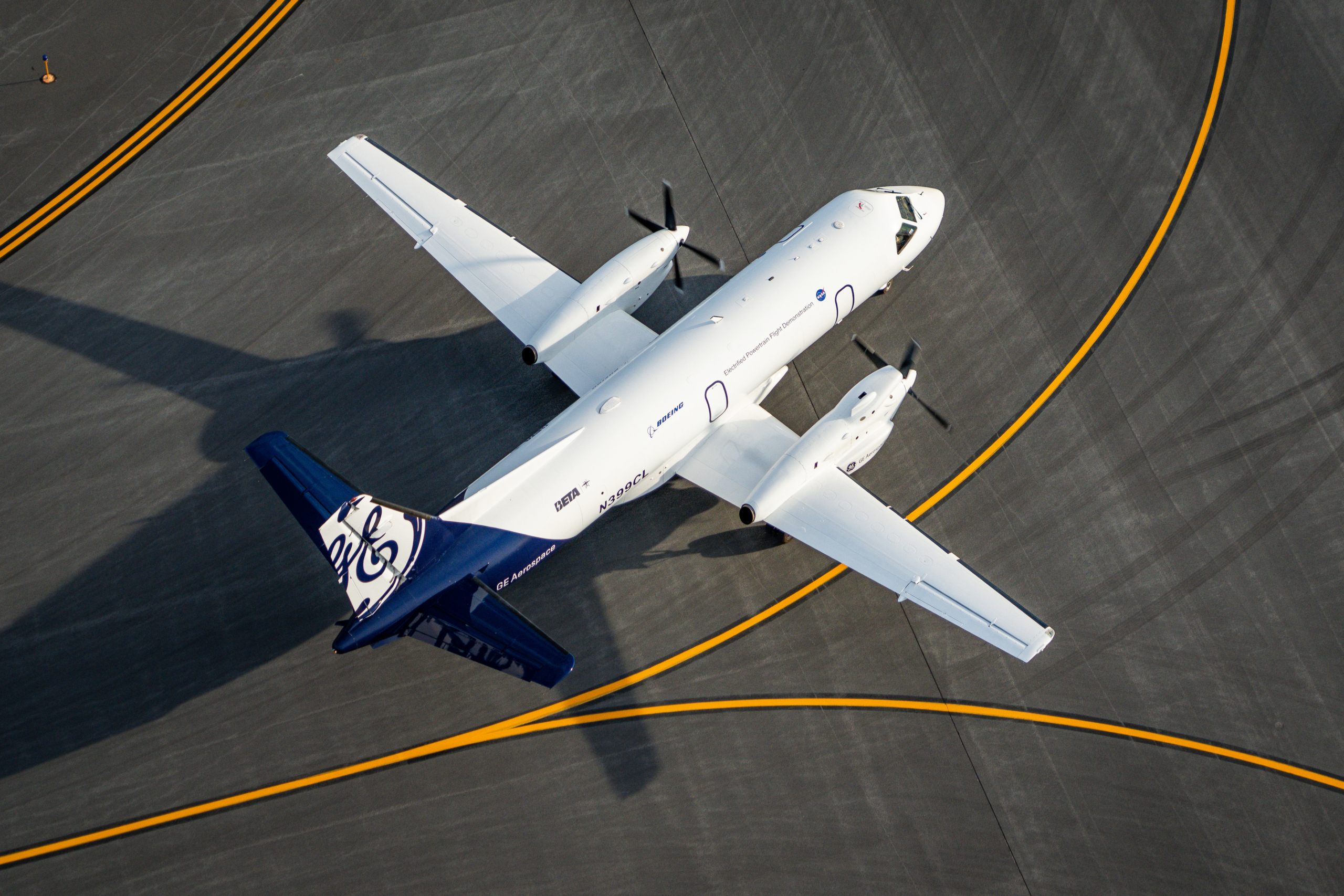
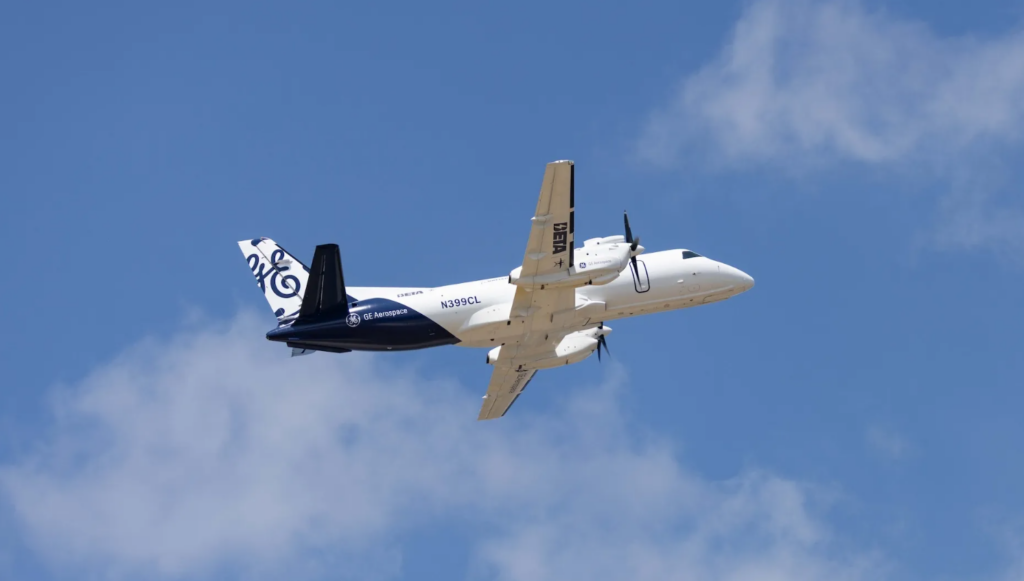
A modified Saab 340B airliner has completed a hybrid-electric assisted take-off, with electric power supplementing a conventional gas turbine engine in a demonstration aimed at advancing lower-emission aviation technologies.
GE Aerospace and BETA Technologies have completed what they describe as the world’s first hybrid-electric assisted take-off using an aircraft designed to operate at commercial airliner altitudes and carry passengers.
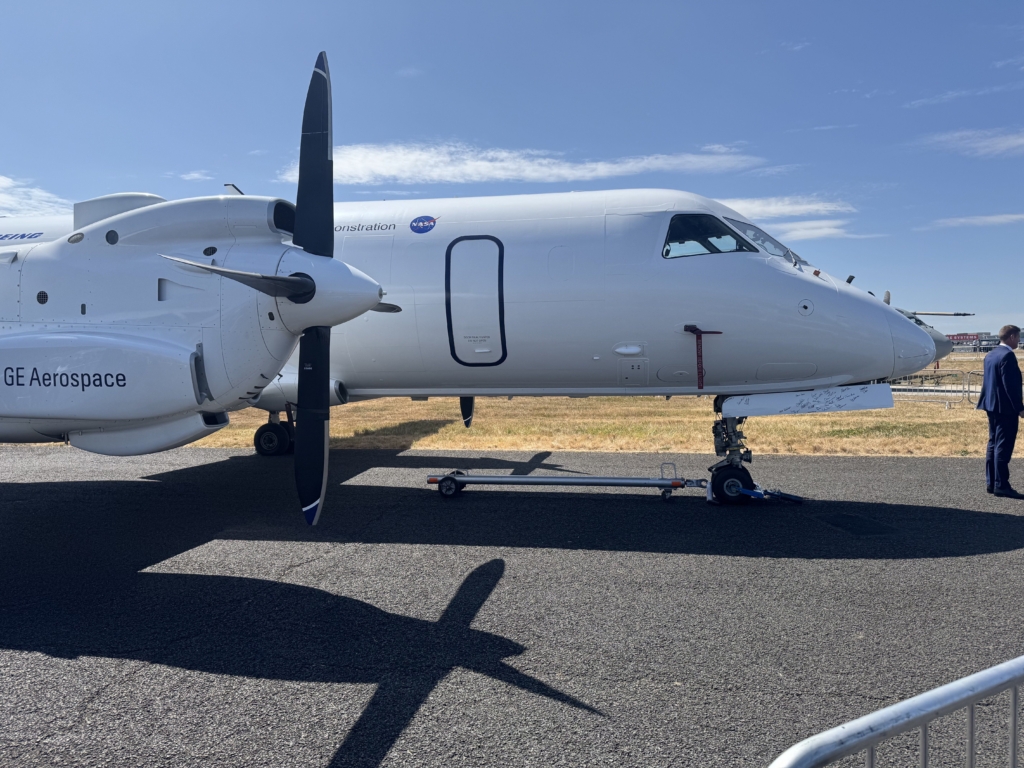
The demonstration took place at BETA Technologies’ flight test facility in Plattsburgh, New York, using a modified Saab 340B regional aircraft. It represents a further development in the companies’ work to explore how electrical propulsion systems could be integrated with conventional aircraft engines.
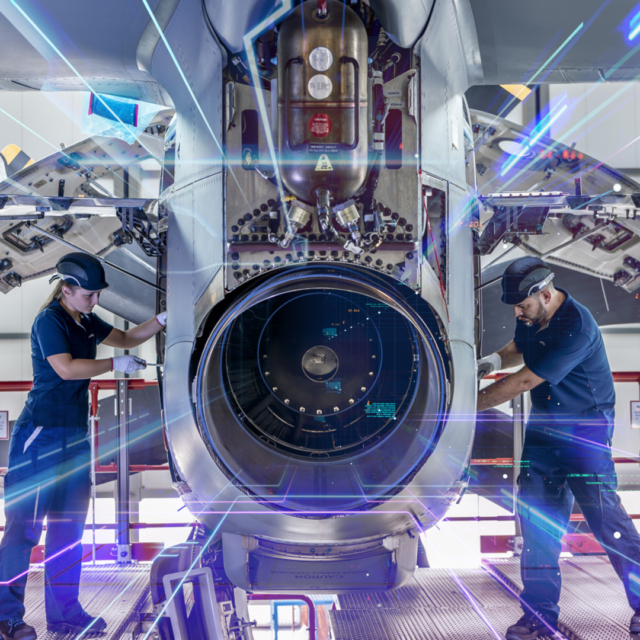
During the test, the aircraft was powered by a conventional GE Aerospace CT7 gas turbine engine on one side and a modified hybrid-electric propulsion system on the other. The hybrid system, which incorporates electric motors and batteries, provided additional power to supplement the gas turbine during the take-off phase.
According to GE Aerospace, the integrated propulsion system operates at megawatt-class power levels and uses multi-kilovolt electrical technology. Its purpose is to provide additional thrust when required, potentially allowing conventional engines to operate more efficiently.
Extending hybrid-electric capabilities
The latest demonstration builds on previous flight testing conducted by GE Aerospace and BETA Technologies. Earlier trials explored the use of electrical power to assist the aircraft during climb and cruise, as well as the recovery of electrical energy during cruise and descent.
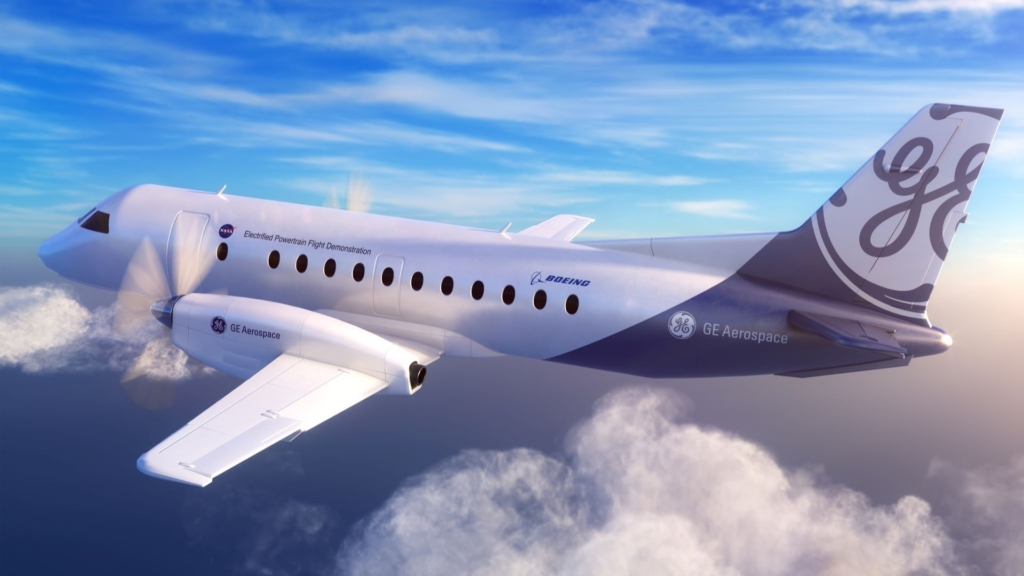
The successful take-off demonstration extends these investigations to one of the most power-intensive phases of flight. Take-off requires substantial engine output to accelerate an aircraft along the runway and achieve rotation and lift-off, making it a particularly challenging application for hybrid-electric propulsion.
According to the companies, early observations from the latest test indicated that the hybrid-electric configuration produced less noise during take-off than conventional gas turbine engines operating alone. Further testing and analysis will be needed to establish the extent of any potential benefits.
Potential applications in future aircraft
Hybrid-electric propulsion is being investigated as one of several technologies that could help reduce aviation’s environmental impact. By combining electrical power with conventional gas turbine engines, aircraft designers may be able to improve overall propulsion efficiency while retaining the range and operational flexibility associated with turbine-powered aircraft.
GE Aerospace is also developing hybrid-electric technology alongside other advanced engine concepts through the CFM International Revolutionary Innovation for Sustainable Engines (RISE) programme.
One of these concepts is the Open Fan engine architecture, which removes the conventional engine casing surrounding the fan. This allows for a larger fan diameter and is intended to reduce aerodynamic drag and improve fuel efficiency.
Hybrid-electric systems could potentially be integrated with different engine architectures and fuel types, making the technology relevant to a range of future propulsion designs.
The RISE programme, launched in 2021, is a technology demonstration initiative involving GE Aerospace and Safran Aircraft Engines. It is investigating several advanced propulsion technologies, including Open Fan designs, compact engine cores and hybrid-electric systems.
The programme has set a target of achieving more than 20% lower fuel consumption compared with commercial engines currently in service. This remains a development target rather than a demonstrated performance figure for a production engine.
Wider progress in hybrid-electric flight
The take-off demonstration follows other milestones in the development of hybrid-electric aviation. In May 2026, GE Aerospace, NASA, BETA Technologies and Boeing collaborated on a hybrid-electric flight demonstration that reached an altitude above 30,000ft, comparable with the operating altitudes of commercial passenger aircraft.
The aircraft was subsequently flown to the UK for the Farnborough International Airshow, marking the first transatlantic flights undertaken by an aircraft using the hybrid-electric technology.
These demonstrations form part of wider efforts across the aerospace industry to establish the technical feasibility of electrically assisted propulsion at increasingly representative aircraft operating conditions.
However, significant development work remains before such systems could be introduced into commercial airline service. Areas requiring further investigation include system reliability, battery performance, electrical power management, certification and the practical implications of integrating additional electrical equipment into existing aircraft designs.
For GE Aerospace and BETA Technologies, the latest test provides another opportunity to assess how electrical power can supplement conventional propulsion. Whether the technology can deliver meaningful operational and environmental benefits at commercial scale will depend on the results of further testing and its eventual application in future aircraft designs.
Sign up for our newsletter and get our latest content in your inbox.
Similar Reads


Sign up for our newsletter. Select all sectors relevant to you.
Related