BA overhauls airport ground equipment at Heathrow

Image courtesy BA
The airline will gradually be replacing its ground vehicles at Heathrow, such as vans and cars, cargo transporters and passenger steps, moving towards hybrid or electric alternatives where available. Already, more than 90% of British Airways’ vehicles and ground equipment at Heathrow are either zero emissions electrical equipment when being used or driven, (hybrids) or are operating on hydrotreated vegetable oil (HVO) fuel.
Improvements include:


- Replacing more than 750 pieces of ground equipment, including fuel bowsers from fossil fuel to HVO. HVO is an interim measure whilst the airline gradually transitions to zero-emissions (when being used or driven) or hybrid equipment. Supplied by the airline’s current sustainable aviation fuel (SAF) supplier, Phillips 66, the use of HVO is anticipated to save more than 6,000 tonnes of CO2 per year compared to traditional diesel fuel, the equivalent of more than 8,000 round-trip economy passenger journeys between London Heathrow and JFK.
- Replacing all diesel passenger aircraft steps with electric alternatives. This aims to reduce fuel consumption by more than 370 tonnes of CO2 emissions per year, based on previous diesel usage, which is the equivalent of more than 500 round-trip economy passenger journeys between London Heathrow and JFK. Many of the electric steps will be in full service by the end of the year.
- Phasing out its fleet of 20 diesel-powered vehicles which support the loading and unloading of cargo containers onto aircraft, replacing them with Hybrid Electric models. Introducing 135 new electric baggage tugs, accounting for 40% of our tugs, to transport customer's luggage. This improved battery and charging technology utilises highly efficient lithium-ion battery technology, requiring less energy and producing 30% less C02 when in use compared to traditional lead acid batteries. We are working closely with our supply chain in order to recycle as many battery components as possible at the end of life.
- Gradually phasing out all 38 diesel passenger buses over the next two years, with 23 expected to be fully electric and the remaining 15 operating on HVO fuel, with a large charging park at Heathrow now in the early stages of development. The use of these vehicles is expected to save 800 tonnes of CO2 emissions per year, helping to reduce negative air quality impacts around the Heathrow area.
Tom Moran, British Airways’ Director of Heathrow, said: “At British Airways, we are committed to reaching net zero emissions by 2050 or sooner and our focus isn’t just about reducing emissions in the air but on the ground too. This major investment into our vehicles at Heathrow is our largest investment in more sustainable airport ground operations to date and is part of our wider environmental objective to minimise emissions from our airside ground operation. We’re proud of the work we are doing in this space and are excited to continue improving the running of our ground operations at Heathrow.”
Carrie Harris, British Airways’ Director of Sustainability said: “I am incredibly proud of this project, which has been driven by our Heathrow ground operations teams and encapsulates our BA Better World ethos of raising awareness of our strategy to all of our colleagues and inspiring them to play a part in minimising our environmental impact where possible. Their energy, enthusiasm and innovative approach in bringing the project to life shows what can be achieved and this investment demonstrates our ongoing commitment to making improvements across our business that will benefit both our customers and colleagues.
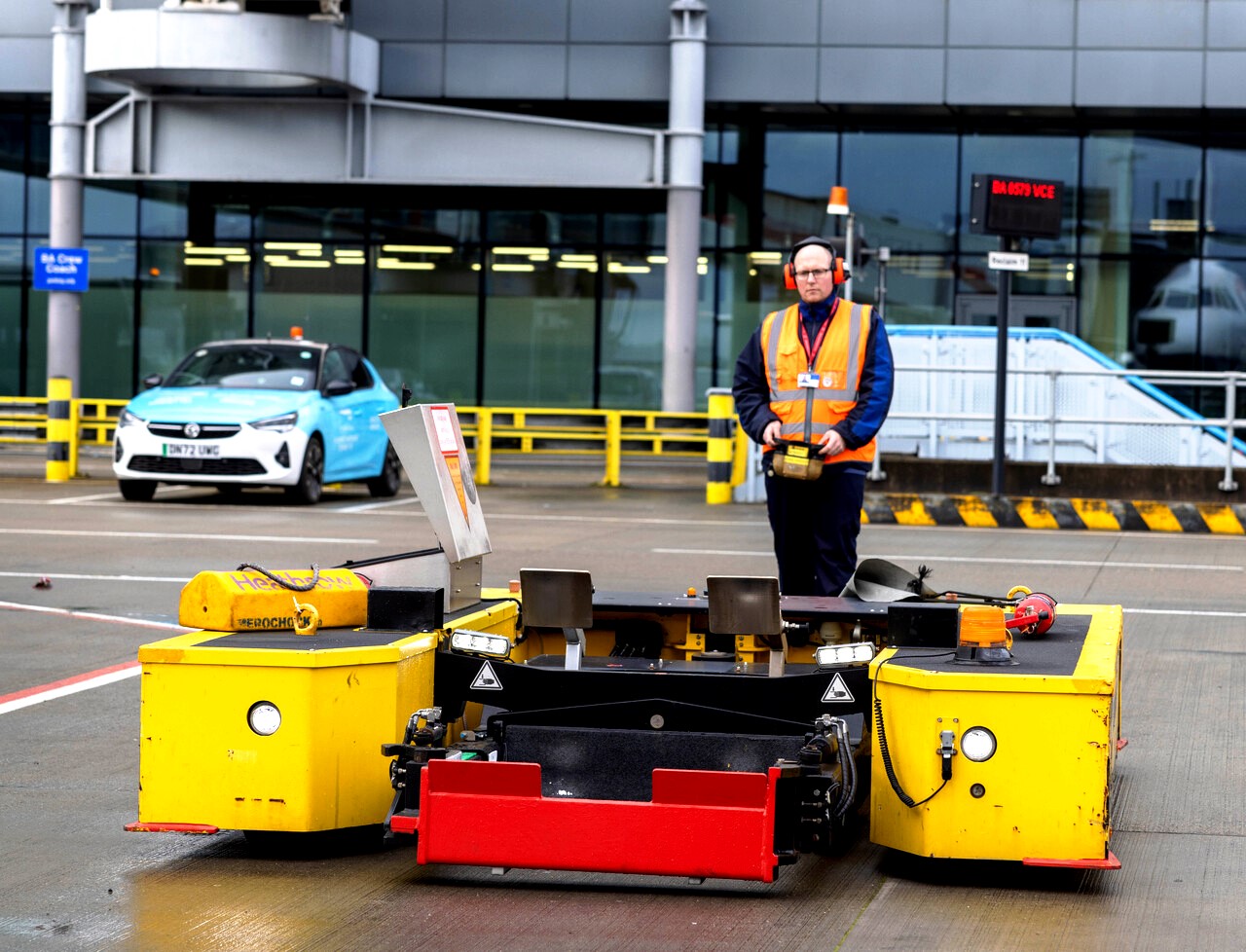
These improvements form part of British Airways’ £7 billion investment in transformation across many aspects of its business over the next three years. They also build on previous ground improvements made by the airline, including the introduction of electric and hybrid cars for driving airside-based colleagues around the airside roadways, using remote-controlled pushback vehicles, called Mototoks, for short-haul aircraft and ensuring aircraft plug into electricity at Heathrow when on stand to help power the lights and air conditioning.