Frost & Sullivan publishes ACSAR
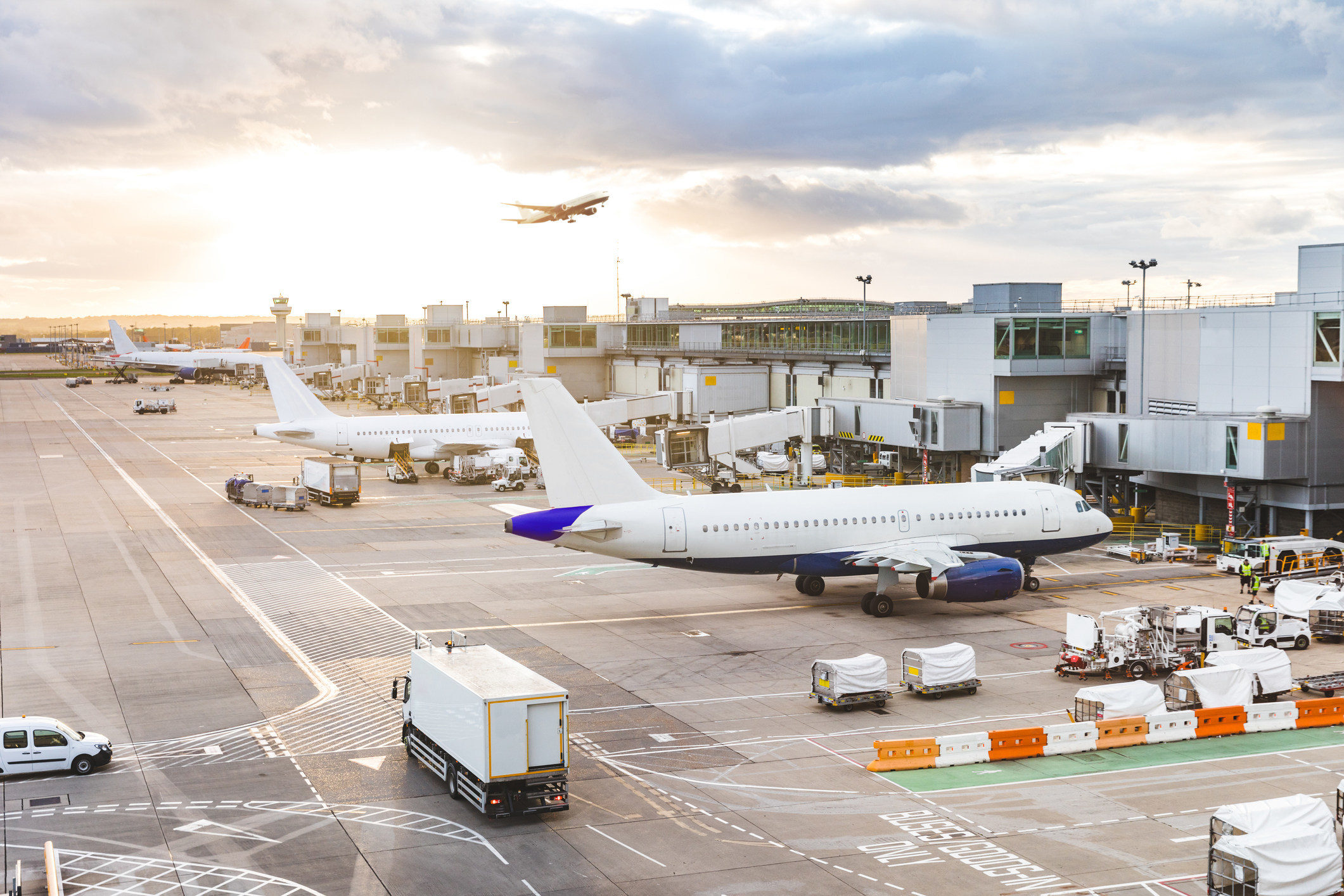
Image PRNewsfoto / Frost & Sullivan
Frost & Sullivan has developed an Airport Commercial Situational Awareness Report (ACSAR) to provide a standardised framework covering all aspects involved with airports.
It includes insights on airports from six regions—Africa, Asia-Pacific, Europe, Latin America, the Middle East, and North America—categorised under four tiers based on passenger volume. This study establishes a fundamental tool that generates commercial awareness of the region, area, competition, customers and airport.

By analysing macro and micro factors affecting operations, any airport can identify risks to be mitigated, growth opportunities and the competition. This is especially important in terms of route network development in the wake of the pandemic and for the future.
"Asia-Pacific has the highest percentage of airports in the top 500 airports by passenger traffic share, accounting for 36.9%. Europe is second, closely followed by North America," said Jonathan Norman, Aerospace & Defense Research Analyst at Frost & Sullivan. "Tier-1 airports (over 20 million passengers annually) account for 68.4% of the top 500 airports worldwide in terms of passenger traffic share. In Latin America, the seven airports in this segment are dispersed across the geography and serve a relatively low number of airlines compared to other regional Tier-1 airports. Thus, they have altered their strategies to serve only high-yield routes, which are mostly international, and have severe problems implementing reliable COVID-19 protocols."
Norman added: "Among the 27 tier-2 airports (10 million-20 million passengers annually) in Asia-Pacific, China is heavily represented in the top ten, with seven Tier-2 airports located in the country. Several airports in the region are focusing on new business models such as cargo operations and enhanced low-cost airlines options. The 17 tier-3 airports (5 million-10 million passengers annually)in North America are regionally diverse, from Edmonton to Palm Beach, serving smaller but still significant centers of business and popular vacation spots. They have focused on vacation destinations in a bid to survive the pandemic."
Airports can focus on the following growth strategies to leverage their market position:
- Route development plan for traffic growth: Establish an airport business profile and develop short-, medium- and long-term objectives regarding the different network market segments (local, regional and international).
- Develop air route tactics through growth channels: Classify each route and establish crucial key performance indicators (KPIs) such as load factor, pricing and frequencies to determine the optimum balance of profit and connectivity.
- Incorporate risk strategies: Establish risk assessment parameters and determine the type and size of risk the airport can handle when taking losses on an eventual route underperformance.
Employing Airport Commercial Situational Awareness to Create Growth is part of Frost & Sullivan's Global Aerospace & Defense Growth Partnership Service programme.