

Heathrow boosts 2026 SAF incentive

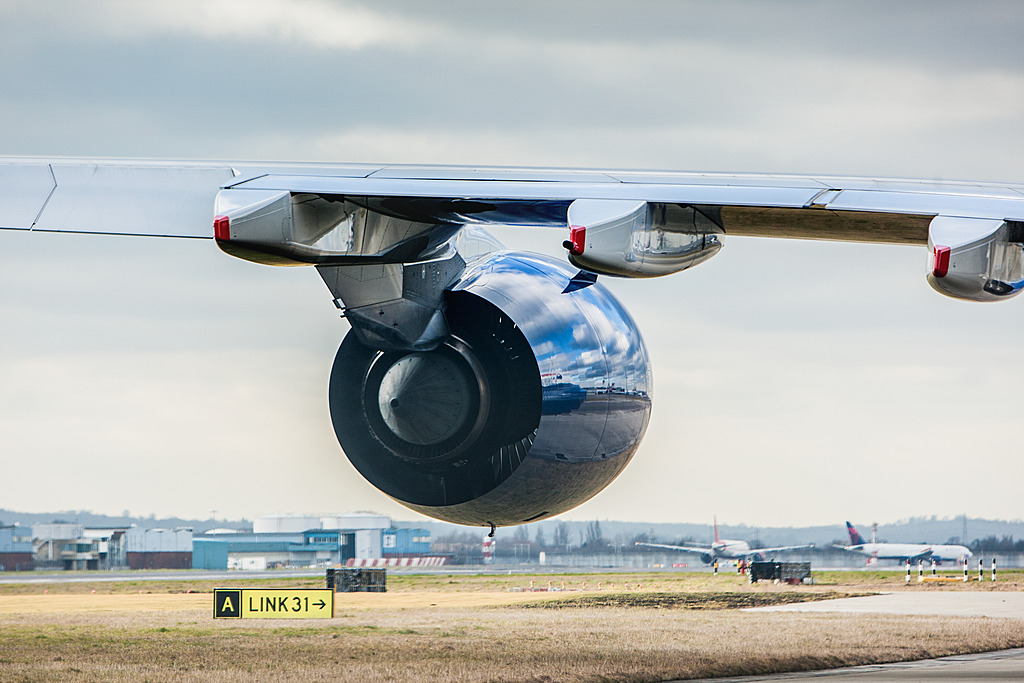
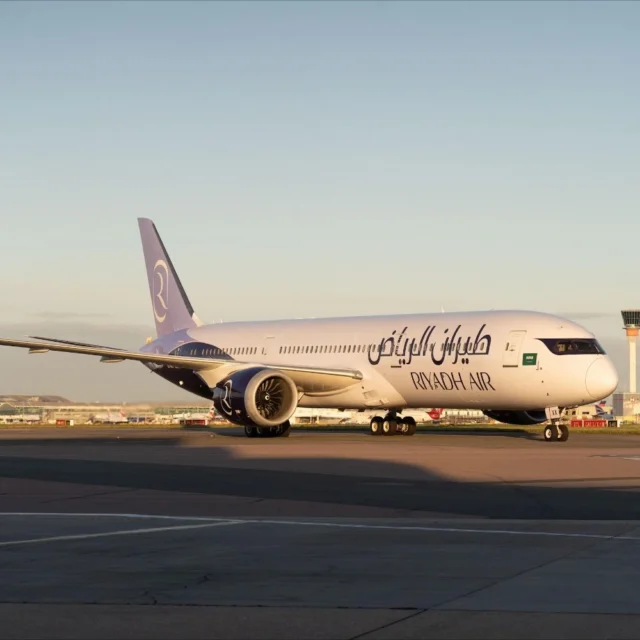
Image courtesy Heathrow
Heathrow is stepping up its industry-leading carbon-cutting programme for a fifth consecutive year with an ambitious target to go 2% beyond the UK’s 3.6% SAF mandate in 2026. Combined, this would see up to 5.6% of all aviation fuel used at Heathrow to be SAF, equating to around 350,000 tonnes, backed by over £80 million of support for airlines in 2026.
SAF, a fuel alternative to traditional fossil-based kerosene, can be made from a variety of sources and can cut lifecycle carbon emissions by 70% on average. The scheme encourages airlines to switch to SAF by approximately halving the price gap between kerosene and its cleaner alternative, making SAF more commercially viable for airlines. In 2026, the SAF uplifted at Heathrow has the potential to reduce carbon emissions by around 600,000 tonnes, the equivalent of more than 950,000 economy class passengers round trips from Heathrow to JFK.
Heathrow is aiming to progressively increase the uplift of SAF to make up 11% of fuel uplifted at Heathrow by 2030, going beyond the Government mandate of 10% across the UK by 2030.
Matt Gorman, Heathrow’s Director of Sustainability, said: “Sustainable Aviation Fuel is not a hypothetical concept for the future, it’s already producing real impact in 2026. Heathrow is leading the way globally, with 17% of the world’s SAF supply in 2024 used at the airport. SAF is a key lever on aviation’s journey to net zero by 2050 and a key element of Heathrow’s Net Zero Plan. Our incentive delivers real progress today, as well as a future promise for tomorrow.”
Heathrow hits record passenger numbers in January
Heathrow had its busiest January ever, as more than 6.5 million people travelled through the airport, up more than 2% on the same time last year.
The airport retains the crown of most punctual hub in Europe and it was also the first month with every passenger using the new security lanes in all terminals, delivering faster service and ensuring passengers get through security, safely and efficiently.
The airport saw multiple peak days of over 250,000 passengers, surpassing the previous January record of 246,000, despite adverse weather across the US and Europe. More than 201,000 people travelled on Blue Monday, reflecting increased demand for post‑New Year getaways.
Heathrow was named ‘Best UK Airport’ for the fifth consecutive year at the Travel Weekly Globe Travel Awards. This is reflected in January performance, with over 95% of passengers rating their experience as good or excellent, demonstrating the great value and service that the UK’s hub provides for travellers.
The airport handled almost 125,000 tonnes of cargo in January, reinforcing its role as the UK’s gateway to global trade. Heathrow supports over £200 billion of UK trade each year, handling more than 70% of UK–non‑EU air cargo exports by value.
Heathrow CEO Thomas Woldbye said: “I am proud of the strong service, great value and unrivalled global connectivity Heathrow provides to our customers. We remain Europe’s largest airport but latest figures show we may lose that position in 2026 and we cannot keep driving growth for the UK economy without more capacity. That’s why Heathrow expansion is so critical. The decisions Ministers and the CAA take this year are essential to enable the delivery of the UK’s flagship growth project, secure planning permission by 2029 and ensure the UK has the flight and cargo capacity that it deserves."
Sign up for our newsletter and get our latest content in your inbox.
Similar Reads



Sign up for our newsletter. Select all sectors relevant to you.
Related