Leonardo selects Shield AI’s Hivemind software for Proteus autonomous helicopter


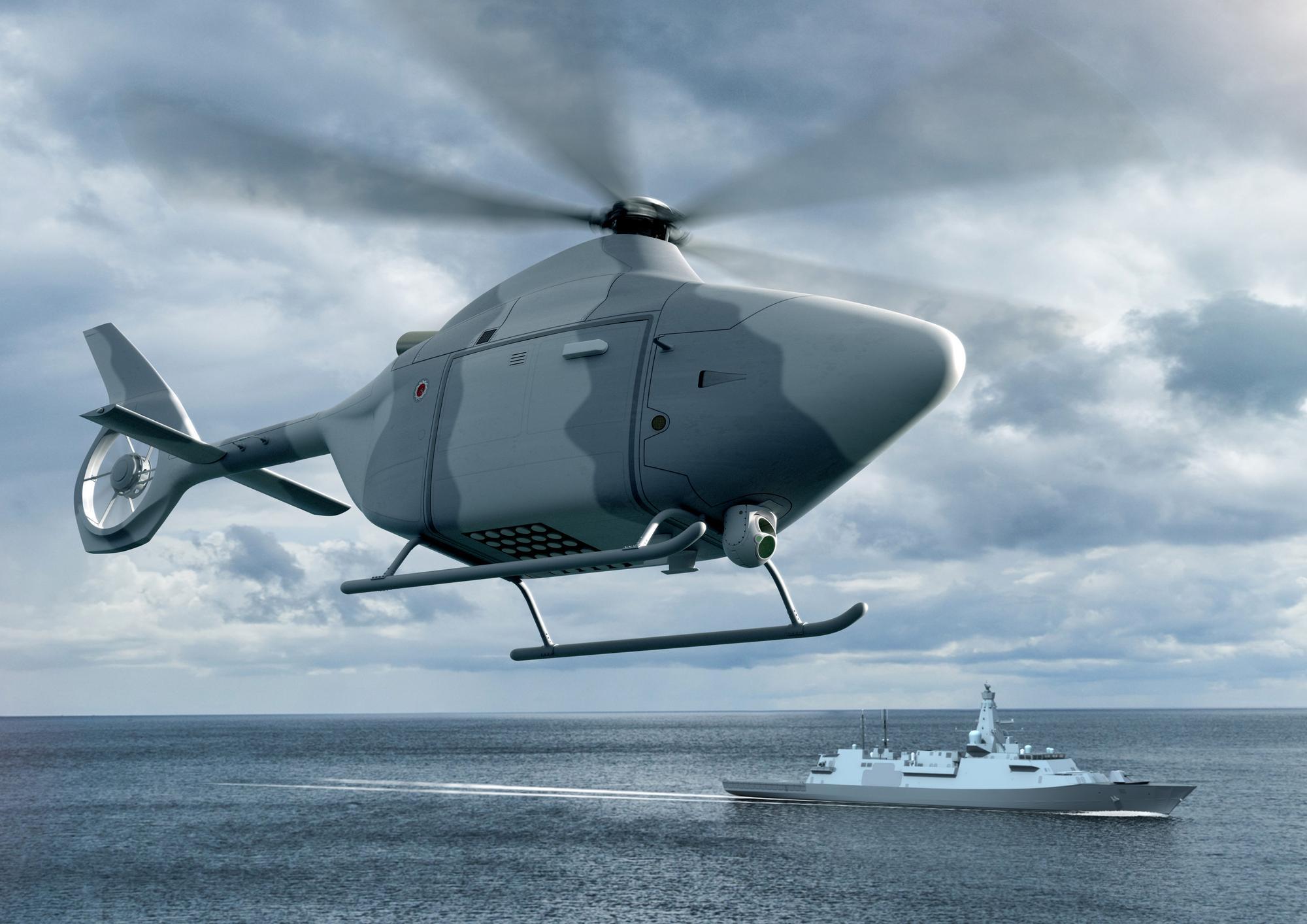
Leonardo has selected Shield AI‘s Hivemind software to develop new autonomous capabilities for its Proteus uncrewed helicopter, supporting future Royal Navy operations.
The agreement will allow Leonardo engineers to develop and integrate mission-specific autonomy software for Proteus, including capabilities for anti-submarine warfare, intelligence, surveillance and reconnaissance (ISR), and military logistics.
Under the agreement, Leonardo will use the Hivemind Software Development Kit (SDK) to build, test and update autonomous systems. The technology will let the company adapt software to different aircraft, sensors and operational requirements.
The companies will work together on the integration. Leonardo will retain control over the autonomous capabilities its engineers develop.
“Leonardo builds some of the most widely flown rotorcraft in the world, and Hivemind gives its engineers new tools to add autonomy to them,” said Tom Schaefer, vice president of Hivemind engineering at Shield. “Autonomy software is never finished. It changes with the mission, the threat, and the sensors on the aircraft. Leonardo’s engineers can therefore tailor Hivemind software to their mission sets, and the work stays with them.”
Hivemind to support Proteus development
Proteus is an uncrewed vertical take-off and landing (VTOL) aircraft Leonardo developed in partnership with the Royal Navy and UK Defence Innovation.
The aircraft forms part of the Rotary Wing Uncrewed Air System (RWUAS) Phase 3B Technology Demonstrator Programme, which explores how autonomous helicopters could support future maritime operations.
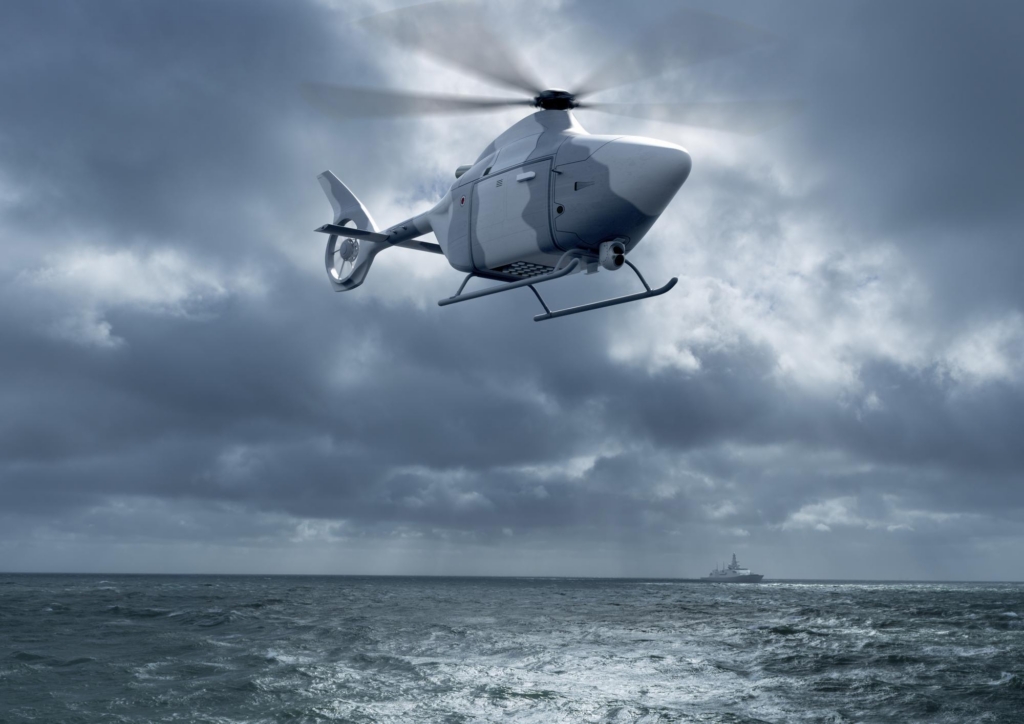
Proteus completed its maiden flight in early 2026 using autonomy technology developed by Leonardo. Adding Hivemind will support further development of those capabilities.
The aircraft has a modular payload bay designed to carry approximately one tonne of equipment or two standard NATO 463L pallets. It can be configured for different missions, including anti-submarine warfare, airborne early warning and transport between operational locations.
The programme also supports the Royal Navy’s Maritime Aviation Transformation (MATx) strategy, which sets out plans for maritime aviation through to 2040 with the core principle of “uncrewed where possible, crewed where necessary.”
Leonardo sees potential for wider helicopter applications
Leonardo said the agreement could extend to supporting autonomous capabilities on other aircraft.
“As we look to the demands of our customers and the reality of military and security operations in both wartime and in peacetime, there is a need for autonomy powered by AI. The ability to develop and integrate mission autonomy using Hivemind onto Proteus will support the implementation of autonomous capabilities,” said Adam Wardrope, Vice President Market Development Helicopters UK, Leonardo.
“When combined with our long-standing design, development, and manufacturing expertise in crewed and uncrewed rotorcraft, we believe we will be able to benefit from Shield’s software to support the development and delivery of autonomous solutions, potentially also extending it through other programmes within our rotary-wing portfolio.”
Hivemind allows developers to build autonomous pilots that can be tested, deployed and updated as operational requirements change. According to Shield AI, the software will let customers maintain and adapt their own autonomous capabilities without relying on the supplier for each modification.
Sign up for our newsletter and get our latest content in your inbox.
Similar Reads

Sign up for our newsletter. Select all sectors relevant to you.
Related